South Africa · KwaZulu-Natal
Where to Stay in Newcastle, KwaZulu-Natal
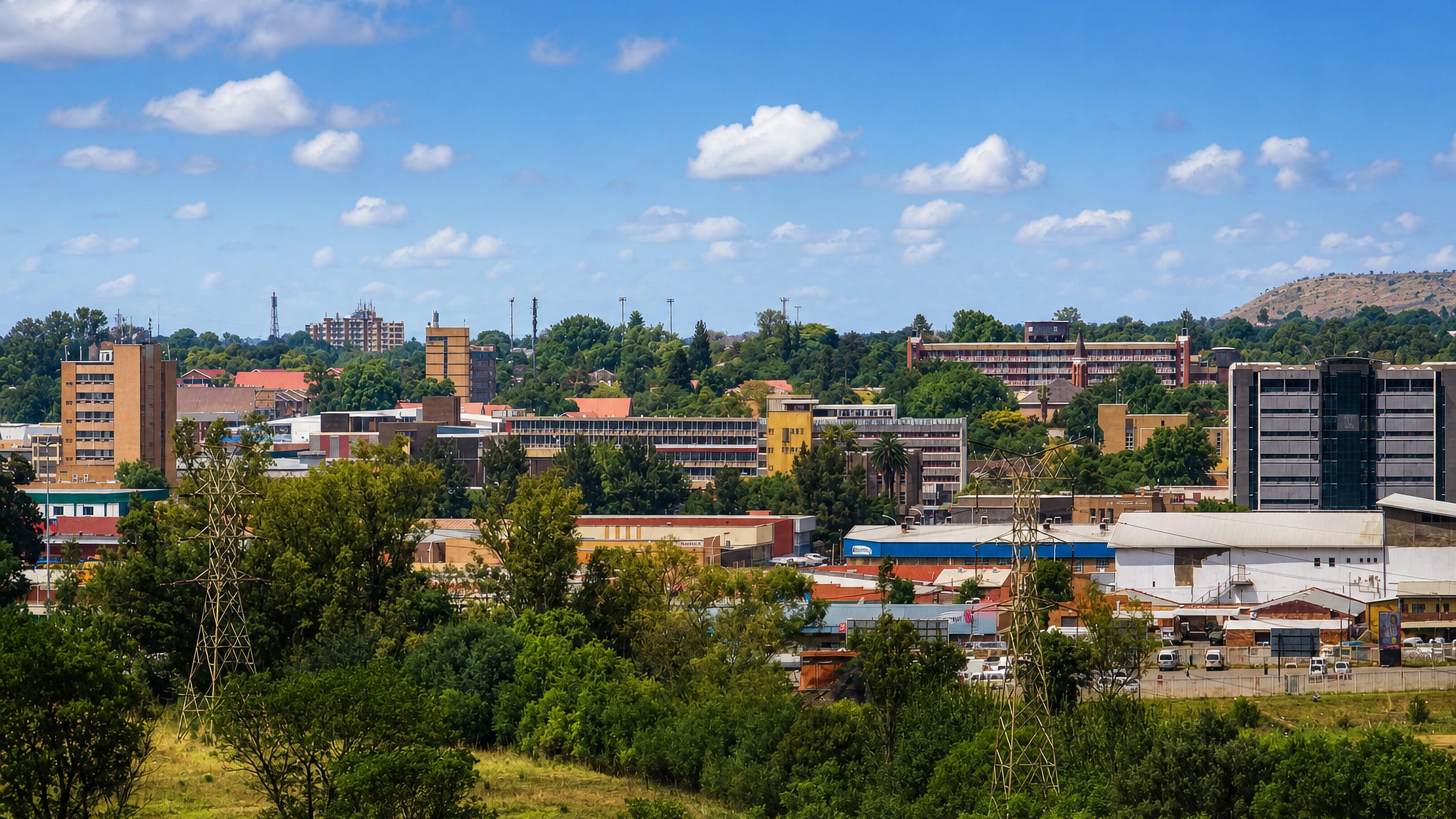
Newcastle sits in the Drakensberg foothills on the Ncandu River, a KwaZulu-Natal industrial city founded in 1864.
Hotel links are affiliate links: booking through them may earn us a commission, at no extra cost to you. It never affects how places are ranked. How this works


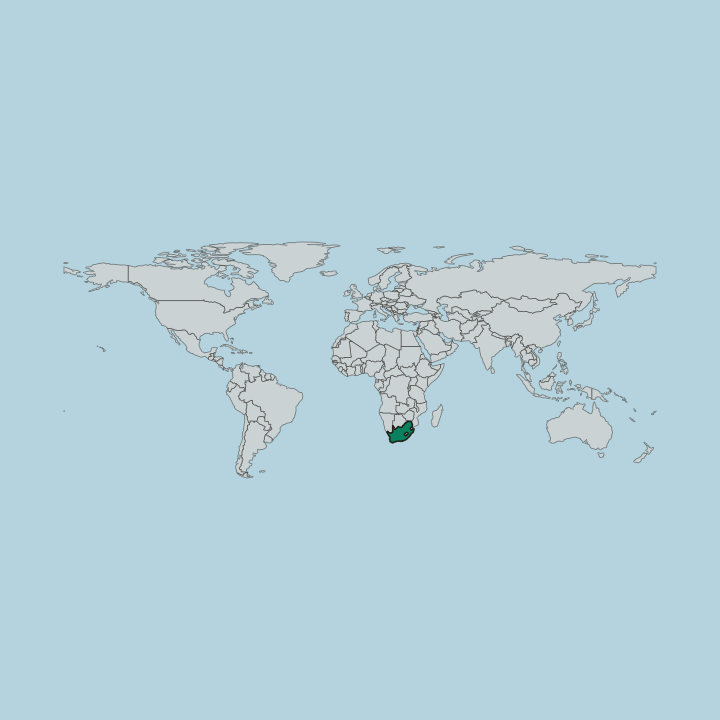
Where to stay in Newcastle
How the choice of base plays out on the ground.
Newcastle splits in two. Most of the city's people live in Newcastle East, in the main townships of Madadeni and Osizweni, and the balance lives in Newcastle West. Visitors mostly land between them.
Beds cluster on the commercial side of the city rather than in the townships, and the practical question for a short stay is how far a room sits from Fort Amiel Museum and from the road heading for the Drakensberg. Industry is the other pull. Four industrial areas work inside Newcastle, so a good share of the beds here are filled by people on contracts rather than on holiday, and rooms near the works trade quiet for a short morning drive.
The Ncandu River marks the softer edge. Anything on the river side of town gives the foothills as a backdrop and suits a traveller here for the mountains rather than for the plants. Driving time decides the rest.
Newcastle covers roughly 76 square kilometres, so a room chosen without checking its side of the city can add a drive to every errand of the day, morning and evening alike.
Find hotels in Newcastle
Direct booking searches for these neighbourhoods.
Newcastle West
The smaller, commercial half of Newcastle, the side a brief visit uses for the museum and the road out toward the DrakensbergFind hotels in Newcastle WestTravellers here for the Drakensberg foothills rather than the worksThe Ncandu River side
The softer edge of Newcastle along the Ncandu River, with the mountain foothills standing behind itFind hotels in The Ncandu River sideContract stays with a short morning run to one of the four industrial areasThe industrial approaches
The working edge of Newcastle nearest its industrial areas, chosen for the commute rather than for the outlookFind hotels in The industrial approachesHotel links are affiliate links: booking through them may earn us a commission, at no extra cost to you. It never affects how places are ranked. How this works
About Newcastle
Industry made it.
What is Newcastle known for?
Newcastle works as the industrial centre of KwaZulu-Natal, with four industrial areas inside the city, and it ranks third among the province's cities by size. Fort Amiel Museum keeps the older thread. The Ncandu River runs past the built-up ground, the Drakensberg foothills close the view, and traffic moving between the Free State, Mpumalanga and the Zulu Kingdom passes through Newcastle on the way.
What are the main landmarks in Newcastle?
One museum carries the name. Fort Amiel Museum is the single listed sight in Newcastle, a fort now serving as the city's museum, and it is the piece of the place that predates the industrial areas around it. Everything else here is scenery.
The Drakensberg foothills and the Ncandu River supply what the built-up ground does not, and both sit close enough to count as features of the city rather than excursions from it.
What is the history of Newcastle?
Newcastle dates from 1864. The town went up beside the Ncandu River in the Drakensberg foothills, at the point where routes from the Free State and Mpumalanga run on into the country of the Zulu Kingdom. A fort belongs to that century.
Fort Amiel Museum keeps the military ground its name records, and it remains the one named heritage site the city carries. Manufacturing recast the town. Newcastle became one of South Africa's main industrial centres, with four industrial areas laid out inside the municipal ground, and the nickname the New City belongs to that later chapter rather than to 1864.
The city grew in halves. Newcastle East filled with the main townships of Madadeni and Osizweni, which hold most of the city's people, while Newcastle West kept the smaller share and the commercial streets. Growth took ground.
The built-up area covers roughly 76 square kilometres of KwaZulu-Natal, a spread owed to the industrial century rather than to the fort that started it. Ranking followed the works. Third in size among KwaZulu-Natal's cities, Newcastle owes that standing to manufacturing rather than to the river crossing that fixed its first street plan.
Where is Newcastle?
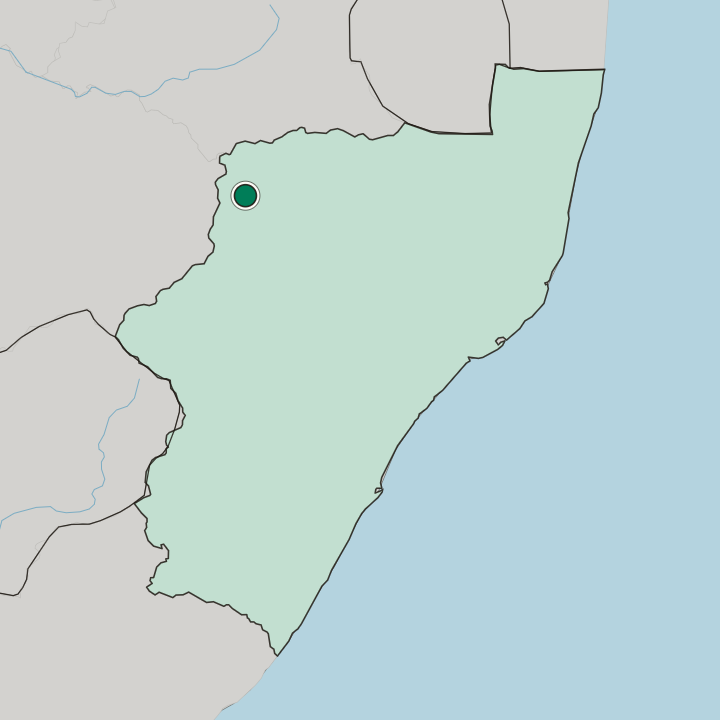
The Ncandu River sets the line. Newcastle spreads over roughly 76 square kilometres in the Drakensberg foothills, high ground by the standards of KwaZulu-Natal, with the river running through the built-up area and the mountains rising behind it. The city sits at a junction.
Routes from the Free State and Mpumalanga converge here before running on into the country of the Zulu Kingdom.
What is the climate of Newcastle?
The Drakensberg does the work. Newcastle sits in the foothills of that range, high enough for its nights to run cooler than the KwaZulu-Natal coast, and far enough south of the equator that the warm months fall around the turn of the year. Altitude softens the peak.
Rain arrives with the warm season in this part of the province, so the Ncandu River and the green on the foothills follow the same calendar as the heat.
How do you get to Newcastle?
Roads bring most arrivals. Traffic from the Free State and Mpumalanga runs through Newcastle on its way into the Zulu Kingdom, which is why the city works as a stopping point for people crossing KwaZulu-Natal rather than as a destination reached by one line. The Drakensberg shapes the approach.
Coming in from the mountain side means foothill country first, and the Ncandu River marks the point where the built-up city begins.
Common questions
What is the best area to stay in Newcastle?
Newcastle West: Short stops that keep Fort Amiel Museum and the commercial streets in reach. The Ncandu River side: Travellers here for the Drakensberg foothills rather than the works. The industrial approaches: Contract stays with a short morning run to one of the four industrial areas.
Good for
More cities in KwaZulu-Natal
Updated September 2026