Austria · Oberösterreich
Where to Stay in Linz, Oberösterreich
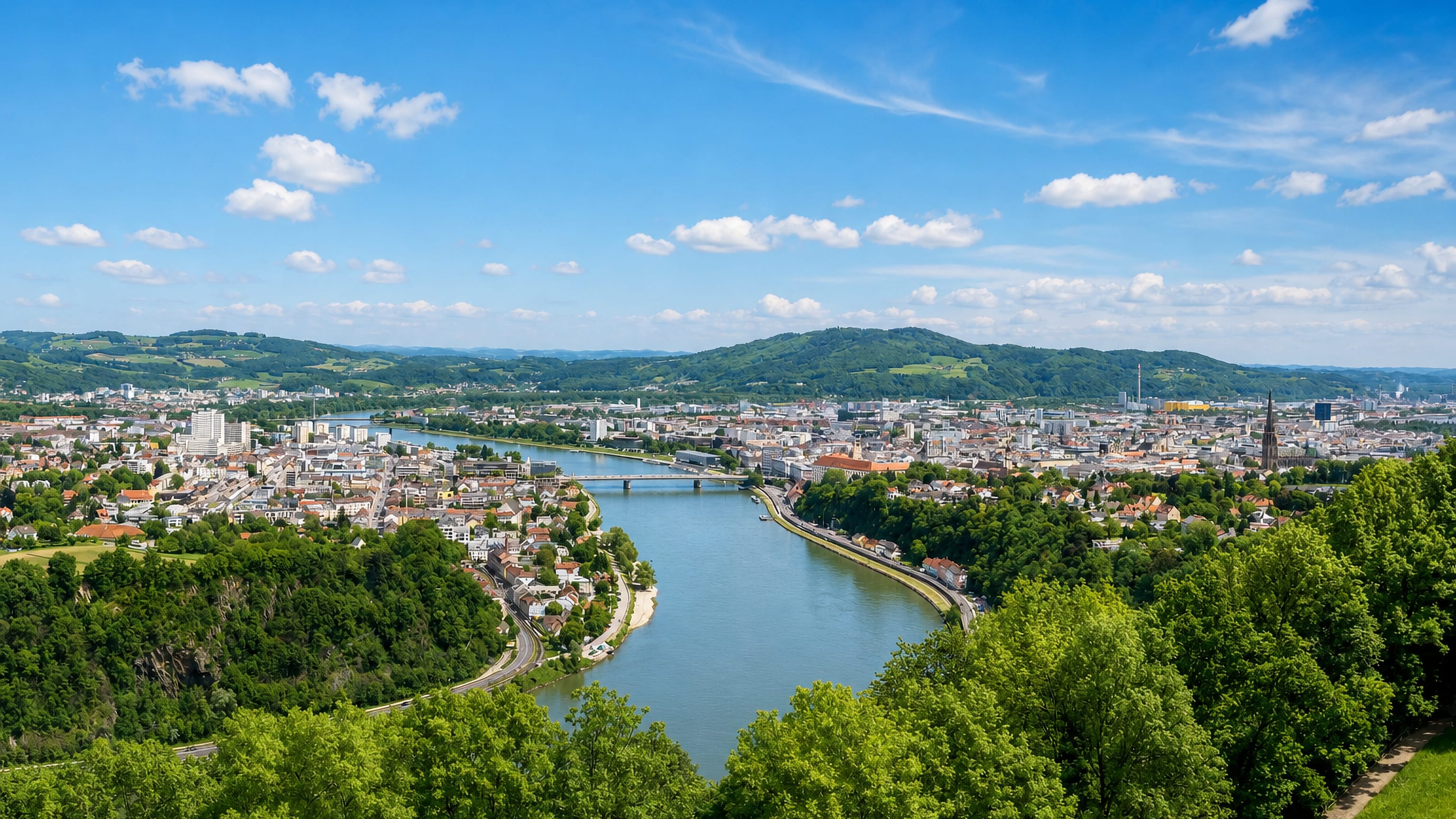
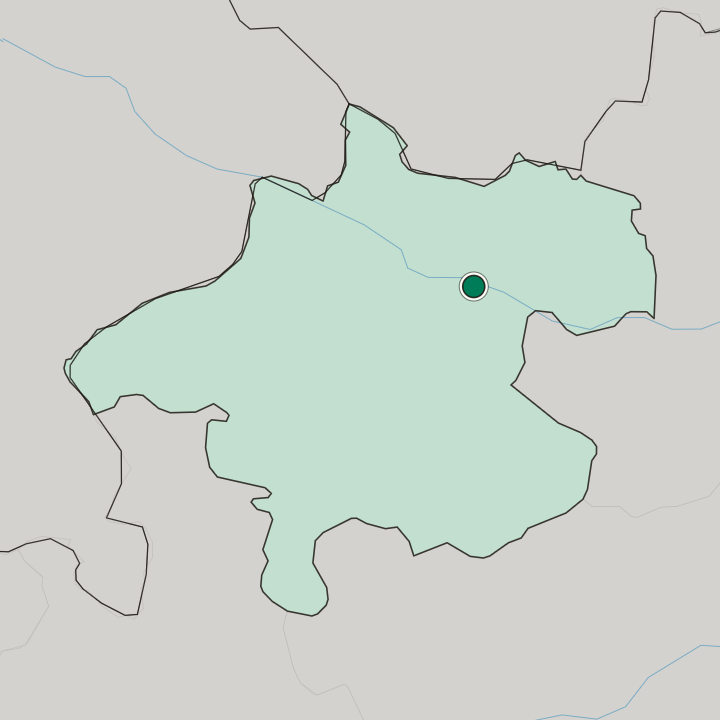
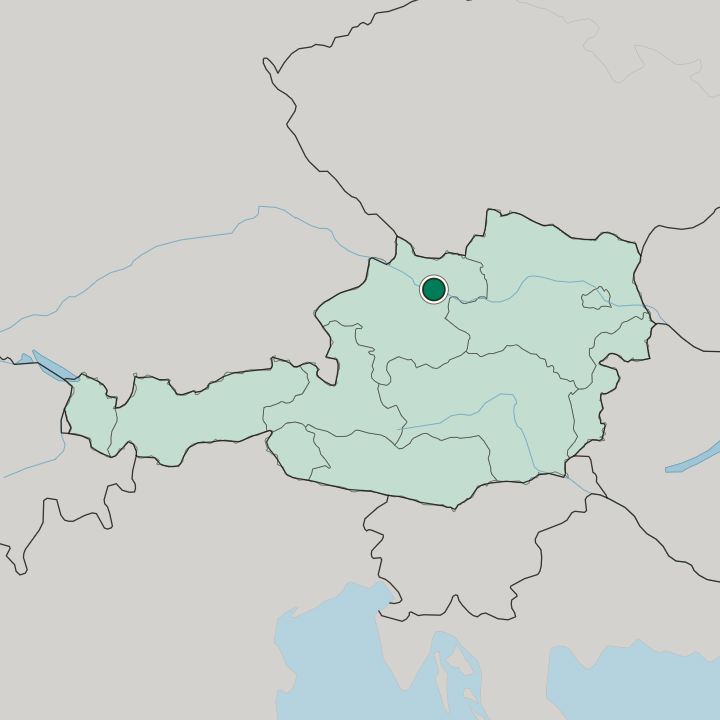
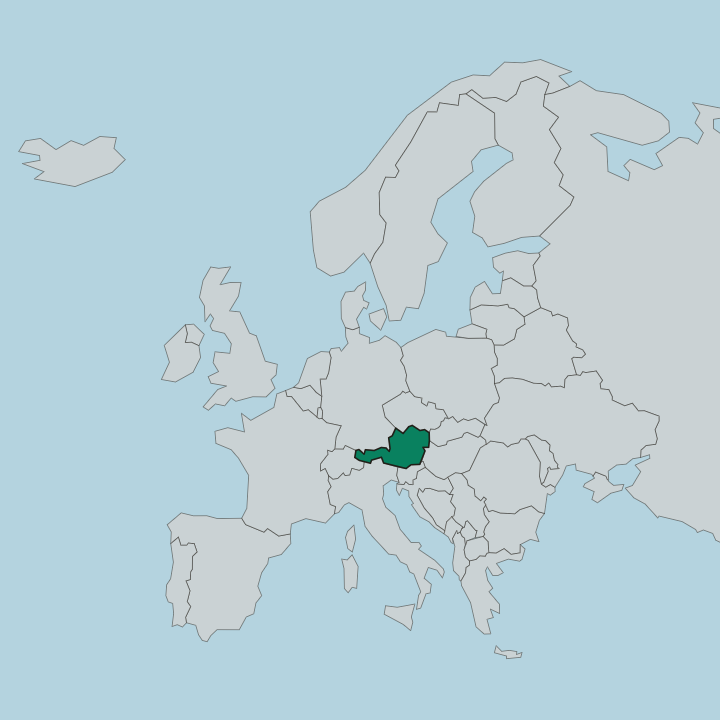
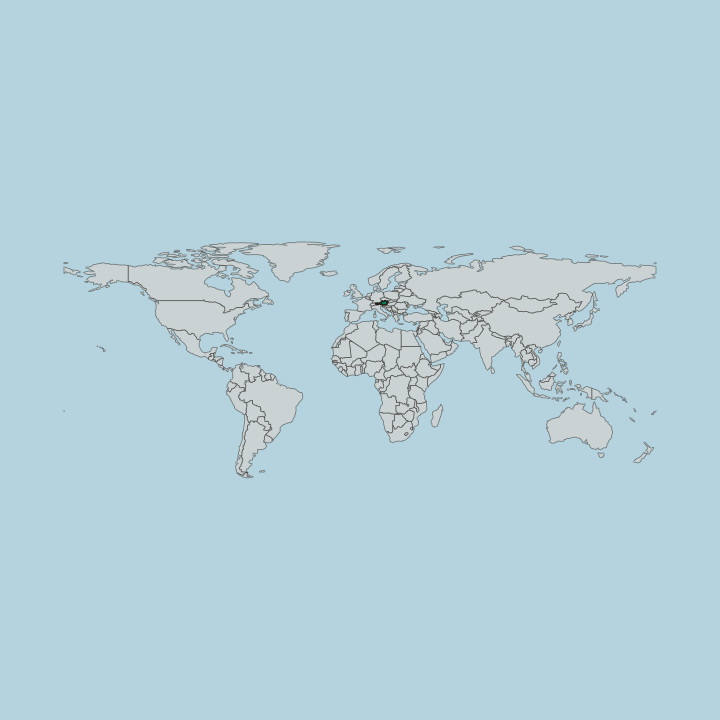
Linz is the third-largest city in Austria, capital of Oberösterreich, spread along the Danube in the country's far north near the Czech border.
Hotel links are affiliate links: booking through them may earn us a commission, at no extra cost to you. It never affects how places are ranked. How this works


Where to stay in Linz
Each area has its own feel; here's who each one suits.

 LinzAustriaA quieter base across the river
Urfahr
The Urfahr bank looks back at the old town over the Danube and keeps the Ars Electronica Center a bridge away.Urfahr → LinzAustria
Kaplanhof
Museums and old churches share Kaplanhof, a Linz district holding the Old Cathedral, the Nordico and the Francisco-Carolinum.Where to stay → LinzAustria
Freinberg
Freinberg is a mountain plateau within the urban area of Linz, with panoramic views over almost the entire city.Where to stay → LinzAustria
Froschberg
Froschberg is a Linz district whose named points include the TipsArena Linz and the Hermann-Bahr-Brunnen.Where to stay → LinzAustria
Franckviertel
Franckviertel is a district of Linz where the Design Center Linz stands alongside the Don-Bosco-Kirche Linz and Burg Lonstorf.Where to stay → LinzAustria
Bulgariplatz
Bulgariplatz is a Linz district holding the Upper Austrian State Library, the Herz-Jesu-Kirche and the Skulpturenpark Artpark.Where to stay →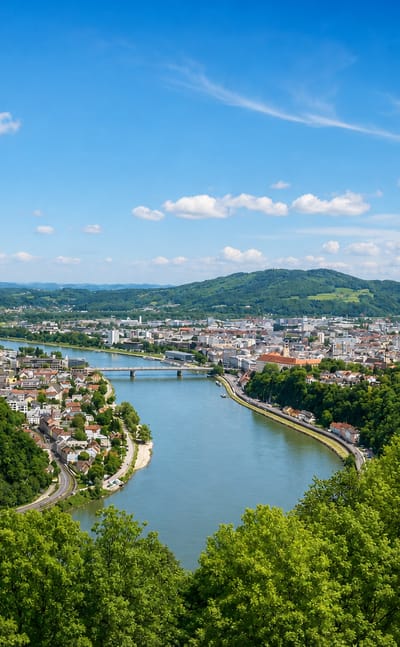 LinzAustria
Harbachsiedlung
Harbachsiedlung is a Linz housing estate founded in 1942, its parish life centred on the church of Hl. Markus.Where to stay → LinzAustria
Pöstlingberg
Pöstlingberg is a district of Linz north of the Danube, named after the 539-metre hill that rises over the river's left bank.Where to stay → LinzAustria
Gründberg
Gründberg is a Linz district marked by monuments: the Pferdeeisenbahn memorial on the Leonfeldner Straße and the Gerstner monument at Katzbach.Where to stay →LinzAustriaBindermichl
Bindermichl is a district of Linz, paired with Keferfeld in the city's own name for it and centred on the parish church of Sankt Michael.Where to stay →LinzAustriaSpallerhof
Spallerhof is a district of Linz whose record runs to steel, from the voestalpine Stahlwelt to the Geschichteclub Stahl.Where to stay → LinzAustria
Dornach-Auhof
Dornach-Auhof is a district of Linz that pairs the names Dornach and Auhof and carries the Biologiezentrum Linz.Where to stay →All neighbourhoods (18)
 LinzAustria
Bindermichl-Keferfeld
Bindermichl-Keferfeld is a housing quarter of Linz, and the Pfarrkirche Linz-Oed is the one monument the register names for it.Where to stay →LinzAustriaKleinmünchen
One old mill name, the Jaukermühle, survives in Kleinmünchen, a Linz quarter that runs into Kleinmünchen-Auwiesen and Ebelsberg.Where to stay → LinzAustria
Neue Heimat
Neue Heimat is a city quarter of Linz, gathered around the parish churches of St. Franziskus and the Pfarrkirche Guter Hirte.Where to stay →LinzAustriaKleinmünchen-Auwiesen
Kleinmünchen-Auwiesen pairs two Linz quarters under one name, with the Pfarrkirche Kleinmünchen and the Pfarrkirche Auwiesen serving each half.Where to stay → LinzAustria
Ebelsberg
Ebelsberg is a Linz quarter built around Schloss Ebelsberg, with a memorial to the fallen of 1809 standing close to the parish church.Where to stay → LinzAustria
Pichling
Pichling is a Linz district south of the Traun, home to the Weikerlseen and the Pichlinger See; its name means the settlement on the hill.Where to stay →Hotel links are affiliate links: booking through them may earn us a commission, at no extra cost to you. It never affects how places are ranked. How this works
Find hotels in Linz
Direct booking searches for these neighbourhoods.
Hauptplatz
Rooms ring Austria's largest main square, with the Old Cathedral, the cathedral quarter and the Pöstlingberg tram all within a short walk.Find hotels in HauptplatzRiverside art and museum daysDonaulände
The green Donaulände promenade lines up the Lentos Art Museum and the Ars Electronica Center along the Danube's south bank.Find hotels in DonauländeTrade-fair and business tripsDesign Center
The Design Center Linz and the steelworks give the city's eastern quarters their working, exhibition-driven character.Find hotels in Design CenterHotel links are affiliate links: booking through them may earn us a commission, at no extra cost to you. It never affects how places are ranked. How this works
Things to do in Linz
Ranked by global recognition; descriptions from Wikidata (CC0).
Museums & Galleries
3- Francisco-Carolinum Heritage
- Atelierhaus Salzamt Heritage
- Lentos Art Museum
Churches & Religious Sites
8- New Cathedral, Linz Heritage
- Old Cathedral, Linz Heritage
- Wallfahrtskirche zu den Sieben Schmerzen Mariä Heritage
- Martinskirche Heritage
- Ursuline Church of St. Michael Heritage
Show 3 more →
- Christkönigkirche Heritage
- Minoritenkirche, Linz Heritage
- Karmeliterkirche Sankt Josef (Linz) Heritage
Castles & Historic Sites
6- Schloss Ebelsberg Heritage
- Hessendenkmal, Linz Heritage
- Denkmal für Gerstner, Katzbach Heritage
- Mahnmal zu Ehren der Opfer des Nationalsozialismus (Urfahr) Heritage
- Warte Edelburga Heritage
Show 1 more →
- Archaeological finds from roman and medieval periods in Linz Heritage
Stadiums & Sports
2- TipsArena Linz
- Design Center Linz
Parks & Gardens
1- Donaulände Linz
worth knowingacross 5 categories in Linz
About Linz
What is Linz known for?
Linz is known for pairing heavy industry with a Baroque old town wrapped around Austria's largest main square. Steel built the modern city. Yet its riverfront tells another story, from the glowing glass box of the Lentos Art Museum to the Ars Electronica Center, a museum of the future that lights up the far bank of the Danube after dark.
The New Cathedral, the largest church in the country by capacity, rises over it all.
What are the main landmarks in Linz?
The New Cathedral towers over Linz as the country's largest church by capacity, its spire kept just below that of Vienna's Stephansdom by old imperial rule. Two more churches frame the story. The Old Cathedral and the Martinskirche, one of the oldest churches in Austria, hold the medieval thread, while the Minoritenkirche and the Karmeliterkirche carry the Baroque.
Along the water the Lentos Art Museum, the Ars Electronica Center and the Oberösterreichisches Landesmuseum gather the city's modern collections.
What is the history of Linz?
Linz began as the Roman fort of Lentia, guarding a Danube crossing at the northern edge of the empire. The river made it. Through the Middle Ages it grew rich as a market and toll town where goods moving along the Danube changed hands, and the wide Hauptplatz was laid out to hold that trade.
The Old Cathedral and the Martinskirche survive from those centuries, the latter reaching back to the earliest Christian foundations in the region. Baroque wealth reshaped the centre in the seventeenth and eighteenth centuries, and the astronomer Johannes Kepler spent years teaching in the town. Industry arrived with the railway and the river port.
In the twentieth century steel and chemicals turned Linz into one of Austria's great manufacturing hubs, a legacy that still defines its eastern quarters and its economy. Out of that industrial base grew an unexpected second identity, staked on new media and the electronic arts, which the Ars Electronica Center now embodies on the Danube's northern bank.
Where is Linz?
Linz sits in the far north of Austria, on both banks of the Danube where the river cuts through Oberösterreich a short drive south of the border with Czechia. The old town spreads across the south bank. Wooded hills rise close behind it, and the Pöstlingberg lifts a pilgrimage church over the rooftops on the northern, Urfahr side.
Downstream the Danube runs on toward the Wachau valley and, eventually, Vienna.
What is the climate of Linz?
Linz has a temperate central-European climate shaped by its position in the Danube basin. Winters are cold and often grey. Fog settles in the valley when cold air pools along the river, while summers turn warm and green with rain spread through the year.
Spring and autumn bring the mildest weather for walking the old town and the Donaulände.
How do you get to Linz?
Linz sits on the main rail line between Vienna and Salzburg, and fast trains reach it from either city in around an hour and a half. The station lies just south of the centre. Blue Danube Airport, west of the city near Hörsching, handles a modest schedule of flights, so many visitors fly into Vienna instead and continue by train.
Trams and the Pöstlingbergbahn cover the city itself, and river cruises call at the Danube quay.
Common questions
What is the best area to stay in Linz?
Hauptplatz: First-time stays in the Baroque old town. Donaulände: Riverside art and museum days. Urfahr: A quieter base across the river. Design Center: Trade-fair and business trips.
Good for
Updated October 2026