Austria
Oberösterreich, Austria — Towns & Travel Guide
Upper Austria spreads from the Danube at Linz to the Salzkammergut lakes and the Dachstein peaks in the south.
Hotel links are affiliate links: booking through them may earn us a commission, at no extra cost to you. It never affects how places are ranked. How this works


Towns & cities in Oberösterreich
One town here has its own guide — it links to where to stay.
 Austria
Linz
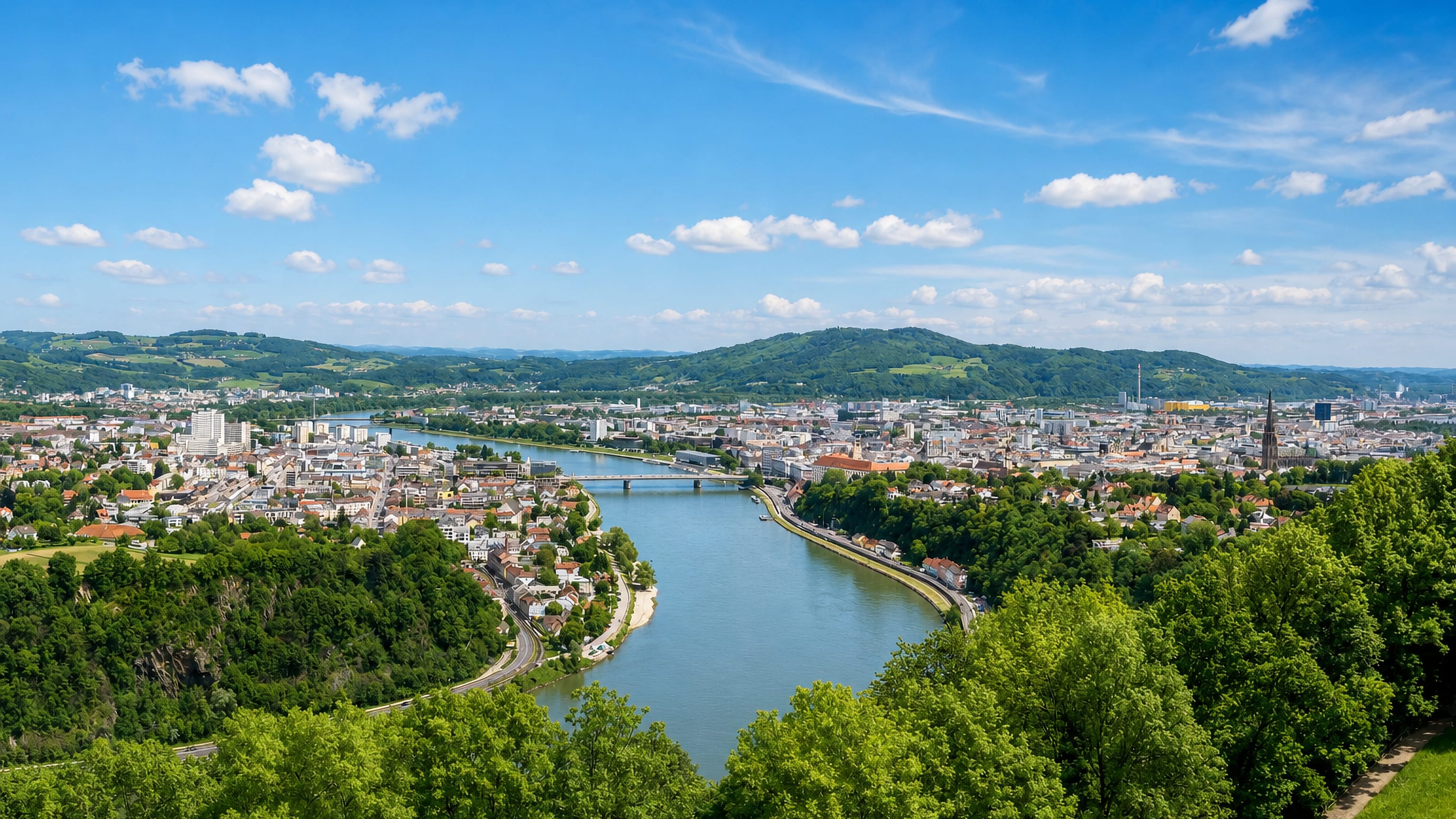
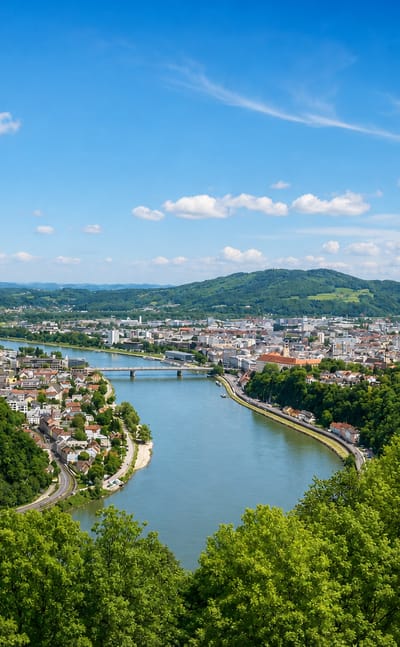
Linz is the third-largest city in Austria, capital of Oberösterreich, spread along the Danube in the country's far north near the Czech border.Where to stay →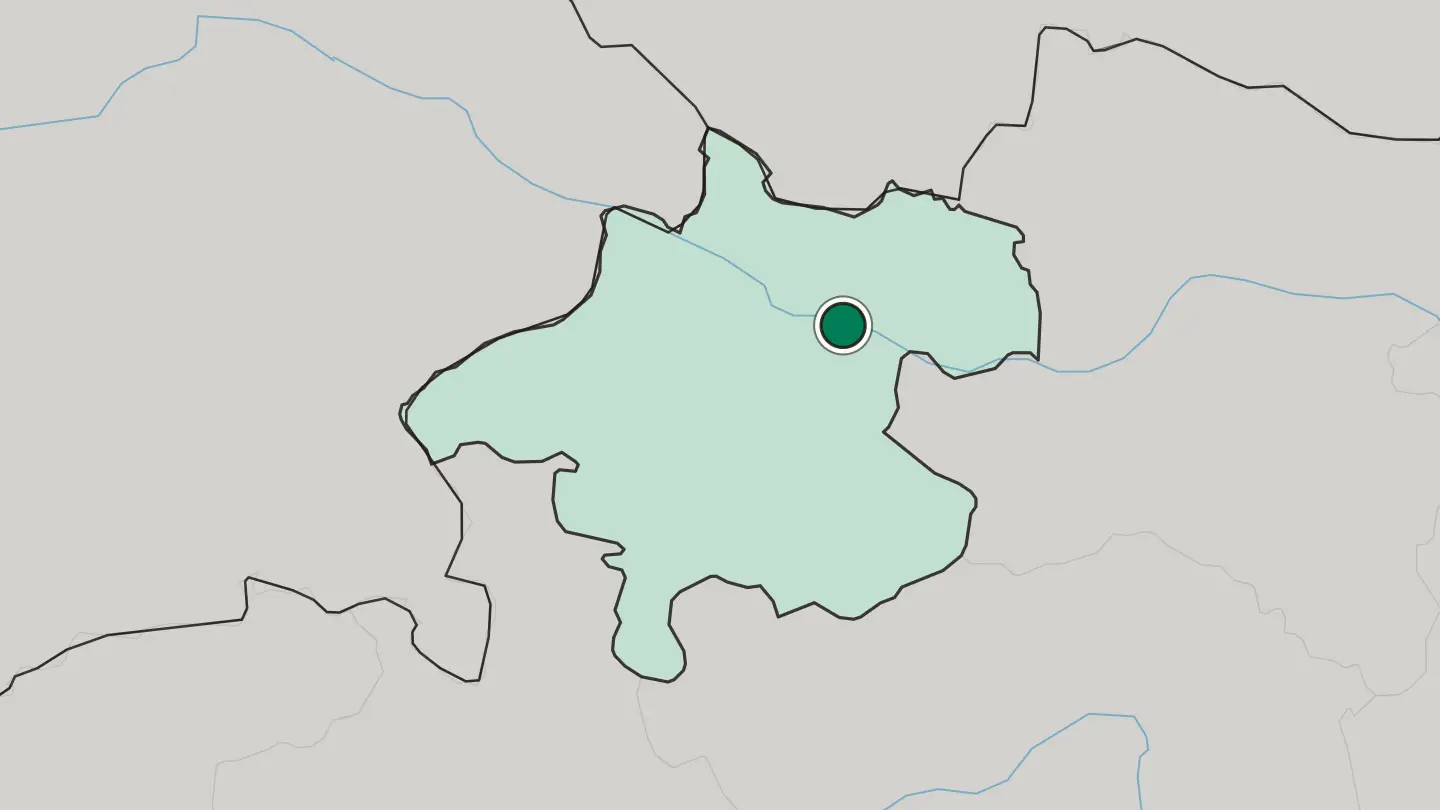
Hotel links are affiliate links: booking through them may earn us a commission, at no extra cost to you. It never affects how places are ranked. How this works
About Oberösterreich
Two things define this state.
What is Oberösterreich known for?
In the north it is industry, with Linz on the Danube and the voestalpine steelworks that gave the world the Linz-Donawitz process. In the south it is water and rock, where the Salzkammergut lakes lie under the limestone wall of the Dachstein and the salt village of Hallstatt draws crowds to Lake Hallstatt. Salt built the region long before steel did.
The Traun river ties the two halves together, draining the southern lakes north to meet the Danube near Linz.
Where is Oberösterreich?
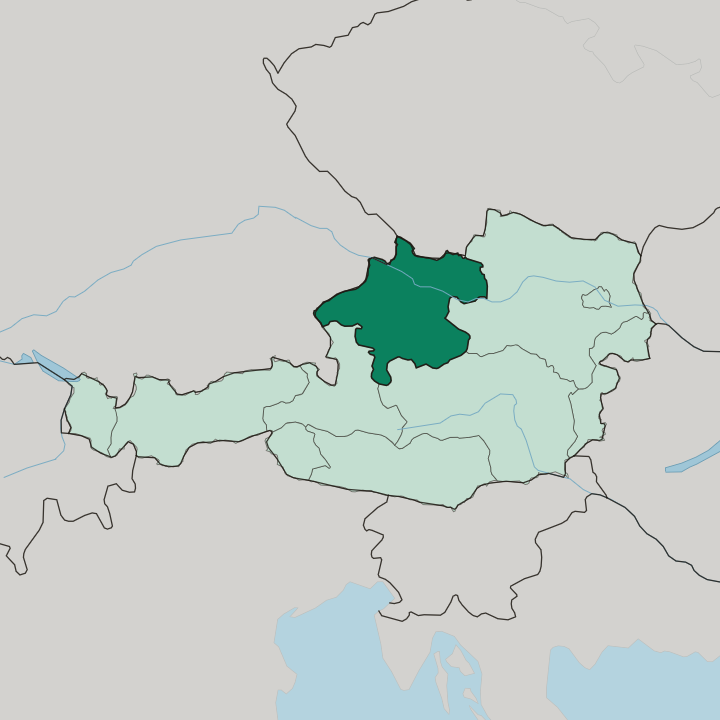
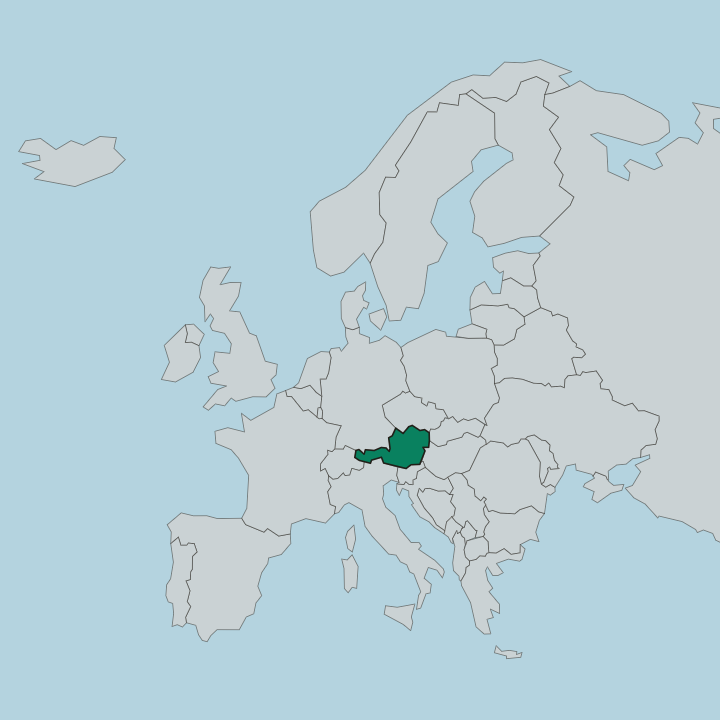
Upper Austria fills the northern belt of Austria, from the German and Czech frontiers down toward the high Alps. It ranks fourth in size. Germany lies along its western edge and the Czech Republic across the north, while Lower Austria sits to the east, Styria to the south-east, and Salzburg to the south-west. The Danube is the axis, crossing the whole state from west to east and passing through Linz on its way toward Vienna.
North of that river the land rises into the Mühlviertel, a worn upland of granite and gneiss that belongs to the ancient Bohemian Massif. The south is a different country of rock and water. There the limestone of the Northern Limestone Alps culminates in the Dachstein, and the lakes of the Salzkammergut fill the valleys between the ridges.
Attersee is the largest of them, with Traunsee and the smaller Hallstätter See close by under the Dachstein wall. Two border rivers frame the state as well. The Inn runs along part of the German boundary in the Innviertel, and the Enns marks the line with Lower Austria north of Steyr.
The Traun gathers the southern lakes and carries their water north to the Danube.
What is Oberösterreich like?
This is Austria's workshop and its concert hall at once. Linz has made steel and machines for generations, and voestalpine still dominates the eastern bank of the Danube there. Yet the same city runs Ars Electronica, the festival and museum that made it a centre for art built out of technology.
Linz was a European Capital of Culture, and it wears both the industrial and the digital sides openly. The composer Anton Bruckner grew up in this landscape. He was born at Ansfelden and learned the organ at the abbey of St. Florian, and his symphonies carry the sound of the region's great churches.
Salt is the older story, and it runs south. The Salzkammergut took its name from the imperial salt estates, and Hallstatt has mined the mineral since prehistoric times above Lake Hallstatt. Steyr keeps a Gothic old town from its centuries as an ironworking city, and later lent its name to the arms and vehicles built at the meeting of the Enns and the Steyr.
Bad Ischl turned imperial patronage into a spa culture that still shapes the town. The language throughout is German. Bavarian dialect colours the everyday speech, softer in the towns and broader up in the Mühlviertel hills.
What is the history of Oberösterreich?
The state's name comes from a river. Austria above the Enns and Austria below the Enns split the old duchy along that stream, and the land here was recorded as the Principality above the Enns in 1264. The Habsburgs held it from the late thirteenth century onward, ruling from Linz and the country houses of the Danube valley.
Its shape kept changing at the western edge. The Innviertel came to Austria only in 1779, taken from Bavaria under the Treaty of Teschen. The modern name Oberösterreich became official in 1918, when the old crownland turned into a state of the new republic.
What is the climate of Oberösterreich?
Upper Austria has a humid continental climate, with cold winters and warm summers and rain spread through the year. Altitude does most of the sorting. The Danube valley around Linz stays the mildest ground, while the Mühlviertel uplands to the north run colder and see more snow in a hard winter.
The Alpine south is wetter and cooler again, and the Salzkammergut lakes draw heavy summer rain off the Dachstein. Summer is the wettest season here, when thunderstorms build over the mountains.
How do you get to Oberösterreich?
Most travellers reach the state through Linz. Its Blue Danube Airport sits southwest of the city at Hörsching, and the main Vienna-to-Salzburg railway runs straight through Linz and Wels, so trains arrive from either capital in about an hour or two. The Danube itself brings river cruises to the Linz quays.
For the lakes, you change onto local trains and buses toward Gmunden and Bad Ischl in the Salzkammergut. Inside the state, road and rail follow the valleys the rivers cut.
Common questions
What is the best area to stay in Oberösterreich?
Linz: arriving in Upper Austria by rail or air. Gmunden: a base for the Salzkammergut lakes. Bad Ischl: the middle of the lake district. Hallstatt: waking beside the Hallstätter See.
Good for
More regions in Austria
Updated September 2026