Belgium · Flanders · Antwerp
Fort Lillo, Antwerp — Area Guide & Where to Stay
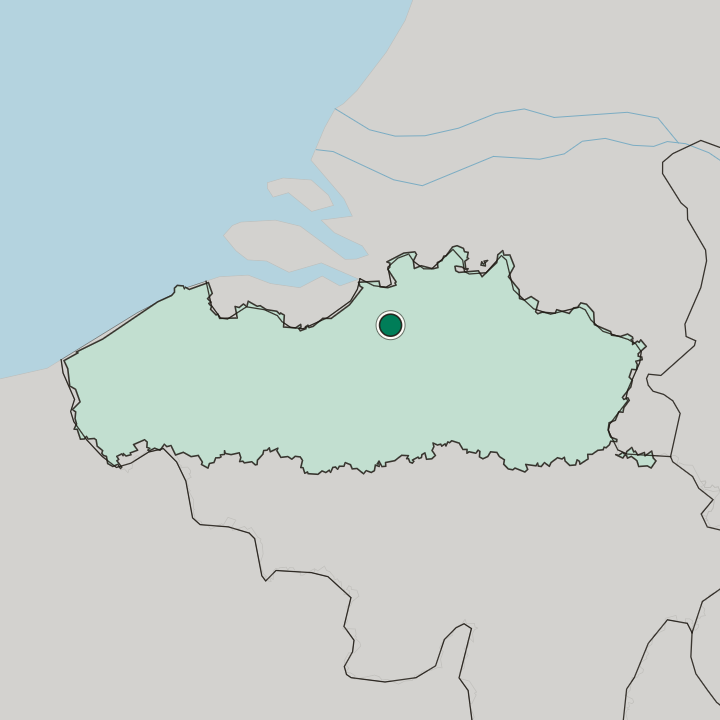
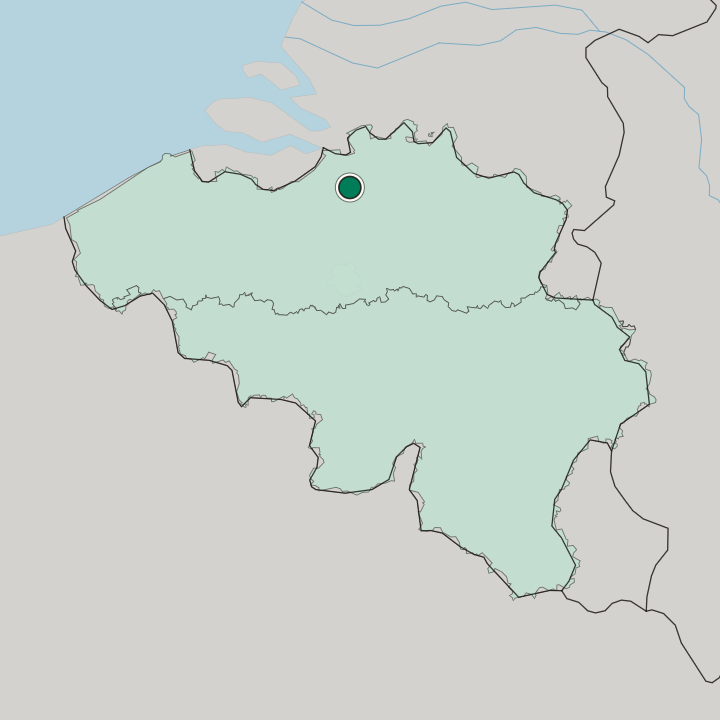
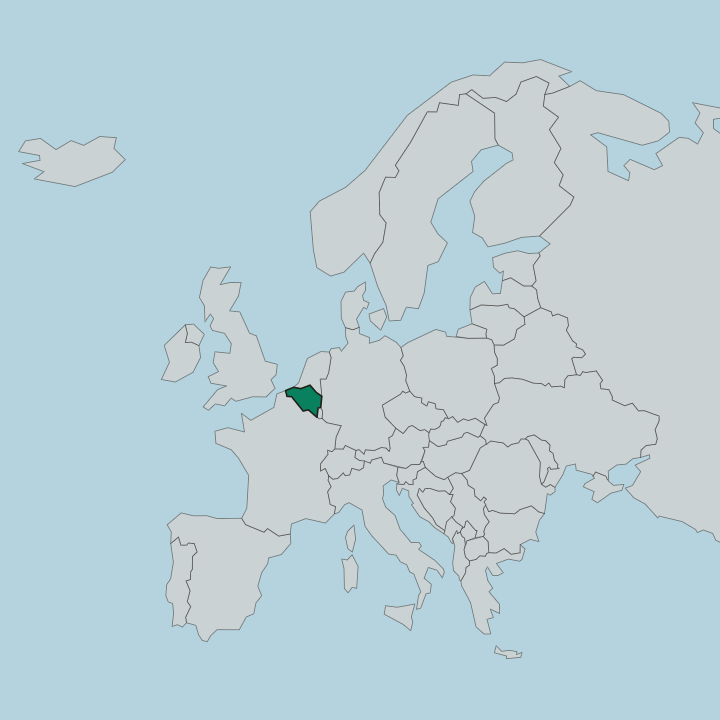
Fort Lillo is a walled village of Antwerp, Belgium, ringed by the industrial port on the right bank of the Schelde.
Hotel links are affiliate links: booking through them may earn us a commission, at no extra cost to you. It never affects how places are ranked. How this works



Where to stay in Fort Lillo
Where visitors usually base themselves, and why.
Beds are scarce inside the fort itself. The village keeps only a handful of small rooms behind its earthwork ramparts, and most travellers bound for Fort Lillo book in Antwerp instead and come out to the polder for the day. Poldermuseum Lillo and the quay fill an easy afternoon.
Anyone wanting river light, polder quiet and the working port at the edge of Antwerp will find the trade-off worth making.
Few places to stay in Fort Lillo — most visitors book in Antwerp nearby.
Find hotels in Fort Lillo
Direct booking search for this neighbourhood.
Hotel links are affiliate links: booking through them may earn us a commission, at no extra cost to you. It never affects how places are ranked. How this works
About Fort Lillo
What are the main landmarks in Fort Lillo?
Three buildings hold the village together. Saint Benedict church stands among the low brick houses inside the ramparts of Fort Lillo, the parish anchor of a settlement that the port grew around rather than swallowed. Poldermuseum Lillo, housed in one of those buildings, keeps the record of the drained polder land and the Schelde beyond the dike.
A third church, the Onze-Lieve-Vrouw-Hemelvaartkerk, serves the same polder parishes. Nothing here is monumental.
What is the history of Fort Lillo?
The fort dates from 1573. It went up on the right bank of the Schelde as one link in the Antwerp Defence Line, the ring of works built to hold the river approach to the city. Military use ended long ago.
What survives is the village plan inside the earthworks, kept whole while the industrial port of Antwerp closed in on every side.
Where is Fort Lillo?
Flat polder land runs behind the dike, and Fort Lillo keeps its ramparts and narrow lanes with the Schelde on one side and the docks of Antwerp on the other.
Common questions
What is the best area to stay in Fort Lillo?
Inside the Fort Lillo ramparts: sleeping behind the earthworks a minute from Poldermuseum Lillo. Antwerp city centre: a full run of hotels with the polder kept as a day trip.
Good for
More areas in Antwerp
Updated October 2026