Belgium: Regions, Cities & Travel Guide
Belgium is a low-lying country in northwestern Europe, its capital Brussels seat of the European Union, wedged between the North Sea and the Ardennes.
Hotel links are affiliate links: booking through them may earn us a commission, at no extra cost to you. It never affects how places are ranked. How this works


Top destinations in Belgium
Cities to start from, then drill into areas and hotels.

 Belgium
Antwerp
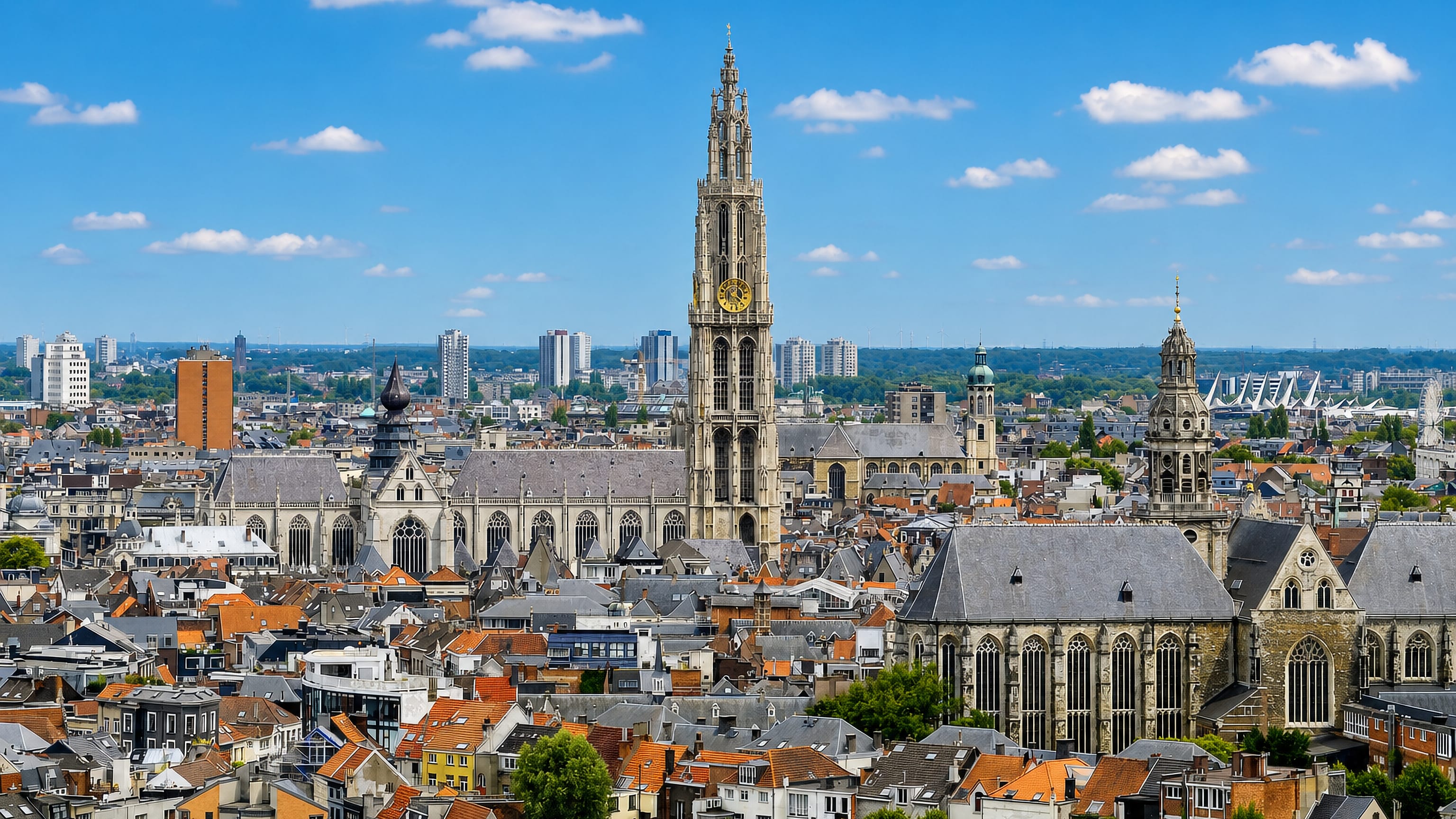
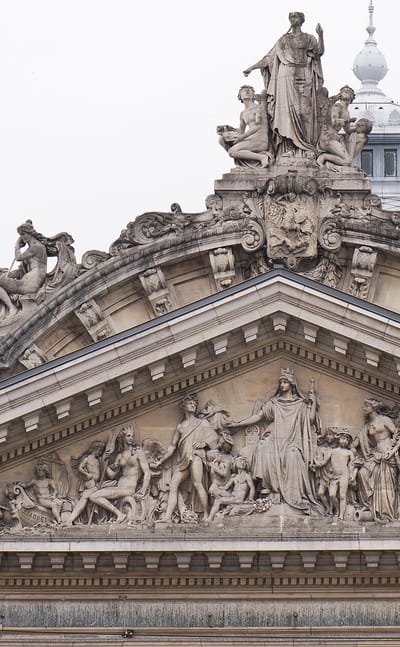
The Onze-Lieve-Vrouwekathedraal stands over the old core of Antwerp, a major European port in Flanders, Belgium, known for diamonds and the Rubenshuis.Where to stay →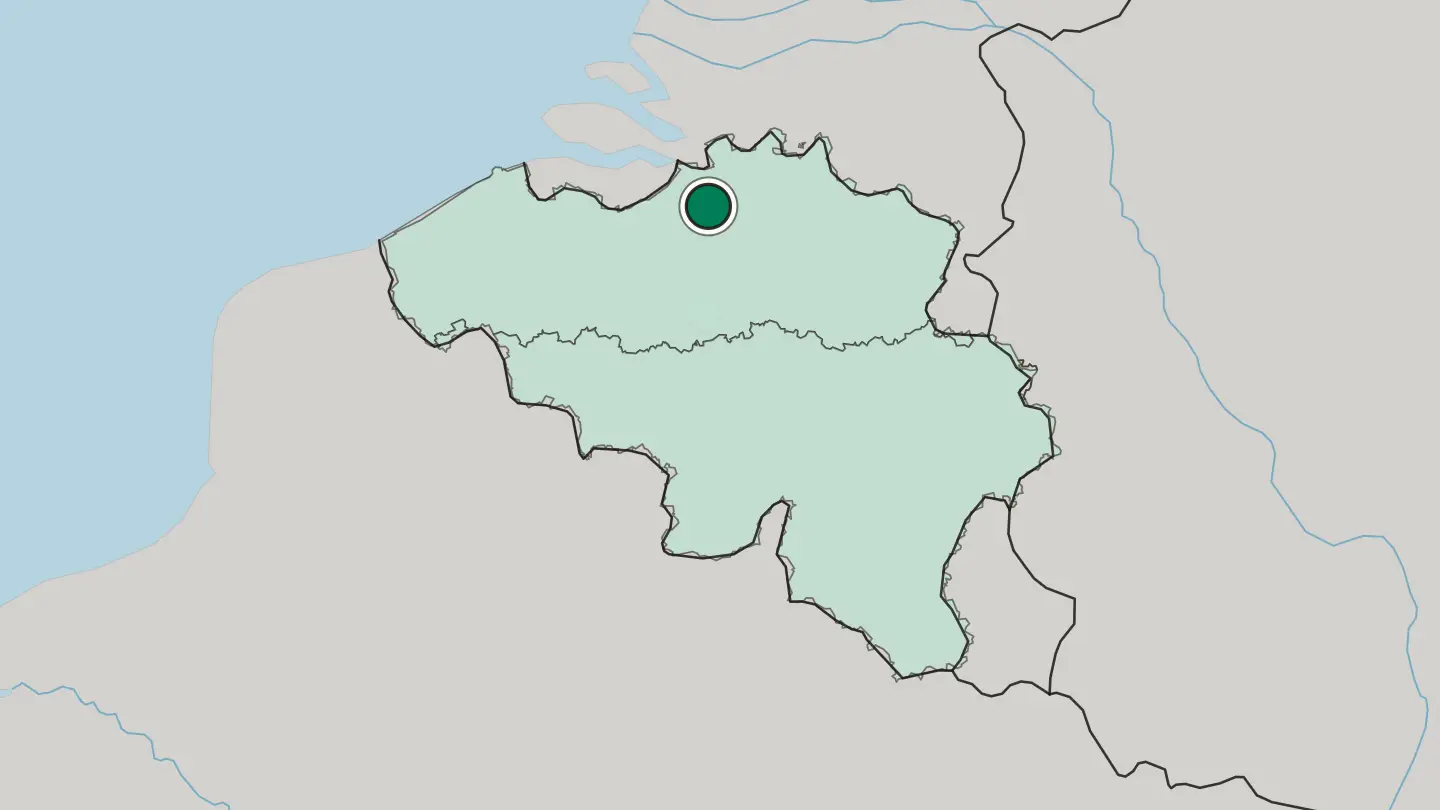
 Belgium
Brussels
Brick and stone frame the old streets of Brussels, capital of Belgium and seat of the core institutions of the European Union.Where to stay →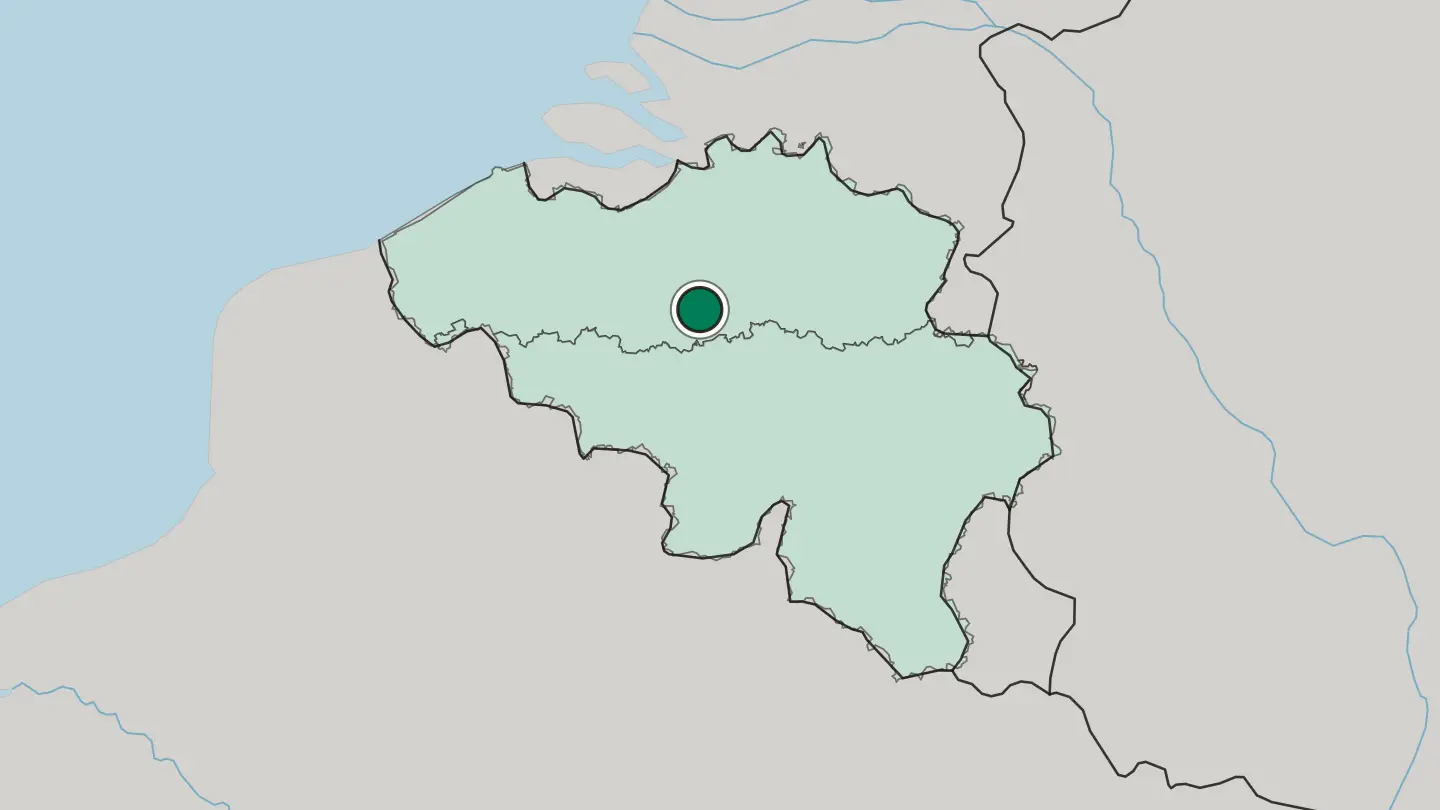
 Belgium
Brugge
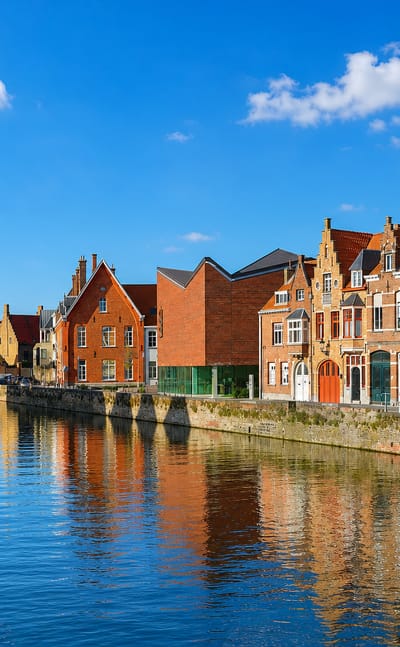
Canals thread the old streets of Brugge, capital of West Flanders in the Flemish Region of Belgium, known for its Belfry and medieval core.Where to stay →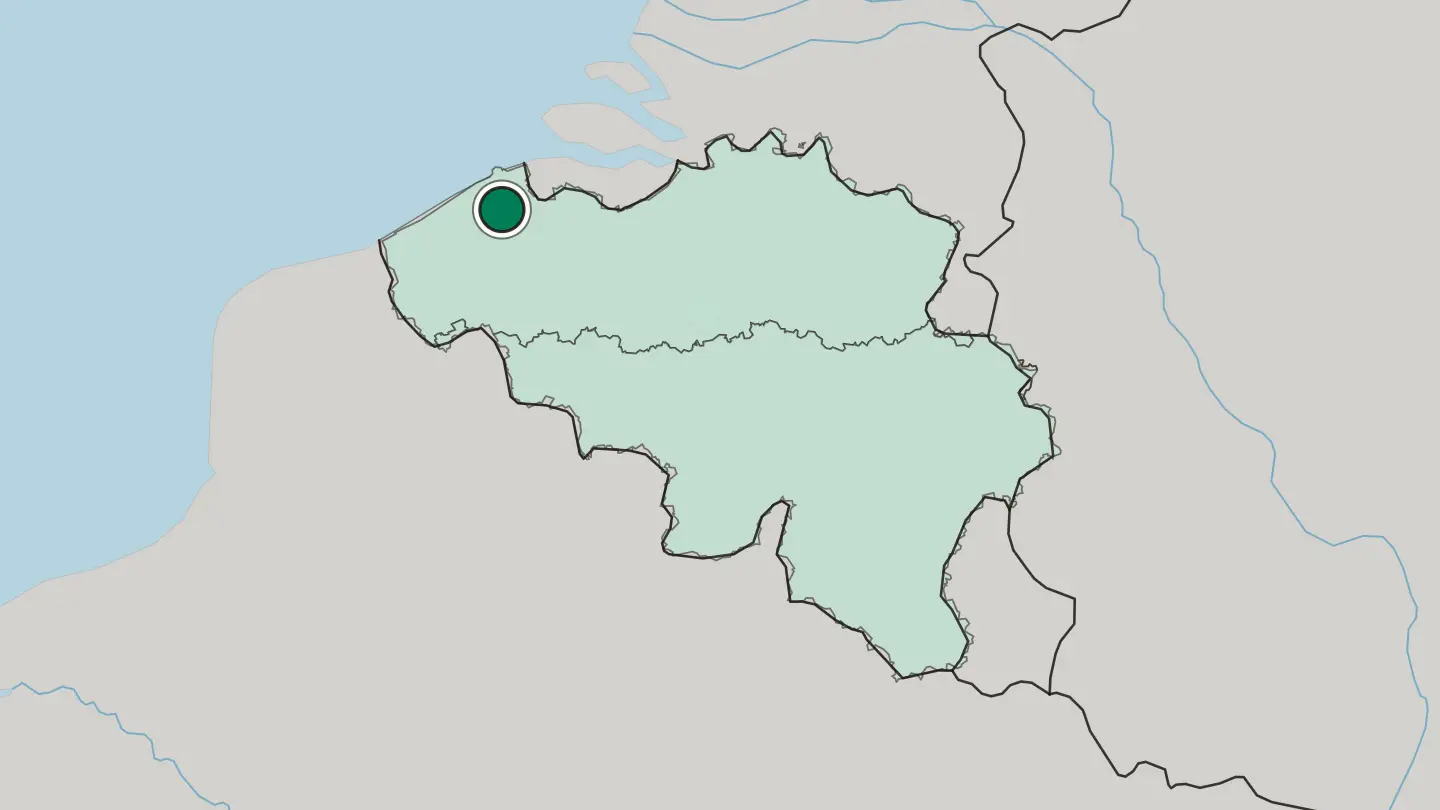
 Belgium
Gent
Gent, or Ghent, is the port and university capital of East Flanders, with the Belfry of Ghent and St Bavo's Cathedral in its car-free core.Where to stay →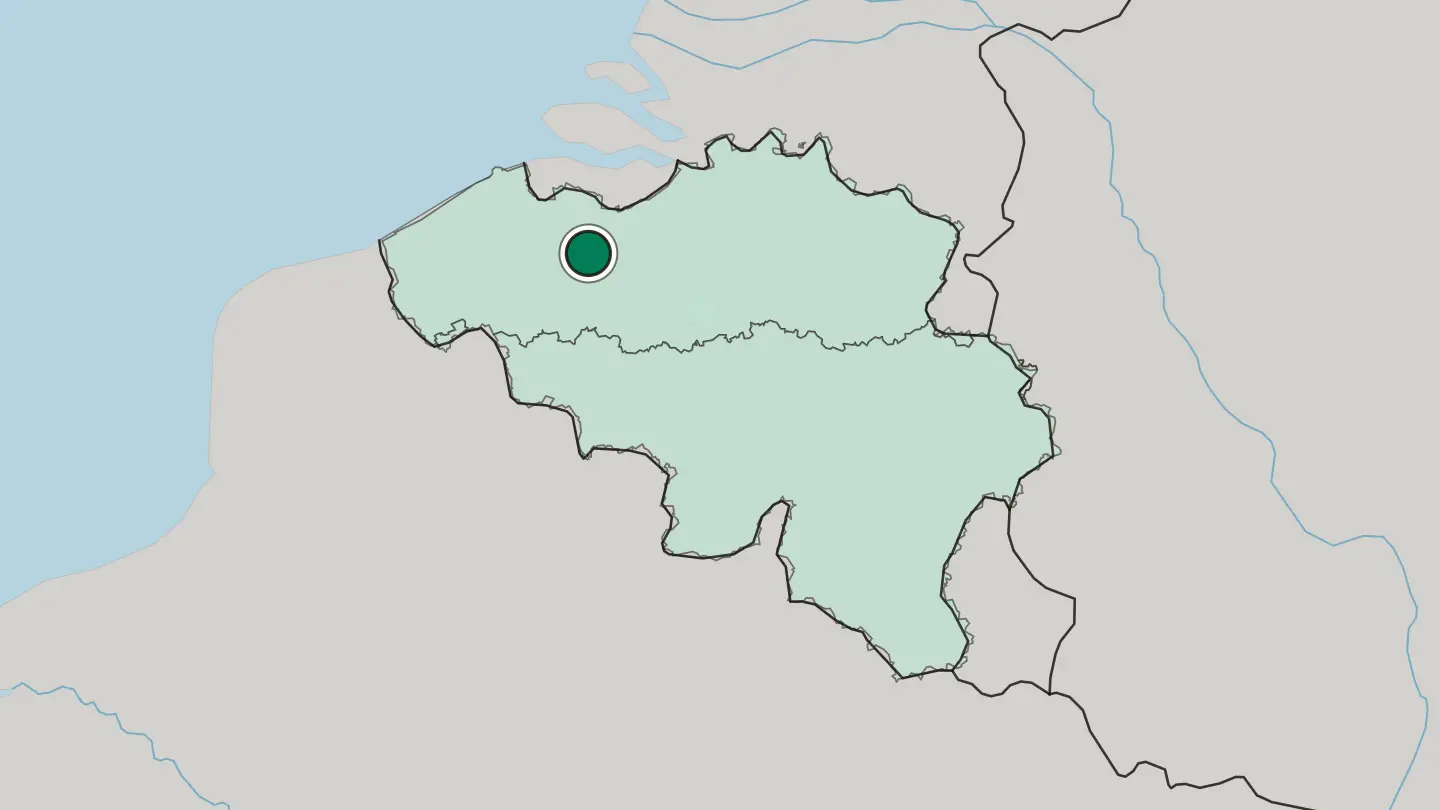
 Belgium
Liège
Liège fills the valley of the Meuse where the Ourthe comes in, a cathedral city and the working heart of Wallonia since around 800.Where to stay →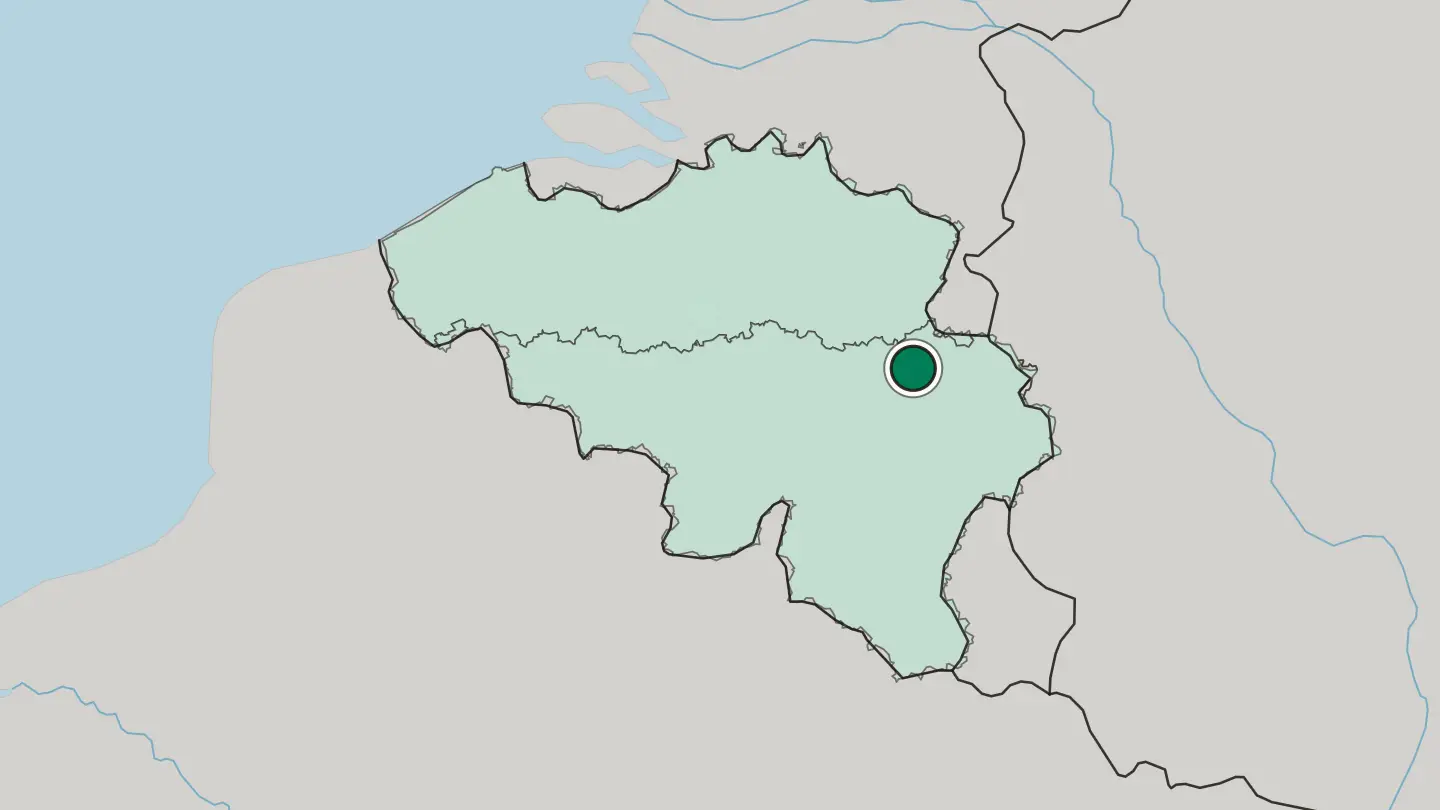
 Belgium
Leuven
Leuven, also called Louvain, is the Flemish Brabant capital built around a university founded in 1425 and a long line of monasteries.Where to stay →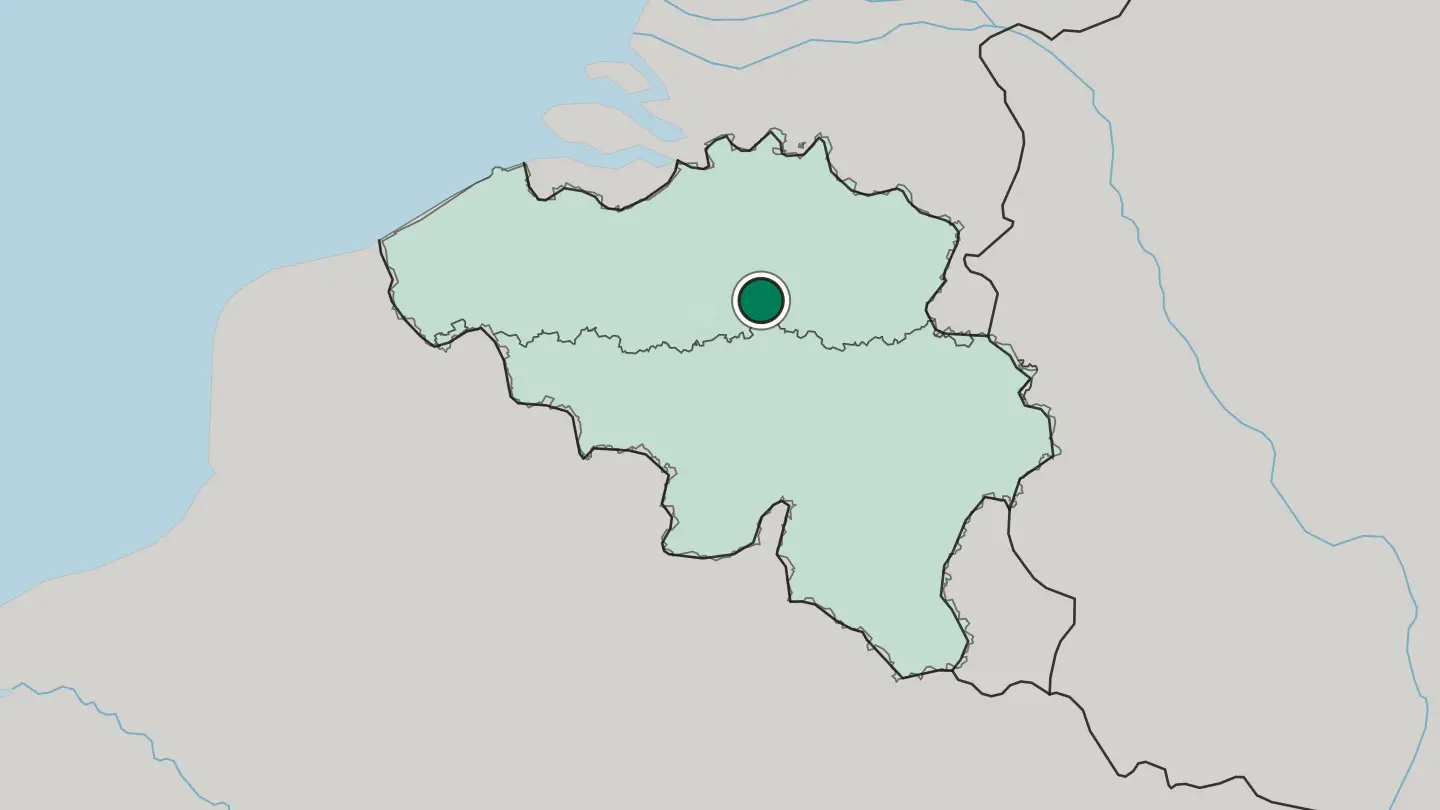
 Belgium
Charleroi
Charleroi stands on the Sambre in Hainaut, the largest city of Wallonia and a former mining town under the belfry that marks its centre.Where to stay →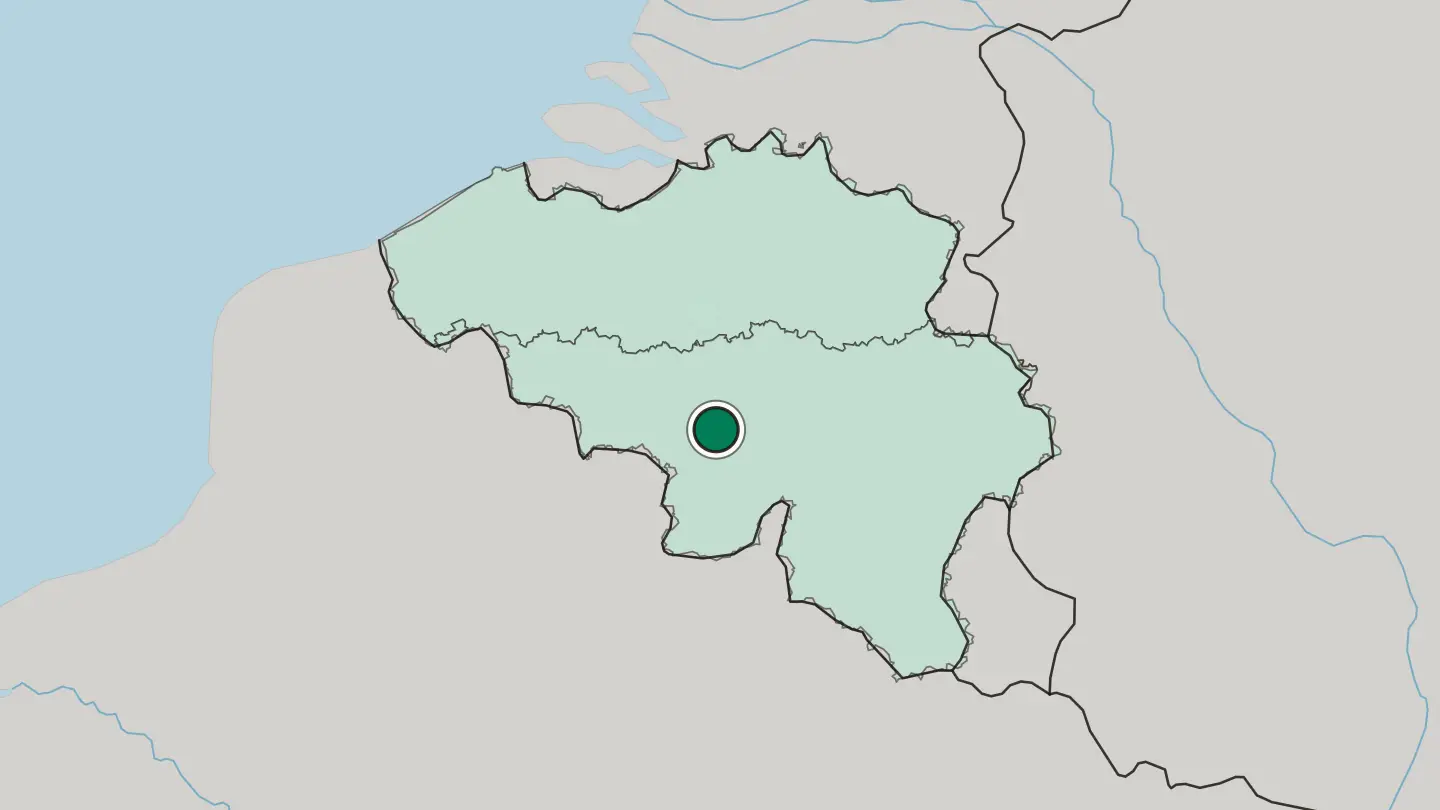
 Belgium
Ostend
Ostend, officially Oostende, is the largest city on the Belgian coast: a North Sea resort and cargo port chartered in 1265.Where to stay →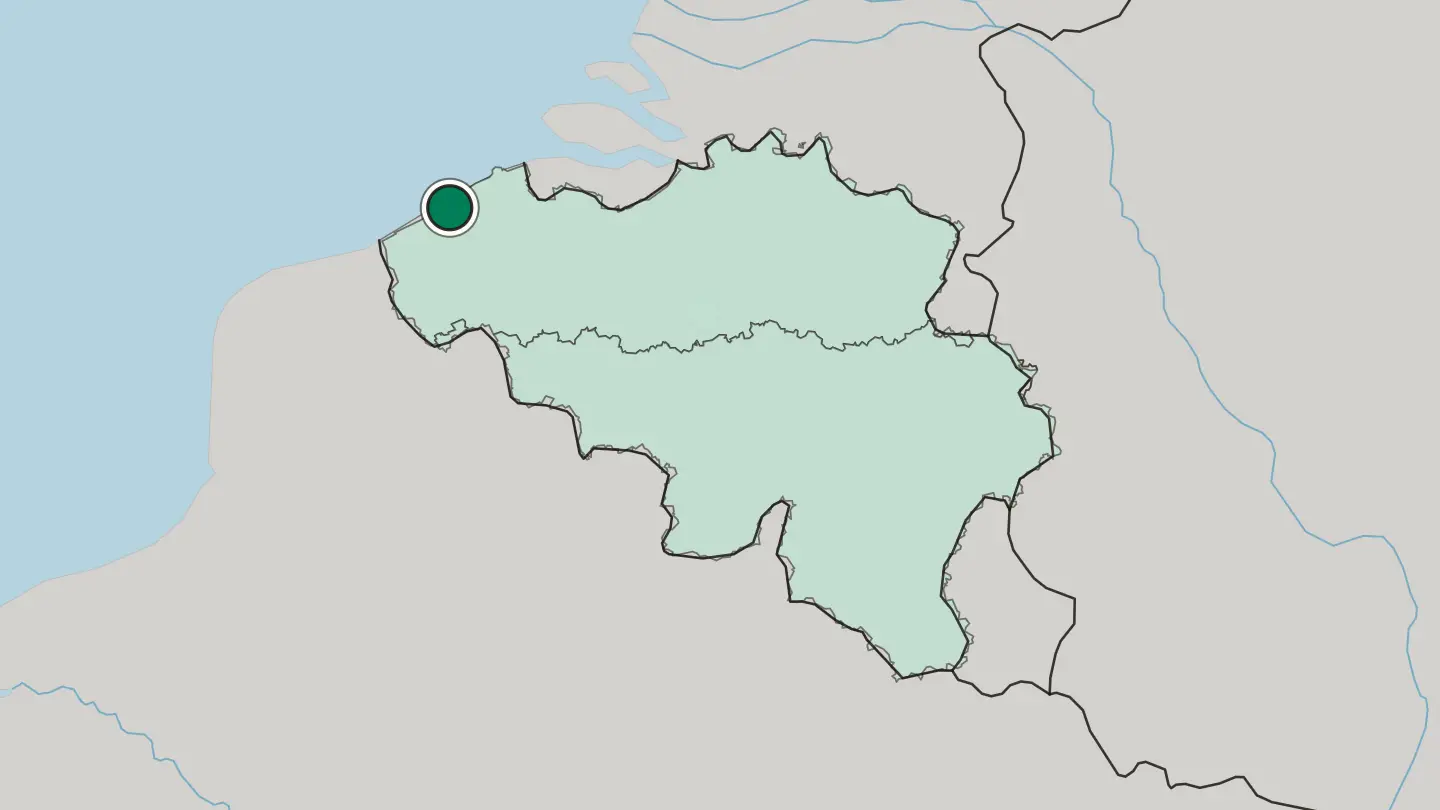
 Belgium
Mechelen
Mechelen, the Dijlestad, stands on the river Dyle in the centre of Flanders, under St. Rumbold's Cathedral and its carillon.Where to stay →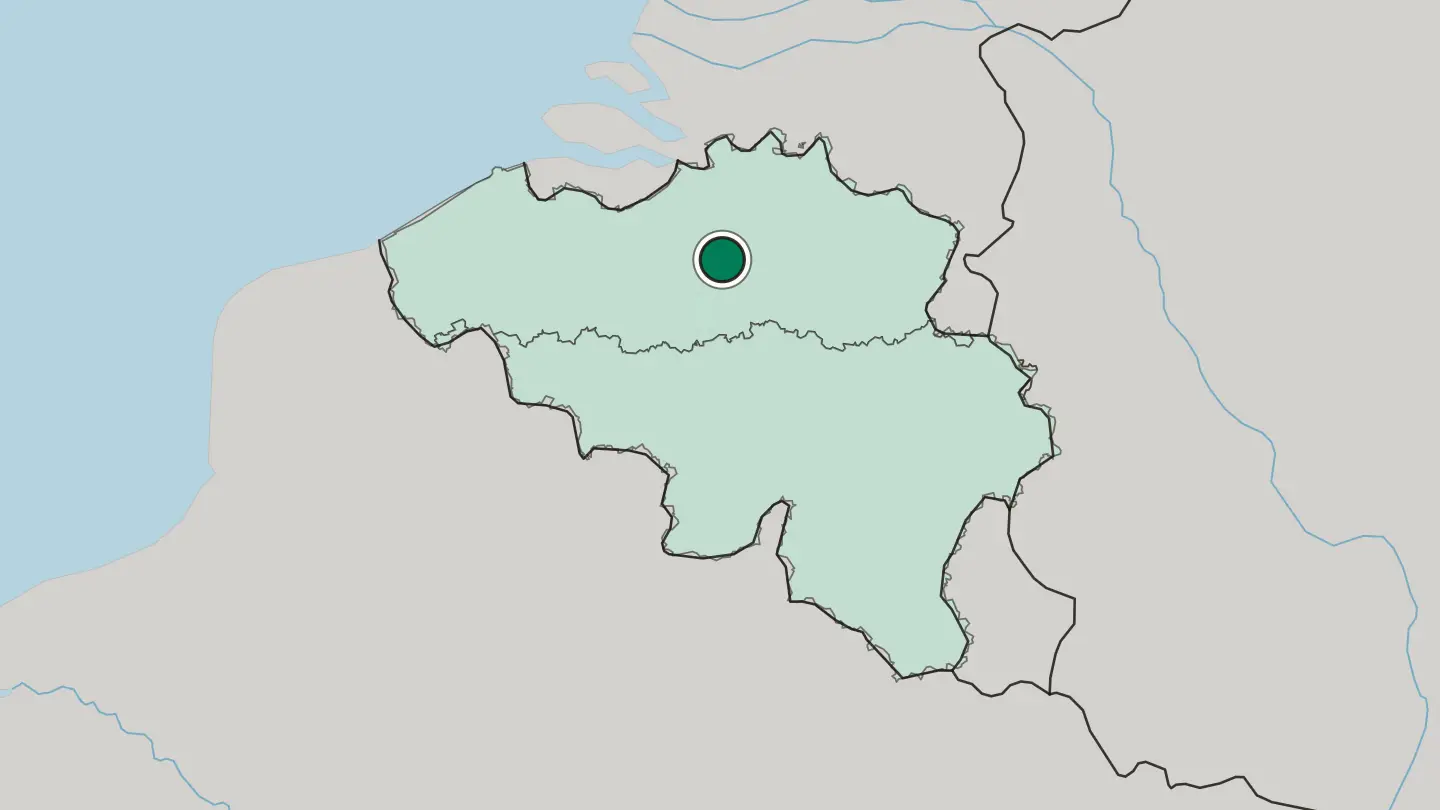
Hotel links are affiliate links: booking through them may earn us a commission, at no extra cost to you. It never affects how places are ranked. How this works
Regions of Belgium
Belgium
Bruxelles-Capitale
The Brussels-Capital Region gathers 19 municipalities around the City of Brussels, a bilingual region set in the central portion of Belgium.Towns & cities →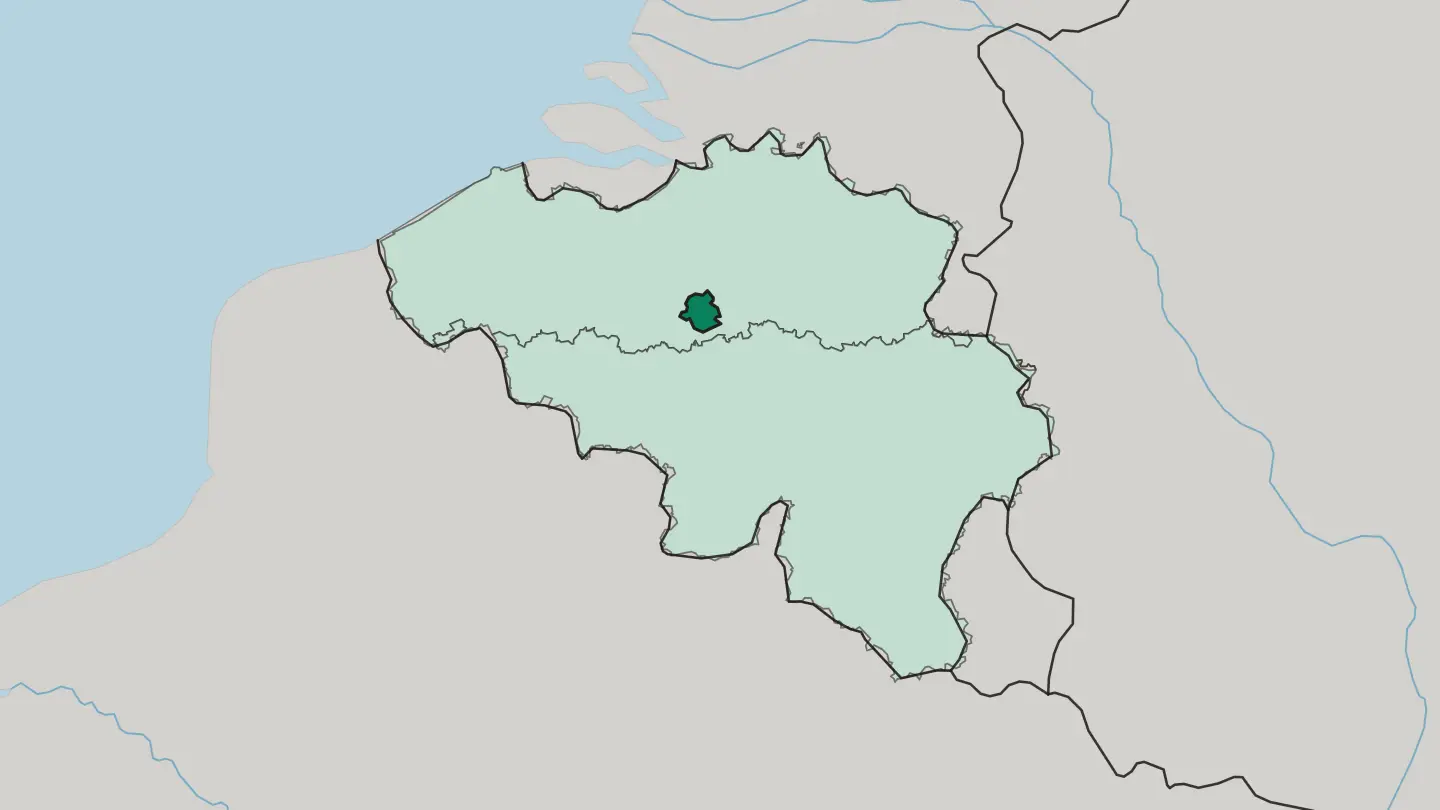 Belgium
Flanders
Flanders is the Dutch-speaking northern part of Belgium, a flat, coastal region reaching from the North Sea toward the Netherlands.Towns & cities →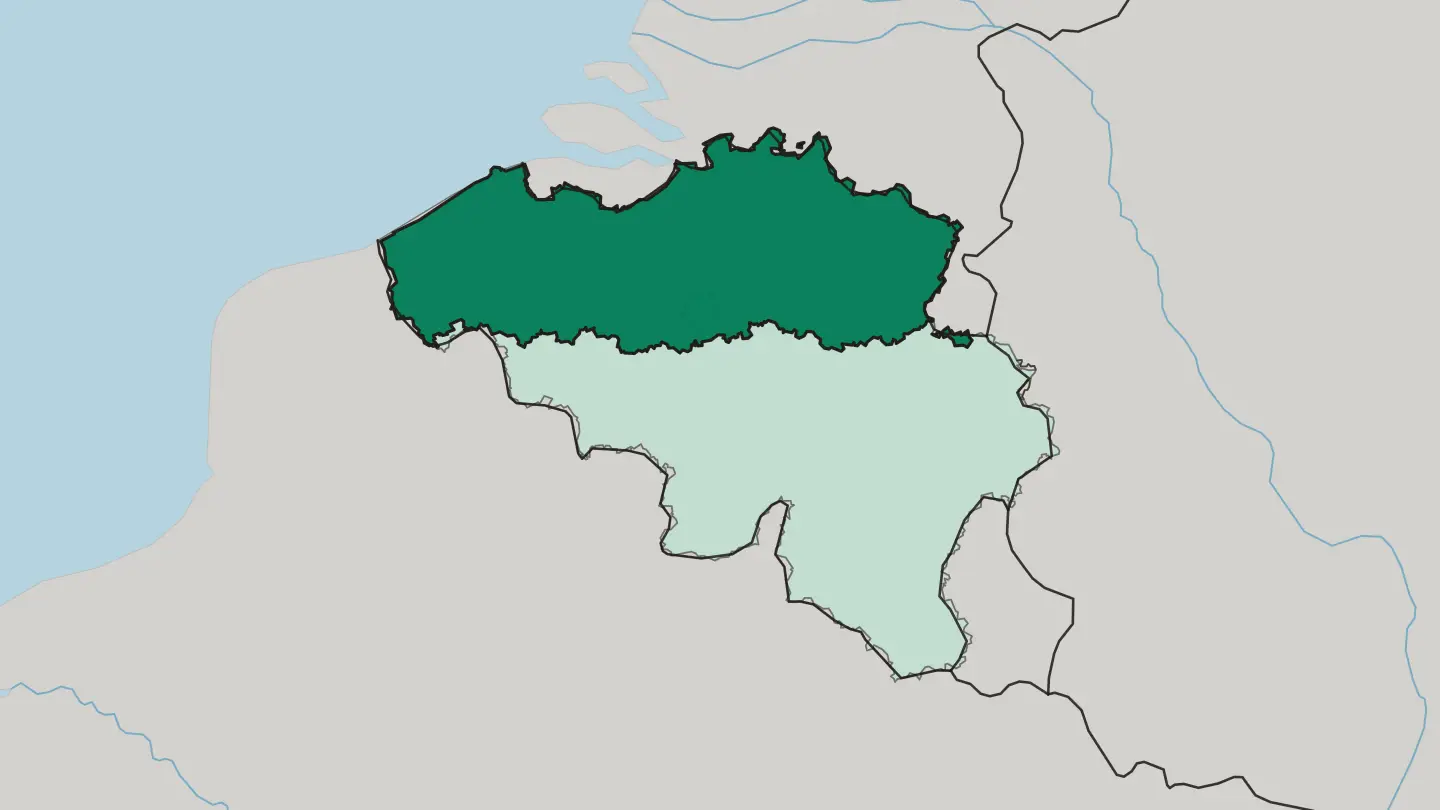 Belgium
Wallonia
Wallonia, officially the Walloon Region, is the French-speaking one of Belgium's three regions, covering more than half the country's territory.Towns & cities →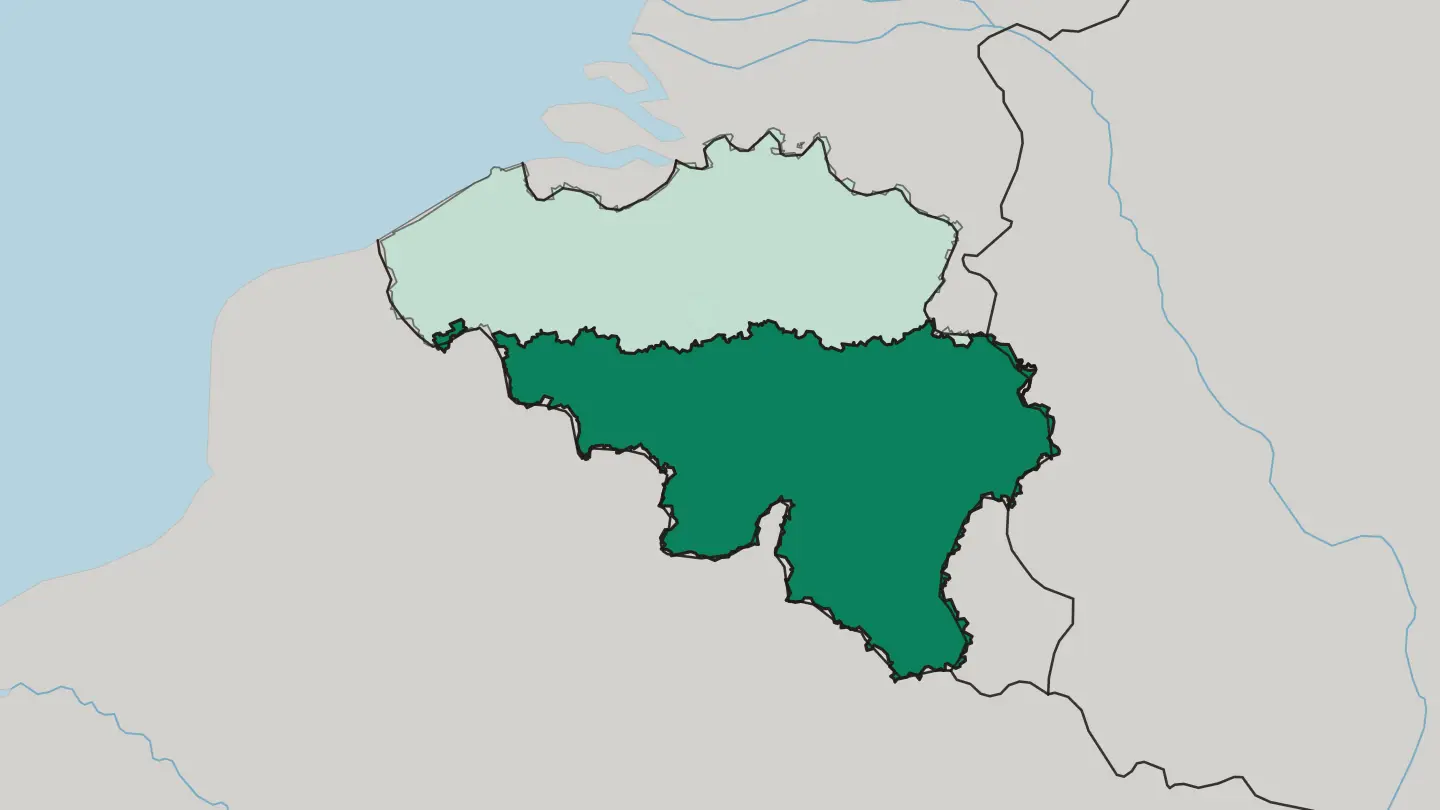
Explore by experience
Not sure which place? Start from how you want to travel.
About Belgium
What is Belgium known for?
Belgium packs an outsized share of Europe's history into a small map. Its medieval cloth towns still stand. The canal-laced lanes of Bruges, the guild houses of Ghent, and the diamond quarter of Antwerp trace a run of Flemish wealth that once rivalled any city on the continent.
Brussels holds the European Union and NATO. To the south, the forested Ardennes rise toward the plateau. Beer, chocolate, and frites do the rest.
Where is Belgium?
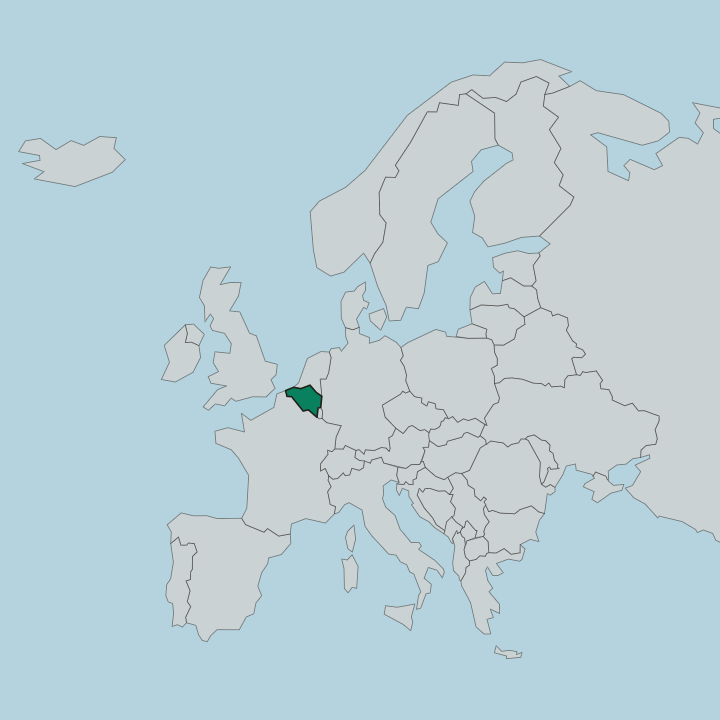
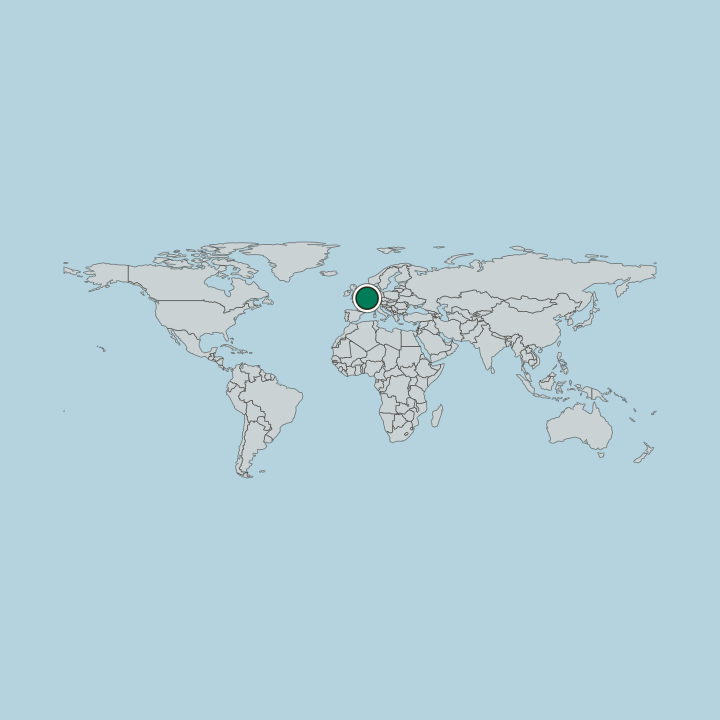
Belgium sits in the Low Countries, a small nation hemmed in by the Netherlands, Germany, Luxembourg, France, and a short stretch of the North Sea. Belgium's ground slopes across the country. It falls in three broad steps from the sandy coast in the north-west to the high moorland of the south-east.
Behind the flat coastal polders spreads the central plateau, a fertile belt of loam where most of the towns and farms sit, drained by two great rivers that order the whole country. The Scheldt gathers the west, running from France through Ghent and past the port of Antwerp before it reaches the sea. The Meuse cuts the east, entering near the French border, curving through Namur and Liège on its way toward the Netherlands.
Beyond the Meuse the ground climbs. The Ardennes fill the south-east with dense forest, deep wooded canyons, and rolling ridges that lift toward the boggy High Fens plateau, where the Signal de Botrange marks the highest point in the country at 694 metres. Between the coast and that upland lie the old Flemish plains and the Walloon hills.
It is a short country to cross, yet it holds real range.
What is the history of Belgium?
Belgium is a young state on very old ground. Its cities are far older than its borders. In the Middle Ages the Flemish towns of Bruges, Ghent, and Ypres grew rich weaving English wool into cloth, and by the 14th century Bruges ranked among the busiest trading ports in Europe.
Wealth drew rulers. Under the Dukes of Burgundy and later the Habsburgs, the region became one of the most urbanised and prosperous corners of the continent, its painters and merchants famous from Russia to North Africa. Antwerp took the crown next, its harbour on the Scheldt handling the trade of a whole empire.
Then came the long tug of war. For centuries the Low Countries were fought over by Spain, Austria, France, and the Dutch, and in 1815 the powers meeting at the Congress of Vienna handed the southern provinces to the Netherlands after Napoleon's defeat just south of Brussels at Waterloo. That union did not hold.
Revolution broke out in Brussels in 1830, and Belgium declared its independence as a kingdom, drawing a border that has held ever since. Two world wars later crossed this ground hard. Out of that history came the modern role: Brussels as host to the European Union.
What is Belgium like?
Belgium runs on three languages and no single national one. The north speaks Dutch, the south French, and a small eastern strip along the German border speaks German, a split that shapes everything from politics to street signs. Flanders and Wallonia carry distinct identities.
Yet a shared table pulls the country together, and few nations take food and drink more seriously than this one. Belgian beer is a world unto itself, with more than a thousand varieties poured in the brasseries, from Trappist ales brewed by monks to sour lambics fermented near Brussels. Chocolate is a craft here.
The praline, a filled chocolate, was invented in Brussels in 1912, and frites are fried twice and served with a wall of sauces. Then there are the waffles, split by city into the crisp Liège style and the lighter Brussels one. Belgium also more or less invented the modern comic strip.
Hergé's Tintin, the Smurfs, and Lucky Luke all came from here, and murals of them climb the walls of the capital. Art Nouveau façades, Gothic belfries, and Baroque squares fill the old centres. Culture here is regional, plural, and worn lightly.
What is the climate of Belgium?
Belgium has a mild maritime climate shaped by the North Sea. Winters are cool and grey rather than hard, summers warm without ever turning fierce, and rain falls in most months across the whole country. The coast stays damp and breezy.
Inland, the Ardennes run colder and wetter, and the High Fens plateau holds snow well into spring long after the coast has thawed. Grey skies keep the land green.
How do you get to Belgium?
Belgium is one of Europe's easiest countries to reach. Most travellers arrive through Brussels, whether by air into the main airport at Zaventem or by high-speed rail. Trains make the difference here.
Eurostar and Thalys services link Brussels directly to London, Paris, Amsterdam, and Cologne in a few hours, and the dense domestic network puts Bruges, Ghent, Antwerp, and Liège within easy reach of the capital. Once inside the country, distances are short. You are rarely more than an hour from the next city.
Updated September 2026