Belgium
Flanders, Belgium — Towns & Travel Guide
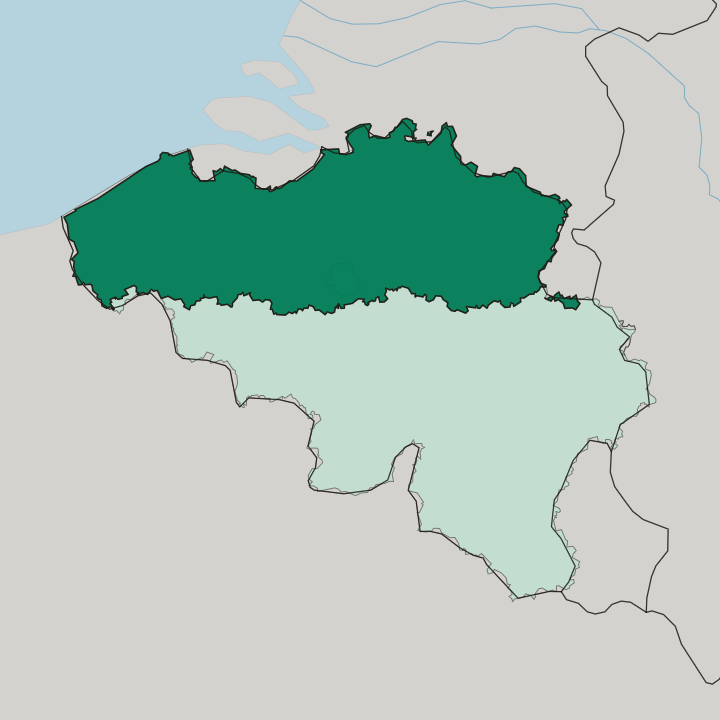
Flanders is the Dutch-speaking northern part of Belgium, a flat, coastal region reaching from the North Sea toward the Netherlands.
Hotel links are affiliate links: booking through them may earn us a commission, at no extra cost to you. It never affects how places are ranked. How this works


Towns & cities in Flanders
Pick a town or city — each links to where to stay.

 Belgium
Antwerp
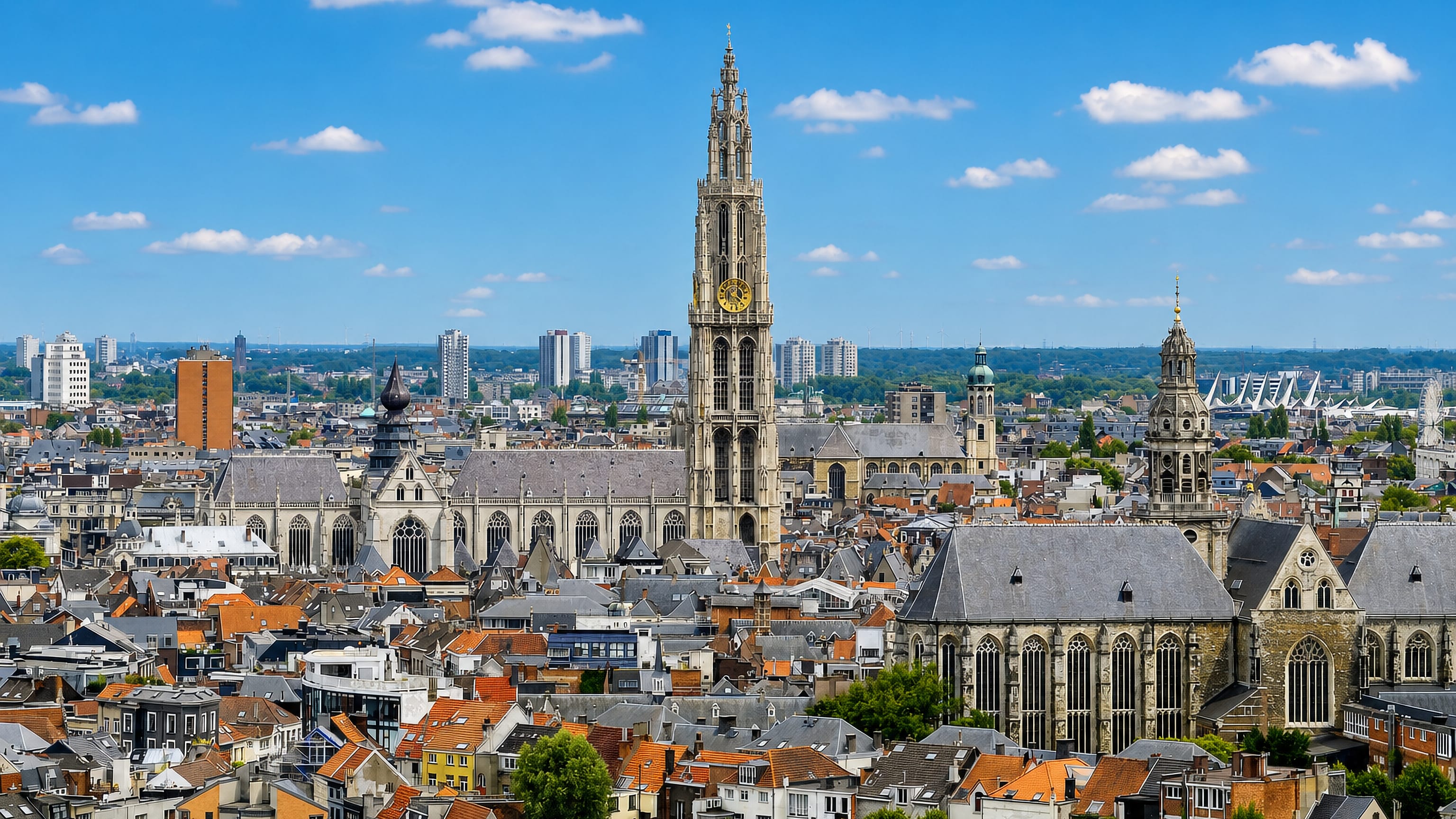
The Onze-Lieve-Vrouwekathedraal stands over the old core of Antwerp, a major European port in Flanders, Belgium, known for diamonds and the Rubenshuis.Where to stay →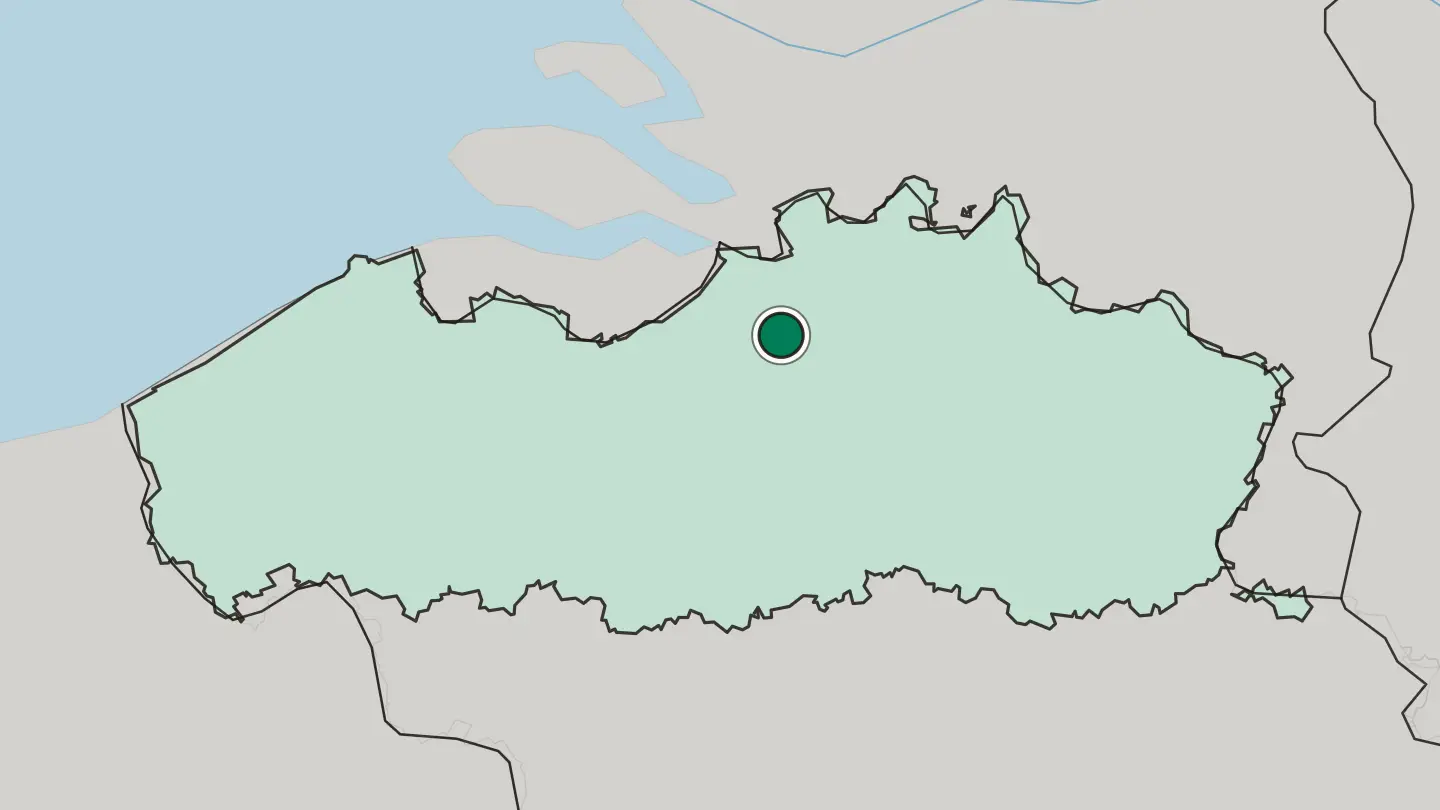
 Belgium
Gent
Gent, or Ghent, is the port and university capital of East Flanders, with the Belfry of Ghent and St Bavo's Cathedral in its car-free core.Where to stay →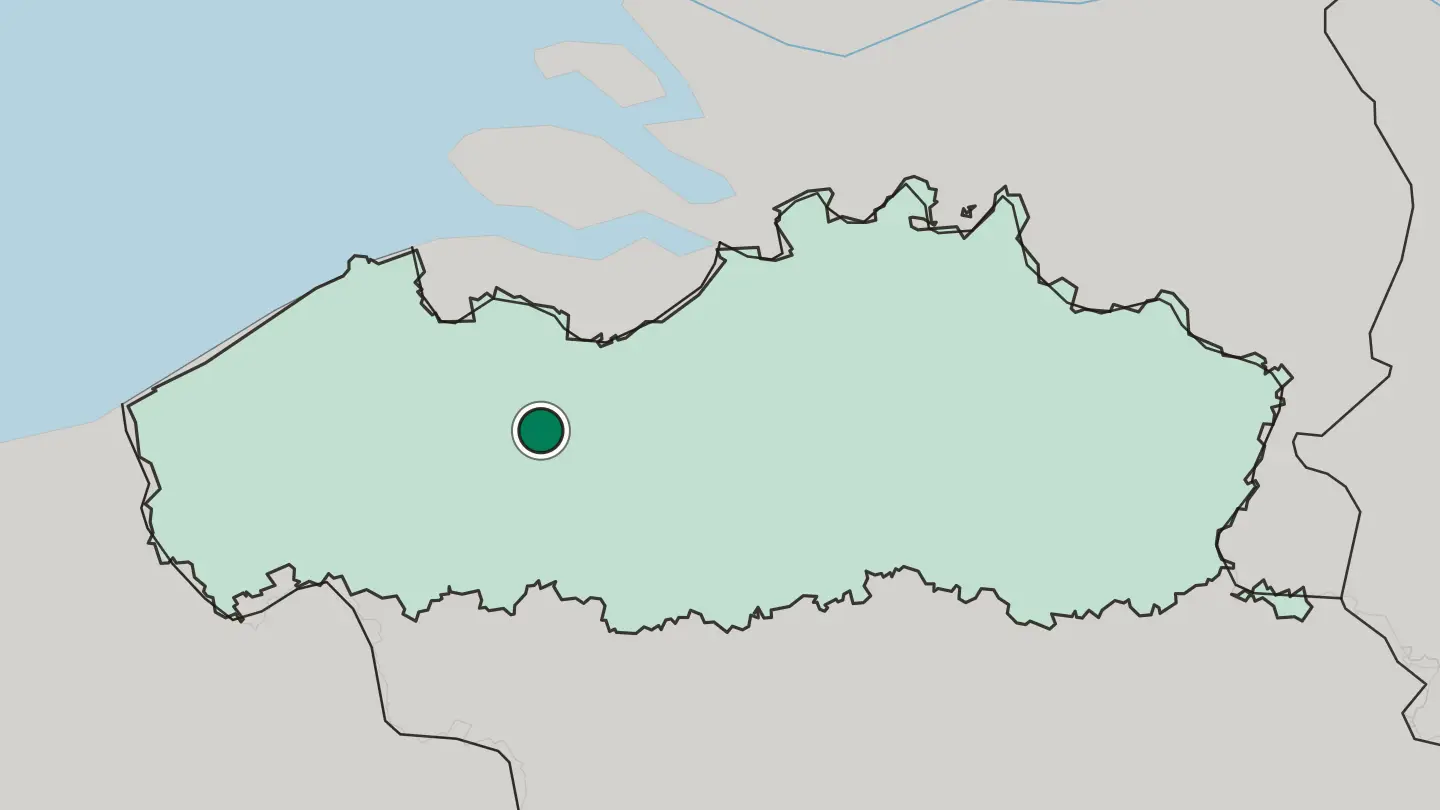
 Belgium
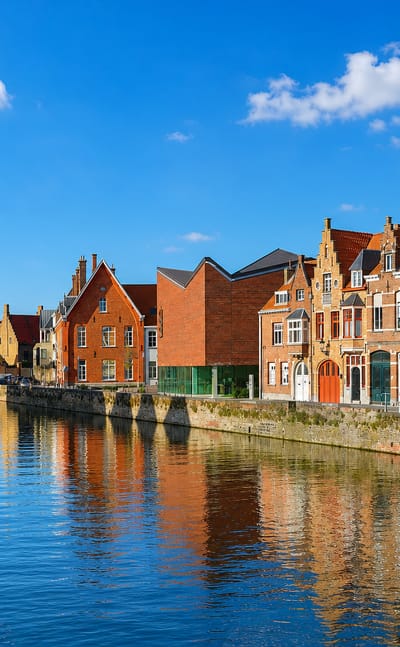
Brugge
Canals thread the old streets of Brugge, capital of West Flanders in the Flemish Region of Belgium, known for its Belfry and medieval core.Where to stay →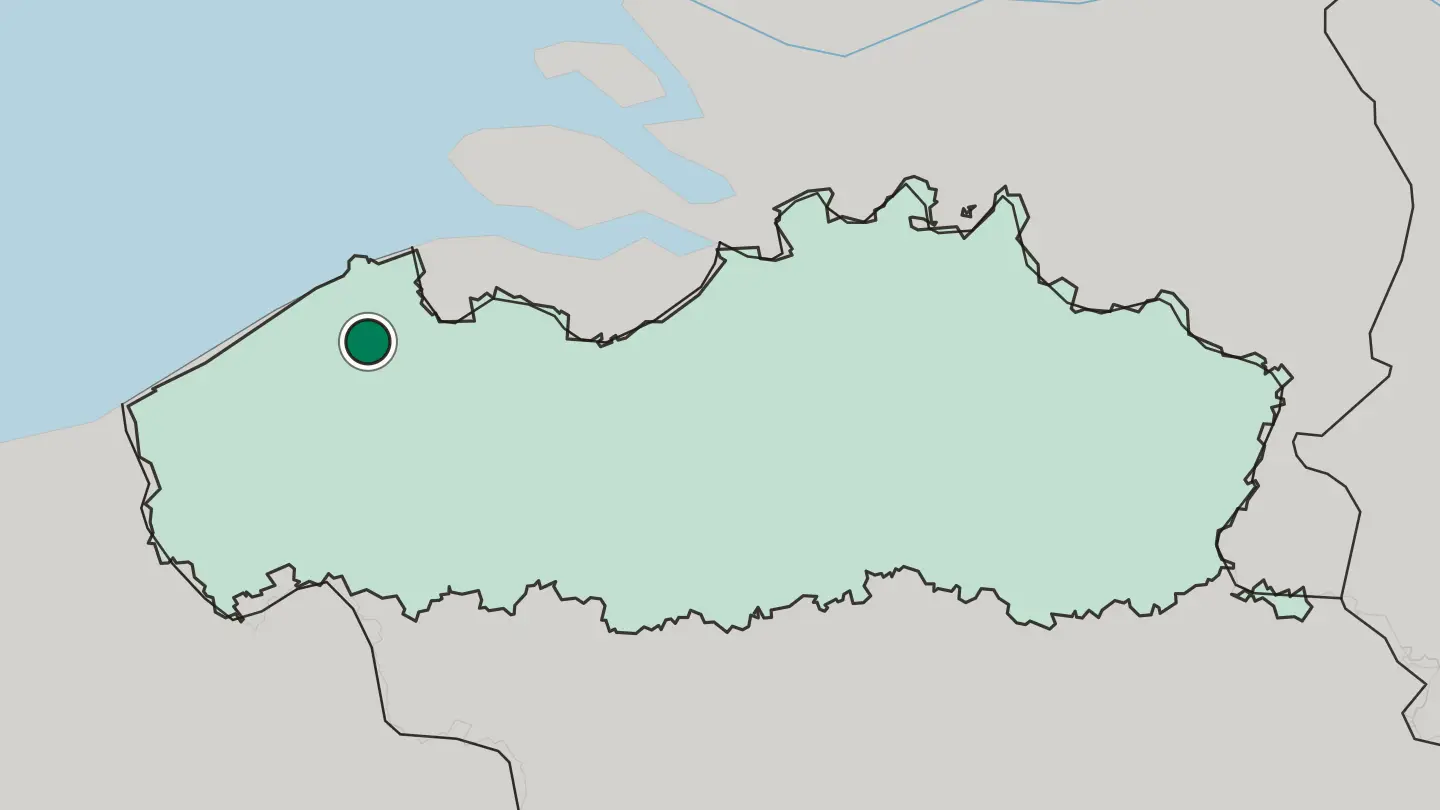
 Belgium
Leuven
Leuven, also called Louvain, is the Flemish Brabant capital built around a university founded in 1425 and a long line of monasteries.Where to stay →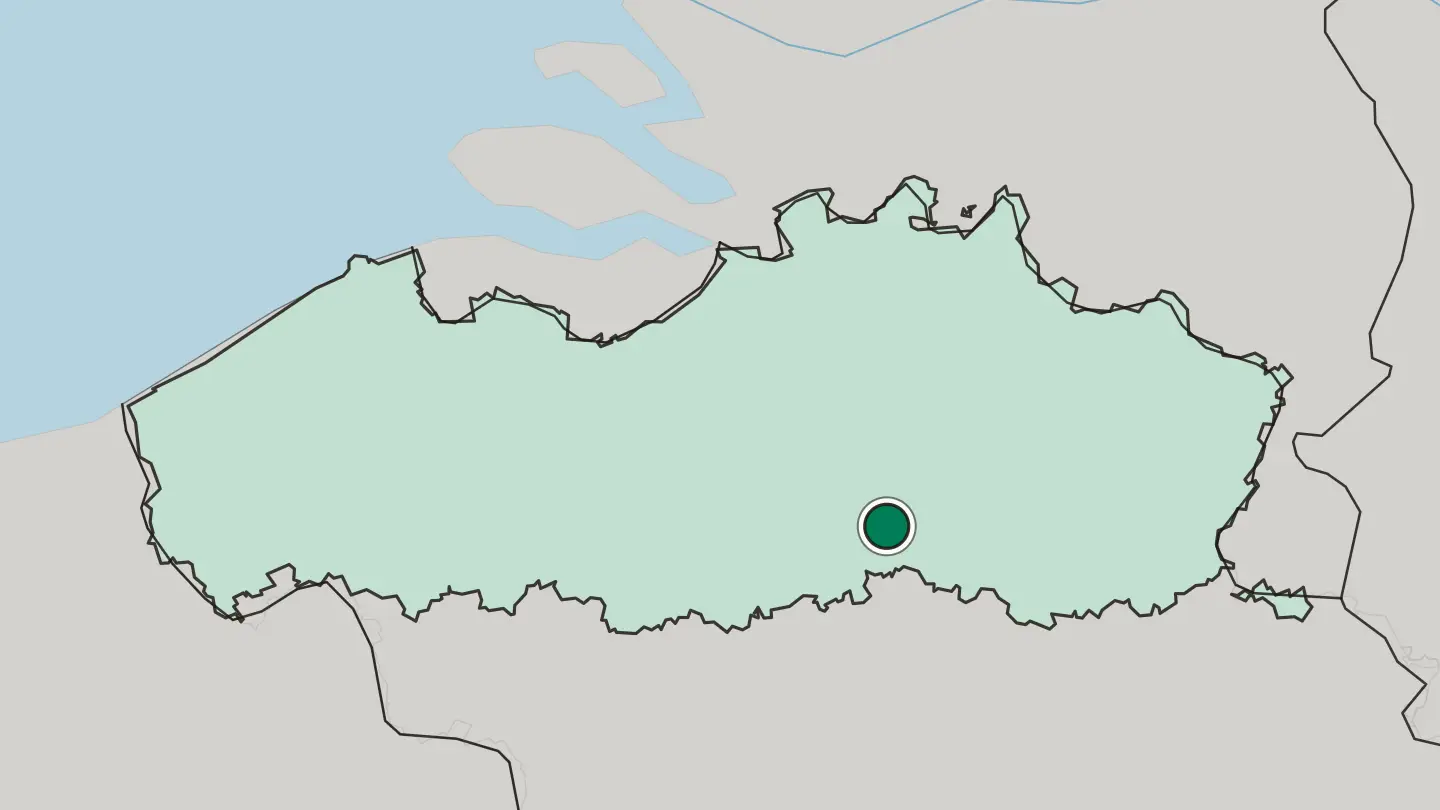
 Belgium
Aalst
Aalst is a Dender River city in East Flanders, lying between Brussels and Ghent, with eight villages inside its municipal bounds.Where to stay →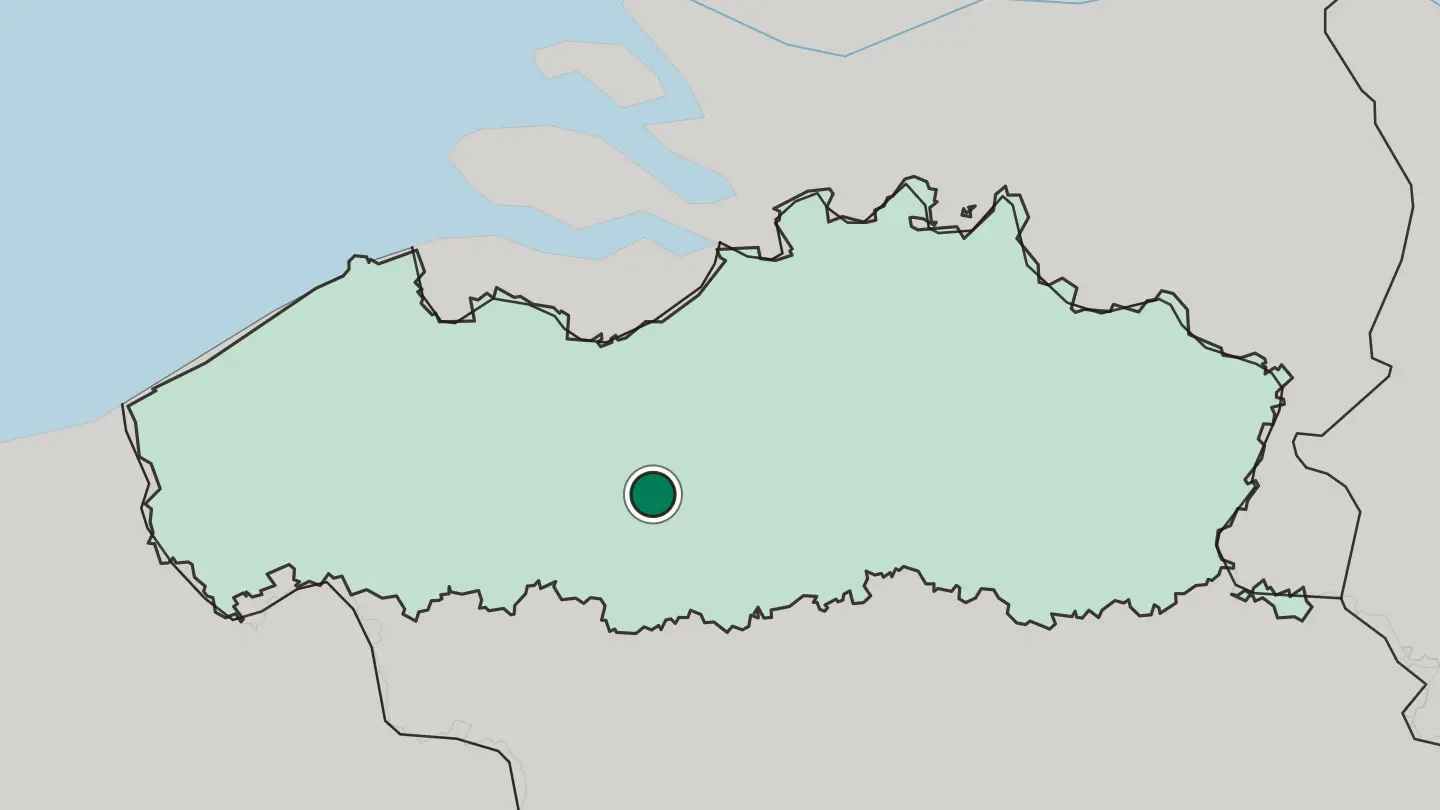
 Belgium
Mechelen
Mechelen, the Dijlestad, stands on the river Dyle in the centre of Flanders, under St. Rumbold's Cathedral and its carillon.Where to stay →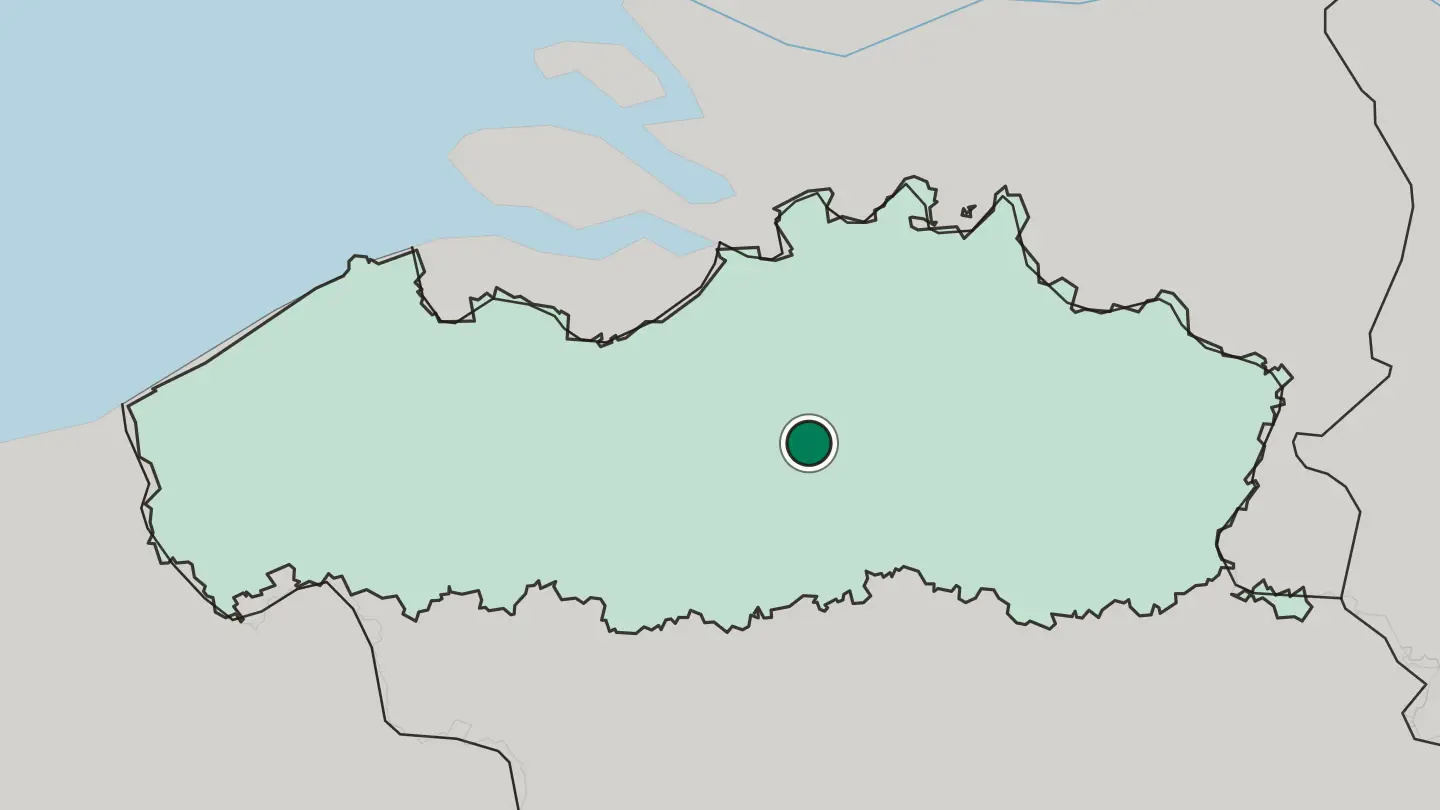
 Belgium
Kortrijk
Kortrijk, known in English as Courtrai, is the West Flanders city of the Broel Towers, the belfry and the béguinage of Courtrai.Where to stay →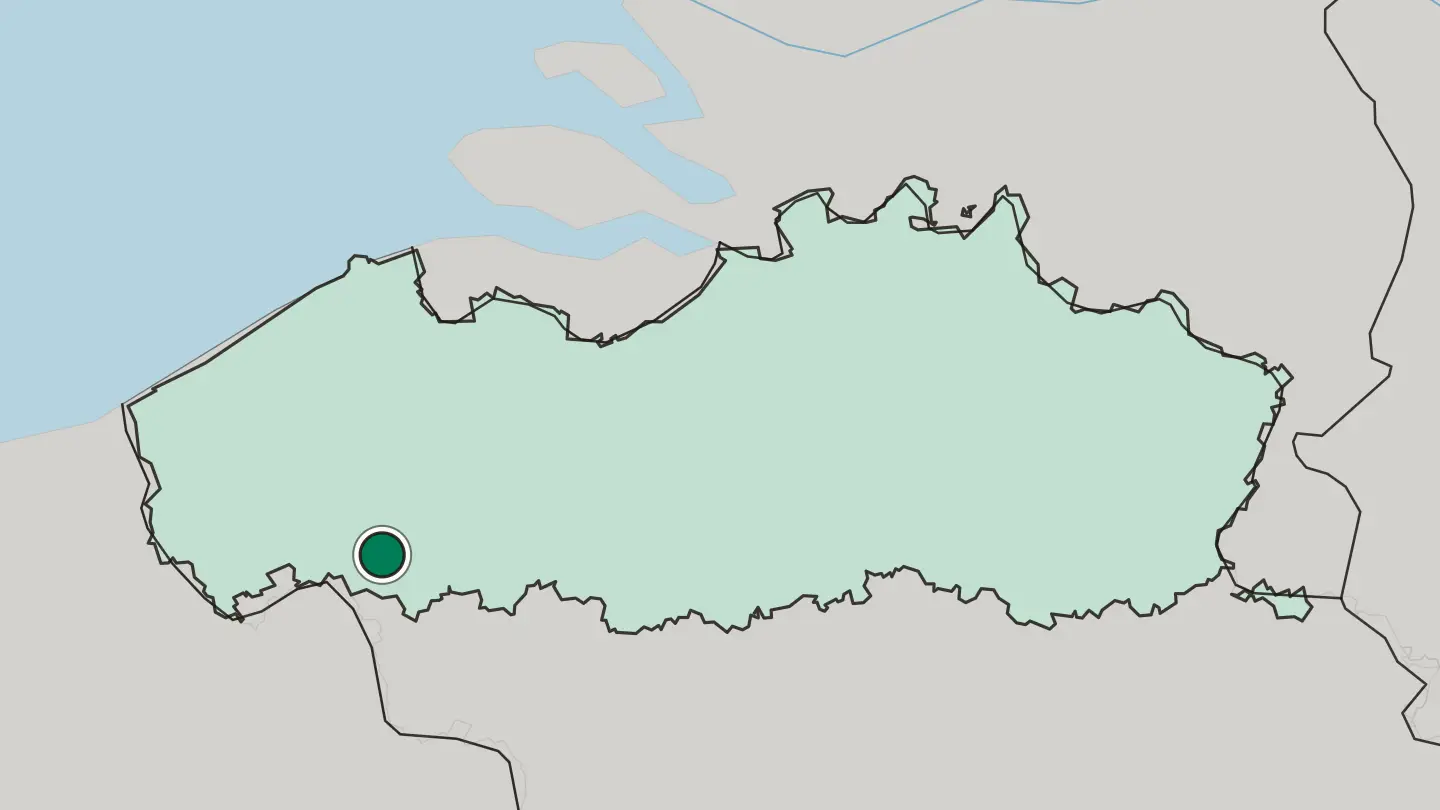
 Belgium
Ostend
Ostend, officially Oostende, is the largest city on the Belgian coast: a North Sea resort and cargo port chartered in 1265.Where to stay →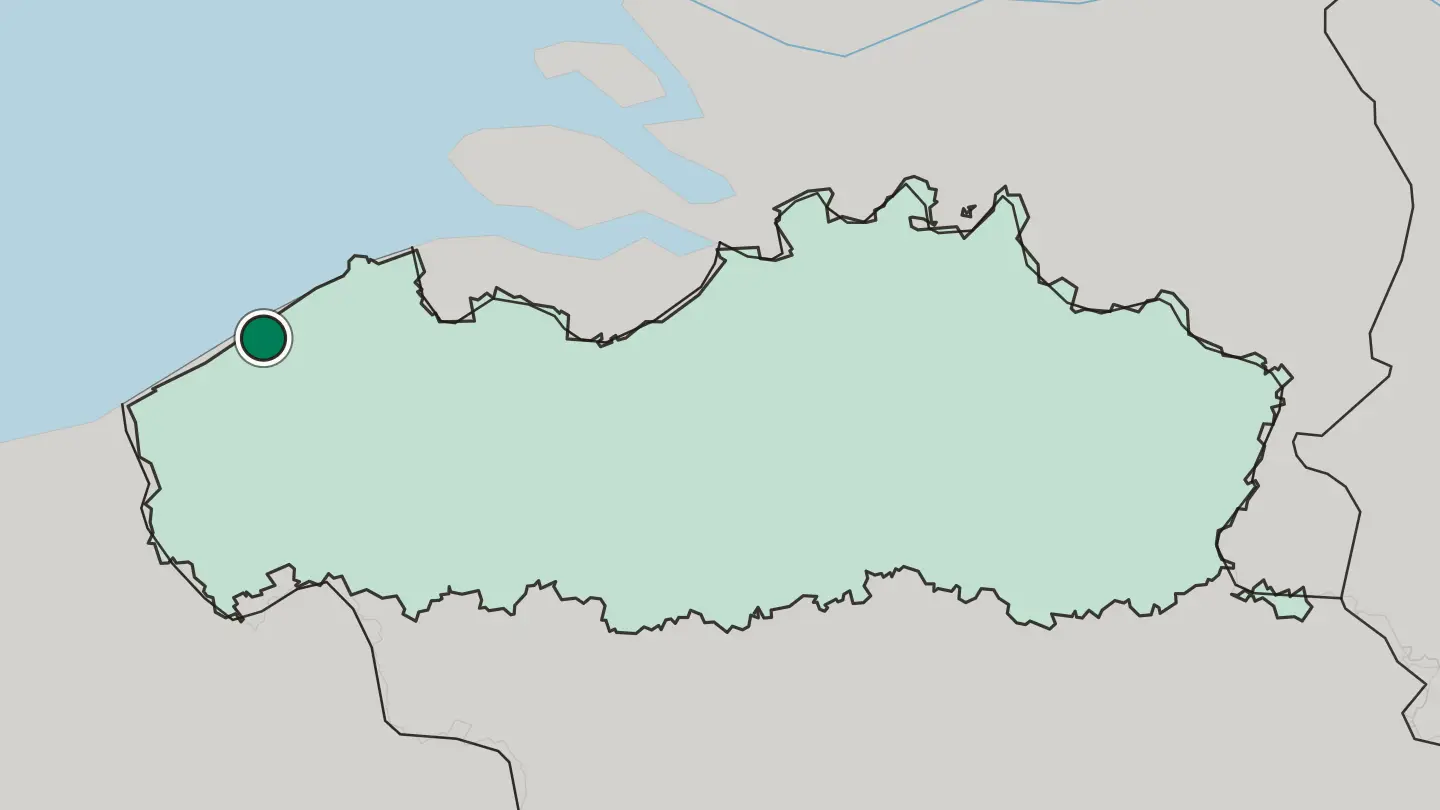
All towns & cities (11)
 Belgium
Sint-Niklaas
Sint-Niklaas is the capital of the Waasland, an East Flanders city between Antwerp and Ghent with the Scheldt around three sides.Where to stay →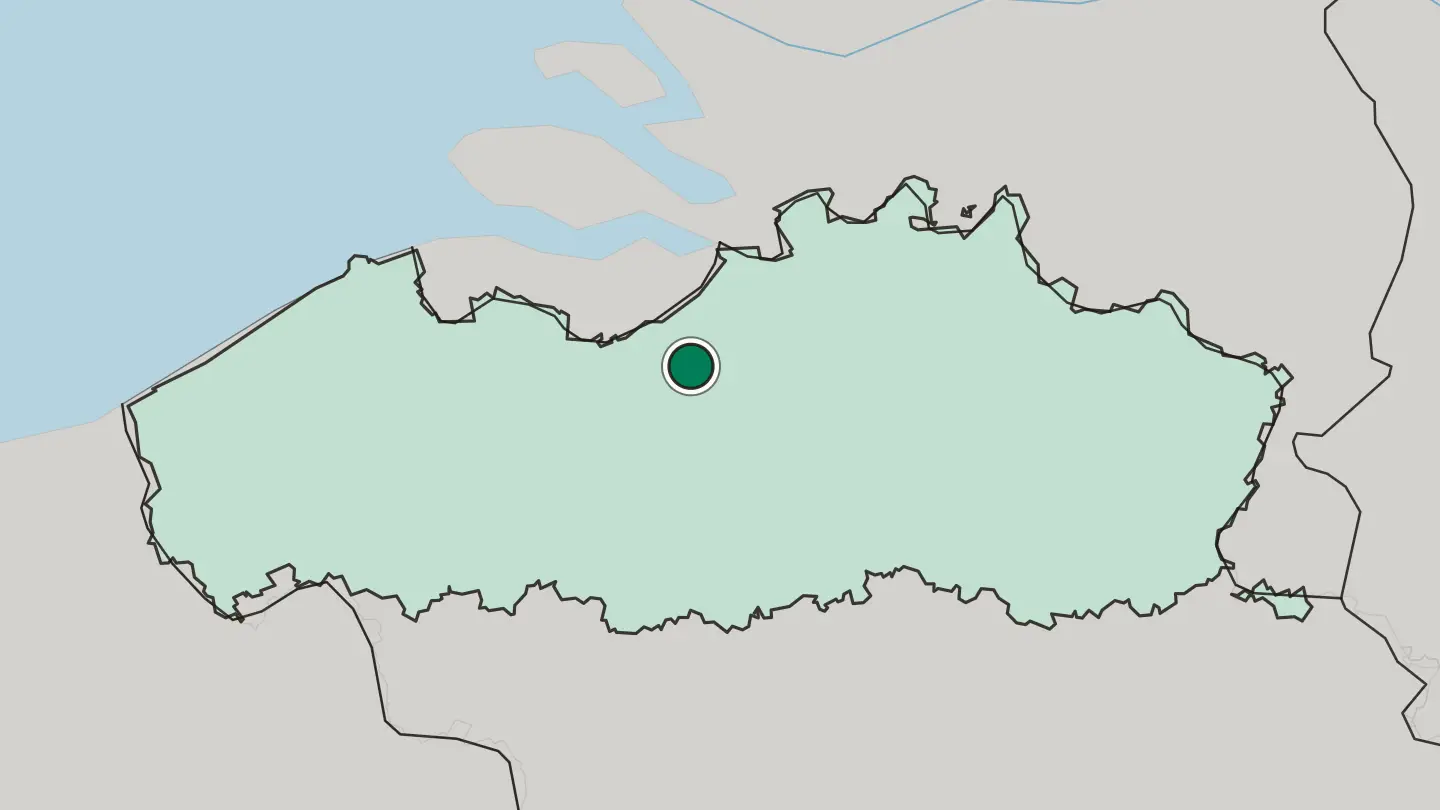
 Belgium
Genk
Genk is a Limburg city on the Albert Canal, between Antwerp and Liège, whose municipality takes in no town but Genk itself.Where to stay →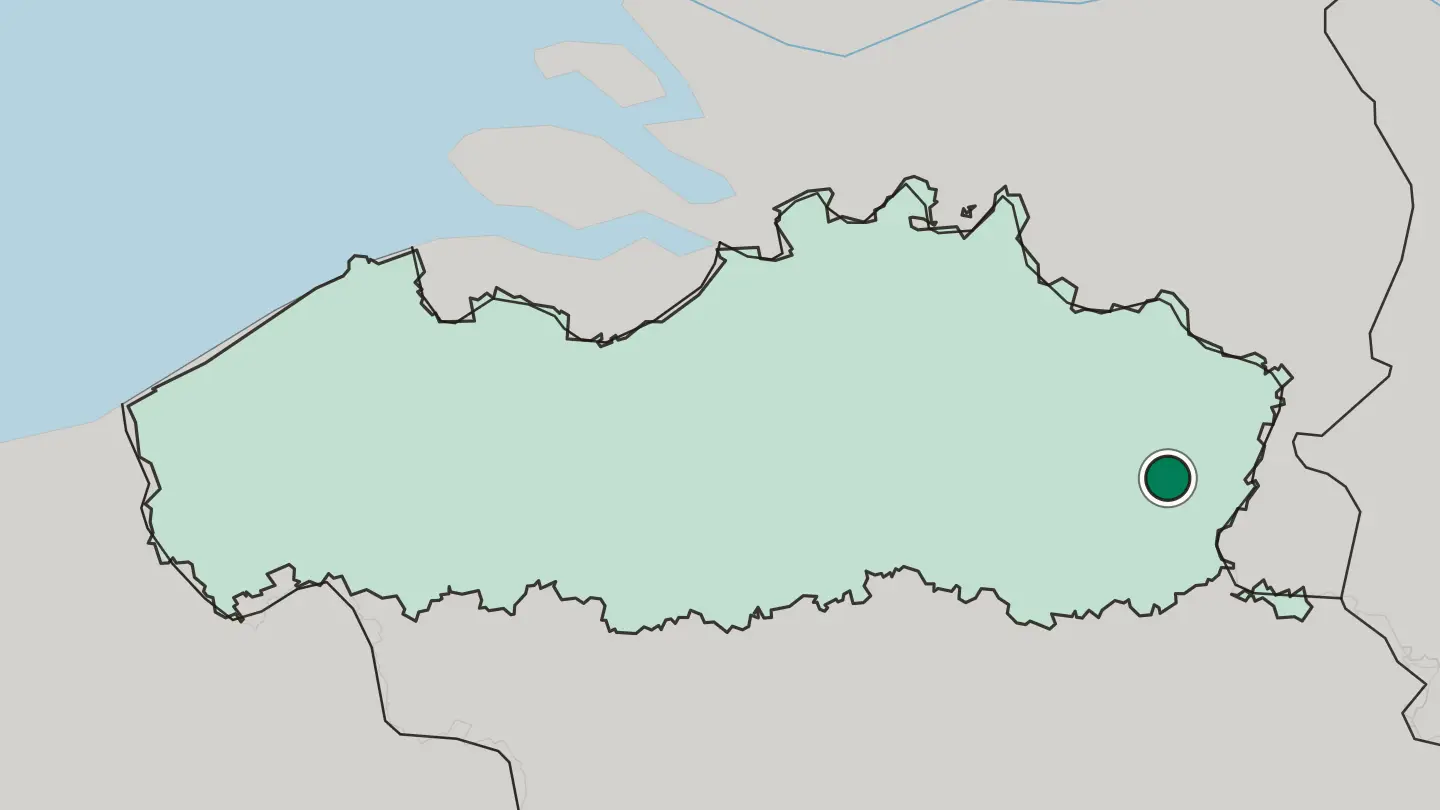 Belgium
Roeselare
Roeselare is an industrialised city in the middle of West Flanders, with Beveren, Oekene and Rumbeke inside the same municipality.Where to stay →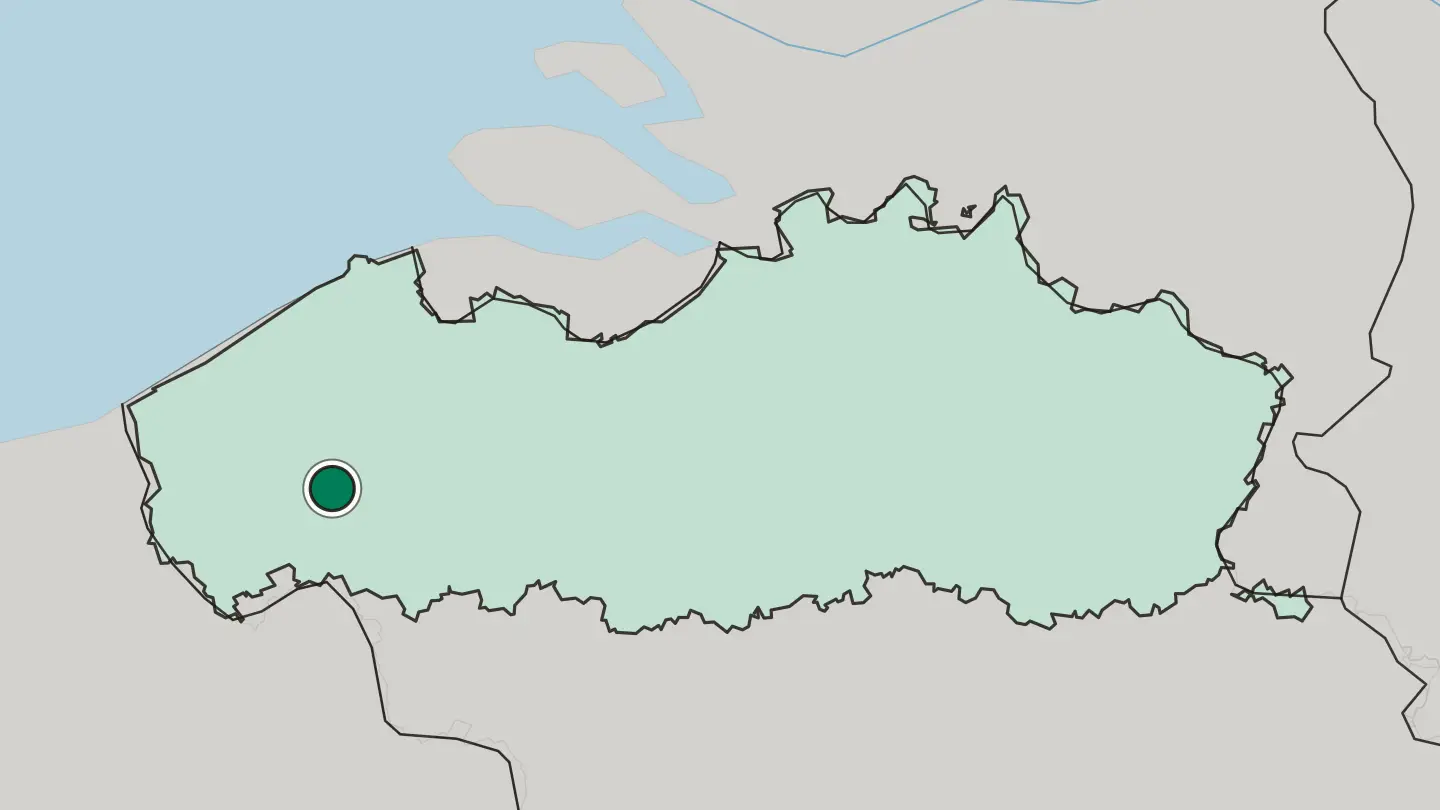
Hotel links are affiliate links: booking through them may earn us a commission, at no extra cost to you. It never affects how places are ranked. How this works
About Flanders
What is Flanders known for?
Flanders is known as the Dutch-speaking northern half of Belgium, a low country of old cloth towns and a broad share of the national coast. Its people are the Flemings. The region carries the Flemish tongue, a Belgian form of Standard Dutch, across its towns and festivals, medieval trading cities such as Brugge preserve the wealth of the old Flemish weavers, and the flat land runs from the North Sea beaches inland toward the Netherlands.
Art and language mark it apart.
Where is Flanders?
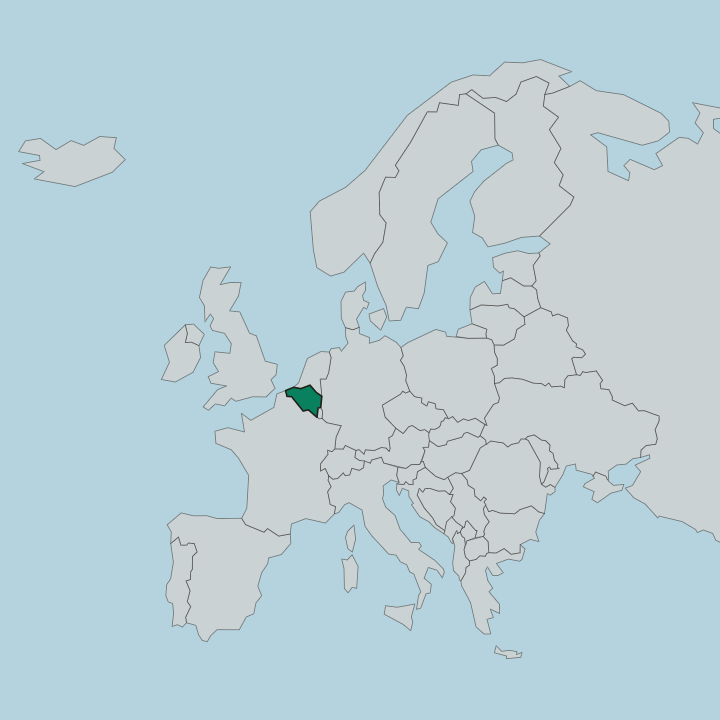
Flanders forms the flat northern part of Belgium, wedged between the North Sea and the Netherlands to the north and Wallonia and France to the south. Its land lies low and level. Broad polders and reclaimed flats run inland from the coast, the North Sea washes a long sandy shore along the region's western edge, and the ground barely lifts above the tide across most of the plain.
No mountains break the horizon. The region wraps around the separate enclave of the Brussels-Capital Region, which sits inside Flanders yet stands apart from it, so the Flemish territory forms a ring around the capital region at its centre. Rivers and canals thread the whole plain.
Slow waterways cross the flats between the old cloth towns such as Brugge, draining the land toward the North Sea, and the border with the Netherlands runs across open country in the north. Toward France in the south the land begins its gentle rise into Wallonia. Flat, watery, and open, the region reads as a single broad lowland.
What is Flanders like?
Flanders holds a Flemish culture built around the Dutch language, medieval art, and a long tradition of civic festivals. Its people are the Flemings. They speak Flemish, the Belgian form of Standard Dutch, which sets the region apart from French-speaking Wallonia to the south, and the tongue carries the songs, plays, and processions of the Flemish towns.
Painting is its great inheritance. The Flemish Primitive masters of the old cloth cities left works that still fill the museums of Brugge, and the belfries, guild halls, and marketplaces of those towns remain the stage for the festivals that mark the Flemish year. Craft runs deep here.
Lace, tapestry, and weaving grew from the medieval cloth trade that made Flanders wealthy, and that heritage still shapes the identity of a region that looks north toward the Netherlands in language and art rather than south toward France. The Flemish name and tongue bind it together.
What is the history of Flanders?
Flanders rose in the Middle Ages as a wealthy county whose cloth towns traded across northern Europe. Weaving built its early fortune. The medieval cloth cities such as Brugge grew rich shipping Flemish wool and linen across the North Sea, raising the belfries and guild halls that still stand, before the county passed through the hands of larger powers over later centuries.
It became the northern, Dutch-speaking part of the Belgian state. The old Flemish heartland kept its language and its art through every change of ruler.
What is the climate of Flanders?
Flanders has a mild maritime climate of cool, damp winters and soft, temperate summers. Cloud and rain are common. Westerly weather off the North Sea keeps the flat region grey and wet through much of the year, frost stays light and lasting snow is rare on the low coast, and the summers turn warm rather than hot across the plain.
Sea air reaches far inland toward the Netherlands.
How do you get to Flanders?
Flanders is reached through the airports and the dense rail network of northern Belgium. Fast trains cross the flat region. Frequent services link its cities to the capital and on to the Netherlands and France, the coast tram runs the length of the North Sea shore, and motorways and canals carry freight across the level plain toward Brugge and the ports.
Rail ties the whole lowland together.
Good for
More regions in Belgium
Updated September 2026