Brazil · Amazonas
Where to Stay in Manaus, Amazonas
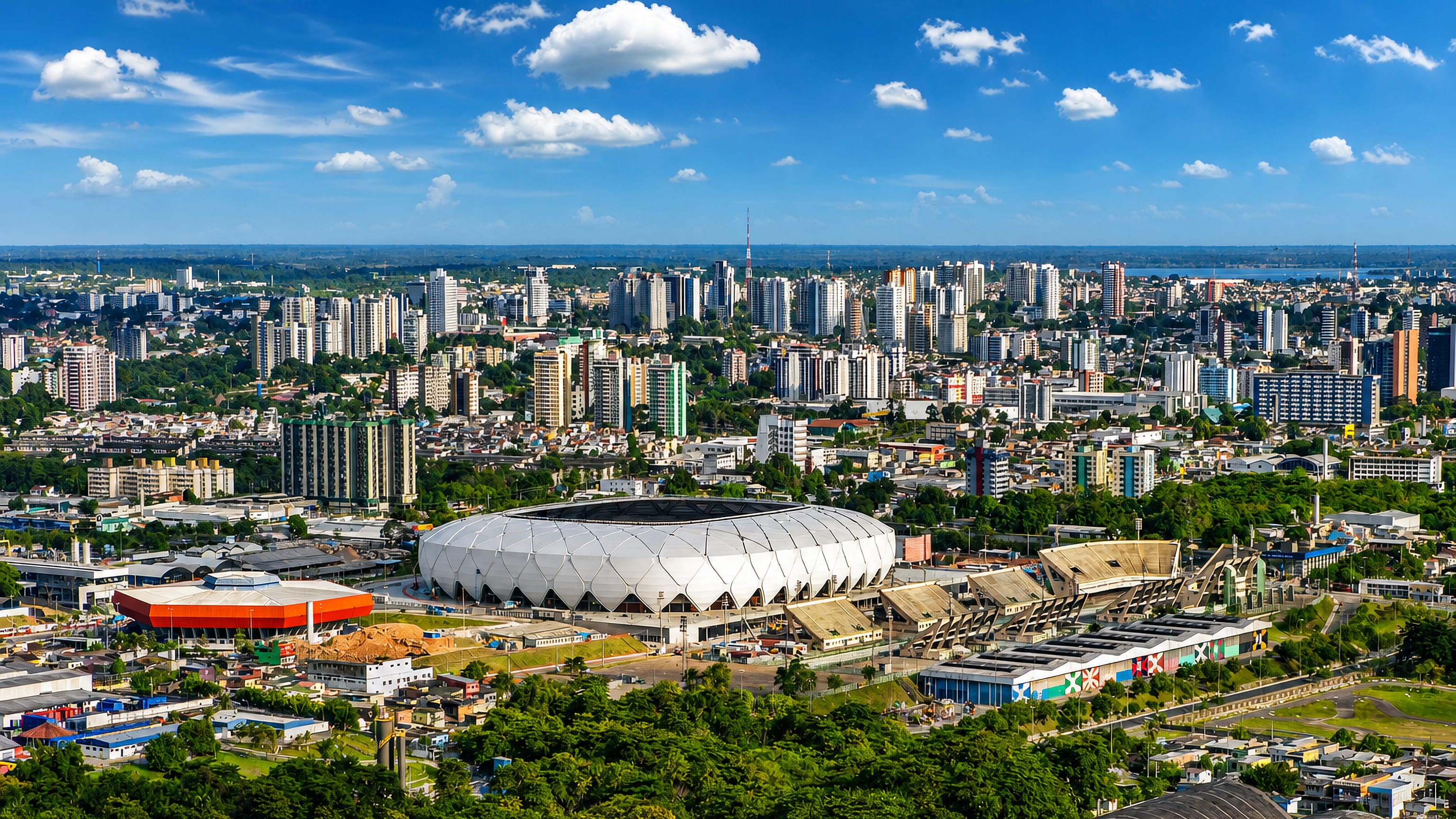
Dark and pale rivers braid past Manaus, the capital of Amazonas deep in the Amazon rainforest, known for the Teatro Amazonas opera house.
Hotel links are affiliate links: booking through them may earn us a commission, at no extra cost to you. It never affects how places are ranked. How this works


Where to stay in Manaus
Where you base yourself shapes the visit — here's the character of each area.

 ManausBrazil
Cachoeirinha
Nine recorded sites cluster in Cachoeirinha, a district of Manaus in Brazil headed by the Igreja de São Sebastião.Where to stay → ManausBrazil
Nossa Senhora das Graças
The Manaus district of Nossa Senhora das Graças keeps the Jardim Botânico Adolpho Ducke de Manaus and the Museu Ivan Ferreira Valente on its ground.Where to stay → ManausBrazil
São Raimundo
São Raimundo is a bairro in the Zona Oeste of Manaus, in the Brazilian state of Amazonas. Its settlement began in 1849.Where to stay → ManausBrazil
Educandos
Educandos is a bairro in the Zona Sul of Manaus, in the Brazilian state of Amazonas, set between two igarapés. It was called Constantinópolis for a time.Where to stay → ManausBrazil
Compensa
Compensa is the largest district in the western section of Manaus, the Amazonas city in Brazil that it forms a part of.Where to stay →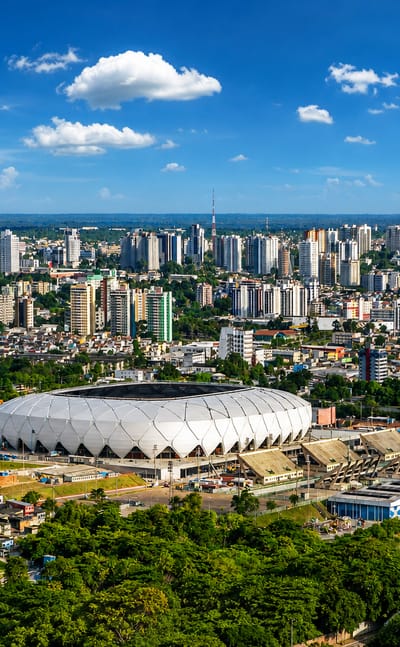 ManausBrazil
Santo Agostinho
Santo Agostinho is a district of Manaus, in Amazonas, and the Zoo Tropical Manaus is the one attraction recorded inside it.Where to stay →ManausBrazilColônia Terra Nova
Colônia Terra Nova is a bairro in the Zona Norte of Manaus, in Amazonas, and it takes its name from a colony of farmers who once worked the ground.Where to stay →Hotel links are affiliate links: booking through them may earn us a commission, at no extra cost to you. It never affects how places are ranked. How this works
Find hotels in Manaus
Direct booking searches for these neighbourhoods.
Historic centre
The old core gathers the Teatro Amazonas opera house, the Igreja de São Sebastião on its square, and the Rio Negro port within a compact, walkable grid.Find hotels in Historic centreBasing on the rivers for trips into the Amazon rainforestJungle lodges
The lodges beyond the city, reached by boat from the Rio Negro port, serve as bases for river journeys and forest excursions, with the Jardim Botânico Adolpho Ducke de Manaus at the forest edge.Find hotels in Jungle lodgesHotel links are affiliate links: booking through them may earn us a commission, at no extra cost to you. It never affects how places are ranked. How this works
Things to do in Manaus
Ranked by global recognition; descriptions from Wikidata (CC0).
Museums & Galleries
3- Museu do Porto Heritage
- Museu Teatro Amazonas Heritage
- Museu do Índio de Manaus
Churches & Religious Sites
3- Igreja de São Sebastião Heritage
- Capela de Santo Antônio do Pobre Diabo Heritage
- Church Our Lady of the Remedies Heritage
Castles & Historic Sites
1- Monument Abertura dos Portos
worth knowingacross 3 categories in Manaus
About Manaus
What is Manaus known for?
Manaus is known as the capital and largest city of Amazonas, set deep in the Amazon rainforest. It stands near the confluence of the Negro and Amazon rivers, in the north of Brazil. The city is the great river port and metropolis of the forest, the base for journeys into the jungle around it.
Its Belle Époque core, raised in the rubber-boom era, centres on the Teatro Amazonas opera house. River and forest define it.
What are the main landmarks in Manaus?
Manaus keeps the grand buildings of its rubber-boom age at its heart. The Teatro Amazonas, a domed opera house raised when the forest city grew suddenly rich on rubber, is its signature monument, brought to the depths of the Amazon at the height of the boom. On a nearby square stands the Igreja de São Sebastião.
The port carries the Museu do Porto, and the centre fills with museums, among them the Pinacoteca do Estado do Amazonas and the Museu do Índio de Manaus. At the city's edge, the Jardim Botânico Adolpho Ducke de Manaus holds a piece of standing rainforest. Grandeur amid the jungle.
What is the history of Manaus?
Manaus was founded in 1669 as a fort on the Rio Negro, at the edge of the vast forest of what is now Amazonas. For its first two centuries it stayed a remote outpost on the river, far up the Amazon from the coast of Brazil. Then the rubber boom transformed it.
In a few decades of wealth drawn from the surrounding rainforest, Manaus built the grand centre that still defines it, its plazas, its port, and above all the Teatro Amazonas. The opera house, opened at the height of the boom, brought European fashions to a city in the depths of the Amazon, a symbol of sudden fortune far from anywhere. When the rubber trade collapsed the boom passed, but the buildings remained.
The Igreja de São Sebastião and the Belle Époque frontages kept their place along the old streets. Wealth came and went. What stayed was a city set improbably deep in the forest, at the meeting of the great rivers, still the capital and river port of Amazonas.
Where is Manaus?
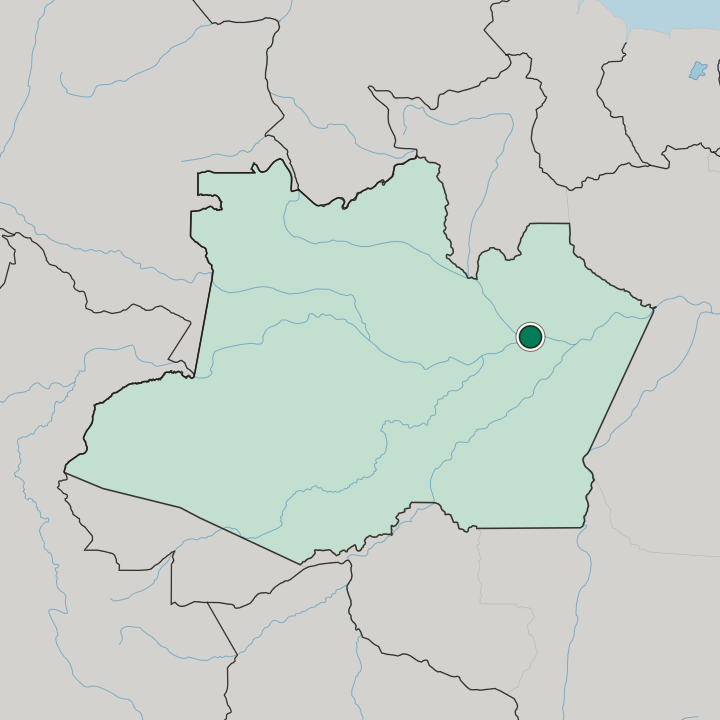
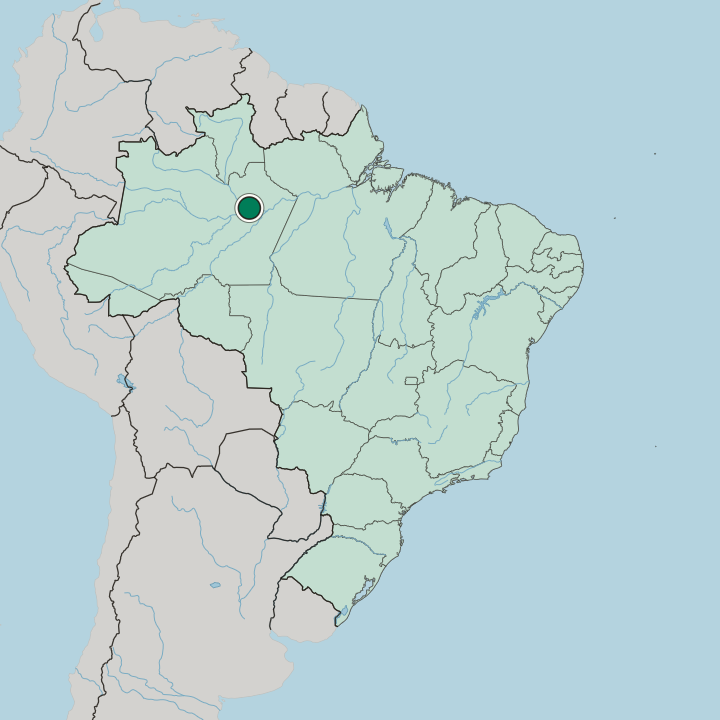
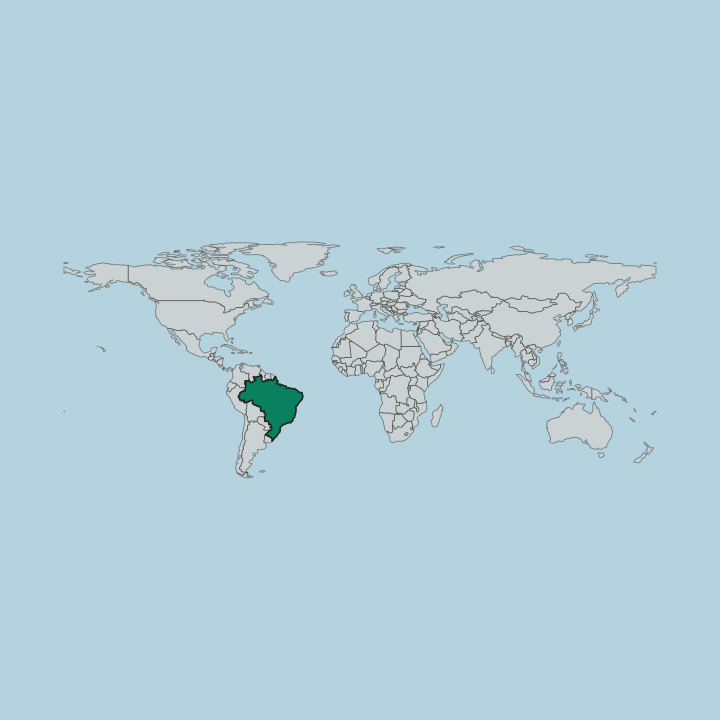
Manaus stands deep in the Amazon rainforest, near the confluence of the Negro and Amazon rivers, in the north of Brazil. The dark water of the Rio Negro runs past the city and joins the paler Amazon just downstream, the two flowing side by side before they mix. Forest surrounds it.
The land lies low and wet by the water, cut through by countless rivers and channels. This river setting, in the heart of Amazonas, shapes everything about the place.
What is the climate of Manaus?
Manaus has a hot, humid equatorial climate, typical of the Amazon rainforest that surrounds it. Heat and high humidity hold through the year, and the seasons turn on rain rather than temperature, from a wetter season of heavy downpours to a drier one when the rivers fall. Rain defines the calendar.
The forest keeps the air thick and warm. Along the Rio Negro the water level itself rises and falls with the seasons, marking the year on the riverbanks.
How do you get to Manaus?
Manaus is reached mainly by air and by river, its road links to the rest of Brazil few and long. Deep in the Amazon rainforest, the city has no continuous highway to the coast, so its airport carries most arrivals, ranking among the busiest in the north of Brazil. Boats and river ferries connect it along the Amazon and the Rio Negro to the towns of the interior.
The river is the oldest road. From the port, the forest lodges lie a boat ride away.
Common questions
What is the best area to stay in Manaus?
Historic centre: Walking the rubber-boom city around the Teatro Amazonas. Jungle lodges: Basing on the rivers for trips into the Amazon rainforest.
Good for
Another city in Amazonas
Updated September 2026