Brazil · Bahia
Where to Stay in Camaçari, Bahia
Bahia's industrial city. Camaçari sits inside the Salvador Metropolitan Region, a municipality of three districts with a founding date of 1758.
Hotel links are affiliate links: booking through them may earn us a commission, at no extra cost to you. It never affects how places are ranked. How this works


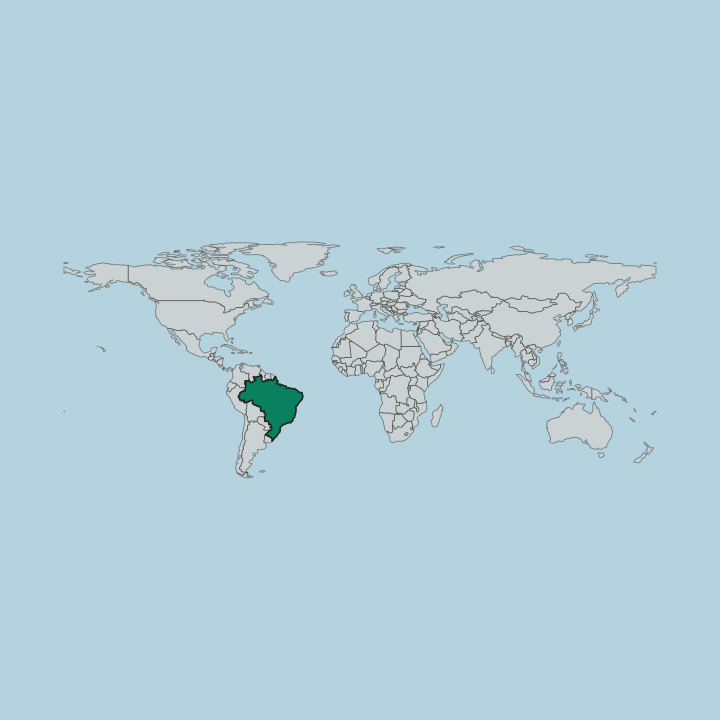
Where to stay in Camaçari
How the choice of base plays out on the ground.
Three districts, three answers. Camaçari, Abrantes, and Monte Gordo divide the municipality between them, and the district a traveller picks decides whether the stay is about industry, heritage, or the sea turtles at Arembepe. Camaçari town is the practical base.
It is the district that carries the municipality's name, and rooms there sit nearest the industrial side of the Salvador Metropolitan Region, which is where most business travel ends up. Abrantes is the heritage choice. Sítio Praça da Vila de Abrantes and the Cemitério Municipal de Vilas de Abrantes both take their names from that district, so a stay there keeps that older layer within walking distance.
Monte Gordo is the quiet one. You want it if the trip is about calm rather than the works, and beds out there are thinner on the ground than in the seat. Arembepe is worth the journey whatever the base, since the Museu a Céu Aberto da Tartaruga Marinha de Arembepe has no equivalent anywhere else in the municipality.
Salvador is the fallback. The capital anchors the same metropolitan region, and anyone treating Camaçari as a day out will find far more rooms there than in any of its three districts.
Find hotels in Camaçari
Direct booking searches for these neighbourhoods.
Camaçari town
The district that gives the municipality its name holds the seat, and its rooms sit nearest the industrial side of the region.Find hotels in Camaçari townSítio Praça da Vila de Abrantes and the older village streetsAbrantes
Sítio Praça da Vila de Abrantes and the Cemitério Municipal de Vilas de Abrantes anchor this district, and both are named for it.Find hotels in AbrantesCalm well away from the worksMonte Gordo
Monte Gordo trades the seat's services for quiet, and its rooms are counted rather than plentiful. Beds are limited here, so book early.Find hotels in Monte GordoThe open-air sea turtle museum and an unhurried dayArembepe
The Museu a Céu Aberto da Tartaruga Marinha de Arembepe is the reason to be here, and nothing else in Camaçari resembles it. Rooms are few around here — worth securing early.Find hotels in ArembepeHotel links are affiliate links: booking through them may earn us a commission, at no extra cost to you. It never affects how places are ranked. How this works
Things to do in Camaçari
Ranked by global recognition; descriptions from Wikidata (CC0).
Museums & Galleries
1- Museu a Céu Aberto da Tartaruga Marinha de Arembepe
Churches & Religious Sites
1- Igreja do Divino Espírito Santo Heritage
Landmarks & Notable Places
4- Antigo Cinema Heritage
- Biblioteca Infantil Heritage
- Cemitério Municipal de Vilas de Abrantes Heritage
- Secult Heritage
worth knowingacross 3 categories in Camaçari
About Camaçari
Industry is the headline.
What is Camaçari known for?
Camaçari carries the industrial weight of the Salvador Metropolitan Region, a role that has pulled the municipality far past anything its founding in 1758 would have suggested. The other Camaçari is older. Three terreiros, a quilombo, and a run of small heritage sites spread across the districts hold a much older history, and the Museu a Céu Aberto da Tartaruga Marinha de Arembepe adds a subject of its own.
Names carry that layer.
What are the main landmarks in Camaçari?
The register is unusually mixed. Three terreiros, Terreiro Unzó Tatêto Lembá, Terreiro Unzó Mutá Geremin, and Terreiro Manso Kilembekweta Lemba Furamam, stand alongside the Igreja do Divino Espírito Santo. Everyday buildings made the list too.
Antigo Cinema, Antiga Estação de Trem, Secult, and Biblioteca Infantil are ordinary structures kept for what they record rather than for how they look. Then the outliers, Sítio Histórico de Carapina, Quilombo Cordoaria, and the Museu a Céu Aberto da Tartaruga Marinha de Arembepe.
What is the history of Camaçari?
The record starts in 1758. Camaçari began as a settlement in Bahia long before industry found it, and the Igreja do Divino Espírito Santo belongs to that first religious layer. Abrantes has its own claim.
Sítio Praça da Vila de Abrantes and the Cemitério Municipal de Vilas de Abrantes both preserve a village that predates the municipality's later shape, and the Sítio Histórico de Carapina marks another old ground entirely. Not all of the past is colonial. Terreiro Unzó Tatêto Lembá, Terreiro Unzó Mutá Geremin, and Terreiro Manso Kilembekweta Lemba Furamam are houses of Afro-Brazilian religion, and Quilombo Cordoaria records a community that formed outside the official settlement.
Then the railway, then the works. The Antiga Estação de Trem is what remains of the line, and the Antigo Cinema belongs to the town that grew around such things before the Salvador Metropolitan Region turned Camaçari into its industrial city. Growth reorganised the map.
The municipality settled into three districts, Camaçari, Abrantes, and Monte Gordo, each carrying a different share of that history, and Secult and the Biblioteca Infantil belong to the civic layer laid on top. Arembepe kept something else again, with the Museu a Céu Aberto da Tartaruga Marinha de Arembepe standing for a much older relationship with the sea.
Where is Camaçari?
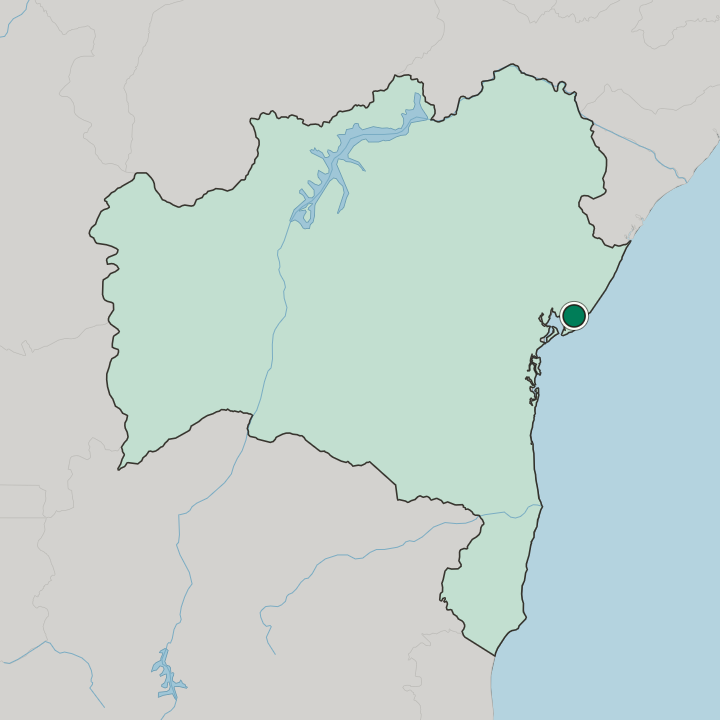
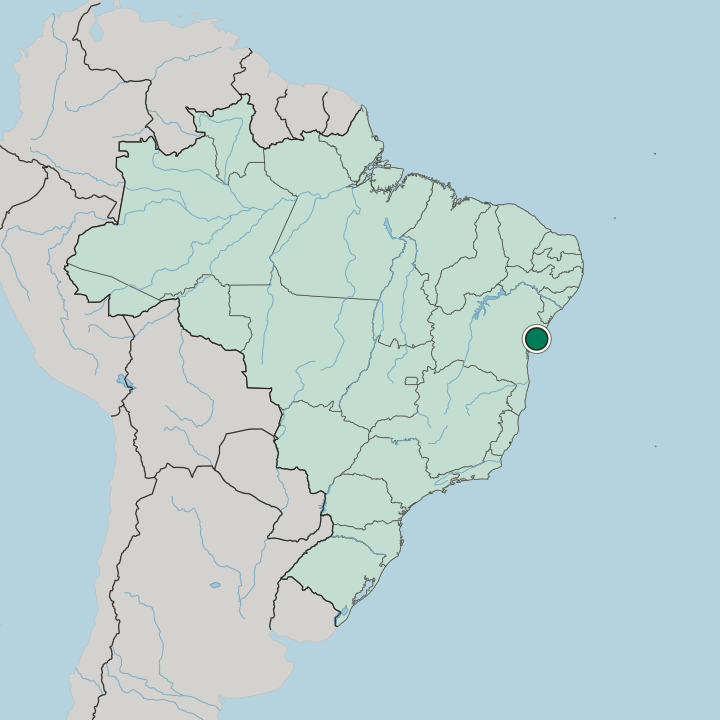
Three districts, one boundary. Camaçari, Abrantes, and Monte Gordo divide a municipality that covers a good deal of ground inside the Salvador Metropolitan Region, and the built-up parts sit well apart from one another. Bahia frames all of it.
The tropical band runs through here, and Arembepe puts the municipality within reach of the water, which is not obvious from the industrial reputation that Camaçari carries.
What is the climate of Camaçari?
Bahia keeps it warm all year. Camaçari lies well inside the tropics of the southern hemisphere, so the difference between one month and the next is measured in rainfall rather than in temperature, and the warm half of the year straddles the New Year. Air stays heavy most of the year.
Anyone walking between the Antigo Cinema and the Antiga Estação de Trem in the middle of the afternoon will notice it more than any thermometer would suggest.
How do you get to Camaçari?
Salvador is the entry point. Camaçari belongs to the capital's metropolitan region, so arrivals come through Salvador and continue by road into whichever of the three districts the visit is aimed at. Trains are a memory.
The Antiga Estação de Trem stands for a line that no longer sets the pattern, and getting between Camaçari town, Abrantes, Monte Gordo, and Arembepe depends entirely on the road.
Common questions
What is the best area to stay in Camaçari?
Camaçari town: Industry, everyday services, and the shortest hops inside the Salvador Metropolitan Region. Abrantes: Sítio Praça da Vila de Abrantes and the older village streets. Monte Gordo: Calm well away from the works. Arembepe: The open-air sea turtle museum and an unhurried day.
More cities in Bahia
Updated September 2026