Brazil · Bahia
Where to Stay in Ilhéus, Bahia
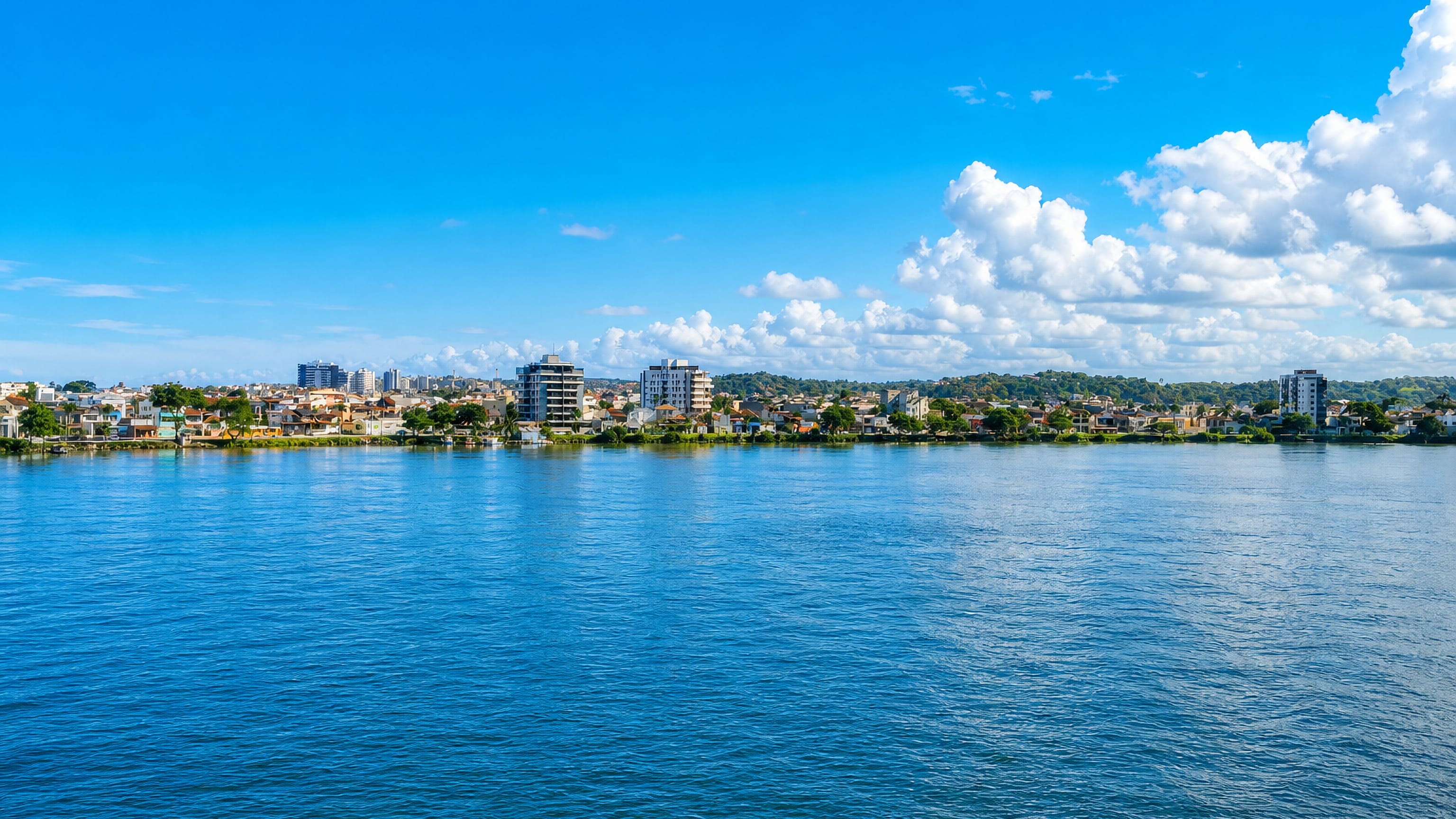
Ilhéus is a coastal city of Bahia, founded in 1534 as Vila de São Jorge dos Ilhéus and the hometown of the writer Jorge Amado.
Hotel links are affiliate links: booking through them may earn us a commission, at no extra cost to you. It never affects how places are ranked. How this works


Where to stay in Ilhéus
How the choice of base plays out on the ground.
Ilhéus splits between the ground around the Igreja Matriz de São Jorge and the sand out beyond it. The old centre is compact, with the Museu da Capitania de Ilhéus, the Museu da Piedade and the Monumento a Rui Barbosa all within a few blocks of the church, so a room there puts the city's collections at walking distance and the port within sight. Evenings turn on those streets.
What you give up is the water, since the beaches begin further out and the centre keeps its back to them for most of its length. The shore reverses that trade. Rooms along the beaches swap the museums for the Atlantic, and the Museu do Cacau - Núcleo Ilhéus and the Memorial Misael Tavares both sit a short drive back toward town, which keeps the cocoa story reachable from a stay built around the sea.
Nights are quieter out there. Anyone here for the coast of Bahia rather than for Jorge Amado and the captaincy should take that side, and anyone splitting the difference can work from the centre and drive out, since the distances involved are small and the road runs along the water. Centre and shore are never far apart in Ilhéus.
Find hotels in Ilhéus
Direct booking searches for these neighbourhoods.
The old centre
The Museu da Capitania de Ilhéus, the Museu da Piedade and the Monumento a Rui Barbosa stand within a few blocksFind hotels in The old centreAtlantic sand with the Museu do Cacau - Núcleo Ilhéus a short drive backThe beaches beyond the centre
Sea air on the Bahian shore, with the Memorial Misael Tavares still within reach of townFind hotels in The beaches beyond the centreHotel links are affiliate links: booking through them may earn us a commission, at no extra cost to you. It never affects how places are ranked. How this works
Things to do in Ilhéus
Ranked by global recognition; descriptions from Wikidata (CC0).
Museums & Galleries
3- Museu da Capitania de Ilhéus
- Associação Filtro dos Sonhos
- Memorial Misael Tavares
Churches & Religious Sites
1- Igreja Matriz de São Jorge Heritage
Castles & Historic Sites
1- Monumento a Rui Barbosa
worth knowingacross 3 categories in Ilhéus
About Ilhéus
Jorge Amado was born here.
What is Ilhéus known for?
Museums carry most of the rest of the city's reputation, among them the Museu do Cacau - Núcleo Ilhéus, the Museu da Capitania de Ilhéus and the Museu do Mar e da Capitania, which between them take cocoa, the old captaincy and the sea as their subjects. The Igreja Matriz de São Jorge holds the centre. Beaches take the shore south of Salvador.
What are the main landmarks in Ilhéus?
Start at the church. The Igreja Matriz de São Jorge anchors the centre, and museums do most of the rest of the work: the Museu da Capitania de Ilhéus and the Museu do Mar e da Capitania both take up the captaincy and the sea, the Museu do Cacau - Núcleo Ilhéus takes cocoa as its subject, and the Museu da Piedade holds a collection of its own. Outside stands the Monumento a Rui Barbosa, cut in stone.
The Memorial Misael Tavares and the Associação Filtro dos Sonhos complete the short list.
What is the history of Ilhéus?
The founding date is 1534. Ilhéus began as Vila de São Jorge dos Ilhéus, one of the early Portuguese settlements set down on the coast of Bahia, and the captaincy that gave the place its first administrative shape survives in the names of two of its museums. São Jorge stayed with the town, and the Igreja Matriz de São Jorge still carries the dedication the first settlers chose.
That is a long thread. The Museu da Capitania de Ilhéus and the Museu do Mar e da Capitania both keep the record of those centuries, the sea trade included. Cocoa came later and changed the terms.
The Museu do Cacau - Núcleo Ilhéus is given over to that crop, and the Memorial Misael Tavares attaches a name to the planter era whose fortunes ran through the port. Jorge Amado, among the best known of Brazil's modern writers, was born in the city. The Monumento a Rui Barbosa and the Museu da Piedade round out what Ilhéus has chosen to remember of its own past.
The port and the coast are the constant through all of it, and every one of these institutions returns to one or the other in the end.
Where is Ilhéus?
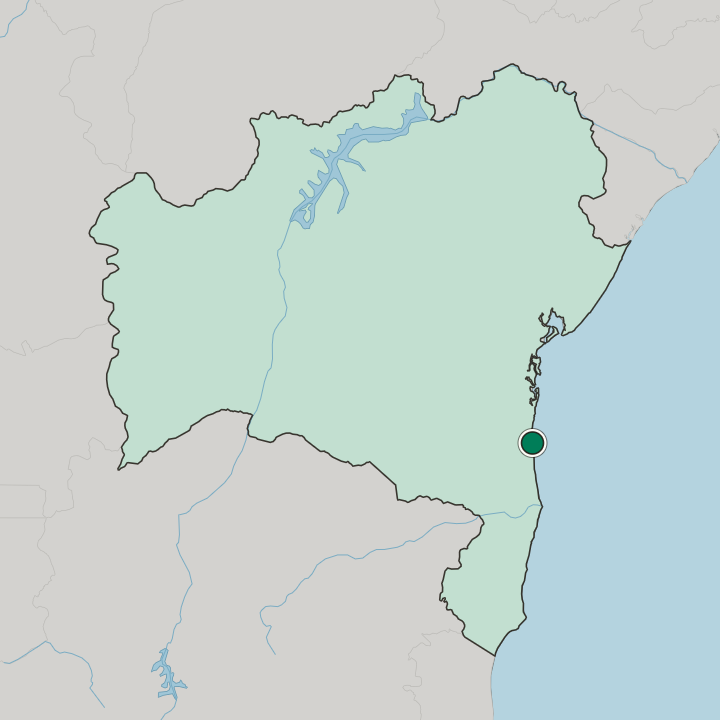
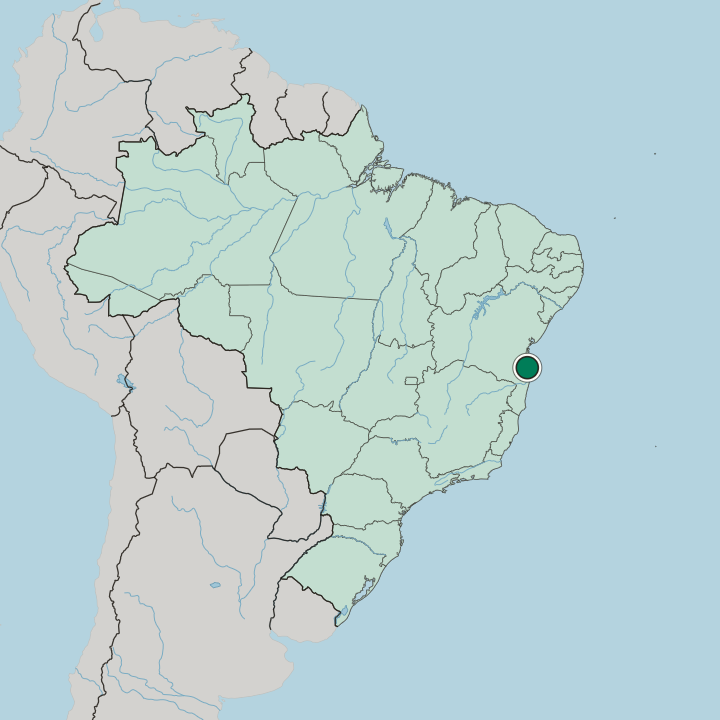
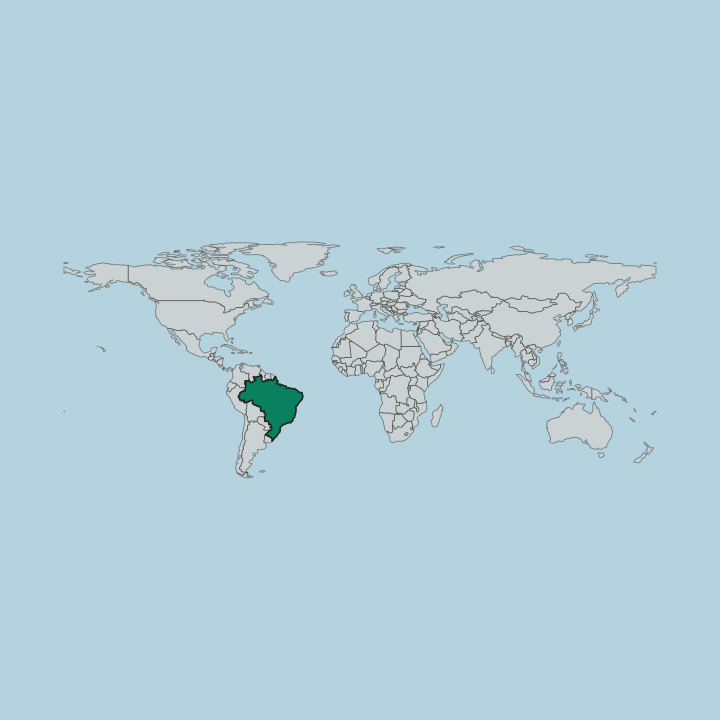
The Atlantic sets the edge. Ilhéus lies on the coast of Bahia, south of Salvador along the same shore, with the sea in front and a broad municipal territory running back from the water. Beaches carry much of that frontage.
Port and shore share the city's ground, and the water that once served the captaincy of Vila de São Jorge dos Ilhéus now carries the traffic that the beaches and the museums draw.
What is the climate of Ilhéus?
The ocean sets the terms. Ilhéus lies inside the tropical band, and the Atlantic along its shore holds the air warm and humid through every month rather than sorting the year into a hot half and a cold one. South of the equator the seasons run inverted, so the warmest stretch falls around the turn of the year and the coolest around the middle of it.
This part of Bahia rarely turns cold.
How do you get to Ilhéus?
Most arrivals come from Salvador. The Bahian capital stands north along the same coast, and the run south to Ilhéus is the standard approach, tracing the shoreline down through Bahia to the port that the old captaincy left behind. Sea access came first.
The Museu do Mar e da Capitania keeps that earlier arrival by water in view, and the Museu da Capitania de Ilhéus sets out the administration that ran it.
Common questions
What is the best area to stay in Ilhéus?
The old centre: Museum days that start at the Igreja Matriz de São Jorge. The beaches beyond the centre: Atlantic sand with the Museu do Cacau - Núcleo Ilhéus a short drive back.
Good for
More cities in Bahia
Updated October 2026