Brazil · Bahia
Where to Stay in Salvador, Bahia
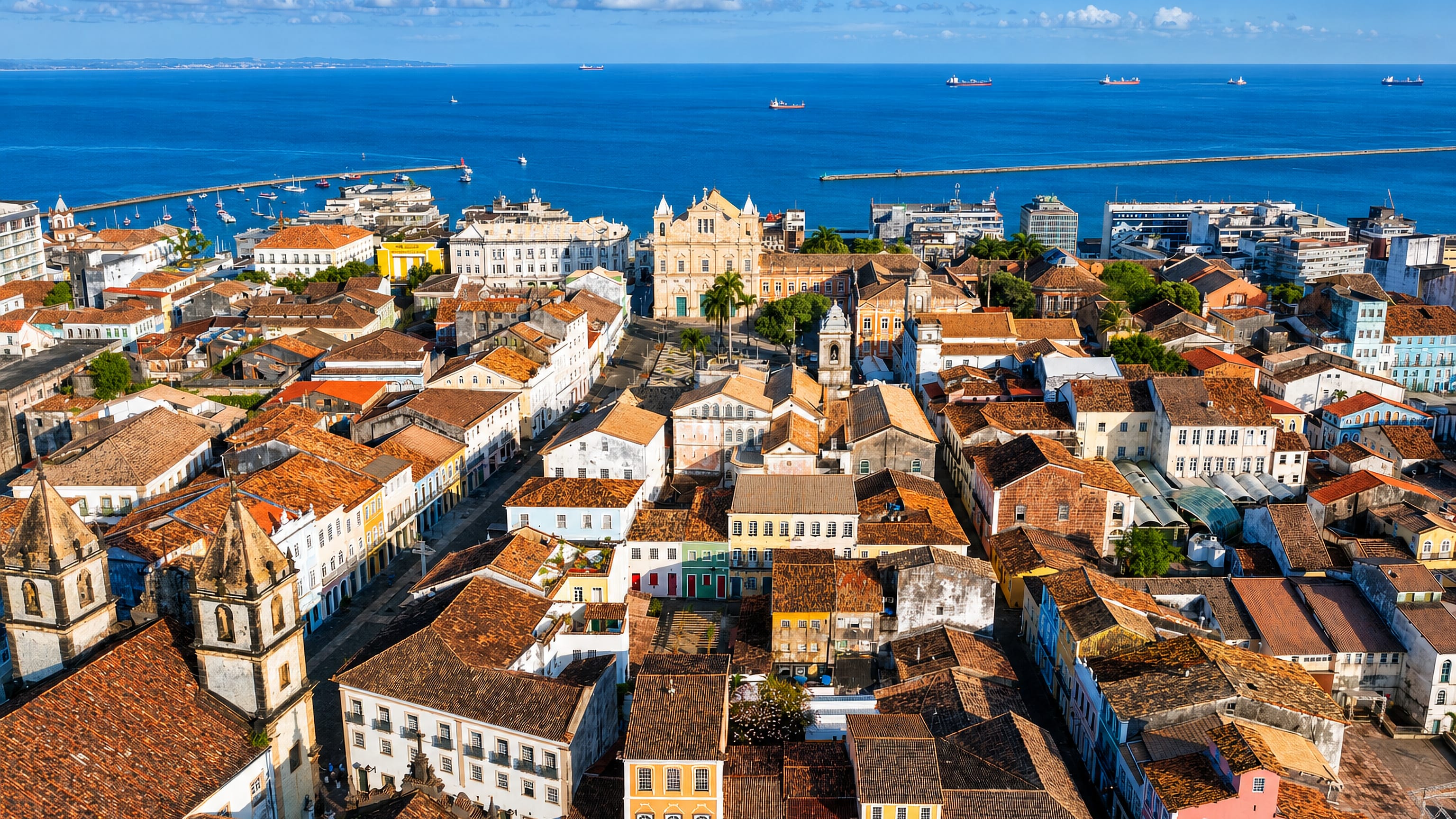
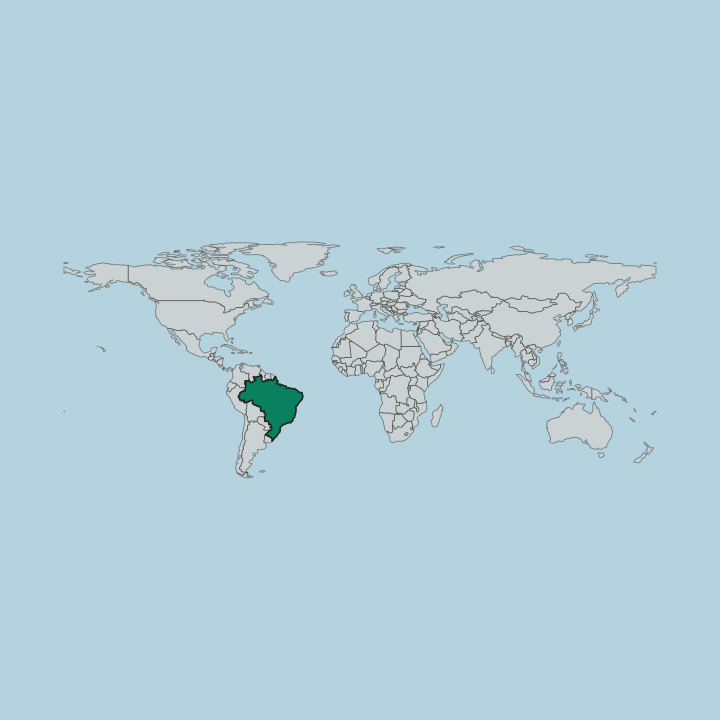
Salvador is the capital of Bahia and the first capital of Colonial Brazil, founded in 1549 by Tomé de Sousa and a centre of Afro-Brazilian culture.
Hotel links are affiliate links: booking through them may earn us a commission, at no extra cost to you. It never affects how places are ranked. How this works


Where to stay in Salvador
Each area has its own feel; here's who each one suits.

 SalvadorBrazil
Centro Historico
Centro Historico is the Pelourinho quarter of Salvador, the colonial-era core of the Bahian capital, with 1549 given as its founding year.Where to stay → SalvadorBrazil
Brotas
Brotas is a broad residential neighbourhood in the western zone of Salvador, the remnant of one of the Bahian capital's largest freguesias.Where to stay →SalvadorBrazilSaúde
Museums crowd Saúde, a district of Salvador in Bahia where the Fundação Casa de Jorge Amado and the Museu Tempostal stand among old mansions.Where to stay → SalvadorBrazil
Barbalho
Casa do Conde da Palma stands in Barbalho, an inner quarter of Salvador ringed by Lapinha, Baixa de Quintas and Água de Meninos.Where to stay → SalvadorBrazil
Cabula
Cabula is a bairro in the central miolo of Salvador, between the BR-324 and the Avenida Luís Viana Filho, and four separate histories made it what it is.Where to stay →SalvadorBrazilBaixa de Quintas
Baixa de Quintas is a district of Salvador in Bahia around the Jesuit Quinta do Tanque of 1555, since 1980 the Arquivo Público do Estado da Bahia.Where to stay →SalvadorBrazilÁgua de Meninos
Água de Meninos carries nine recorded landmarks, among them the Museu do Carmo, the Casa de Castro Alves and the Museu du Ritmo.Where to stay →SalvadorBrazilLapinha
A manor house and a pavilion stand in Lapinha, a district of Salvador in Bahia, Brazil, along with an archaeological collection.Where to stay → SalvadorBrazil
Barris
Barris is a bairro in the central region of Salvador on a hill above the Vale dos Barris, holding the Biblioteca Pública do Estado da Bahia.Where to stay →SalvadorBrazilEngenho Velho da Federação
Engenho Velho da Federação takes in the Parque Zoobotânico Getúlio Vargas and the Museu de Zoologia da Universidade Federal da Bahia, in Salvador.Where to stay →SalvadorBrazilItaigara
Itaigara is a modern, well-off neighbourhood in the southeastern zone of Salvador, lying between Caminho das Árvores and Pituba.Where to stay →SalvadorBrazilGarcia
Garcia sits in Salvador with the Palácio da Aclamação Casa de Cerimonial e Museu and the Memorial do Teatro Castro Alves on its register.Where to stay →All neighbourhoods (50)
SalvadorBrazilLiberdade
Liberdade is the second most populous district of Salvador and a centre of Afro-Brazilian institutions, among them the carnival block Ilê Aiyê.Where to stay →SalvadorBrazilFederação
Federação is a central bairro of Salvador named after the football federation that owned the land, and one of the highest in the city.Where to stay →SalvadorBrazilNarandiba
Narandiba is a residential district of Salvador, in the state of Bahia, Brazil, a quarter of ordinary streets rather than sights.Where to stay →SalvadorBrazilCalçada
Calçada is a Salvador district of two listed monuments: a homage to Irmão Joaquim Francisco do Livramento and the Monumento Luz das Gestações.Where to stay → SalvadorBrazil
Caminho das Árvores
Caminho das Árvores mixes housing and trade in the southeastern zone of Salvador, in Bahia, Brazil.Where to stay → SalvadorBrazil
Fazenda Grande do Retiro
Fazenda Grande do Retiro is a hill in Salvador, cut by Rua Mello Moraes Filho, where the Empresa Gráfica da Bahia prints the Diário Oficial do Estado.Where to stay → SalvadorBrazil
Canela
Canela is the museum quarter of Salvador, holding the Bahia Museum of Art, Museu Rodin Bahia and Museu Carlos Costa Pinto.Where to stay → SalvadorBrazil
Amaralina
Amaralina is a bairro in the centre-south of Salvador, in Bahia, nine kilometres out from the city centre. The praia de Amaralina lies within its limits.Where to stay →SalvadorBrazilPituba
Pituba is an upper-class quarter in the southeastern zone of Salvador, built out along the avenues Manoel Dias da Silva and Paul VI.Where to stay → SalvadorBrazil
Pernambués
Pernambués is a bairro of Salvador in Bahia, Brazil, and the Memorial Lajoumim - Terreiro Pilão de Prata stands among its streets.Where to stay →SalvadorBrazilCalabar
Calabar is a close-built residential neighbourhood of Salvador, ringed by museums it did not ask for and by the Monumento das Gordinhas.Where to stay → SalvadorBrazil
Rio Vermelho
Rio Vermelho is a seaside bairro of Salvador, between Ondina and Amaralina, known for its nightlife, its fishermen and the Festa de Iemanjá.Where to stay →SalvadorBrazilBom Juá
Bom Juá reaches the record as a name on Salvador's district list, with no landmark and no charter year set beside it.Where to stay →SalvadorBrazilGraça
Graça counts among the oldest neighbourhoods of Salvador, a Bahia bairro where Casa dos Carvalho stands.Where to stay →SalvadorBrazilTancredo Neves
Tancredo Neves, still widely called Beiru, is a bairro in the central miolo of Salvador, in Bahia. The old Quilombo do Cabula stood here.Where to stay → SalvadorBrazil
Jardim Armação
Jardim Armação holds the Parque Lagoa dos Dinossauros on the eastern side of Salvador, with Boca do Rio just north and Costa Azul south-west.Where to stay → SalvadorBrazil
Costa Azul
Costa Azul is the Salvador bairro of Praia de Jardim de Alah and Parque Costa Azul, on the coast north-east of Pituba.Where to stay → SalvadorBrazil
Cabula VI
Dating from 1980, Cabula VI is one of the numbered Cabula districts of Salvador, in Bahia, Brazil.Where to stay →SalvadorBrazilBoa Viagem
Boa Viagem holds two recorded landmarks within Salvador: the Irmã Dulce Memorial and an artisan collection kept under a craft institute.Where to stay → SalvadorBrazil
Barra
Barra is the shore neighbourhood of Salvador's south zone, holding Porto da Barra Beach, Farol da Barra Beach and the hill of Morro do Cristo.Where to stay → SalvadorBrazil
Monte Serrat
Monte Serrat keeps an army armoury collection, the Museu de Armaria do Ministério do Exército, within a district of Salvador in Bahia, Brazil.Where to stay →SalvadorBrazilMata Escura
Mata Escura, a name that reads as dark forest in Portuguese, is a bairro of the Bahia capital, Salvador, with Bom Juá and Cabula close by.Where to stay → SalvadorBrazil
Bonfim
Two museums fix Bonfim on the map of Salvador: the Museu de Ex-Votos and the Museum Rubens Freire de Carvalho de Tourinho.Where to stay → SalvadorBrazil
Lobato
Lobato is a bairro of Salvador, the Bahia capital set on the spit between the Bay of All Saints and the Atlantic, near Ribeira and Bonfim.Where to stay → SalvadorBrazil
Imbuí
Imbuí is a residential bairro of Salvador, Bahia, on the inland flank of Avenida Luís Viana Filho, the Paralela, crossed by Avenida Jorge Amado.Where to stay →SalvadorBrazilRibeira
Ribeira is a district of Salvador, in Bahia, Brazil, holding the Solar Amado Bahia and the archbishops' old summer palace.Where to stay →SalvadorBrazilBoca do Rio
Boca do Rio is a coastal bairro of Salvador, Bahia, named for the mouth of the Rio das Pedras and now the site of the city's convention centre.Where to stay →SalvadorBrazilPituaçu
Pituaçu, in the east of Salvador, holds the city's largest park, the Parque Metropolitano de Pituaçu, and the Estádio Governador Roberto Santos.Where to stay → SalvadorBrazil
Sete de Abril
Sete de Abril, a bairro of Salvador named for a date, shares its corner of the Bahia capital with Águas Claras and Cajazeiras X.Where to stay →SalvadorBrazilPirajá
Pirajá is a neighbourhood of Salvador holding São Bartolomeu Park, the Cobre Dam, a subway station and a dry port.Where to stay →SalvadorBrazilÁguas Claras
Águas Claras sits on the BR-324 highway near the city limits of Salvador, capital of Bahia in Brazil.Where to stay →SalvadorBrazilCajazeiras X
Cajazeiras X carries a numeral where other districts carry a landmark: Salvador's register gives it a name and very little else.Where to stay →SalvadorBrazilPeriperi
Periperi is a bairro of the Subúrbio Ferroviário in Salvador, Bahia, Brazil, whose name comes from the old Tupi word for a rush.Where to stay →SalvadorBrazilFazenda Grande II
Fazenda Grande II belongs to Salvador administratively and almost no other way: the register hands it no landmark, no street and no year.Where to stay → SalvadorBrazil
Itapuã
Itapuã, also written Itapoã, is a neighbourhood of Salvador in Bahia, with the Sereia de Itapuã the one landmark filed under its name.Where to stay →SalvadorBrazilBairro da Paz
Bairro da Paz, a name meaning neighbourhood of peace, is a bairro of Salvador in Bahia, with Itapuã about two kilometres off.Where to stay →SalvadorBrazilParipe
Paripe was the end of the line. Estação Paripe closed the railway north from Calçada through Salvador's Subúrbio Ferroviário. The name is Tupi.Where to stay → SalvadorBrazil
Stella Maris
Roads in Stella Maris are alamedas named for Brazilian beaches: Garapuá, Tambaú, and Iracema, from the Alamedas da Praia subdivision in north Salvador.Where to stay →Hotel links are affiliate links: booking through them may earn us a commission, at no extra cost to you. It never affects how places are ranked. How this works
Find hotels in Salvador
Direct booking searches for these neighbourhoods.
The colonial core
The Museum of Sacred Art, the Cruz Caída and the old parish churches fall inside one walkFind hotels in The colonial coreQuieter stays near the Museum of Modern Art of Bahia and the Museu Rodin BahiaThe newer waterfront quarters
Space and calm along the water, with the Museu Carlos Costa Pinto a short ride offFind hotels in The newer waterfront quartersHotel links are affiliate links: booking through them may earn us a commission, at no extra cost to you. It never affects how places are ranked. How this works
Things to do in Salvador
Ranked by global recognition; descriptions from Wikidata (CC0).
Museums & Galleries
5- São Marcelo Fort Heritage
- Casa do Benin Heritage
- Casa do Rio Vermelho (Rua Alagoinhas, nº 33) Heritage well listed by the Institute of Artistic and Cultural Heritage of Bahia
- Museu Rodin Bahia Heritage
- House of the Seven Lamps Heritage
Churches & Religious Sites
3- Church and Convent of Our Lady of the Conception of Lapa Heritage
- Parish Church of Our Lady of Pilar and Saint Lucy Heritage
- Universal Church of the Kingdom of God headquarters
Castles & Historic Sites
8- Monument to the City of Salvador Heritage
- Monumento ao Dois de Julho Heritage
- Relógio de São Pedro Heritage
- Oratório da Cruz do Pascoal Heritage
- Cruz Caída Heritage
Show 3 more →
- Estátua de Jesus – O Salvador Heritage
- Cetro da Ancestralidade Heritage
- Busto do alfaiate João de Deus Nascimento Heritage
Nature & Outdoors
2- Parque Zoobotânico Getúlio Vargas
- Parque Lagoa dos Dinossauros
Stadiums & Sports
2- Swimming Olympic Centre of Bahia
- Salvador Aquatic Arena
Landmarks & Notable Places
8- House of the Seven Deaths Heritage
- Solar Amado Bahia Heritage
- Palacete do Comendador Bernardo Martins Catharino Heritage
- Solar do Barão do Rio Real Heritage
- Solar Bandeira Heritage
Show 3 more →
- Casa de Azulejo Heritage
- Palacete Ferraro Heritage
- Casa Nobre de Jequitaia Heritage
worth knowingacross 6 categories in Salvador
About Salvador
Cuisine, music and architecture.
What is Salvador known for?
Salvador is recognised across Brazil and beyond it for those three, and the African inheritance that runs through the city's food, its rhythms and its religious life has made it a centre of Afro-Brazilian culture. The Afro-Brazilian Museum sets that out directly. Age is the other claim: founded in 1549 as the seat of the General Government of Brazil, Salvador counts among the oldest cities in the Americas.
What are the main landmarks in Salvador?
Salvador leaves a long list of landmarks. São Marcelo Fort stands out in the water, the Cruz Caída and the Monument to the City of Salvador mark the old ground, and the Church and Convent of Our Lady of the Conception of Lapa, the Parish Church of Our Lady of Pilar and Saint Lucy and the Relógio de São Pedro carry the colonial fabric. Museums are the other half.
The Afro-Brazilian Museum, the Bahia Museum of Art, the Museum of Modern Art of Bahia and the Museum of Sacred Art head a set that also holds the Fundação Pierre Verger.
What is the history of Salvador?
The date is 1549. Tomé de Sousa founded Salvador in that year to seat the General Government of Brazil, an instrument of the Portuguese Empire, and the city became the first capital of Colonial Brazil. It counts among the oldest cities in the Americas.
The Portuguese Empire ran Brazil from here. The colonial centuries left the churches, the forts and the great houses the old quarter still shows, among them the Church and Convent of Our Lady of the Conception of Lapa, São Marcelo Fort, the House of the Seven Deaths and the House of the Seven Lamps. Africa shaped the rest.
African influence runs through the cuisine, the music and the religious life of Salvador, which is why the city is treated as a centre of Afro-Brazilian culture and why the Afro-Brazilian Museum and the Fundação Pierre Verger both stand here. The Republic left its own marks. The Memorial dos Governadores Republicanos da Bahia records the state's republican governors, the City Museum of Salvador keeps the municipal record, and the Museum of Archeology and Ethnology of the Federal University of Bahia reaches back past the Portuguese entirely.
Where is Salvador?
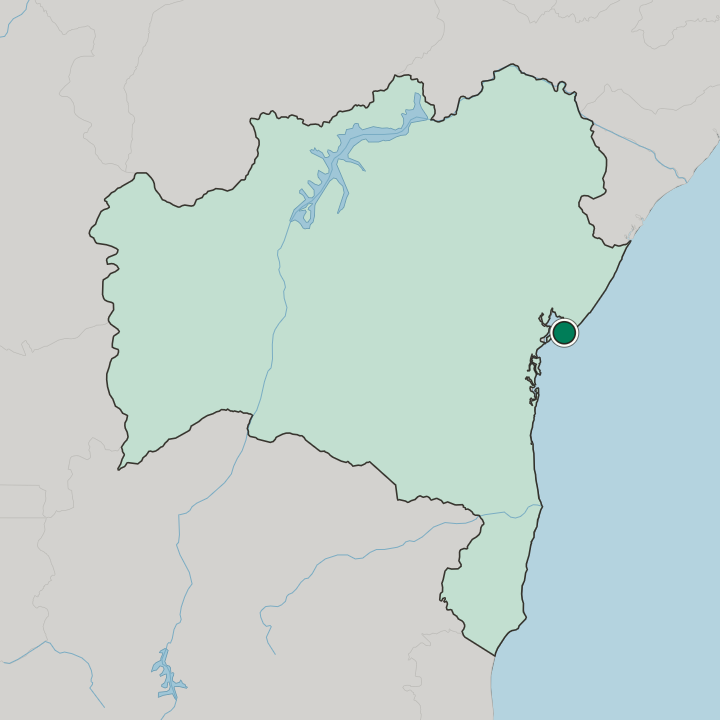
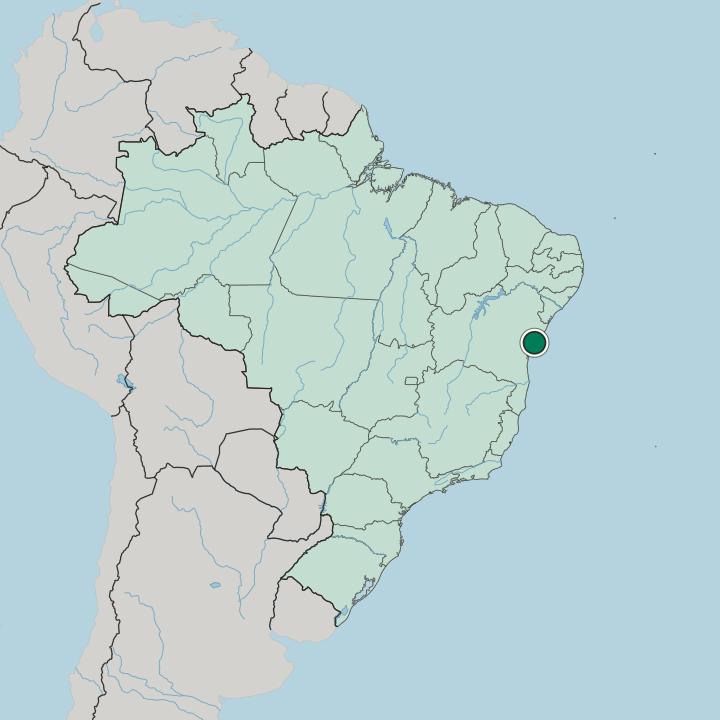
The Atlantic sets one boundary. Salvador stands on the coast of Bahia, within the Zona da Mata, and its municipal territory is compact beside the reach of the state it governs. Water is on one side, Bahia on the other.
São Marcelo Fort sits out in the water off the old city, which is the plainest sign of how much of Salvador's life has faced the sea rather than the interior.
What is the climate of Salvador?
No month here turns cold. Salvador sits in the tropical band on an exposed Atlantic shore, and the sea air crossing the city keeps humidity high and the range between months narrow, so no season reads as winter. The equator lies to the north.
Being south of it, Bahia takes its warmest weather around the turn of the year, and the mildest stretch falls while the northern hemisphere is at its hottest.
How do you get to Salvador?
Salvador is the hub, not the spur. As the capital of Bahia the city is where the state's long-distance links converge, and arrivals from the rest of Brazil come in here before they scatter down the coast or inland. The sea route is the oldest.
Ships have reached this shore since the Portuguese Empire seated its government here in 1549, and São Marcelo Fort still stands out in the water off the old city.
Common questions
What is the best area to stay in Salvador?
The colonial core: Church and music nights around the Fundação Casa de Jorge Amado. The newer waterfront quarters: Quieter stays near the Museum of Modern Art of Bahia and the Museu Rodin Bahia.
Good for
More cities in Bahia
Updated October 2026