Brazil · Bahia · Salvador
Stella Maris, Salvador — Area Guide & Where to Stay
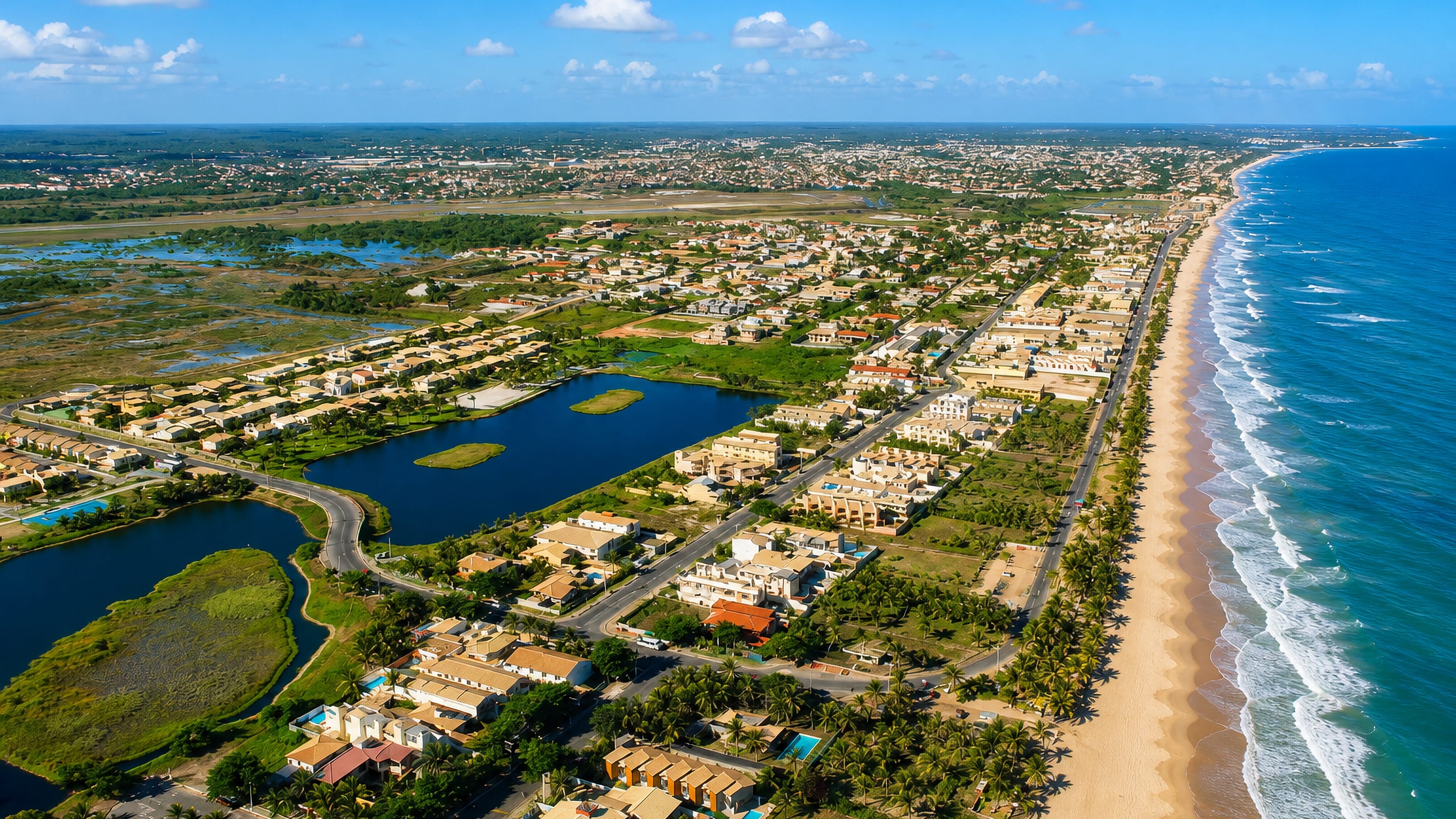
Roads in Stella Maris are alamedas named for Brazilian beaches: Garapuá, Tambaú, and Iracema, from the Alamedas da Praia subdivision in north Salvador.
Hotel links are affiliate links: booking through them may earn us a commission, at no extra cost to you. It never affects how places are ranked. How this works


Where to stay in Stella Maris
Where visitors usually base themselves, and why.
Stella Maris is the airport-and-surf end of Salvador, and that pairing is the whole case for booking a room here. Deputado Luís Eduardo Magalhães International Airport stands about two kilometres north of the neighbourhood, while the historic centre is roughly 18 kilometres away in a straight line. Proximity to the runway is why the Brazil and Uruguay squads of the 2013 FIFA Confederations Cup were housed in neighbourhood hotels, at the Gran Hotel Stella Maris and the Catussaba Resort.
The beach settles the rest. Rooms open onto a surf coast and a grid of quiet alamedas, so a visitor whose list is the upper city, its churches and its museums will lose a real slice of each day getting to them.
Few places to stay in Stella Maris — most visitors book in Salvador nearby.
Find hotels in Stella Maris
Direct booking search for this neighbourhood.
Hotel links are affiliate links: booking through them may earn us a commission, at no extra cost to you. It never affects how places are ranked. How this works
About Stella Maris
What are the main landmarks in Stella Maris?
Three beaches carry this shoreline, and they run north-east in order. Praia de Stella Maris gives the neighbourhood its name and uncovers reef pools at low tide, Praia do Flamengo follows it, and Praia de Aleluia comes last, close to the Lauro de Freitas line and known for currents that catch swimmers out. Inland the list turns civic.
Praça Guaratuba sits off Alameda Praia de Guaratuba, the Paróquia de Nossa Senhora de Fátima serves the parish, and two members' clubs hold ground here: the Clube dos Maçons and the Clube dos Empregados da Petrobrás, known as CEPE-Salvador. No museum is filed under the name.
What is the history of Stella Maris?
The name arrived with a land subdivision rather than with a settlement, and the loteamento that carried it also named the beach beside it. Petromar, a cluster of condominiums inside the neighbourhood, was built by COHAPETRO, the housing cooperative of Bahia's petroleum workers; when it could not find enough buyers among its own members it opened the flats to other workers and was eventually absorbed by a public-works company. Luxury arrived ahead of drainage.
Through the early 2010s a quarter full of gated houses was still short of basic works: flooding, unpaved and pot-holed streets, bus stops without shelter and stretches with no pavement at all. Municipal Decree 26.407, of 1 September 2015, gave the Camping Ecológico de Itapuã sixty days to shut down, although the campsite stood on Stella Maris ground rather than in the neighbourhood it was named for; fire ran through its trailers in January 2017. Praça Guaratuba gained outdoor gym equipment in April 2016 and an urban orchard of 105 fruit saplings in July 2017.
Where is Stella Maris?
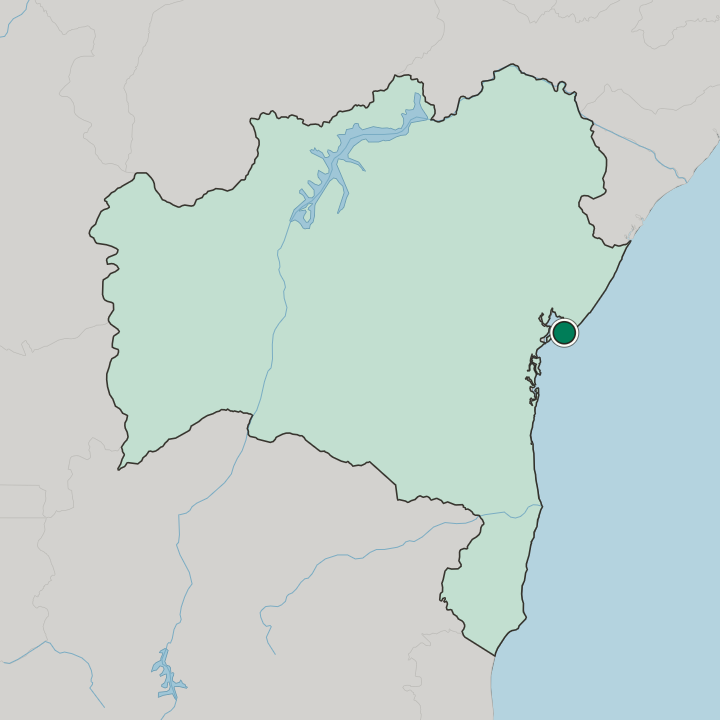
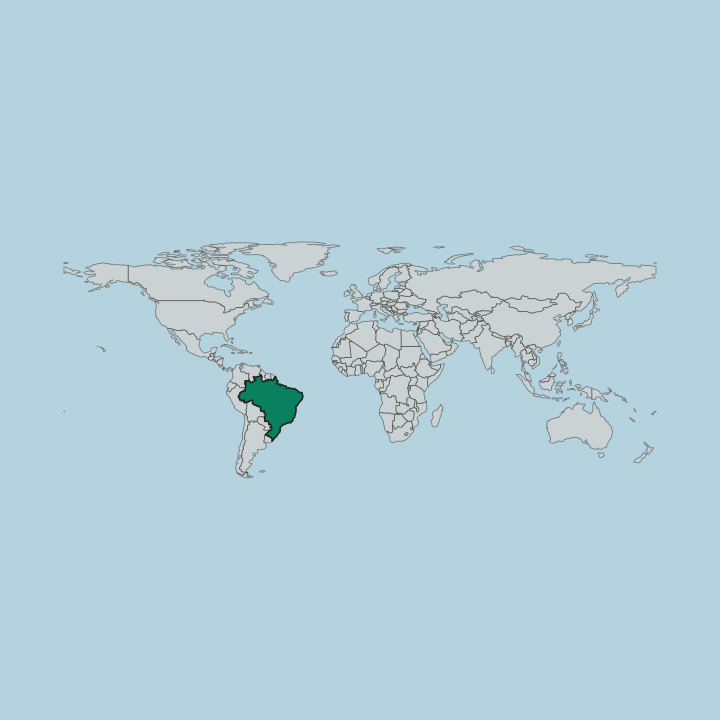
Stella Maris holds the north-eastern corner of Salvador's coast, bounded by Itapuã to the west, São Cristóvão to the north and the municipality of Lauro de Freitas to the north-east. Dunes do the rest of the work. The Riacho Flamengo, an estuary known locally as the Lagoa do Flamengo, lies inside the neighbourhood and averages 1.9 metres deep; its outlet to the sea was regulated in the 1960s by a barrier called a cachimba, and its mouth once marked where Salvador ended.
The Rio Sapato rises in the Lagoa da Vitória inside the Parque das Dunas, a dune and restinga reserve of roughly six million square metres, then runs parallel to the shore to join the mouth of the Rio Joanes.
Common questions
What is the best area to stay in Stella Maris?
Stella Maris: an early flight, a surf week, or a beach base away from the old city. Salvador's historic quarters: a trip built around the colonial upper city rather than the shoreline.
More areas in Salvador
Updated October 2026