Brazil · Goiás
Where to Stay in Anápolis, Goiás
Anápolis sits between Brasília and Goiânia, an industrial and logistics centre of the Brazilian Central-West rather than a capital of its own.
Hotel links are affiliate links: booking through them may earn us a commission, at no extra cost to you. It never affects how places are ranked. How this works


Where to stay in Anápolis
How the choice of base plays out on the ground.
Most beds in Anápolis are booked by people working. The Industrial District laid out in 1970 draws a steady stream of business travel and the hotels answer that demand first, which means an efficient room near the through routes is far easier to find than a characterful one among the older streets. That older ground is the interesting part.
Estação Ferroviária de Anápolis and Museu Histórico de Anápolis sit within it, along with Museu Histórico Alderico Borges de Carvalho, so a visitor with a free afternoon has a compact walk provided the room was chosen on that side. Choose by purpose, not by view. The other reason to stay is position.
Goiânia and Brasília are close enough on either side that Anápolis works as a break in a journey between the two capitals, and a night here costs less trouble than pushing on, with Monumento Centenário de Anápolis and Museu Casa de JK giving the evening something to do. Centro Islâmico de Anápolis is nearby as well. If you want one night between the capitals and a clear start in the morning, take a room on the through side of Anápolis and leave the museums for the daylight rather than fighting the freight traffic twice.
Find hotels in Anápolis
Direct booking searches for these neighbourhoods.
Estação Ferroviária de Anápolis
Estação Ferroviária de Anápolis, Museu Histórico de Anápolis and Museu Histórico Alderico Borges de Carvalho fall inside one walk of older fabric.Find hotels in Estação Ferroviária de Anápoliswork trips to the Anápolis plantsIndustrial District
The Industrial District opened in 1970 is where business travellers to Anápolis actually need to be, out past the residential grid.Find hotels in Industrial Districta night broken between Goiânia and BrasíliaMonumento Centenário de Anápolis
Monumento Centenário de Anápolis stands by the through route, which suits a stop taken halfway between the state capital and the federal one.Find hotels in Monumento Centenário de AnápolisHotel links are affiliate links: booking through them may earn us a commission, at no extra cost to you. It never affects how places are ranked. How this works
Things to do in Anápolis
Ranked by global recognition; descriptions from Wikidata (CC0).
Museums & Galleries
1- Museu Histórico Alderico Borges de Carvalho
Landmarks & Notable Places
6- Estação Ferroviária de Anápolis Heritage
- Centro Islâmico de Anápolis Heritage
- Monumento Centenário de Anápolis Heritage
- Museu Casa de JK Heritage
- Museu Histórico de Anápolis Heritage
Show 1 more →
- Painel da artista Iza Costa Heritage
worth knowingacross 2 categories in Anápolis
About Anápolis
Freight before sightseeing.
What is Anápolis known for?
The Industrial District opened in 1970 made Anápolis the manufacturing and logistics centre of the Brazilian Central-West, a role its position handed it: Brasília lies on one side, Goiânia on the other. Estação Ferroviária de Anápolis records the earlier stage. Museu Casa de JK and Museu Histórico Alderico Borges de Carvalho hold the public collections, and Centro Islâmico de Anápolis stands among the listed landmarks of a city better known for its warehouses.
What are the main landmarks in Anápolis?
Three museums for one city. Museu Histórico de Anápolis, Museu Histórico Alderico Borges de Carvalho and Museu Casa de JK divide the local record between them, which is an unusual concentration of collections for a city of this rank in Goiás. Monumento Centenário de Anápolis marks the first hundred years from 1887.
Painel da artista Iza Costa puts a work of art on public view, Estação Ferroviária de Anápolis keeps the rail-era building standing, and Centro Islâmico de Anápolis closes the list.
What is the history of Anápolis?
Anápolis begins in 1887. The town grew where the routes crossed the interior of Goiás, and Estação Ferroviária de Anápolis still stands as evidence of the stage when a place's fortunes turned on whether the line stopped in it. Rail settled that question here.
Museu Histórico de Anápolis and Museu Histórico Alderico Borges de Carvalho hold the documents of those decades between them, which is a good deal of institutional memory for a city outside a capital. The second turn came in 1970. An Industrial District laid out that year converted a market and rail town into the manufacturing base of the Brazilian Central-West, and the change was structural rather than gradual: what had been a stop on the way to somewhere else became a place where goods were made and dispatched.
Anápolis had the map on its side. With Goiânia on one side and Brasília on the other, Anápolis took the logistics role between the state capital and the federal one. Monumento Centenário de Anápolis marks the hundred years from 1887.
Museu Casa de JK is one of the houses the city turned into a museum, while Painel da artista Iza Costa and Centro Islâmico de Anápolis are later additions to a place that keeps adding institutions rather than replacing them. The centenary is recent history. A city that reached its hundredth year within one working life of the Industrial District's opening has a short past, and Goiás has few municipalities whose record is documented across so narrow a span.
Where is Anápolis?
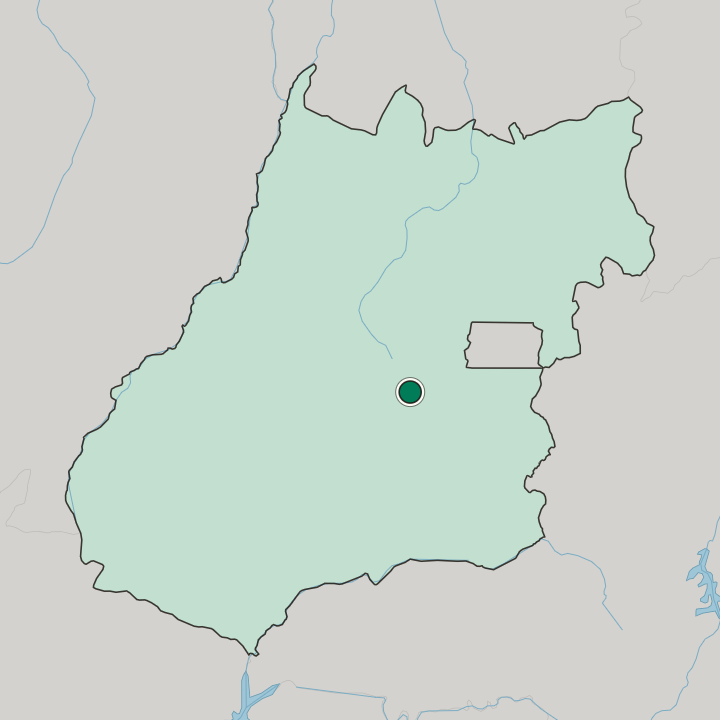
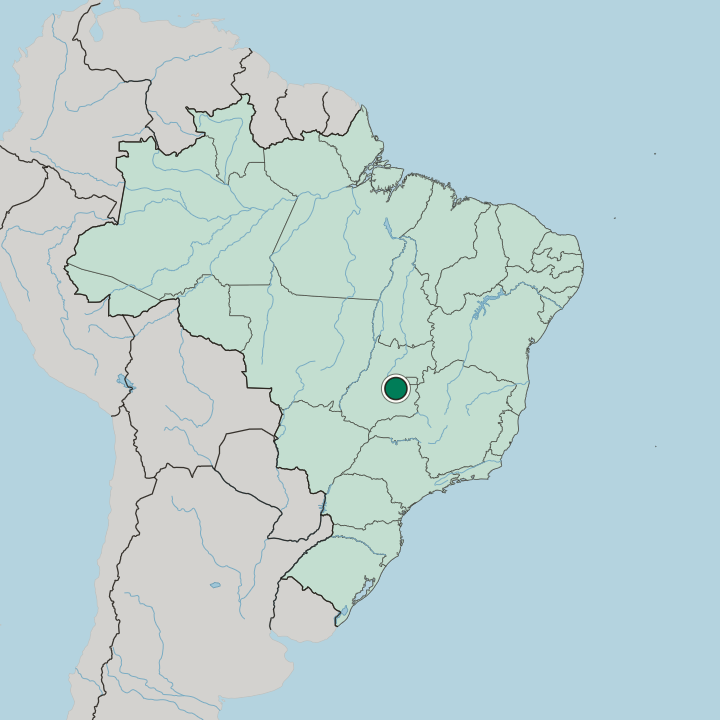
Position is the whole of it. Anápolis lies in the interior of Goiás on the corridor between Goiânia and Brasília, close enough to both that the city's working life runs along that axis rather than around any river or range of its own. The municipality is not large.
Its built-up area takes up a good share of the ground it governs, and it sits below the equator inside the tropical band that covers this part of the Brazilian Central-West.
What is the climate of Anápolis?
Distance from the sea sets the terms. Anápolis stands well inland in Goiás, inside the tropical band and below the equator, so the year divides into a wet stretch and a dry one rather than into a warm half and a cold one. Frost plays no part in it.
The same interior air that reaches Goiânia and Brasília reaches here, since the three sit close together on one stretch of the Brazilian Central-West.
How do you get to Anápolis?
Two capitals feed the traffic. Anápolis sits on the corridor between Goiânia and Brasília, so arrival is straightforward from either direction, and that same convenience is why the city works as a logistics centre of the Brazilian Central-West rather than as a destination on its own account. Estação Ferroviária de Anápolis belongs to an earlier arrangement, when the line rather than the highway decided who arrived.
Road access is the practical answer.
Common questions
What is the best area to stay in Anápolis?
Estação Ferroviária de Anápolis: the rail-era streets and the two history museums. Industrial District: work trips to the Anápolis plants. Monumento Centenário de Anápolis: a night broken between Goiânia and Brasília.
More cities in Goiás
Updated September 2026