Brazil · Goiás
Where to Stay in Goiânia, Goiás
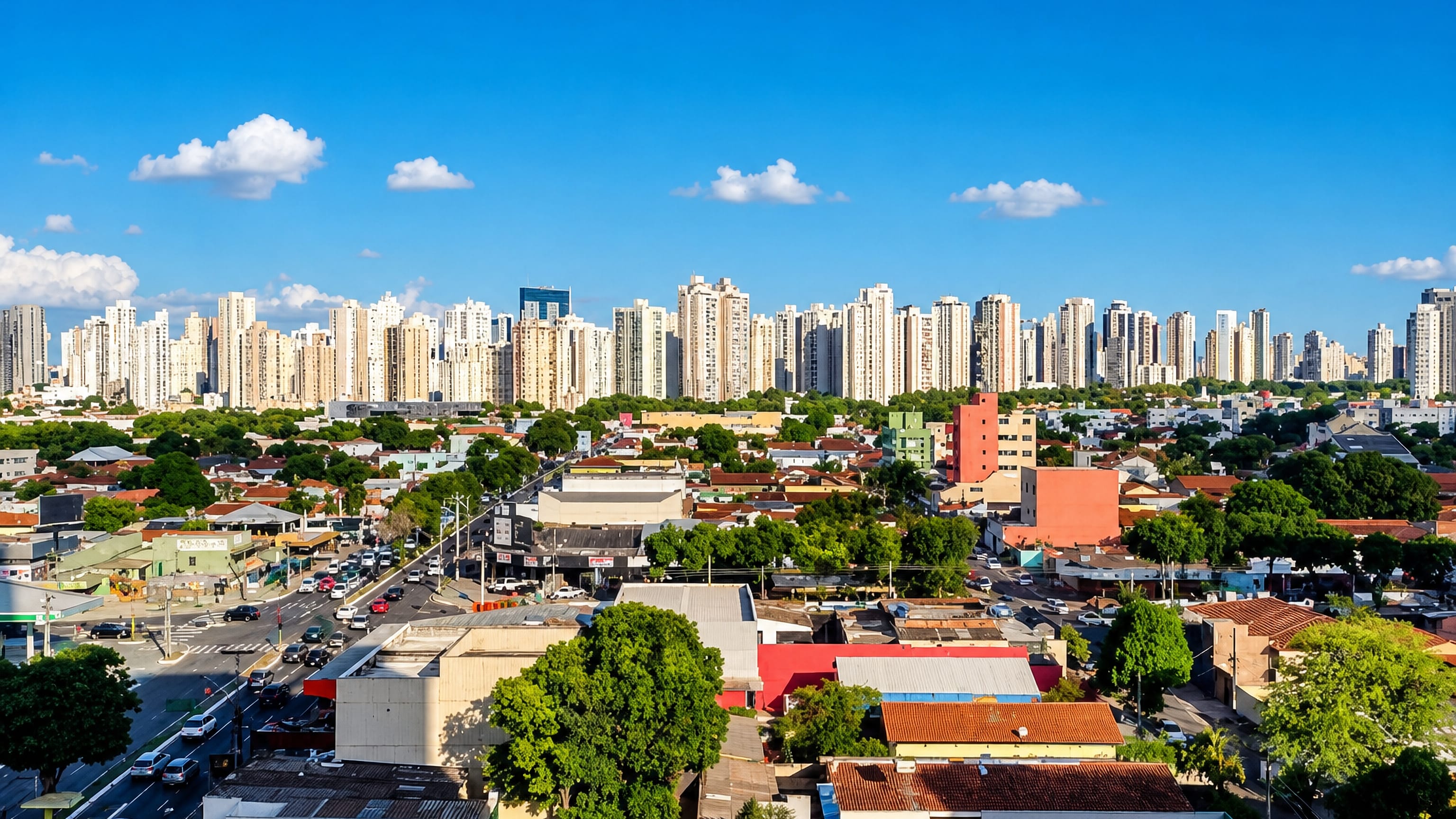
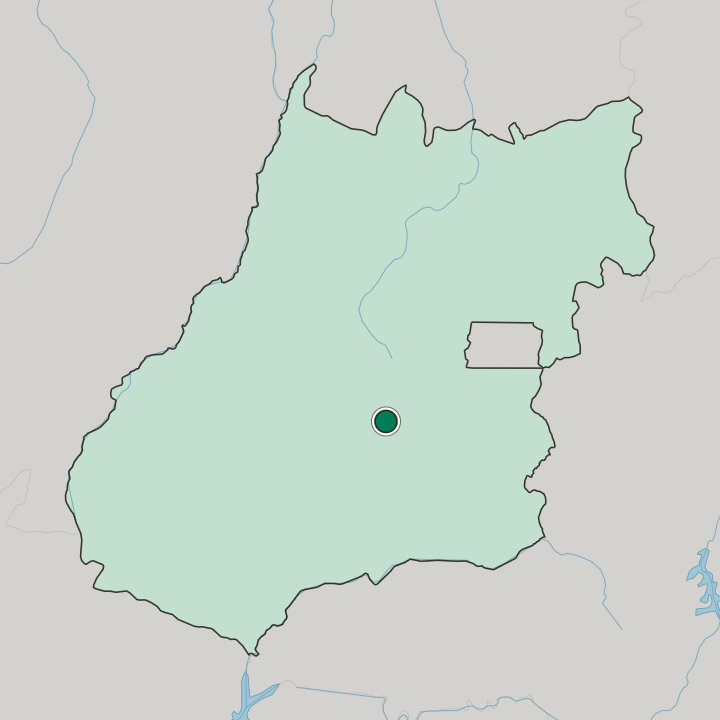
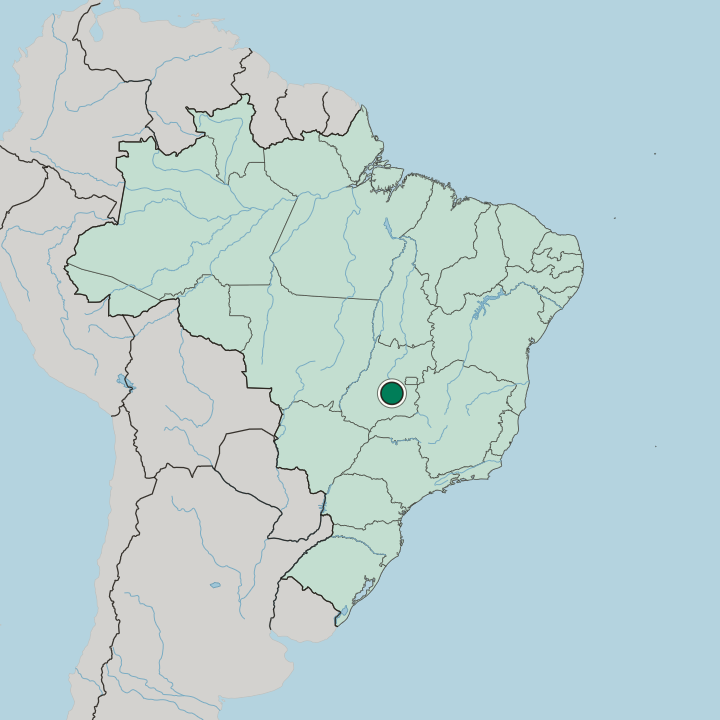
Goiânia, the capital of Goiás, is a flat city of central Brazil laid out from 1933 on the plain of the Meia Ponte River.
Hotel links are affiliate links: booking through them may earn us a commission, at no extra cost to you. It never affects how places are ranked. How this works


Where to stay in Goiânia
Where visitors usually base themselves, and why.
Goiânia is a capital first, so its hotels answer to business before tourism. The blocks around Grande Hotel de Goiânia and Our Lady Help of Christians Cathedral hold the oldest fabric the city has and the densest concentration of places to walk to, which for a stay of two nights is the argument that settles the question. The ground is flat throughout.
Nothing about the city punishes walking, and the distance between one museum address and the next is the only real limit on how much of the collection a visitor gets through in a day. Families do better away from the centre. Zoológico de Goiânia and Museu de Escultura ao Ar Livre are the two stops that work without a guidebook, and staying near them puts an afternoon outdoors within reach without a long drive across Goiás.
Monumento às Três Raças marks the civic quarter, where Museu Zoroastro Artiaga and Museu de Arte de Goiânia stand within the same short set of streets. The Meia Ponte River side is quieter. If you want the museums rather than the meeting rooms, take a central address, treat the zoo as an excursion, and accept that beds along the river are fewer and the walk back into the avenues long.
Find hotels in Goiânia
Direct booking searches for these neighbourhoods.
Grande Hotel de Goiânia
Grande Hotel de Goiânia and Our Lady Help of Christians Cathedral stand in the oldest built fabric Goiânia has, which is the part worth covering on foot.Find hotels in Grande Hotel de Goiâniathe civic quarter and its museum clusterMonumento às Três Raças
Monumento às Três Raças anchors the civic side of Goiânia, the quarter that also carries Museu Zoroastro Artiaga and Museu de Arte de Goiânia.Find hotels in Monumento às Três Raçaschildren, with the zoo and the open-air sculpturesZoológico de Goiânia
Zoológico de Goiânia and Museu de Escultura ao Ar Livre give a family stay two outdoor stops that ask for no museum discipline.Find hotels in Zoológico de Goiâniaquiet ground on the water side of the avenuesMeia Ponte River
The Meia Ponte River and the Botafogo stream cross the level edge of Goiânia, where the traffic of the avenues drops away and the beds thin out. Few places to stay nearby — book ahead.Find hotels in Meia Ponte RiverHotel links are affiliate links: booking through them may earn us a commission, at no extra cost to you. It never affects how places are ranked. How this works
Things to do in Goiânia
Ranked by global recognition; descriptions from Wikidata (CC0).
Museums & Galleries
3- Academia Goiana de Letras Heritage
- Museu Zoroastro Artiaga Heritage
- Museu Pedro Ludovico Heritage
Churches & Religious Sites
2- Our Lady Help of Christians Cathedral, Goiânia
- Paróquia Imaculado Coração de Maria
Castles & Historic Sites
2- Monumento às Três Raças Heritage
- Monumento à Paz Mundial Heritage
Landmarks & Notable Places
2- Casa de Pedro Ludovico Teixeira Heritage
- Sobrado Heritage
worth knowingacross 4 categories in Goiânia
About Goiânia
A capital heavy with museums.
What is Goiânia known for?
Goiânia keeps more than a dozen of them, from Museu Zoroastro Artiaga and Museu de Arte de Goiânia to Museu Antropológico da Universidade Federal de Goiás, which is a great deal of collection for a city founded in 1933. Monumento às Três Raças and Monumento à Paz Mundial are its named monuments. Our Lady Help of Christians Cathedral and Grande Hotel de Goiânia belong to the period when Goiás was equipping a new capital.
What are the main landmarks in Goiânia?
Twenty-one entries, and most of them indoors. Museu Pedro Ludovico and Casa de Pedro Ludovico Teixeira carry the same name between them, Museu da Imagem e do Som and Centro Cultural Jesco Puttkamer sit alongside, and Fundação Museu de Ornitologia narrows the subject to birds while Museu de Escultura ao Ar Livre moves it outdoors. Zoológico de Goiânia is the family stop.
Academia Goiana de Letras and Academia Feminina de Letras e Artes de Goiás are literary institutions rather than sights, which indicates well enough where the city puts its civic energy.
What is the history of Goiânia?
Goiânia dates from 1933. A capital founded that late leaves an unusual record, since the buildings that matter most to its story are the first ones, and Grande Hotel de Goiânia and Our Lady Help of Christians Cathedral are landmarks of a city with no earlier fabric to preserve. Nothing here grew slowly.
The plan and the public buildings arrived together, which is why the older core of the city reads as one piece rather than as a sequence of periods laid over each other. Pedro Ludovico Teixeira is the name the city repeats. Museu Pedro Ludovico and Casa de Pedro Ludovico Teixeira both commemorate him, and no other figure in Goiânia holds two institutions, which is a clear enough signal of how the founding decade is remembered.
Sobrado survives from the same stretch of years. Museu Zoroastro Artiaga and Instituto de Pesquisas e Estudos Históricos do Brasil Central widen the record well past the capital, covering Goiás and the interior of Brazil rather than the city alone. The institutions did the rest.
Academia Goiana de Letras and Academia Feminina de Letras e Artes de Goiás gave the capital its literary bodies, Centro de Memória Juiz Paulo Fleury da Silva e Souza keeps a legal archive, and Museu da Pontifícia Universidade Católica de Goiás ties part of the record to a university. History here is documentation. A city of this age has no ruins to interpret, so what it preserves instead is paper, photographs and the recollection of people who watched the first avenues go in across the Meia Ponte plain.
Where is Goiânia?
Water runs through it in threes. The Meia Ponte River crosses Goiânia with the Botafogo and Capim Puba streams working the same drainage, and the ground they cross is flat over most of the municipality, with few hills and few lowlands to break it up. That evenness shaped the plan.
A city laid out on level land in central Brazil could put its avenues where it wanted rather than where the terrain allowed, and Goiás has no other capital ground like it.
What is the climate of Goiânia?
The Meia Ponte plain gives Goiânia no shelter from the sun, which is what flat ground in the tropics usually means, and the year divides into a wet stretch and a dry one rather than into hot and cold halves. Rain arrives on a schedule. Below the equator the cooler weeks fall in the middle of the calendar year, and even those stay warm across central Brazil.
How do you get to Goiânia?
Every road in Goiás ends up here. Goiânia is the state's capital and its largest city, so the traffic of the whole interior converges on it, and arriving is a question of which side of central Brazil to come in from rather than of finding a connection at all. Level ground carried those roads in without much engineering.
Distance is the only obstacle.
Common questions
What is the best area to stay in Goiânia?
Grande Hotel de Goiânia: the founding-era blocks and the cathedral. Monumento às Três Raças: the civic quarter and its museum cluster. Zoológico de Goiânia: children, with the zoo and the open-air sculptures. Meia Ponte River: quiet ground on the water side of the avenues.
Good for
More cities in Goiás
Updated October 2026