Brazil · Mato Grosso
Where to Stay in Cuiabá, Mato Grosso
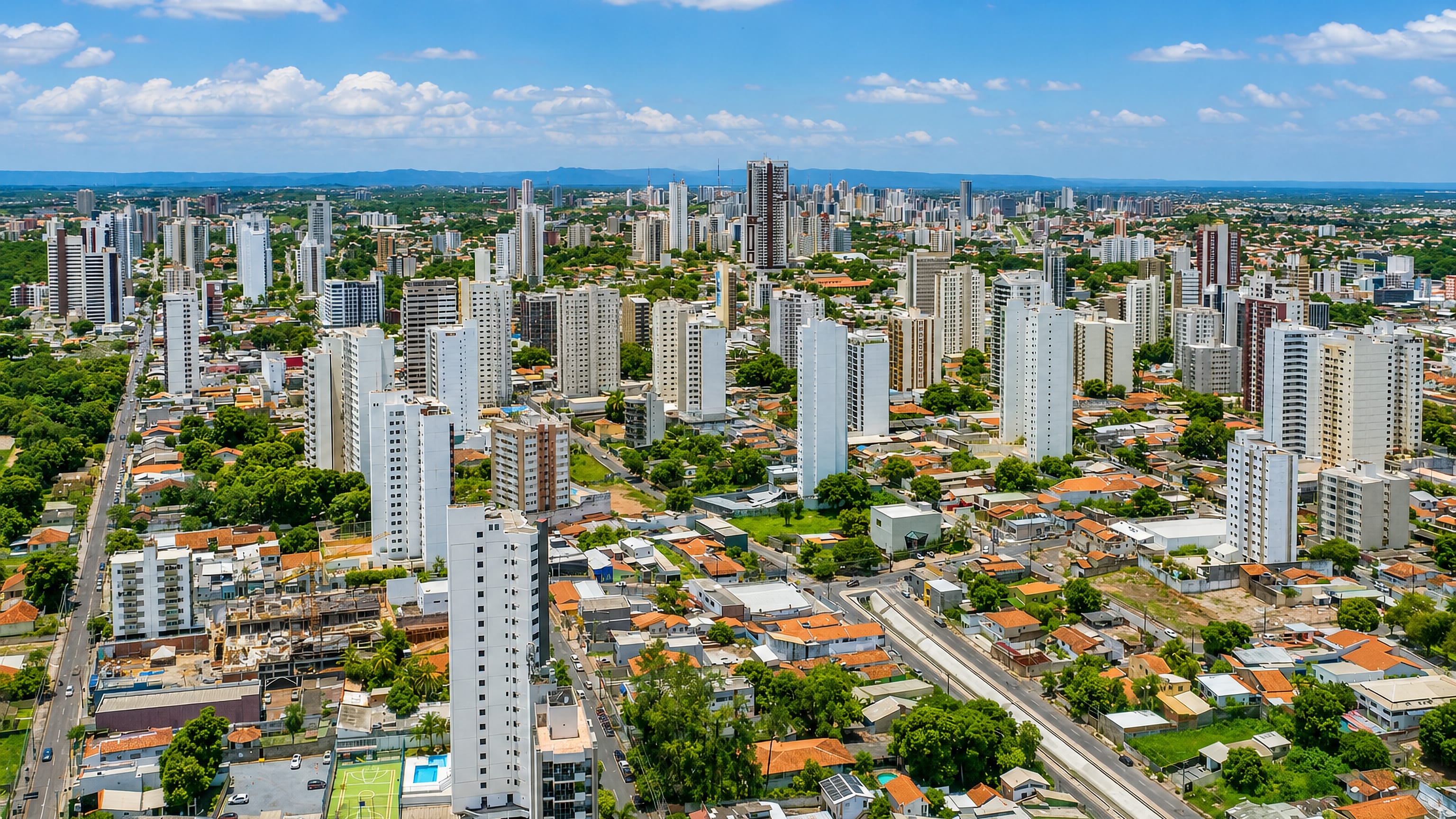
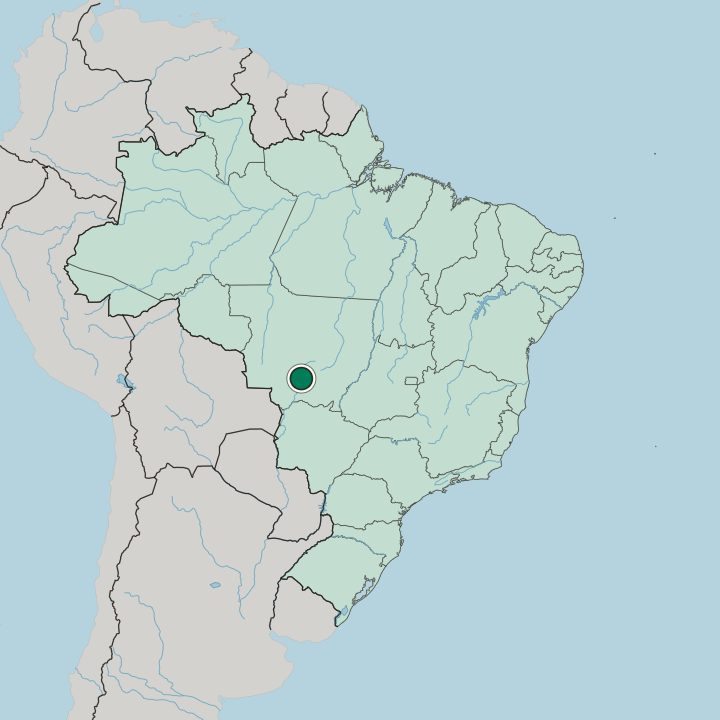
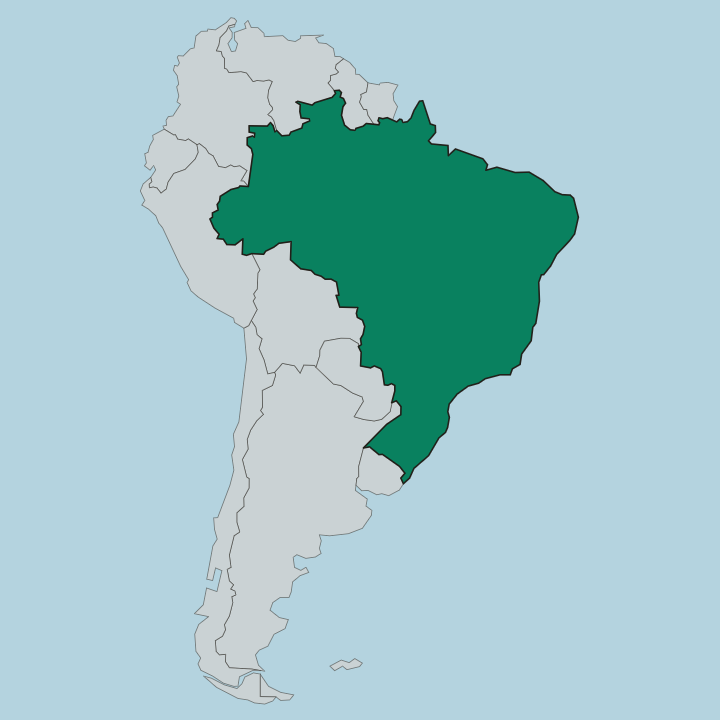
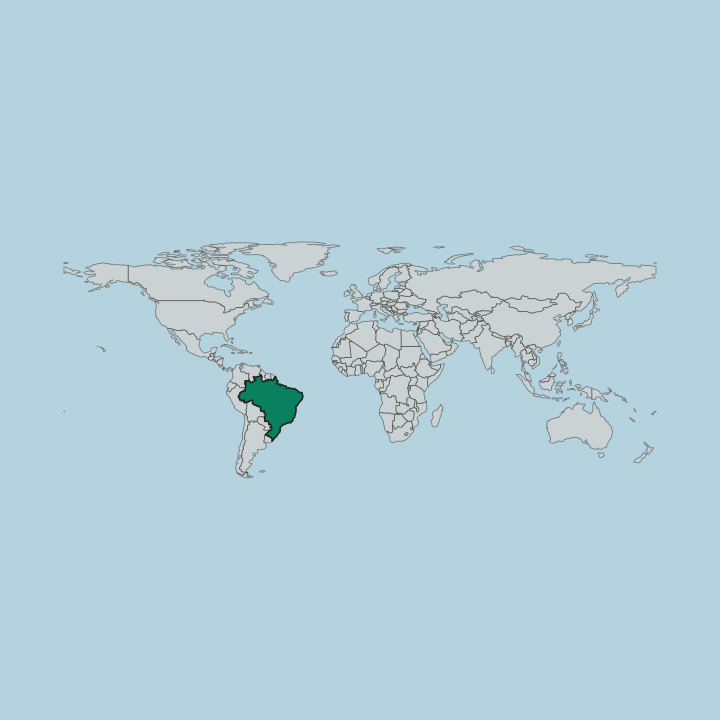
Cuiabá, capital of Mato Grosso, carries a Bororo name meaning arrow-fishing and stands near the geographical centre of South America.
Hotel links are affiliate links: booking through them may earn us a commission, at no extra cost to you. It never affects how places are ranked. How this works


Where to stay in Cuiabá
Not every neighbourhood fits every trip — here's what each one is good for.

 CuiabáBrazil
Goiabeira
Goiabeira, a district of Cuiabá in Mato Grosso, gathers the Igreja de São Gonçalo, the Chafariz do Mundéu and several state museums.Where to stay →CuiabáBrazilJardim das Américas
Jardim das Américas is a Cuiabá district in Mato Grosso, Brazil, holding the Museu Rondon and a university geosciences collection.Where to stay →CuiabáBrazilCarumbé
The Memorial João Paulo II stands in Carumbé, one of the districts that make up Cuiabá in the Brazilian state of Mato Grosso.Where to stay →CuiabáBrazilBoa Esperança
Boa Esperança is a district of Cuiabá, in Mato Grosso, Brazil, that holds the Museu de Arte e de Cultura Popular.Where to stay →Hotel links are affiliate links: booking through them may earn us a commission, at no extra cost to you. It never affects how places are ranked. How this works
Find hotels in Cuiabá
Direct booking searches for these neighbourhoods.
The old church quarter
The oldest streets of Cuiabá hold the Church of Our Lady of the Rosary and Saint Benedict and the Igreja Nossa Senhora do Bom Despacho within a few blocksFind hotels in The old church quarterEarly mornings on the Mãe Bonifácia State Park trailsMãe Bonifácia
Shade and trails stand in for the church blocks here, which suits a stay built around cool starts rather than museum hoursFind hotels in Mãe BonifáciaA short stop in the Cuiabá metropolitan area away from the old centreVárzea Grande
The neighbouring town shares the metropolitan area, trading the walk to the Museu do Rio Cuiabá for an easier run in and out by roadFind hotels in Várzea GrandeHotel links are affiliate links: booking through them may earn us a commission, at no extra cost to you. It never affects how places are ranked. How this works
Things to do in Cuiabá
Ranked by global recognition; descriptions from Wikidata (CC0).
Museums & Galleries
4- Museu do Rio Cuiabá Heritage
- Mato Grosso Historical Museum Heritage
- Sacred Art Museum of Mato Grosso Heritage
- Museu Manoel do Espírito Santo "Rei da Água" Heritage
Churches & Religious Sites
5- Church of Our Lady of the Rosary and Saint Benedict Heritage
- Igreja Nossa Senhora do Bom Despacho Heritage
- Igreja Nosso Senhor dos Passos Heritage
- Igreja de São Gonçalo Heritage
- Igreja da Nossa Senhora da Boa Morte Heritage
Castles & Historic Sites
3- Chafariz do Mundéu Heritage
- Monumento dos Direitos Humanos Universais Heritage
- Marco Geodesico da America do Sul Heritage
Stadiums & Sports
1- Ginásio Aecim Tocantins
worth knowingacross 4 categories in Cuiabá
About Cuiabá
Churches, museums and heat.
What is Cuiabá known for?
Cuiabá keeps the Church of Our Lady of the Rosary and Saint Benedict, the Igreja de São Gonçalo and a run of museums covering sacred art, natural history and the Rio Cuiabá itself. Mãe Bonifácia State Park holds the green. The city trades for the cattle country and farmland of Mato Grosso around it, and it hosted matches at the 2014 FIFA World Cup.
What are the main landmarks in Cuiabá?
Cuiabá counts its churches first. The Church of Our Lady of the Rosary and Saint Benedict, the Igreja de São Gonçalo, the Igreja da Nossa Senhora da Boa Morte and the Igreja Nosso Senhor dos Passos stand among the oldest work in the city. Museums run past a dozen: the Mato Grosso Historical Museum, the Mato Grosso Natural History Museum, the Museu Rondon and the Museu de Arte e de Cultura Popular.
The Marco Geodesico da America do Sul marks the continent's middle. Mãe Bonifácia State Park and the Municipal Aquarium of Cuiabá take the rest of a visitor's time.
What is the history of Cuiabá?
Gold brought the town. Cuiabá was founded in 1719, during the rush, and the name comes from a Bororo word meaning arrow-fishing, which points at the river long before the mines. The churches followed the gold.
The Church of Our Lady of the Rosary and Saint Benedict, the Igreja de São Gonçalo and the Igreja da Nossa Senhora da Boa Morte belong to the older centuries of the settlement on the Rio Cuiabá. It has been the state capital since 1818. Cattle and crops replaced the gold.
Cuiabá became the trading centre for the cattle country and farmland of Mato Grosso, and the agribusiness that followed pushed the city and its neighbour Várzea Grande into one metropolitan area. The Museu Rondon and the Mato Grosso Historical Museum hold that record, while the Museu do Rio Cuiabá keeps the river's and the Sacred Art Museum of Mato Grosso the churches'. Football arrived in 2014.
The city hosted World Cup matches that year, which is the reason a visitor from outside Brazil is likeliest to have heard the name at all, and the Ginásio Aecim Tocantins still fills for events of its own.
Where is Cuiabá?
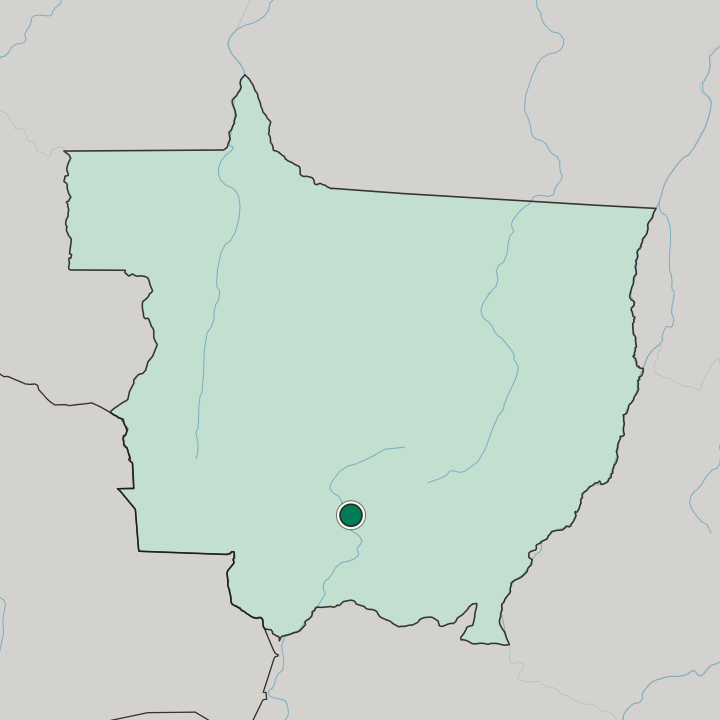
The Rio Cuiabá runs through it. Cuiabá lies near the geographical centre of South America, a fact the Marco Geodesico da America do Sul marks in the city, on ground that carries the state capital and the neighbouring Várzea Grande as one built-up area. Mato Grosso opens out around them in cattle country and farmland, and Mãe Bonifácia State Park keeps a piece of the older vegetation inside the streets.
The river gave the city its name.
What is the climate of Cuiabá?
Heat in Cuiabá never lets up. The tropical band of the southern hemisphere gives Cuiabá a wet season and a dry one, and the wet arrives with the storms that fill the Rio Cuiabá while the dry leaves the country around it brown. Shade matters more than season here, which is part of why Mãe Bonifácia State Park draws walkers at first light rather than at midday.
Cuiabá's nights hold onto the day's warmth.
How do you get to Cuiabá?
Distance is the first fact. Cuiabá sits near the middle of South America, far from every coast, so arrival means a long overland run or a flight into the metropolitan area it shares with Várzea Grande. The Marco Geodesico da America do Sul makes the point in stone.
Once here, the old centre and Mãe Bonifácia State Park sit far enough apart that a visitor without transport will spend the hot part of the day regretting it.
Common questions
What is the best area to stay in Cuiabá?
The old church quarter: Walkers wanting the Chafariz do Mundéu and the Sacred Art Museum of Mato Grosso before the heat. Mãe Bonifácia: Early mornings on the Mãe Bonifácia State Park trails. Várzea Grande: A short stop in the Cuiabá metropolitan area away from the old centre.
Good for
More cities in Mato Grosso
Updated October 2026