Brazil · Mato Grosso
Where to Stay in Sorriso, Mato Grosso
The name of Sorriso comes from só riso, only rice, the shorthand Italian settlers used for the one crop they planted in this part of Mato Grosso.
Hotel links are affiliate links: booking through them may earn us a commission, at no extra cost to you. It never affects how places are ranked. How this works


Where to stay in Sorriso
How the choice of base plays out on the ground.
Sorriso puts nearly all its rooms within reach of Centro Histórico-Cultural Benjamin Raiser, because that is where the built-up town is and no second cluster competes with it. Hotels run to the practical kind. They serve people arriving on farm business in the Central-West Region rather than travellers working through a list of sights, which sets the tone of the breakfast rooms and the parking arrangements far more than any question of style.
The grid is small enough to walk. That flattens the difference between one central address and another, so proximity to the Benjamin Raiser collection is less a deciding factor here than it would be in an older Mato Grosso town. Beyond the streets the picture changes fast.
The só riso fields that gave Sorriso its name begin almost immediately, and beds out there are thin on the ground, tied to the crop rather than to any calendar a visitor would recognise. Most people stay one night. If you are here for the Benjamin Raiser collection and nothing more, a central room and a morning cover it, and the drive on across Mato Grosso can begin after lunch with nothing left undone.
Harvest is the exception, when farm traffic fills the same hotels and a room booked late is a room found somewhere else.
Find hotels in Sorriso
Direct booking searches for these neighbourhoods.
Centro Histórico-Cultural Benjamin Raiser
Centro Histórico-Cultural Benjamin Raiser stands in the built-up core, the one part of Sorriso where addresses are close enough to walk between.Find hotels in Centro Histórico-Cultural Benjamin Raiserfarm business in the só riso fieldsSorriso's rice country
The só riso fields that named Sorriso start where its streets stop, and rooms out there answer to the crop calendar rather than to visitors. Rooms are few around here — worth securing early.Find hotels in Sorriso's rice countryHotel links are affiliate links: booking through them may earn us a commission, at no extra cost to you. It never affects how places are ranked. How this works
About Sorriso
Rice gave the town its name.
What is Sorriso known for?
Italian immigrants who cultivated nothing else in this part of Mato Grosso called their ground só riso, only rice, and the two words fused into Sorriso, which in Portuguese reads as the word for a smile. The pun stuck. Centro Histórico-Cultural Benjamin Raiser holds what the municipality has gathered of its own past, which for a place dating from 1986 is the record of barely more than one generation.
What are the main landmarks in Sorriso?
One institution stands in for the rest. Centro Histórico-Cultural Benjamin Raiser is the only listed landmark in Sorriso, which is what a founding date of 1986 tends to produce: a town with no cathedral square, no colonial fort and no ruin to walk around. Its subject is the settlement itself.
Anyone expecting the monument count of an older Mato Grosso town will find the list ends where it began, with the Benjamin Raiser rooms and the farmland that pays for them.
What is the history of Sorriso?
Sorriso is a creation of the 1980s. The municipality dates from 1986, a founding well inside living memory, and it belongs to the settlement of the Central-West Region rather than to the coastal history that produced Brazil's older cities. Italians came to farm.
They planted rice and little else, and the shorthand they used among themselves for their own ground, só riso, only rice, did the work that a saint or a river does elsewhere and turned into the name of a town. The word carried a joke with it. Read as Portuguese rather than as clipped Italian, sorriso means a smile, so a name that recorded a single crop arrived already sounding like something warmer, and nobody has since bothered to correct the impression.
Mato Grosso absorbed the settlement quickly. What Centro Histórico-Cultural Benjamin Raiser preserves is therefore a compressed history: a few decades of clearing, planting and building, without the layers that make an older municipality hard to summarise. Everything here is first-hand.
The people who marked out the first streets of Sorriso can still describe the ground as it stood before them, which is not true of many places in Brazil carrying city status, and it gives the Benjamin Raiser collection a subject its curators can check against living witnesses. That shortness is the history. A town in the Central-West Region that went from rice fields to municipality inside one working life has no earlier chapter to recover, and the record it keeps is correspondingly exact.
Where is Sorriso?
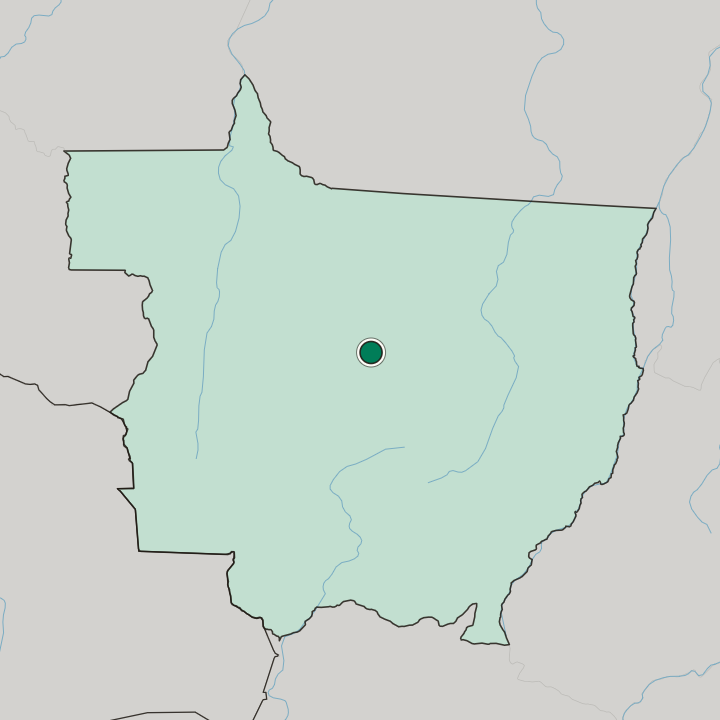
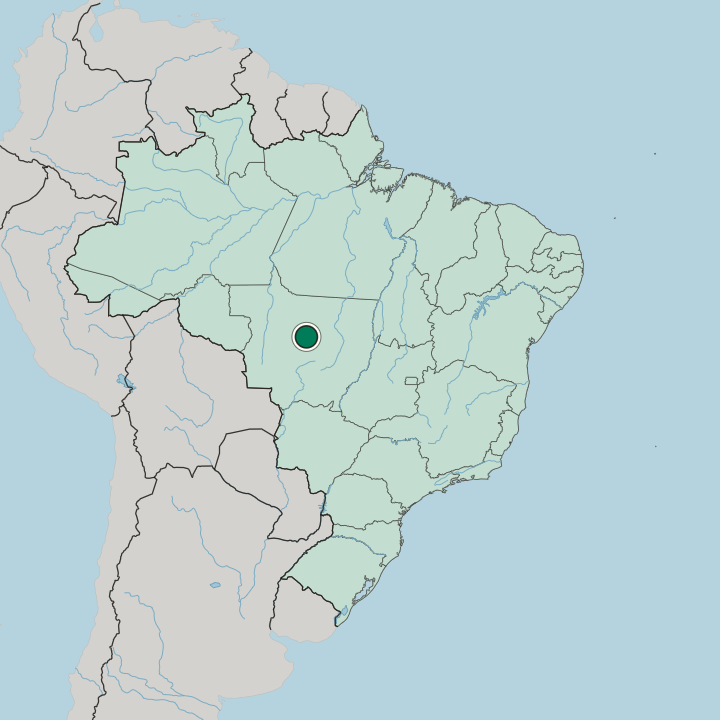
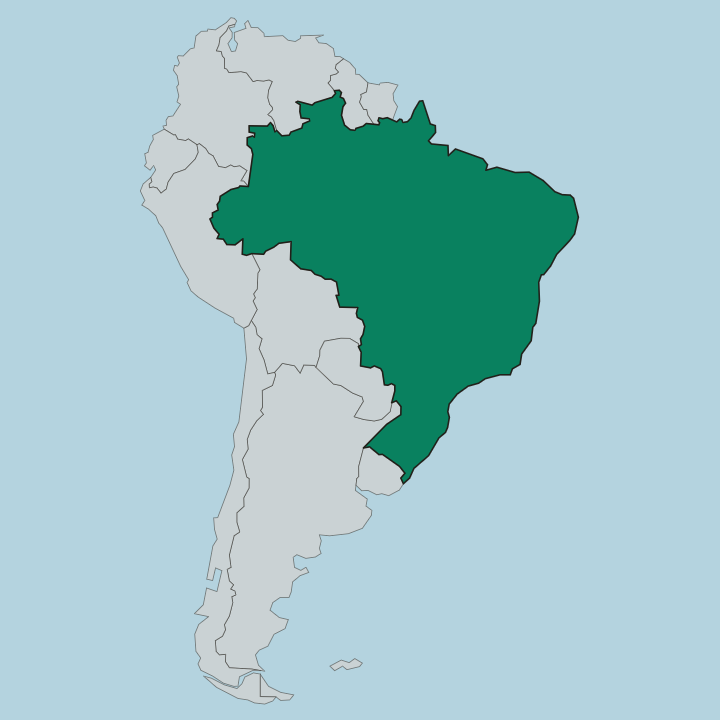
Most of Sorriso is field. The municipality spreads across a share of Mato Grosso many times the size of its built-up area, which is standard for the Central-West Region and means the name on the map covers cropland far more than it covers town. It sits below the equator, in the tropics.
Rice was the first thing the Italian settlers put into that ground, and the even interior that made a single crop practical still decides the shape of everything outside the streets.
What is the climate of Sorriso?
The Central-West Region gives Sorriso its weather and gives it without much variation: an interior far from any coast, deep in the tropical band and below the equator, where the calendar turns on rainfall instead of on temperature. Cold is not part of the year. The farming season that first brought rice to this ground still follows the wet months rather than any thermometer.
How do you get to Sorriso?
Everything here arrives on the highway. Sorriso lies in the middle of Mato Grosso's farming country, a long way from the Brazilian coast, so every arrival is a haul across the Central-West Region by vehicle rather than a short hop from anywhere nearby. Farm traffic moving the crop uses those same routes, which is worth knowing when the fields are being cleared.
Timing matters more than distance.
Common questions
What is the best area to stay in Sorriso?
Centro Histórico-Cultural Benjamin Raiser: the only museum stop Sorriso owns. Sorriso's rice country: farm business in the só riso fields.
More cities in Mato Grosso
Updated September 2026