Brazil · Mato Grosso
Where to Stay in Sinop, Mato Grosso
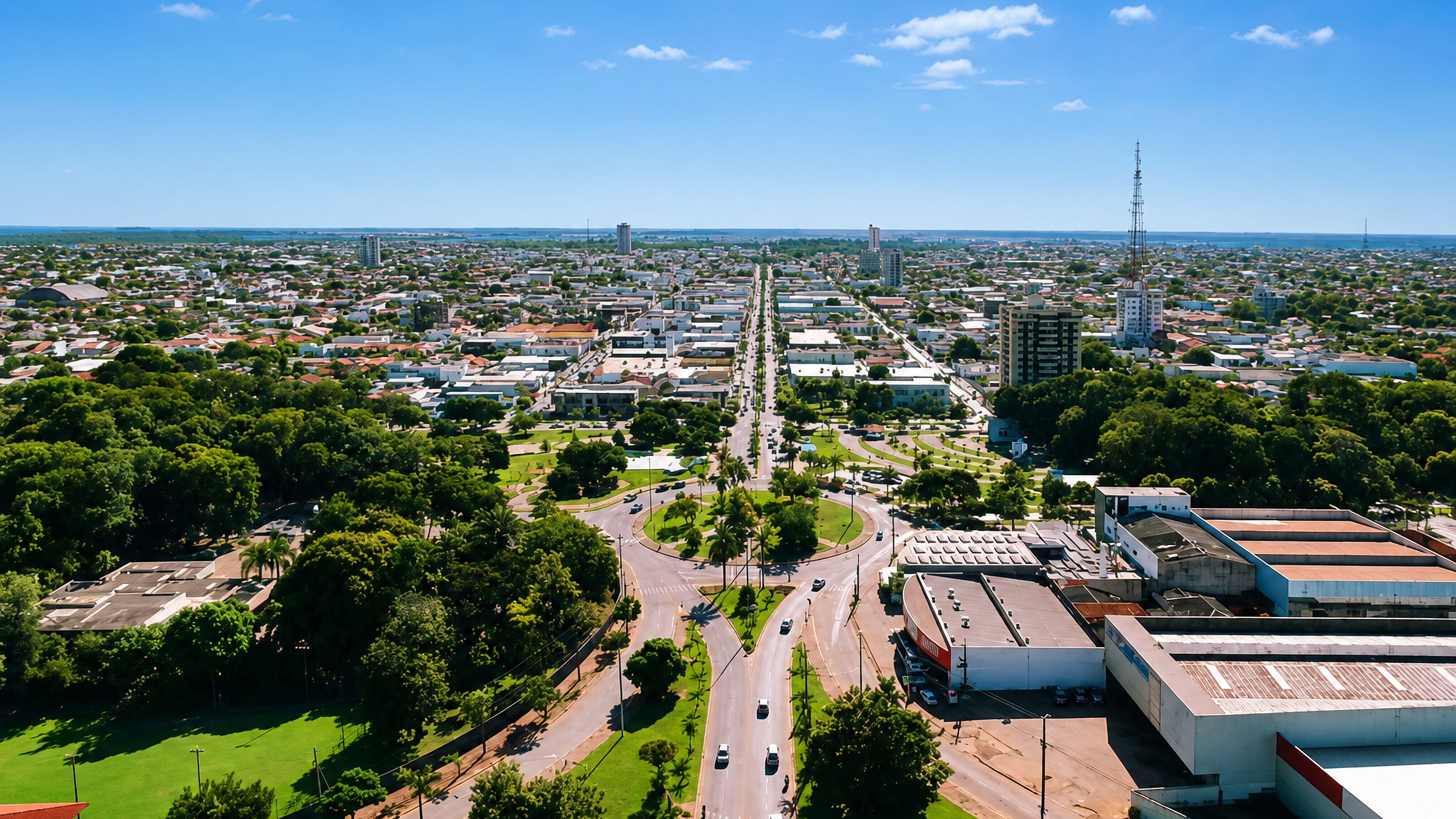
Sinop, the Capital of Nortão, is the fourth-largest city in Mato Grosso and holds the state's only Embrapa branch. Founded in 1974.
Hotel links are affiliate links: booking through them may earn us a commission, at no extra cost to you. It never affects how places are ranked. How this works


Where to stay in Sinop
Where the beds are, and what that means for the visit.
Beds cluster near the Cathedral of the Sacred Heart. The streets around it hold the town's business as well as most of its rooms, and that central ground puts the Museu Histórico de Sinop and the Paróquia Santo Antonio inside a walk, which for a stay of a night or two removes any need to drive once the drive in is over. It is a working town.
Rooms fill with people in on agricultural business rather than with holidaymakers, and if you want the evenings quieter you are better placed on the outer streets toward the Estátua Cristo Redendor, where the traffic thins. Most stays are short. Sinop is a stop on a longer route through northern Mato Grosso rather than an end in itself, so one night is the usual shape of a visit and the departure time matters more than the address.
The Memorial Rogério Ceni and the Monumento a Santo Antonio stand within the same central grid, close enough that an evening on foot covers the town's monuments without any planning. Embrapa and the Sivam radar are not visitor sites, whatever their weight in the place's reputation, and no hotel is arranged around them. Book early in the harvest months.
Find hotels in Sinop
Direct booking searches for these neighbourhoods.
Cathedral of the Sacred Heart
The Cathedral of the Sacred Heart and the Paróquia Santo Antonio stand in the same central streets, which is also where Sinop puts its business rooms.Find hotels in Cathedral of the Sacred Heartquieter evenings on Sinop's outer streetsEstátua Cristo Redendor
The Estátua Cristo Redendor stands away from the working centre, where traffic thins and rooms sit on wider, emptier streets. Few places to stay nearby — book ahead.Find hotels in Estátua Cristo Redendora single night between drives across Mato GrossoMonumento a Santo Antonio
The Monumento a Santo Antonio and the Memorial Rogério Ceni sit within one evening's walk, enough for a stopover that ends at the road out.Find hotels in Monumento a Santo AntonioHotel links are affiliate links: booking through them may earn us a commission, at no extra cost to you. It never affects how places are ranked. How this works
Things to do in Sinop
Ranked by global recognition; descriptions from Wikidata (CC0).
Museums & Galleries
1- Museu Histórico de Sinop Heritage
Churches & Religious Sites
2- Cathedral of the Sacred Heart Heritage
- Paróquia Santo Antonio Heritage
Castles & Historic Sites
1- Monumento a Santo Antonio Heritage
Landmarks & Notable Places
1- Memorial Rogério Ceni Heritage
worth knowingacross 4 categories in Sinop
About Sinop
Farm science and a radar dish.
What is Sinop known for?
Sinop carries the only Embrapa branch in Mato Grosso, and the Sivam radar installed here feeds the monitoring of the Amazon Basin, so the town's name turns up in observation networks more often than in travel guides. It answers to a nickname: Capital of Nortão. The Museu Histórico de Sinop covers the short span since 1974, and the Cathedral of the Sacred Heart and the Paróquia Santo Antonio are the principal churches.
What are the main landmarks in Sinop?
Nothing here is old. The Cathedral of the Sacred Heart heads the list, the Paróquia Santo Antonio and the Monumento a Santo Antonio share a dedication, and the Estátua Cristo Redendor gives Sinop a version of a figure familiar across Brazil. The Museu Histórico de Sinop is the one place to read the town's own record.
Last on the list stands the Memorial Rogério Ceni.
What is the history of Sinop?
Sinop is younger than many of the people who live in it. The town dates from 1974, which puts its founding inside living memory and leaves it without the colonial layer that shapes so much of Brazil: no seventeenth-century parish, no captaincy seat, no port silted up and rebuilt. What came instead was speed.
The Museu Histórico de Sinop keeps that record, short by the standards of museums, covering in a few rooms a span most institutions would treat as a single chapter of a longer story. Institutions followed the settlers. Embrapa opened its only Mato Grosso branch here, and a Sivam radar was installed to take in the Amazon Basin, tying a town of the 1970s to work of national scope within a few decades of its first streets being marked out.
By the state's reckoning, Sinop now stands fourth. The nickname Capital of Nortão records the other half of that arrival, since the northern half of Mato Grosso had no established centre and this is the place that grew into the role. Its churches date the growth precisely.
The Cathedral of the Sacred Heart, the Paróquia Santo Antonio and the Monumento a Santo Antonio belong to the same recent decades rather than to any earlier ones, and the Estátua Cristo Redendor borrows a much older Brazilian form for a town that has none of its own. Everything standing was built inside one lifetime. That is unusual for a city of this rank, and it explains why Sinop reads as consistent from one street to the next, without the seams that mark places assembled over centuries.
Where is Sinop?
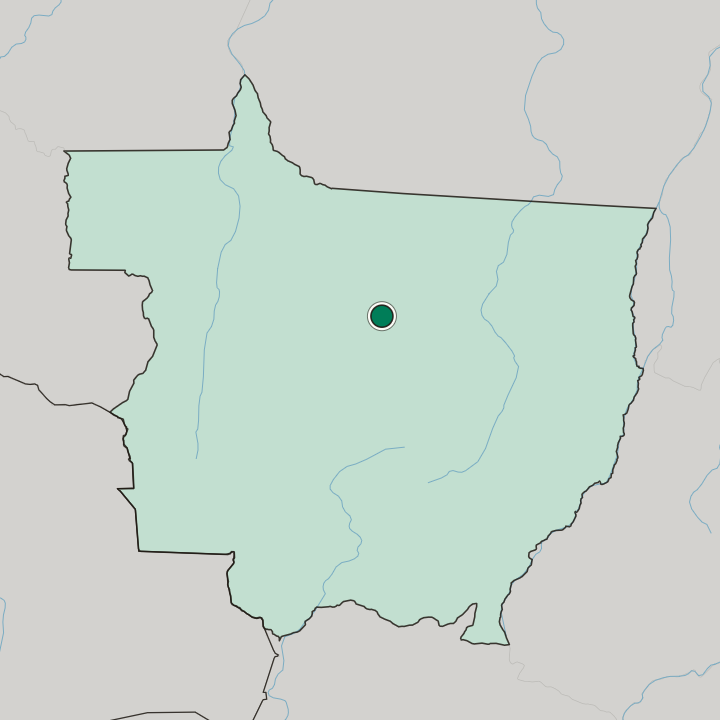
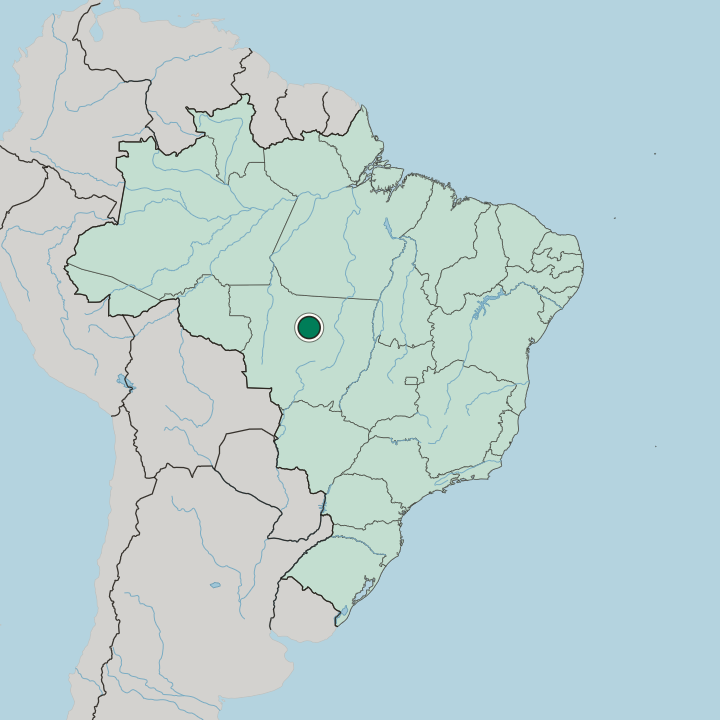
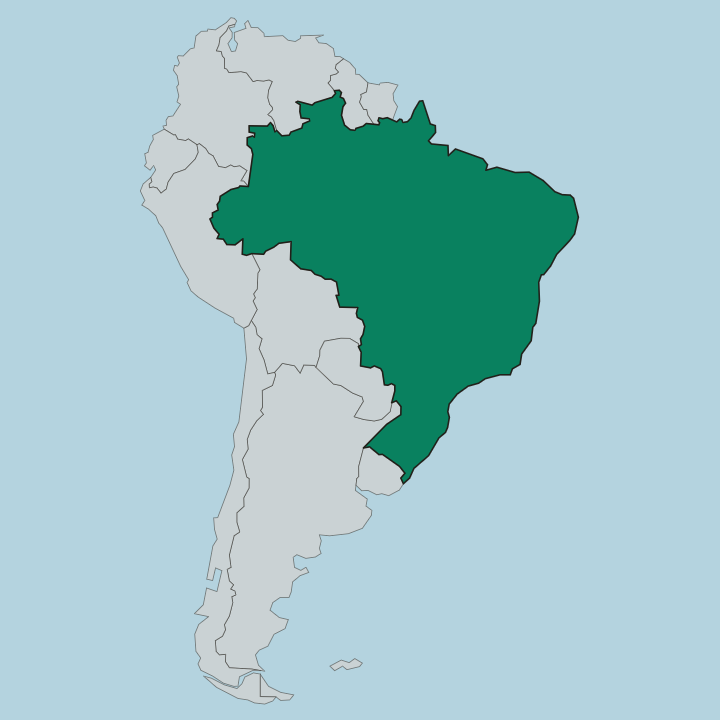
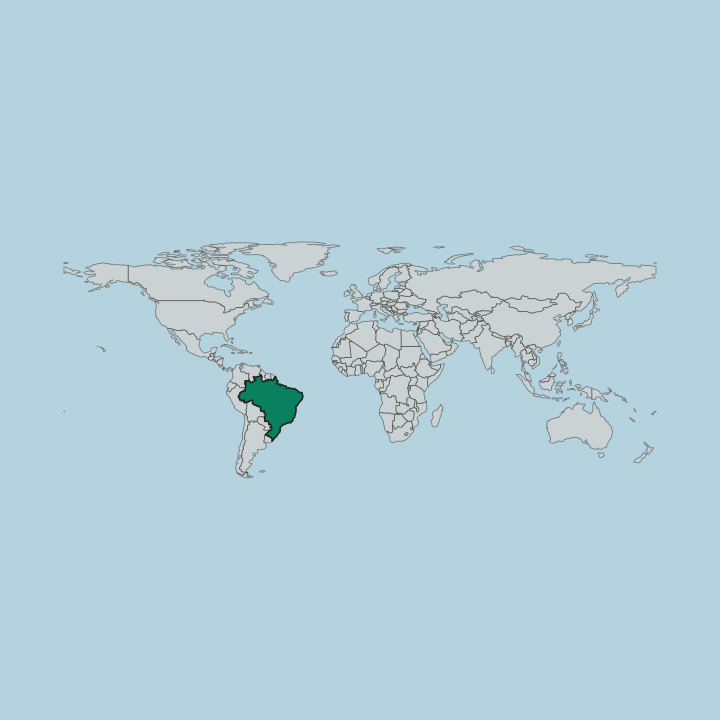
The map here is mostly administrative. Sinop's municipality takes in a stretch of northern Mato Grosso far wider than the town at its centre, so most of what the name covers is country rather than street, and the boundary matters more on paper than on the ground. It lies below the equator, inside the tropical band.
The Amazon Basin, the ground the Sivam radar posted here was installed to watch, begins past those outer limits.
What is the climate of Sinop?
Warmth holds through every month in Sinop. Sinop sits well south of the equator but still inside the tropical band, so the sun stays high across the whole calendar and the difference between one month and the next is a matter of rain rather than of temperature. The Amazon Basin, watched from here by the Sivam radar, is the humid interior that governs the sky over northern Mato Grosso.
Nothing about the year is cold.
How do you get to Sinop?
Arrival is overland, mostly. Sinop stands in the interior of Mato Grosso rather than on any coast, so getting there means crossing a great deal of the state, and the distances involved turn the approach into a day's work rather than an afternoon's. As the Capital of Nortão it is the point that routes through the northern half of the state converge on.
Nothing about the trip is quick.
Common questions
What is the best area to stay in Sinop?
Cathedral of the Sacred Heart: walking distance to the Museu Histórico de Sinop. Estátua Cristo Redendor: quieter evenings on Sinop's outer streets. Monumento a Santo Antonio: a single night between drives across Mato Grosso.
Good for
More cities in Mato Grosso
Updated October 2026