Brazil · Mato Grosso
Where to Stay in Rondonópolis, Mato Grosso
Rondonópolis, third-largest municipality of Mato Grosso, is named for the explorer Cândido Rondon and gathers around Praça Brasil.
Hotel links are affiliate links: booking through them may earn us a commission, at no extra cost to you. It never affects how places are ranked. How this works


Where to stay in Rondonópolis
Where visitors usually base themselves, and why.
Rondonópolis keeps its short list of sights around Praça Brasil, so a room there covers most of them. The Monumentos da Praça Brasil, the Casario do Conjunto Histórico and the Igreja Metodista stand within a few minutes on foot, which is most of what a short visit involves. Shade is scarce at noon.
A guest who wants the Casa de Marechal Cândido Mariano da Silva Rondon and the Rosa Bororo museum in the same morning should stay on this side of town. This is a working city rather than a resort, so the hotels are plain and central, built for people whose reason for stopping is business rather than sightseeing. The Praça dos Carreiros marks another quarter.
Streets near it keep the Monumento Carro de Boi in view, and the Palácio da Cidadania brings the municipal offices close enough for anyone here on business. That end of town is quieter after dark. Cais lies away from both.
The Complexo Turístico Assentamento Carimã sits outside the built-up area altogether, so a visitor planning a day there is better served by a room with parking than by one on Praça Brasil. Evenings gather on the squares.
Find hotels in Rondonópolis
Direct booking searches for these neighbourhoods.
Praça Brasil
The square carries the Monumentos da Praça Brasil and the Igreja Metodista, with the Rosa Bororo museum a few minutes further onFind hotels in Praça BrasilMunicipal business at the Palácio da CidadaniaPraça dos Carreiros
The Monumento Carro de Boi stands on this side, and the offices are near enough to reach before the heat buildsFind hotels in Praça dos CarreirosDays out at the Complexo Turístico Assentamento CarimãToward Carimã
Rooms with parking away from Praça Brasil, which is what a trip past the edge of Rondonópolis actually needsFind hotels in Toward CarimãHotel links are affiliate links: booking through them may earn us a commission, at no extra cost to you. It never affects how places are ranked. How this works
Things to do in Rondonópolis
Ranked by global recognition; descriptions from Wikidata (CC0).
Museums & Galleries
1- museum Rosa Bororo Heritage
Churches & Religious Sites
1- Igreja Metodista Heritage
Castles & Historic Sites
2- Monumento Carro de Boi Heritage
- Monumentos da Praça Brasil Heritage
Landmarks & Notable Places
3- Casa de Marechal Cândido Mariano da Silva Rondon Heritage
- Casario do Conjunto Histórico Heritage
- Palácio da Cidadania Heritage
worth knowingacross 4 categories in Rondonópolis
About Rondonópolis
A surname, not a landform, supplies the name here.
What is Rondonópolis known for?
Rondonópolis honours Cândido Rondon, the military officer and explorer, and the Casa de Marechal Cândido Mariano da Silva Rondon keeps that connection in a building rather than only in the street signs. Praça Brasil and the Praça dos Carreiros hold the monuments, among them the Monumento Carro de Boi. The Rosa Bororo museum covers the rest.
It ranks third among the municipalities of Mato Grosso.
What are the main landmarks in Rondonópolis?
Two squares carry most of it. Praça Brasil holds the Monumentos da Praça Brasil, while the Praça dos Carreiros and the Monumento Carro de Boi name the ox carts and the men who drove them. The Casario do Conjunto Histórico is the oldest street fabric.
Casa de Marechal Cândido Mariano da Silva Rondon, the Igreja Metodista and the Palácio da Cidadania stand nearby, and the Rosa Bororo museum and the Cais complete the protected list. The Complexo Turístico Assentamento Carimã lies outside the city.
What is the history of Rondonópolis?
The municipality dates from 1953. Rondonópolis takes its name from Cândido Rondon, the military officer and explorer, and the Casa de Marechal Cândido Mariano da Silva Rondon carries his full name where the city carries the short one. Ox carts came before the roads.
The Monumento Carro de Boi and the Praça dos Carreiros both point back to the years when goods moved that way, long before the city took its present name. The Casario do Conjunto Histórico is what survives of the early streets. Growth followed the roads.
Rondonópolis became the third-largest municipality of Mato Grosso, 215 km of road from Cuiabá, and the Palácio da Cidadania stands for the administration a city of that rank has to carry. The Igreja Metodista belongs to the older centre. Praça Brasil and its monuments gave the place a formal middle, the Rosa Bororo museum gave it a collection, and the Complexo Turístico Assentamento Carimã took visitors out past the edge of the built-up area.
The Cais sits on the same protected list, along with the squares, the churches and the houses that between them make up nearly everything Rondonópolis has kept.
Where is Rondonópolis?
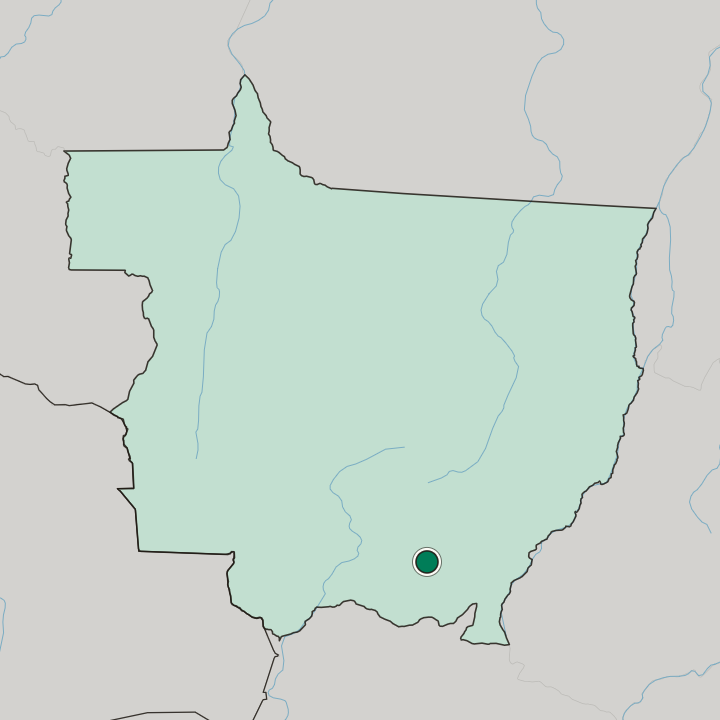
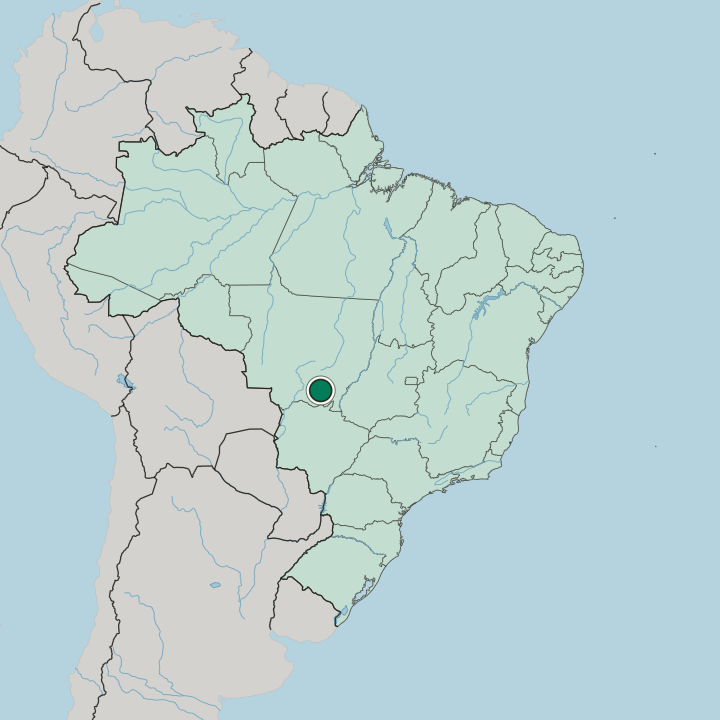
The interior begins in earnest here. Rondonópolis lies in Mato Grosso, a long way from Cuiabá and further still from any coast, on ground that opens out well past the last streets. Heat comes with the position.
The Complexo Turístico Assentamento Carimã sits beyond the built-up area, which is the quickest way to see what that country looks like.
What is the climate of Rondonópolis?
Storms clear the air. Rain keeps to one half of the year in this part of Mato Grosso, and the dry half leaves the country beyond the Complexo Turístico Assentamento Carimã pale until the first storms turn it green again. Warmth is the constant, and the trees of Praça Brasil earn their keep in the middle of the day more than at either end of it.
Nights stay soft.
How do you get to Rondonópolis?
Cuiabá is the reference point. Rondonópolis stands 215 km from the state capital, and the road between them carries most of what arrives, whether that is a visitor or a truck. The squares sit close together.
Once in town, Praça Brasil, the Praça dos Carreiros and the Casario do Conjunto Histórico are within a walk of one another, while the Complexo Turístico Assentamento Carimã needs a car.
Common questions
What is the best area to stay in Rondonópolis?
Praça Brasil: A short stay wanting the Casario do Conjunto Histórico on the doorstep. Praça dos Carreiros: Municipal business at the Palácio da Cidadania. Toward Carimã: Days out at the Complexo Turístico Assentamento Carimã.
Good for
More cities in Mato Grosso
Updated September 2026