Brazil · Pernambuco
Where to Stay in Garanhuns, Pernambuco
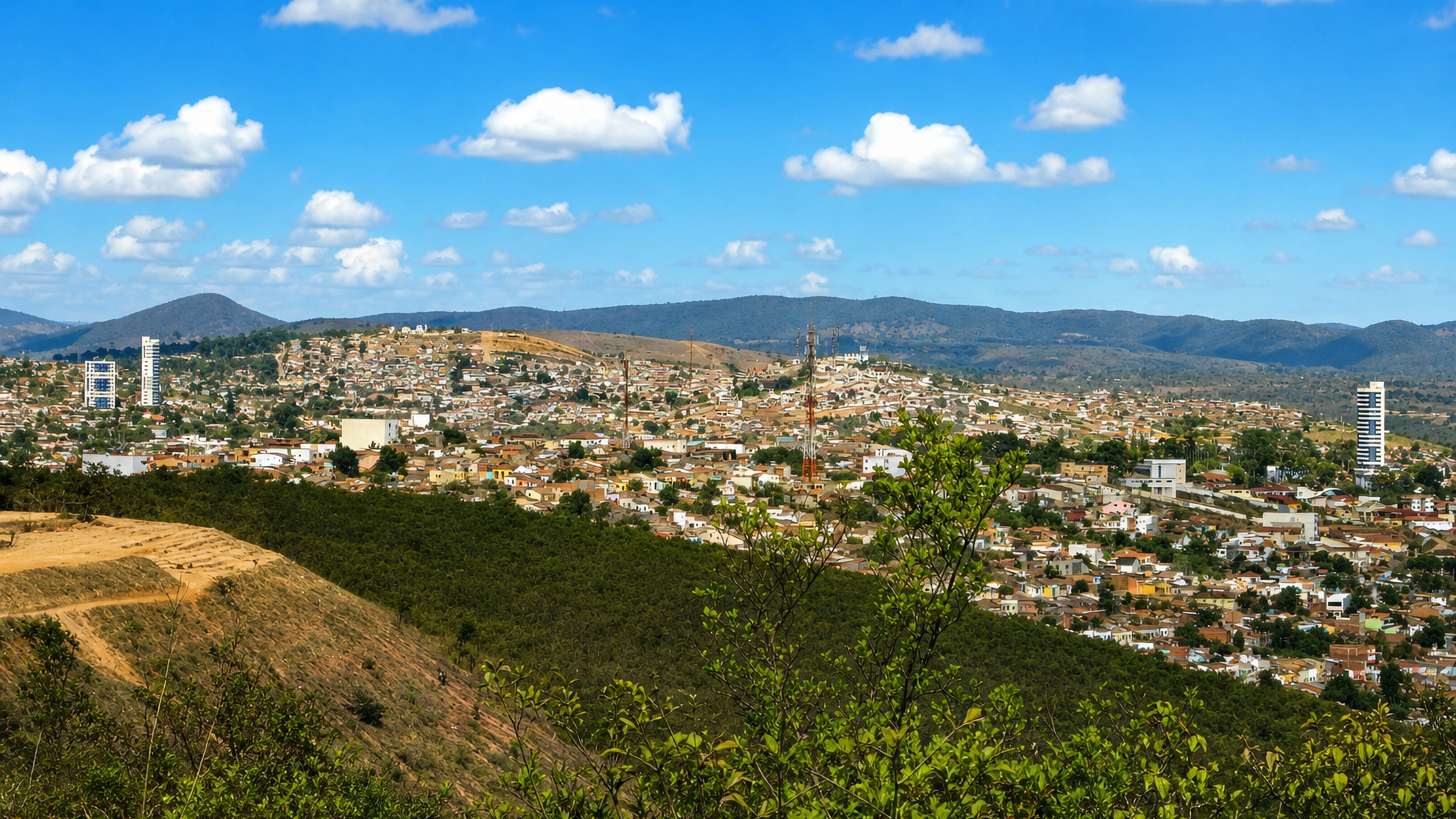
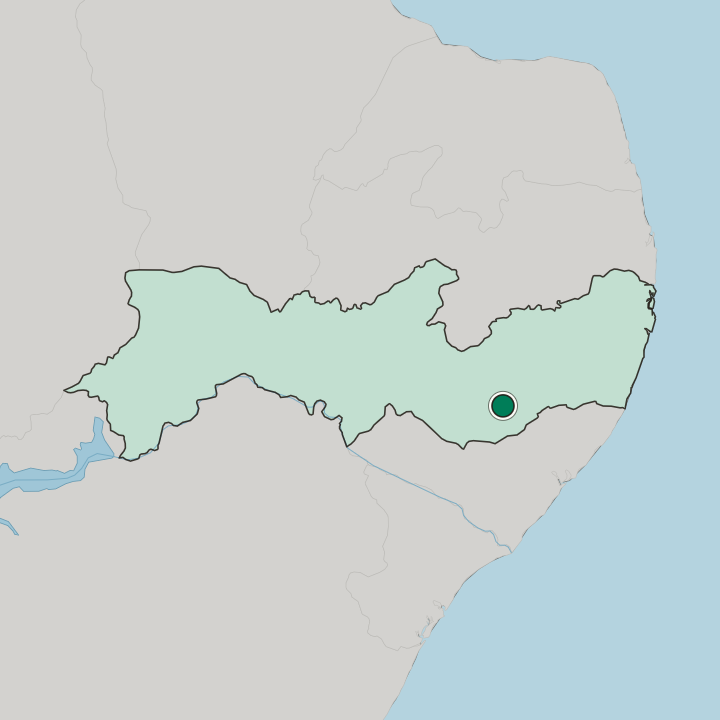
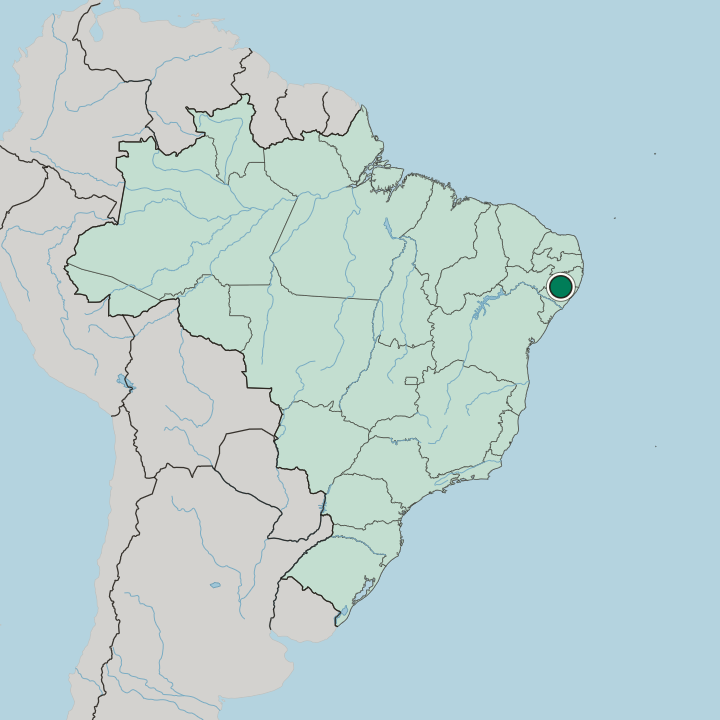
Garanhuns sits in the Agreste of Pernambuco, some 230 kilometres inland from Recife. Five quilombos lie inside it.
Hotel links are affiliate links: booking through them may earn us a commission, at no extra cost to you. It never affects how places are ranked. How this works


Where to stay in Garanhuns
Where the beds are, and what that means for the visit.
Two decisions cover it. The compact centre of Garanhuns keeps Hotel Tavares Correia, the Prédio da Antiga Rádio Difusora de Garanhuns and the Antiga Estação Ferroviária within a few blocks of one another, which makes it the obvious base for a visitor who wants the recorded heritage on foot. Rooms concentrate there.
Anyone working through the municipality by car finds the arithmetic different, because Garanhuns covers a broad stretch of the Agreste and its outlying sites are nowhere near walking distance from the grid. The quilombos change the calculation. Caluete, Estiva, Estrela, Tigre and Timbó are recorded settlements spread across the municipality rather than suburbs of it, so if they are the reason you came, a night out among them saves the return leg twice a day.
Beds out there are occasional. Povoado de Timbó pairs its quilombo with the Sítio Histórico da Igreja de Nossa Senhora de Nazaré do Povoado de Timbó, the strongest single argument for sleeping away from the middle of town. Otherwise supply settles it.
Recife is a long drive off and Caruaru names the wider region rather than a nearer bed, which leaves Garanhuns working as a base in its own right instead of a stop on somebody else's route through Pernambuco.
Find hotels in Garanhuns
Direct booking searches for these neighbourhoods.
Centro
Garanhuns keeps its recorded heritage in one compact grid, so the Prédio da Antiga Rádio Difusora sits a few streets from the old station and the hotel.Find hotels in CentroTravellers here for the Sítio Histórico da Igreja de Nossa Senhora de NazaréPovoado de Timbó
Quilombo Timbó and the Nossa Senhora de Nazaré church site share one settlement, far enough out of Garanhuns that a bed nearby is worth hunting for. Few places to stay nearby — book ahead.Find hotels in Povoado de TimbóAnyone circuiting Caluete, Estiva, Estrela and Tigre by carThe outlying quilombos
Four of the municipality's quilombos lie scattered across the Agreste countryside, where rooms are occasional and the drive back to the Garanhuns grid eats an evening. Rooms are few around here — worth securing early.Find hotels in The outlying quilombosHotel links are affiliate links: booking through them may earn us a commission, at no extra cost to you. It never affects how places are ranked. How this works
About Garanhuns
Quilombo country.
What is Garanhuns known for?
Five recorded quilombos, Caluete, Estiva, Estrela, Tigre and Timbó, lie within the municipal bounds of Garanhuns, and that concentration of Afro-Brazilian settlement is what the Agreste knows this place for before anything else. Heritage of another kind fills the centre. Hotel Tavares Correia, the Antiga Estação Ferroviária and the Prédio da Antiga Rádio Difusora de Garanhuns are recorded landmarks in their own right.
What are the main landmarks in Garanhuns?
Five of the nine sites are quilombos. Caluete, Estiva, Estrela, Tigre and Timbó make Afro-Brazilian settlement the dominant strand in everything Garanhuns has chosen to mark, and the balance of the register is urban and comparatively recent. Hotel Tavares Correia and the Prédio da Antiga Rádio Difusora de Garanhuns stand for the town's early decades.
The Antiga Estação Ferroviária is the railway remnant. Older still is the Sítio Histórico da Igreja de Nossa Senhora de Nazaré do Povoado de Timbó.
What is the history of Garanhuns?
Garanhuns dates its founding to 1879. What stood on this ground before that year is recorded out in the countryside rather than in the grid, at Povoado de Timbó with its Sítio Histórico da Igreja de Nossa Senhora de Nazaré, and across the quilombos of Caluete, Estiva, Estrela, Tigre and Timbó that the municipality still counts among its heritage. Those names came first.
The town carrying the municipal name grew afterwards, well inland from the coast at Recife, on the Agreste belt that runs through the interior of Pernambuco. Three buildings date what followed. The Antiga Estação Ferroviária survives from the town's railway years, and the Prédio da Antiga Rádio Difusora de Garanhuns from the decades when a local broadcaster mattered enough to leave a listed address behind it.
Hotel Tavares Correia joins them on the register. Between them they mark the stretch in which Garanhuns settled into its role as the principal municipality of the immediate geographic region that carries its name, a standing it holds inside the wider Caruaru Intermediate Geographic Region and one that draws the surrounding Agreste towns toward it for trade, schooling and administration. The quilombos outlast all of it.
Caluete and Estrela were settlements before the register existed and remain settlements after every building on it stopped working.
Where is Garanhuns?
The Agreste sets the terms. Garanhuns covers some 458 square kilometres of the Pernambuco interior, a spread wide enough that the quilombos of Estrela and Tigre and the settlement at Povoado de Timbó sit well apart from the built centre. Recife is about 230 kilometres off.
Within the Caruaru Intermediate Geographic Region, the municipality anchors the smaller Garanhuns Immediate Geographic Region and pulls the Agreste towns around it into its orbit.
What is the climate of Garanhuns?
Rain, not temperature, splits the year. Falling within the tropics of the southern hemisphere, Garanhuns runs its wet stretch through the months that count as summer south of the equator, while the cooler half of the calendar is the drier one. The Agreste countryside feels it most.
Trips out to Quilombo Caluete, Quilombo Estiva and Povoado de Timbó go easiest in the dry months, and the recorded buildings of the centre, Hotel Tavares Correia among them, carry a wet afternoon better than any road out of town.
How do you get to Garanhuns?
The Antiga Estação Ferroviária no longer takes arrivals. Trains have dropped out of the equation entirely, which leaves the road up from Recife as the way most visitors reach Garanhuns, a haul of roughly 230 kilometres from the Pernambuco coast into the Agreste. Caruaru names the wider region.
Once here, the outlying quilombos of Caluete, Estrela and Tigre and the church site at Povoado de Timbó need a car, since none of them sits within reach of the centre on foot.
Common questions
What is the best area to stay in Garanhuns?
Centro: Guests who want Hotel Tavares Correia and the Antiga Estação Ferroviária on one walk. Povoado de Timbó: Travellers here for the Sítio Histórico da Igreja de Nossa Senhora de Nazaré. The outlying quilombos: Anyone circuiting Caluete, Estiva, Estrela and Tigre by car.
More cities in Pernambuco
Updated September 2026