Brazil · Pernambuco
Where to Stay in Olinda, Pernambuco
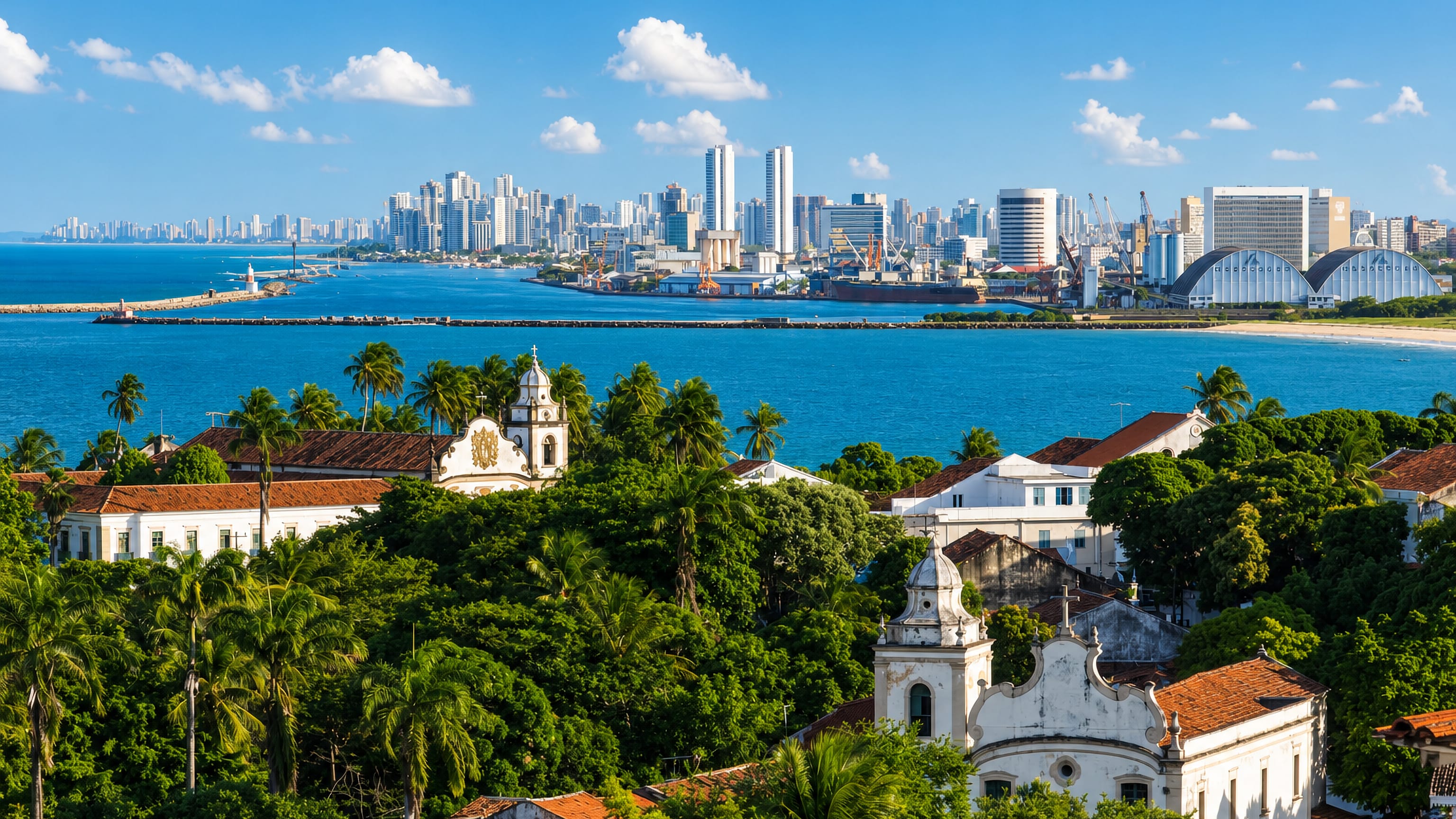
Olinda holds a UNESCO-listed colonial core above the Atlantic, next to Recife in Pernambuco. Its carnival is famous.
Hotel links are affiliate links: booking through them may earn us a commission, at no extra cost to you. It never affects how places are ranked. How this works


Where to stay in Olinda
How the choice of base plays out on the ground.
Height decides it. Olinda's historic core climbs, and a room at Alto da Sé buys the churches and the upper town at the cost of walking back up each evening, while a room on the lower streets near Convento e Igreja de Nossa Senhora do Carmo trades that for flat ground and the bars. Both sit inside the World Heritage area.
The difference is legs rather than distance, since the whole colonial centre fits into a stretch a determined walker crosses in half an hour. Recife is the alternative, not the default. The state capital lies alongside in the same metropolitan region and holds far more rooms, but Olinda owns the sixteenth-century fabric, so crossing in each morning spends the part of the day this place is best at.
Carnival changes the arithmetic. Beds inside the old town go early once the season comes round, and anyone unwilling to commit that far ahead does better taking a room on the lower edge of the municipality and walking up. The Basilica and Monastery of St. Benedict makes a third anchor.
Rooms near it put the Mamulengo Museum, the Pernambuco Museum of Sacred Art and the Pernambuco Contemporary Art Museum within a few minutes of each other, which suits you if museums rather than churches brought you here.
Find hotels in Olinda
Direct booking searches for these neighbourhoods.
Alto da Sé
The high ground of the old town gathers Alto da Sé, the Church of Our Lady of the Mount and the Pernambuco Museum of Sacred Art, and every walk down through the convents begins here.Find hotels in Alto da SéGuests choosing flat ground and the bars around Nossa Senhora do CarmoCarmo and the lower old town
The lower slope keeps the Convento e Igreja de Nossa Senhora do Carmo, the Ruínas do Senado and most of the restaurants inside one level walk, with no climb at the end of the night.Find hotels in Carmo and the lower old townMuseum days built around the Basilica and Monastery of St. BenedictSão Bento
Blocks by the Basilica and Monastery of St. Benedict put the Mamulengo Museum and the Pernambuco Contemporary Art Museum a few minutes apart, which the church-heavy upper town cannot match.Find hotels in São BentoHotel links are affiliate links: booking through them may earn us a commission, at no extra cost to you. It never affects how places are ranked. How this works
Things to do in Olinda
Ranked by global recognition; descriptions from Wikidata (CC0).
Museums & Galleries
3- Pernambuco Museum of Sacred Art
- Mamulengo Museum
- Espaço Ciência - Museu de Ciência
Churches & Religious Sites
8- Basilica and Monastery of St. Benedict, Olinda Heritage
- Convento e Igreja de Nossa Senhora do Carmo Heritage
- Convent of San Francisco Heritage
- Church of Our Lady of Misericórdia Heritage
- Church of Our Lady of Grace of the Jesuits’ College Heritage
Show 3 more →
- Church of Our Lady of the Rosary of the Black People Heritage
- Church of Our Lady of Protection Heritage
- Church of Our Lady of the Mount Heritage
Castles & Historic Sites
1- Ruínas do Senado
Parks & Gardens
1- Mirabilandia
worth knowingacross 4 categories in Olinda
About Olinda
What is Olinda known for?
Sixteenth and seventeenth century building stock earned Olinda its UNESCO World Heritage listing, and the density of it is the point, with convents, chapels and merchant houses packed onto the slopes instead of scattered through a modern city. The carnival is the other claim. Bars, restaurants and the studios of artists and craftspeople work the same old-town streets through the rest of the year, and Alto da Sé sits at the top of them.
Few Brazilian centres survive this intact.
What are the main landmarks in Olinda?
In Olinda the churches outnumber all else. Sixteen appear on the record, among them the Basilica and Monastery of St. Benedict, the Convent of San Francisco, the Church of Our Lady of the Rosary of the Black People and the Church of Our Lady of the Mount. Collections take over from there.
Pernambuco Museum of Sacred Art, the Pernambuco Contemporary Art Museum and the Mamulengo Museum divide the collections three ways, and the Ruínas do Senado are what survives of an older civic building.
What is the history of Olinda?
Settlement here dates from 1535. Olinda counts among the best-preserved colonial cities in Brazil, and the sixteenth and seventeenth century fabric that earned it a UNESCO World Heritage listing is what a visitor walks through rather than reads about. Religious orders did most of the building.
The Convent of San Francisco, the Convento e Igreja de Nossa Senhora do Carmo, the Church and Convent of Saint Teresa and the Church of Our Lady of Grace of the Jesuits' College mark out which order held which piece of ground. Not every church served the same congregation. The Church of Our Lady of the Rosary of the Black People and the Church of Saint John the Baptist of the Military stand for two separate communities inside one small municipality, and the Church of Our Lady of the Mount keeps the high ground above them both.
Civic buildings fared worse. Ruínas do Senado is a ruin by name, while Alto da Sé held onto its role as the meeting point of the upper town, and the Pernambuco Museum of Sacred Art keeps indoors what the parishes once held. Carnival carried the rest forward.
The streets that fill for it are the same ones the orders laid out, which is why Olinda reads as a working town instead of a preserved one.
Where is Olinda?
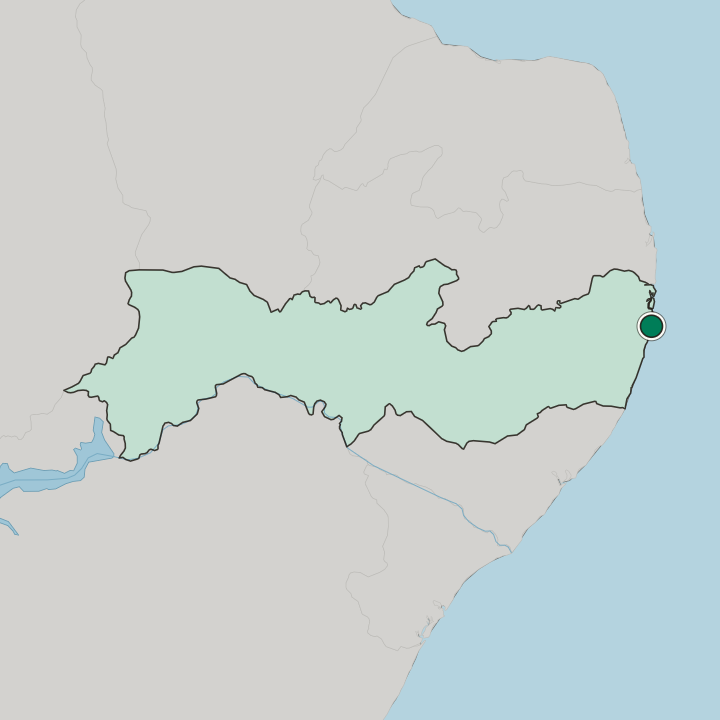
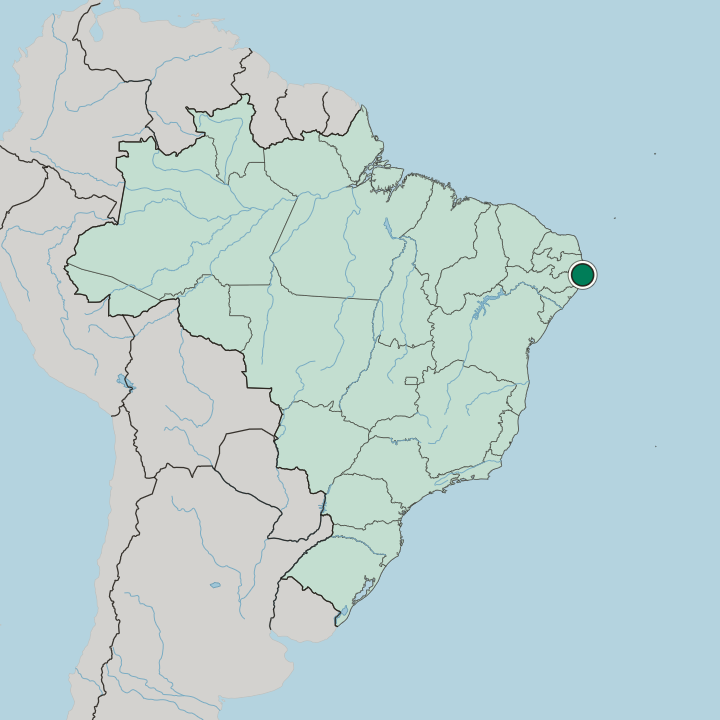
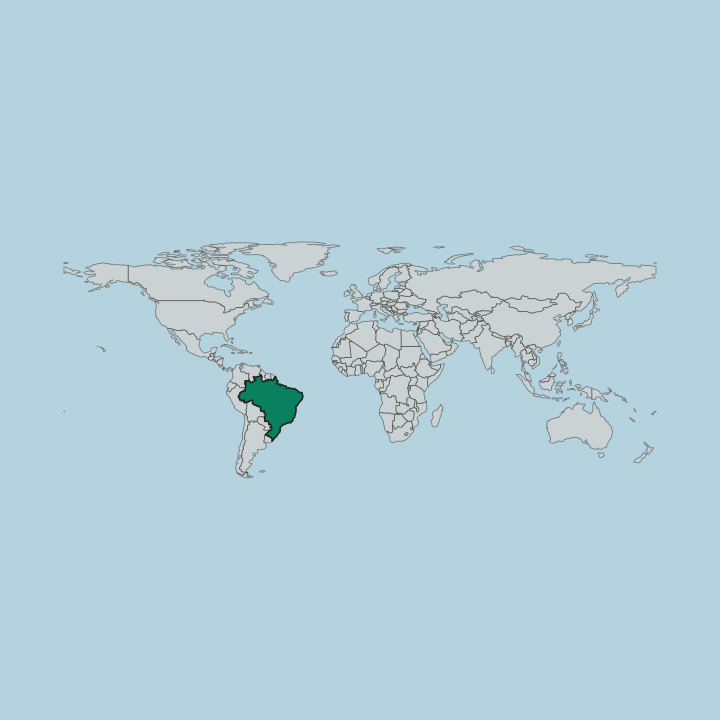
Olinda is small and steep. The municipality covers roughly 42 square kilometres on the Atlantic coast of Pernambuco, packed tightly enough that its old town, its churches and its museums all fall inside one continuous walk. Recife adjoins it.
Both belong to the Metropolitan Region of Recife, and the boundary between them is a street rather than any stretch of open country, which is unusual for a place carrying this much colonial fabric.
What is the climate of Olinda?
The Atlantic runs the weather. Olinda sits on an exposed stretch of the Pernambuco coast inside the tropics of the southern hemisphere, so the sea holds temperature within a narrow band and the year separates into a wetter half and a drier one instead. Shelter is never far.
A wet hour goes easily in the Pernambuco Museum of Sacred Art or the Mamulengo Museum, and the climb to Alto da Sé and the Church of Our Lady of the Mount is better taken once the stone has dried.
How do you get to Olinda?
Recife is the way in. Olinda adjoins the state capital inside the same metropolitan region, so arrivals into Pernambuco reach the other side of a municipal boundary first and finish the trip by road in a matter of minutes. Then the car turns into a liability.
The historic core runs on narrow colonial streets and hard slopes, and walking between the Convent of San Francisco, Alto da Sé and the Basilica and Monastery of St. Benedict beats driving between them.
Common questions
What is the best area to stay in Olinda?
Alto da Sé: Stays that want the upper churches of Olinda within a minute of the door. Carmo and the lower old town: Guests choosing flat ground and the bars around Nossa Senhora do Carmo. São Bento: Museum days built around the Basilica and Monastery of St. Benedict.
Good for
More cities in Pernambuco
Updated October 2026