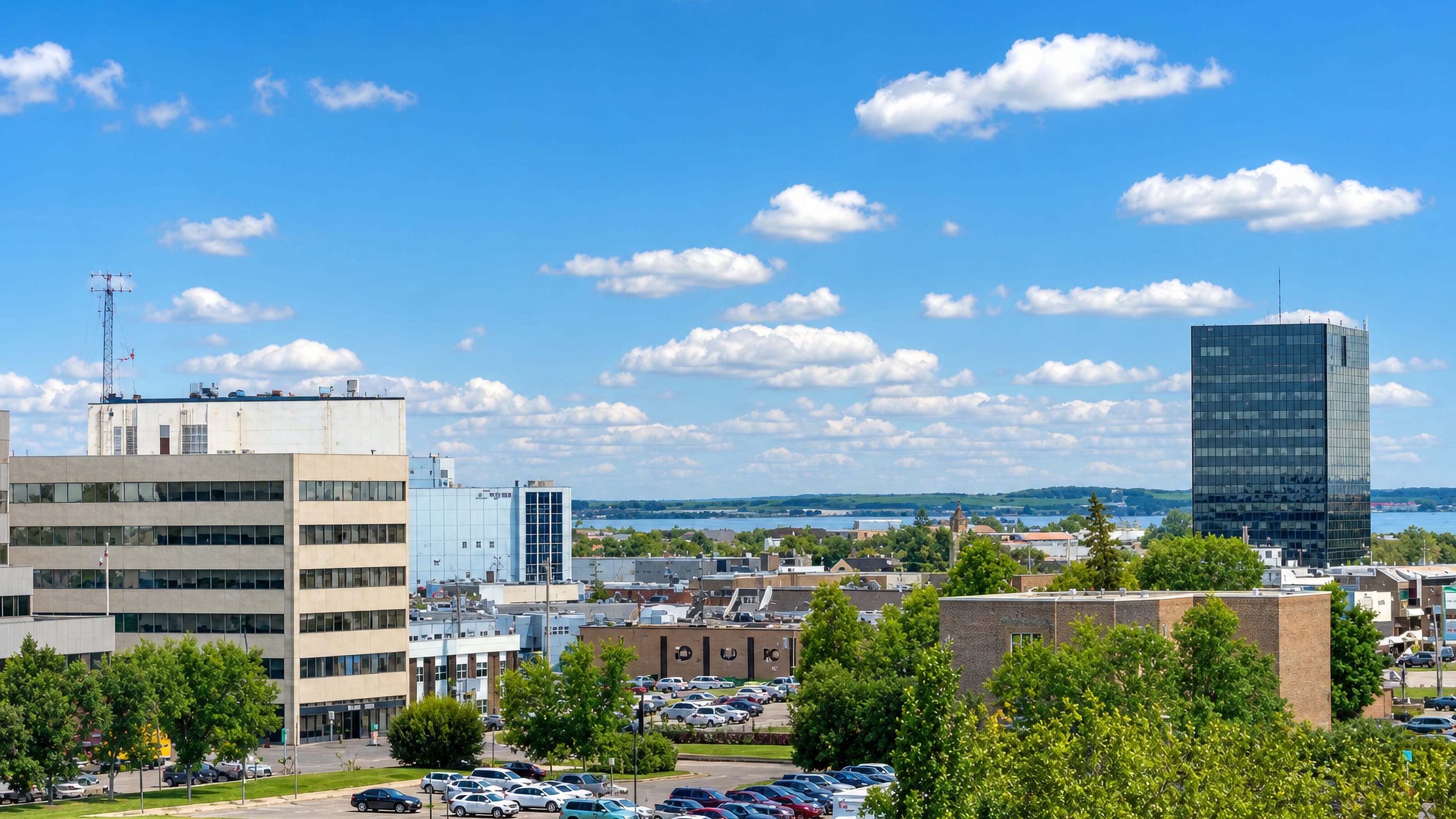
Canada · Alberta
Where to Stay in Grande Prairie, Alberta
Grande Prairie is a city of Peace River Country in northwestern Alberta, at the crossing of Highway 43 and Highway 40, northwest of Edmonton.
Hotel links are affiliate links: booking through them may earn us a commission, at no extra cost to you. It never affects how places are ranked. How this works


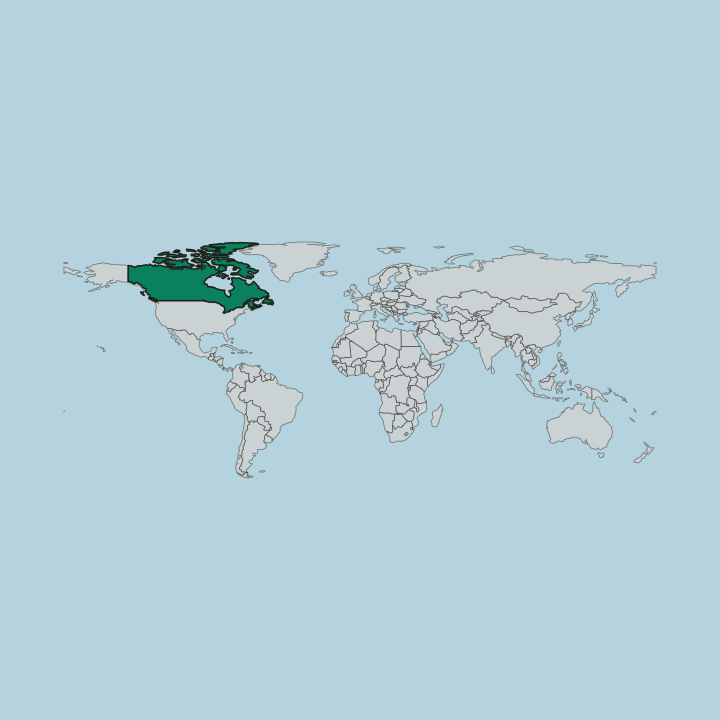
Where to stay in Grande Prairie
Where the beds are, and what that means for the visit.
Most beds in Grande Prairie stand where the traffic does, along the approaches to the crossing of Highway 43 and Highway 40, which is convenient for anyone driving through Peace River Country and less so for anyone hoping to walk. The road is the organising fact. A stay on that side puts fuel, food and the onward run towards Edmonton within reach without ever requiring a turn into the older streets, and it works well for a single night broken out of a long drive.
The older core is the other choice. Grande Prairie Courthouse, finished in 1957, and Grande Prairie High School stand in that part of the city, and a room there gives the visit a centre rather than a verge, though the selection is smaller and quieter than what the highway offers. Walking becomes possible again.
Further out, past the last streets, the County of Grande Prairie No. 1 keeps the Reverend Forbes Homestead and the farm country that the city grew to serve, so a base on that edge suits a trip built around the settlement history rather than around the road. Nothing in northwestern Alberta nearby matches the range of beds here, which is why so many journeys across Peace River Country stop in this city whether or not it was the destination.
Find hotels in Grande Prairie
Direct booking searches for these neighbourhoods.
The highway crossing
Roadside ground at the crossing of Highway 43 and Highway 40, on the run towards EdmontonFind hotels in The highway crossingWalkers taking in Grande Prairie Courthouse and Grande Prairie High SchoolThe older core
The central streets around Grande Prairie Courthouse of 1957 and Grande Prairie High SchoolFind hotels in The older coreTrips built around the Reverend Forbes HomesteadThe county edge
Farm country in the County of Grande Prairie No. 1, out towards the Reverend Forbes Homestead. Lodging is scarce in this area; reserve in advance.Find hotels in The county edgeHotel links are affiliate links: booking through them may earn us a commission, at no extra cost to you. It never affects how places are ranked. How this works
About Grande Prairie
What is Grande Prairie known for?
Two highways account for the city's position. Highway 43 and Highway 40 cross here, and the crossing has made Grande Prairie the service centre for the southern part of Peace River Country, with the County of Grande Prairie No. 1 wrapped around the built-up area on every side. Heritage sits thinner on the ground.
The Reverend Forbes Homestead, Grande Prairie High School and the Grande Prairie Courthouse of 1957 carry most of what the city keeps of its own past.
What are the main landmarks in Grande Prairie?
The Reverend Forbes Homestead is the oldest thing on the list. It preserves a settler holding from the period in which Grande Prairie itself was taking shape, and it stands out against a city whose other marked buildings are twentieth-century civic ones rather than pioneer ones. Grande Prairie Courthouse dates from 1957.
Grande Prairie High School completes a short roll that suits an afternoon rather than a week.
What is the history of Grande Prairie?
The Village of Grande Prairie was incorporated in 1914. Settlement in this part of Peace River Country came late by the standards of the rest of Canada, and the Reverend Forbes Homestead survives from that opening period, when farms were being taken up across the plain that gave the place its name. Growth followed the roads.
Highway 43 and Highway 40 eventually crossed at the settlement, and that junction turned an agricultural village into the centre that the County of Grande Prairie No. 1 has depended on since. Institutions arrived as the city took on regional work. Grande Prairie High School served the district's families, and the Grande Prairie Courthouse of 1957 gave the legal business of the region a building of its own, a marker of the point at which the place stopped being a farming village with a store and started acting as the seat of the surrounding country.
Edmonton remained far off. The provincial capital lies roughly 456 kilometres to the south-east, a distance that left northwestern Alberta to organise its own affairs around Grande Prairie rather than around anywhere else, and the pattern has held. Peace River Country still runs its business here.
Where is Grande Prairie?
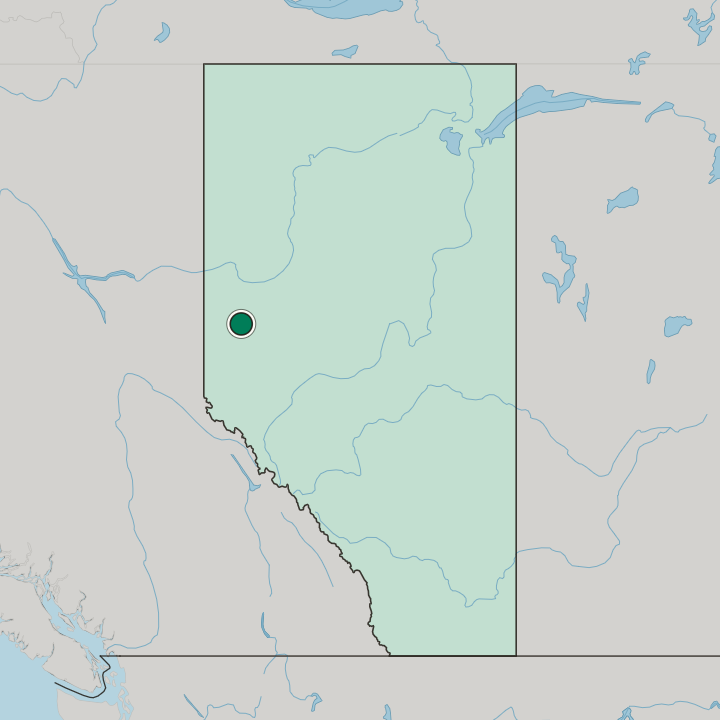
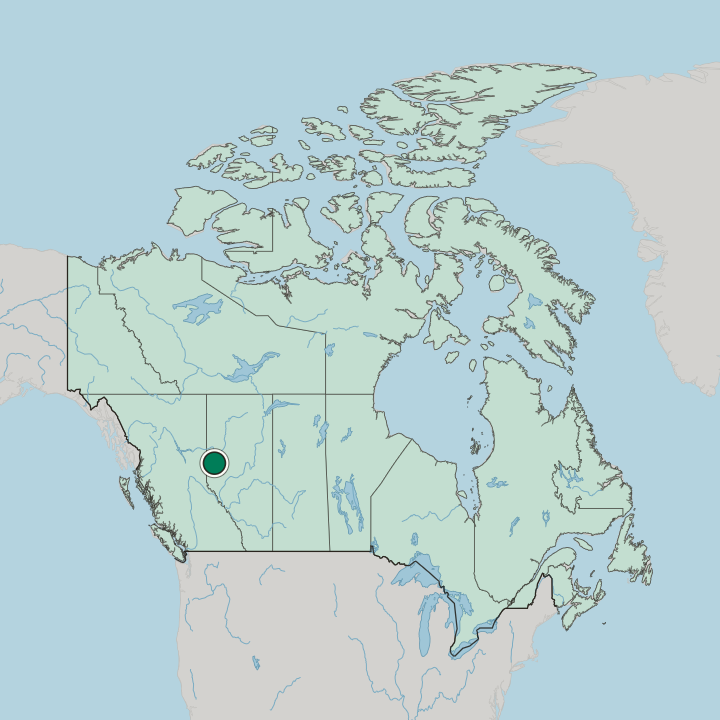
Open plain surrounds the city on every side. Grande Prairie lies in northwestern Alberta within the southern portion of Peace River Country, and the County of Grande Prairie No. 1 takes in the farmland that runs out from the last streets in all directions. Edmonton lies far to the south-east.
The city sits at the crossing of Highway 43 and Highway 40, which is the reason a plain this far from the rest of Canada carries a centre of this size.
What is the climate of Grande Prairie?
The plain leaves nothing between the city and the weather. Winter runs long across Peace River Country, and the flat ground of northwestern Alberta gives wind an unbroken run at the streets, so cold spells arrive with nothing in the way to soften them. Summer is short and bright.
Long daylight in those months makes the drive out along Highway 40 or Highway 43 as much of the visit as anything indoors.
How do you get to Grande Prairie?
Highway 43 does most of the work. It carries the traffic from the south-east, roughly 456 kilometres out from Edmonton, and it crosses Highway 40 within the city, which is the junction the whole of Peace River Country navigates by. Arrivals are almost all by road.
Once here, the Reverend Forbes Homestead, Grande Prairie High School and Grande Prairie Courthouse lie inside the city and the County of Grande Prairie No. 1, rather than requiring another long leg across northwestern Alberta.
Common questions
What is the best area to stay in Grande Prairie?
The highway crossing: Overnight stops for drivers on Highway 43 and Highway 40. The older core: Walkers taking in Grande Prairie Courthouse and Grande Prairie High School. The county edge: Trips built around the Reverend Forbes Homestead.
More cities in Alberta
Updated September 2026