Canada
Alberta, Canada — Towns & Travel Guide
Alberta is a prairie province of Western Canada, reaching from the Great Plains to the Rocky Mountains, with Calgary its largest city.
Hotel links are affiliate links: booking through them may earn us a commission, at no extra cost to you. It never affects how places are ranked. How this works


Towns & cities in Alberta
Pick a town or city — each links to where to stay.
 Canada
Calgary
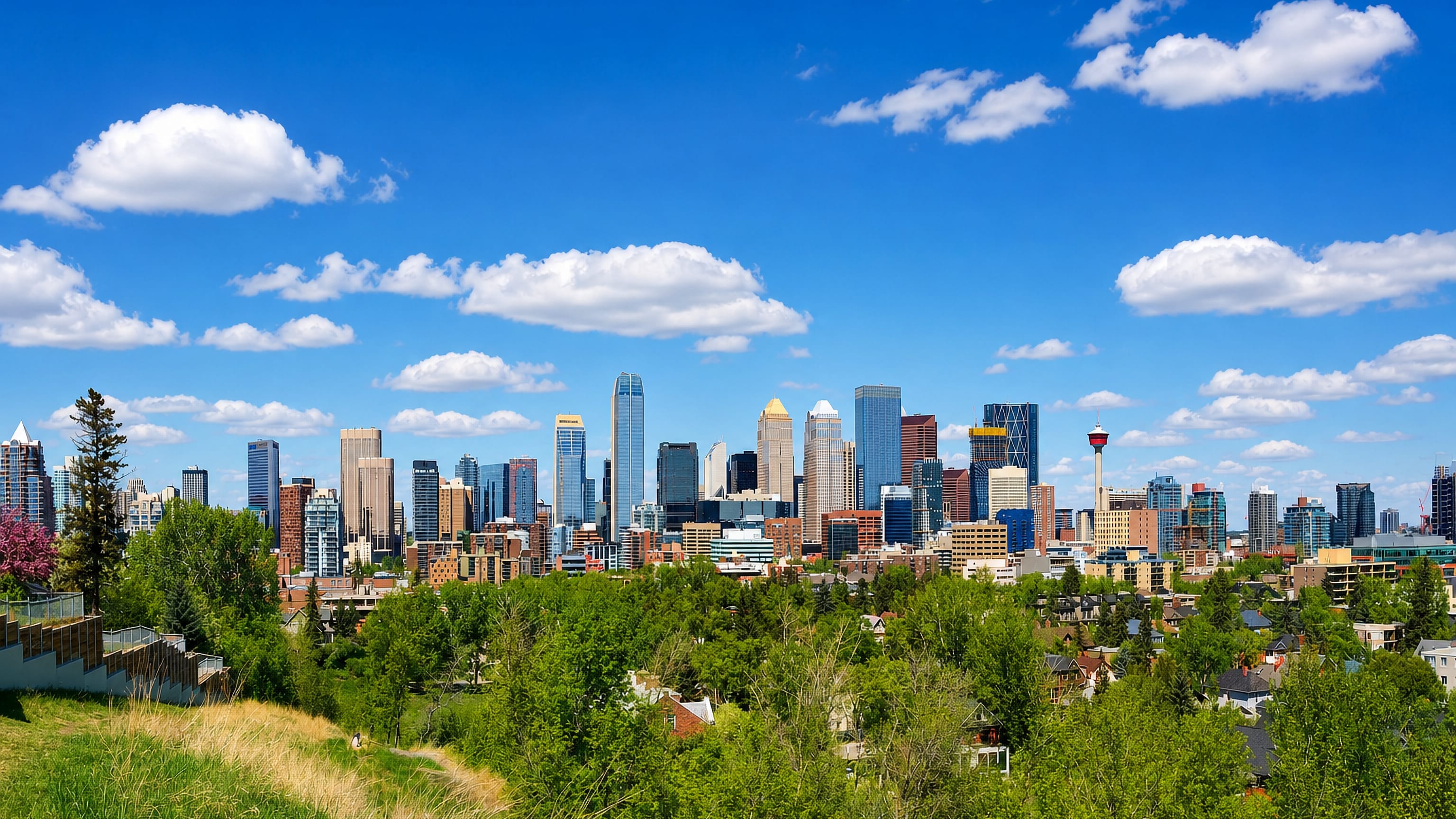
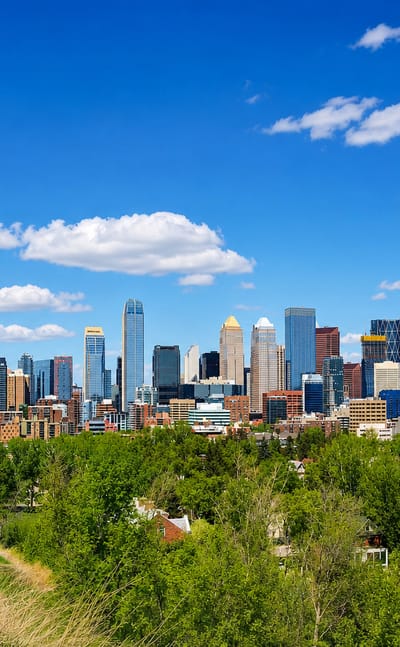
Calgary stands on Alberta's western prairie near the Rocky Mountains, its largest city and Canada's third-largest, known for the Stampede.Where to stay →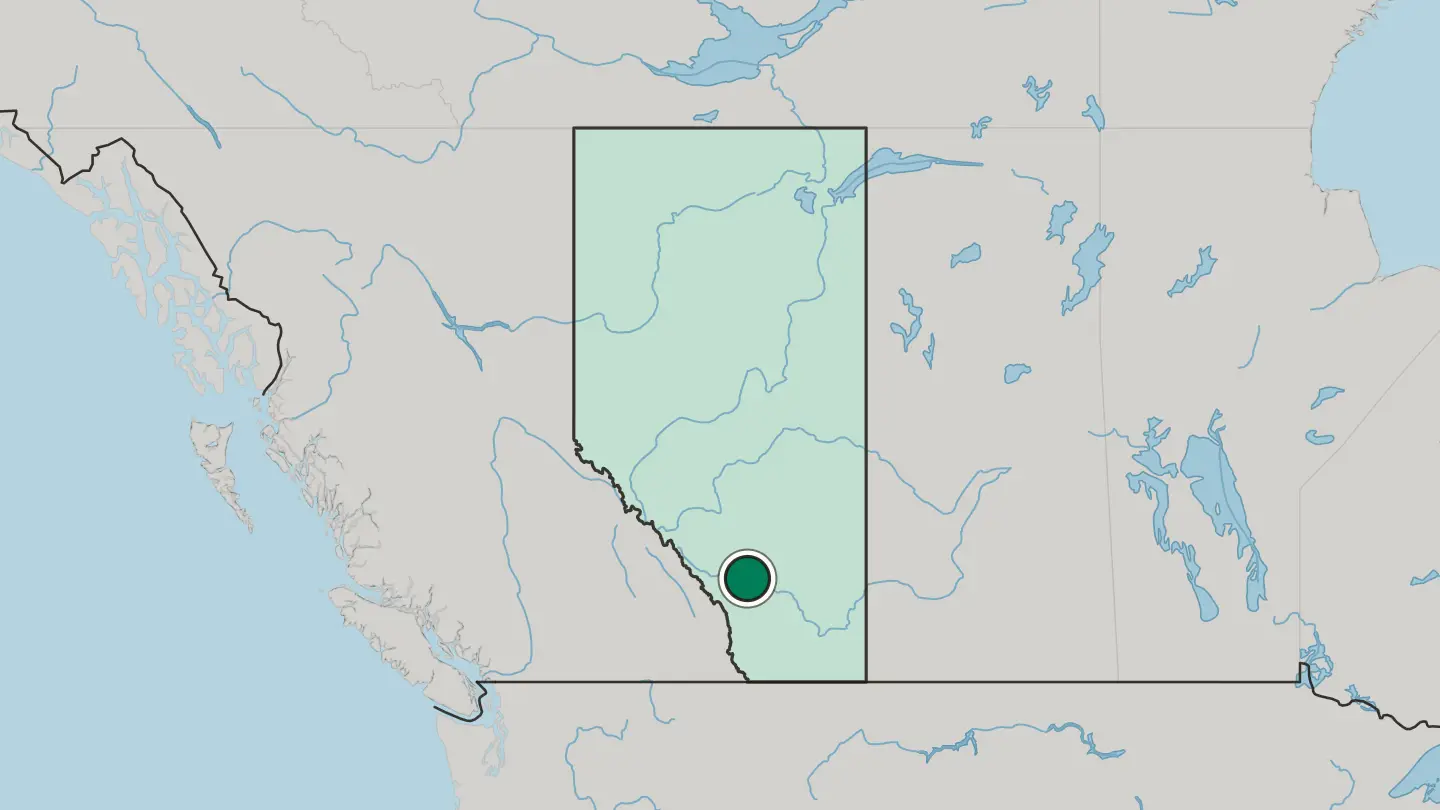
 Canada
Edmonton
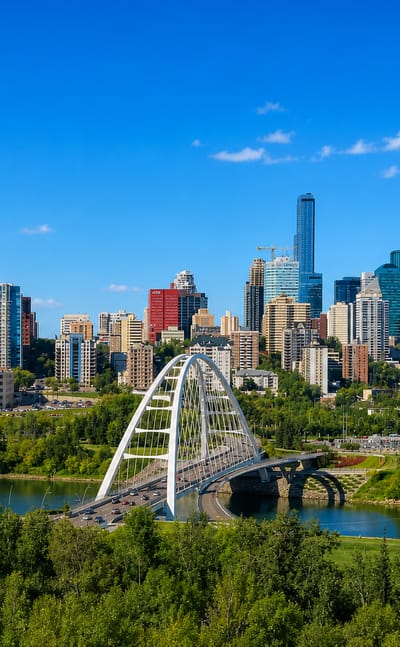
The North Saskatchewan River curves through Edmonton, the capital of Alberta, known for its river valley parks and West Edmonton Mall.Where to stay →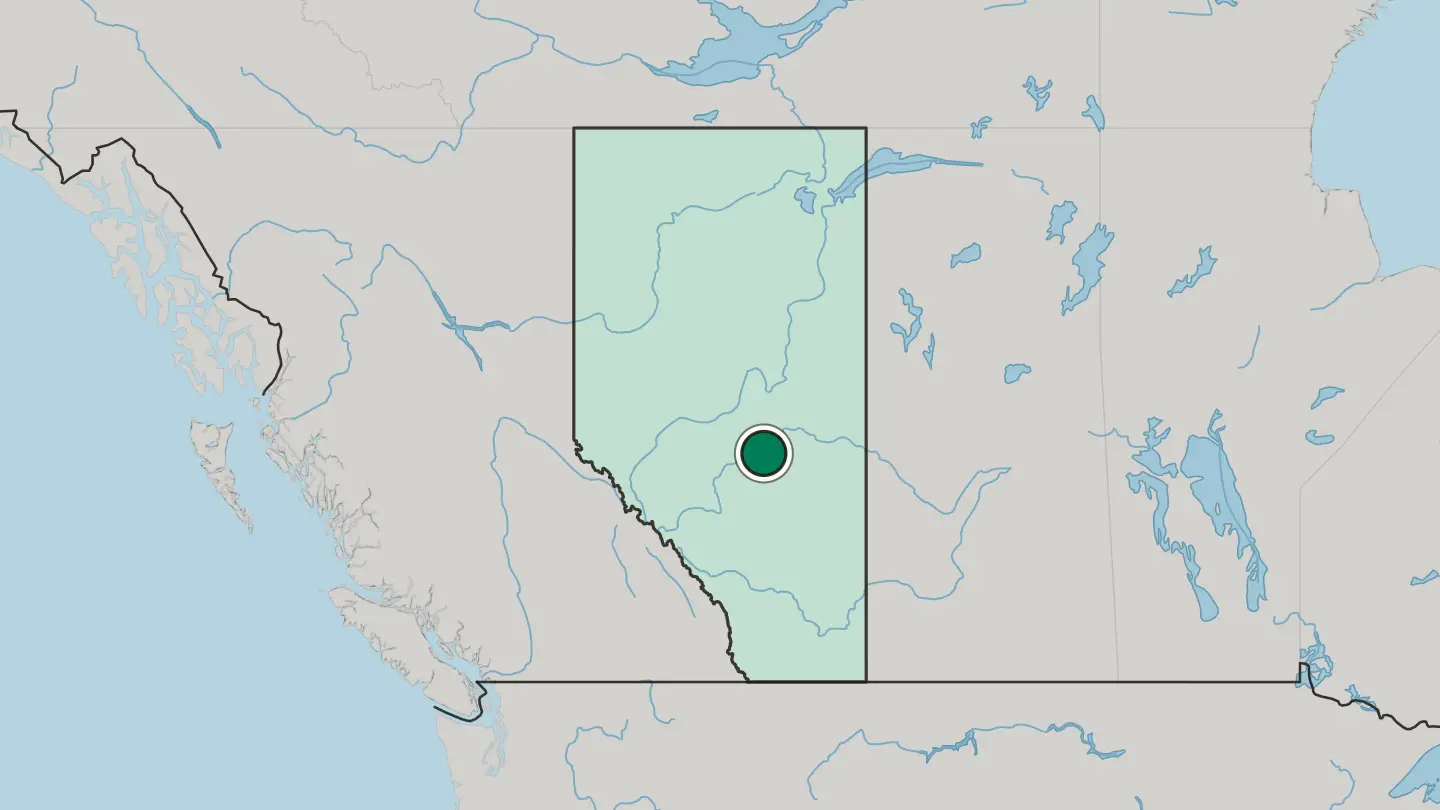
 Canada
Lethbridge
Lethbridge is a prairie city of southern Alberta, Canada, on the Oldman River, marked by a vast steel railway bridge over a valley of coulees.Where to stay →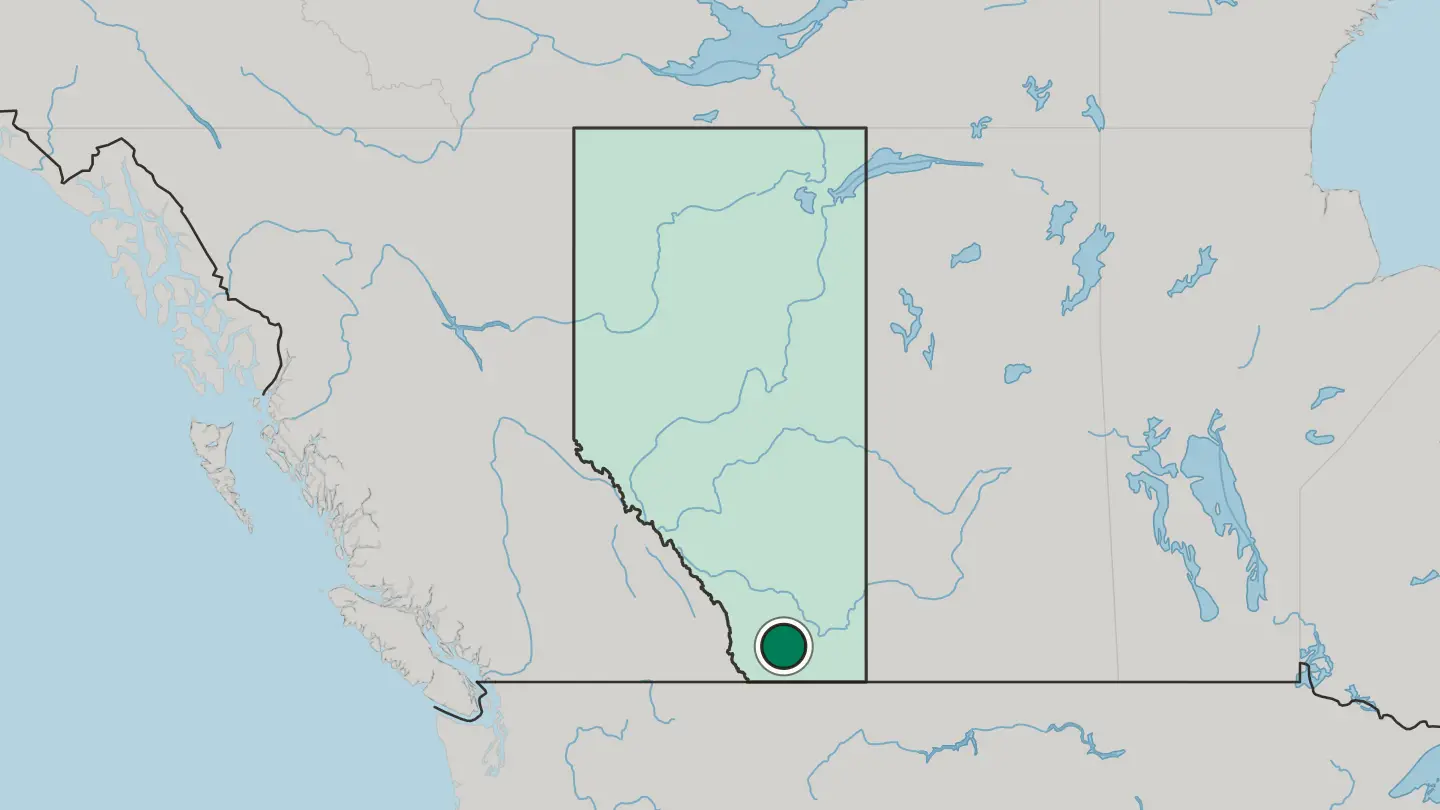
 Canada
Red Deer
Red Deer stands beside the Red Deer River in Alberta, midway on the Calgary-Edmonton Corridor. The province's third city.Where to stay →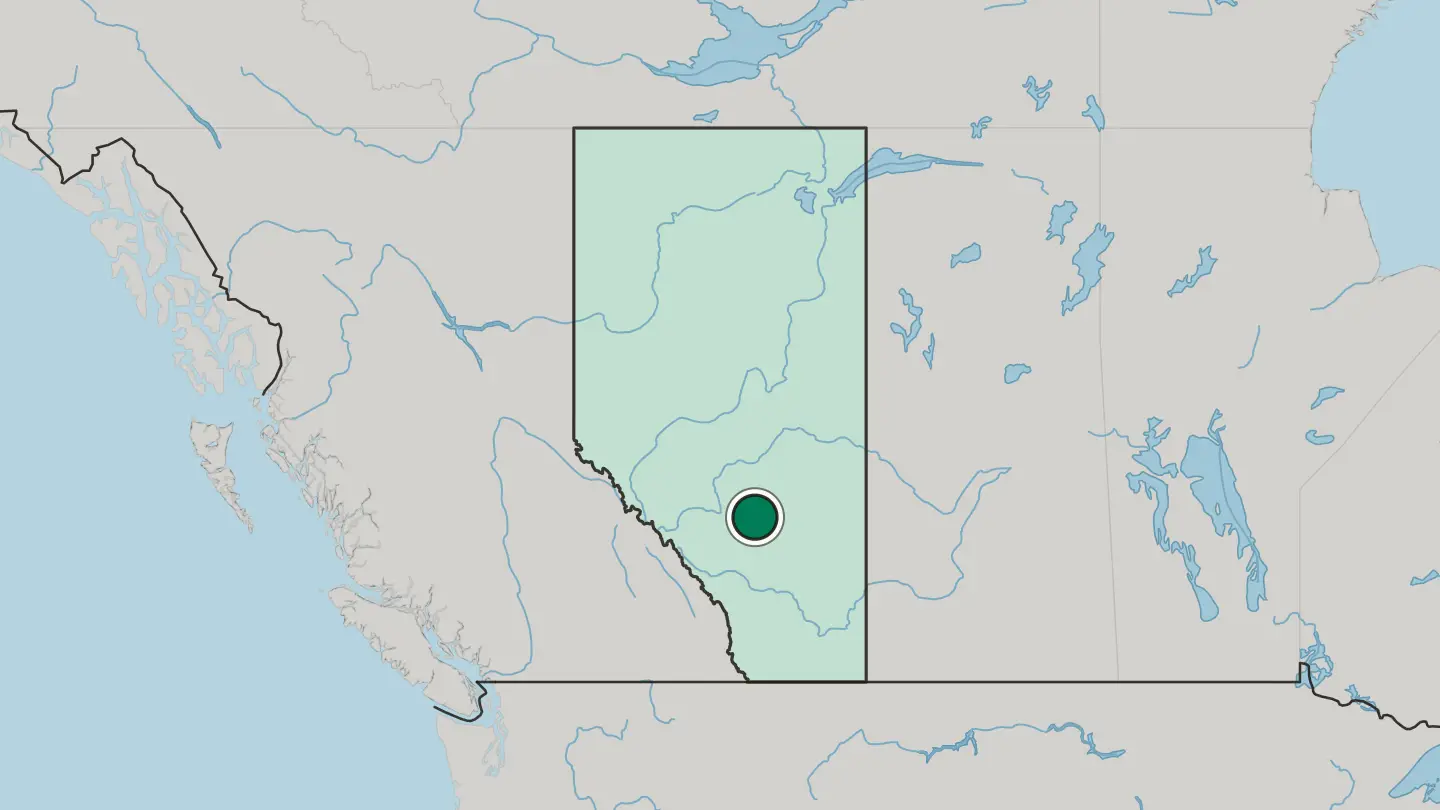
 Canada
Airdrie
Airdrie stands north of Calgary in the Calgary-Edmonton Corridor, where Queen Elizabeth II Highway meets Highway 567; its founding year is 1899.Where to stay →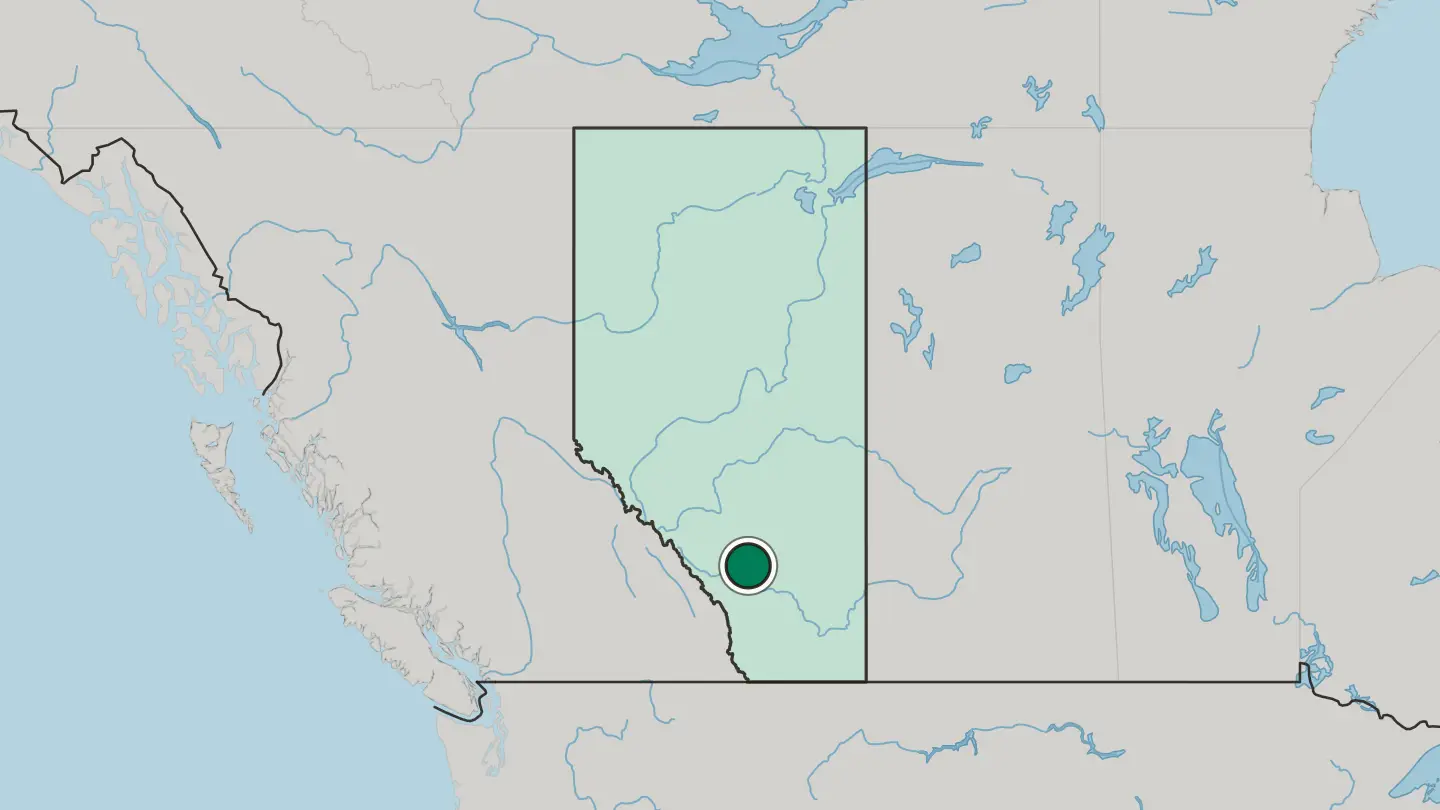
 Canada
Grande Prairie
Grande Prairie is a city of Peace River Country in northwestern Alberta, at the crossing of Highway 43 and Highway 40, northwest of Edmonton.Where to stay →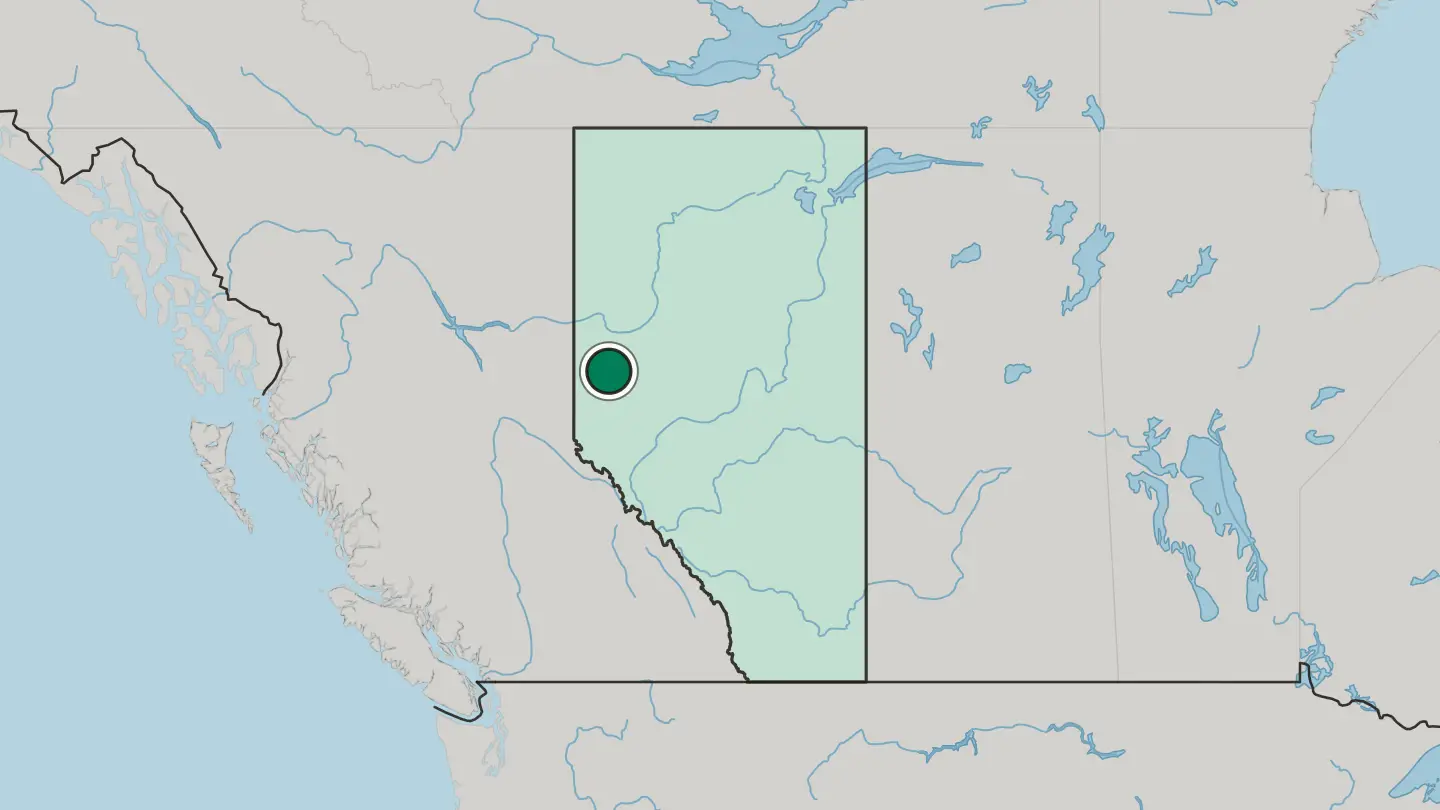 Canada
Fort McMurray
Fort McMurray sits in the middle of the Athabasca oil sands in northeast Alberta, an urban service area of the Regional Municipality of Wood Buffalo.Where to stay →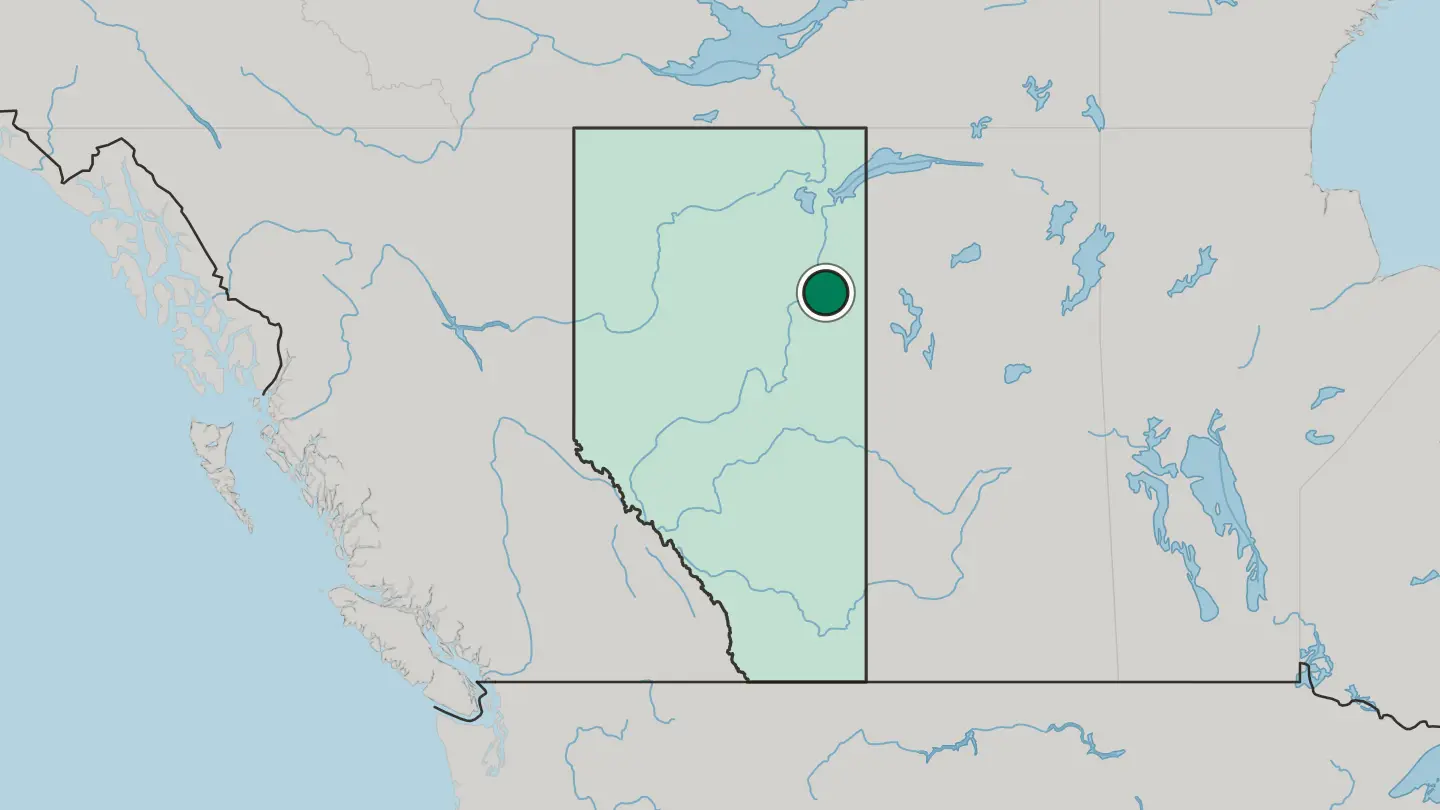
 Canada
Medicine Hat
Medicine Hat stands on the South Saskatchewan River in southeast Alberta, the sunniest place in Canada, with a long roll of heritage houses and churches.Where to stay →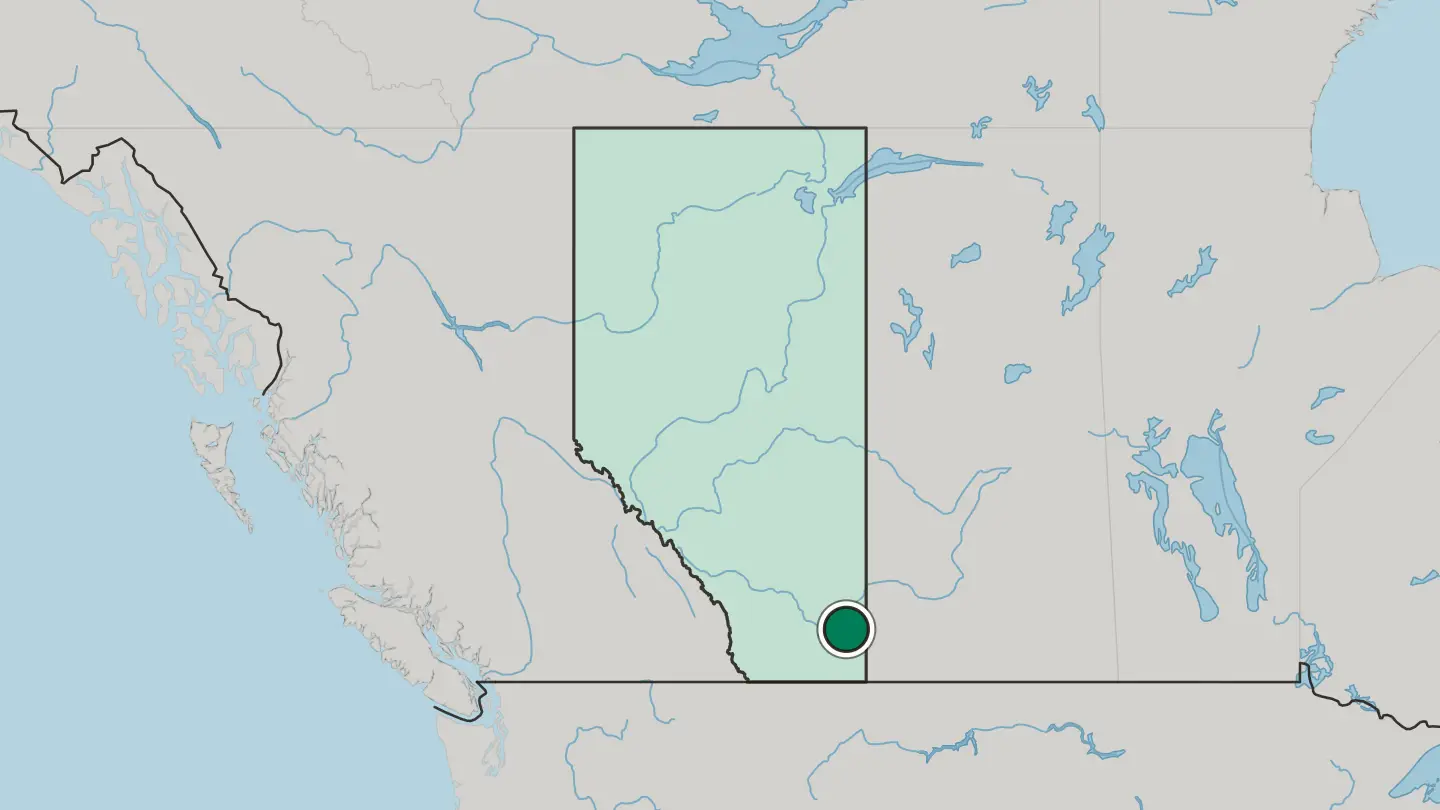
All towns & cities (9)
 Canada
St. Albert
St. Albert stands on the Sturgeon River northwest of the City of Edmonton, settled as a Métis community and carrying a founding year of 1861.Where to stay →
Hotel links are affiliate links: booking through them may earn us a commission, at no extra cost to you. It never affects how places are ranked. How this works
About Alberta
Alberta is known for range, from open plains to high peaks.
What is Alberta known for?
The province holds six UNESCO World Heritage sites, among them one of the world's great dinosaur fossil beds, ancient buffalo hunting grounds, historic Indigenous rock art, and the largest protected boreal forest. Skiers come for the mountains. Calgary hosts a famous rodeo each July, two professional ice hockey teams play here, and the ski season is among the longest in the northern hemisphere, while oil has built the towers of Edmonton and Calgary.
Where is Alberta?
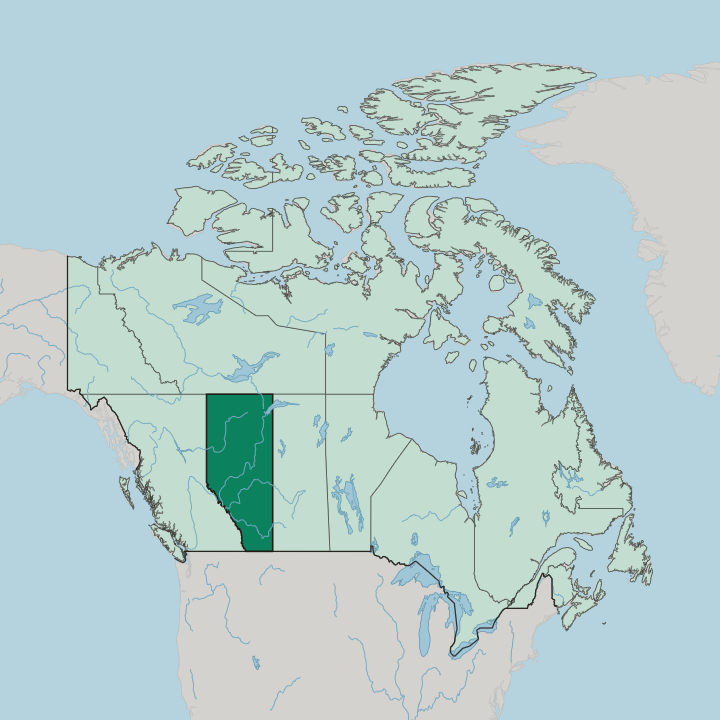
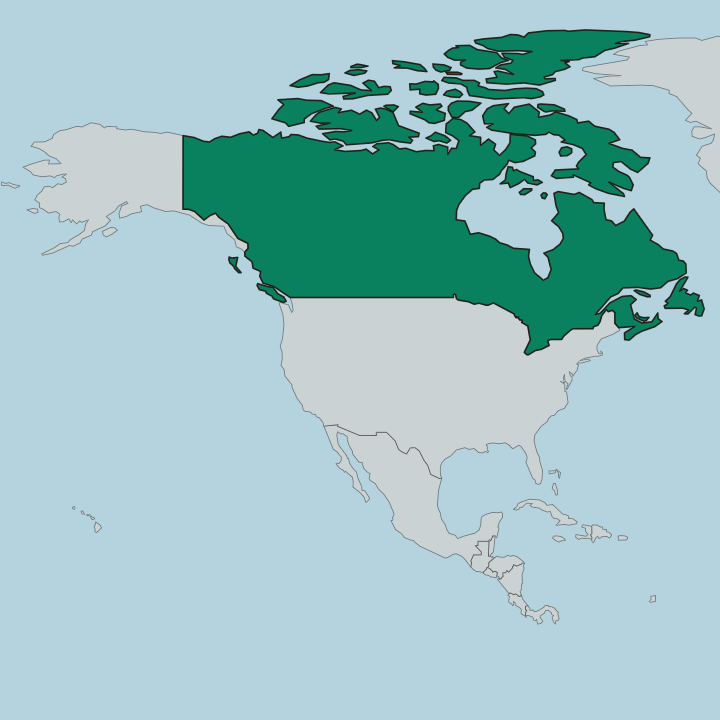
Alberta lies in Western Canada, one of the three prairie provinces. It is landlocked, with Saskatchewan, one of only two Canadian provinces without a coast, and it shares its edges with neighbours on every side: British Columbia to the west, Saskatchewan to the east, the Northwest Territories to the north, and the U.S. state of Montana to the south. No sea reaches it at all.
Fourth-largest of Canada's provinces by area, it covers a broad sweep of the continental interior. The land is big and open. Two great landscapes divide the province.
The Great Plains fill the east, flat and dry grassland running to the horizon, while the Rocky Mountains rise along the western edge on the British Columbia border. Between and beyond them lie forests, including a large protected boreal forest and the world's largest inland delta in the north. The aridity keeps the eastern plains dry, and the rivers that cross them fall from the peaks.
Six of its landscapes are protected as UNESCO World Heritage sites. From prairie to peak, Alberta gathers some of the sharpest scenery contrasts in Canada.
What is Alberta like?
Alberta's culture is split between city and open country. The province is young, and it shows. Most Albertans speak English, with a small francophone community and a large share who grew up with other languages entirely, a mix that fills the young, fast-building cities of Edmonton and Calgary.
The two cities keep up a running rivalry. Both are adding new museums and galleries as they grow, and more than half the province lives in one or the other. New concert halls and libraries rise beside them.
Outside the cities, the culture leans western and outdoors. Sport runs deep here. Calgary's rodeo each July is the best-known event, one of the largest anywhere, while ice hockey and one of the northern hemisphere's longest ski seasons shape the winters.
Older layers run underneath. Indigenous rock art and ancient buffalo hunting grounds mark the plains, and the dinosaur fossil beds carry a past far older still. Oil money built much of what stands, raising new skyscrapers over both Edmonton and Calgary.
From the mountains to the prairie, Alberta wears an outdoors, frontier character that its wealth has modernised but not erased.
What is the history of Alberta?
Alberta became a province in 1905. The land's human story runs far deeper, marked by ancient buffalo hunting grounds and Indigenous rock art across the plains, and its rock holds one of the world's great dinosaur beds from an age before that. After 1905 the province grew, and later oil built the modern cities of Edmonton and Calgary.
Alberta is old ground under a young province.
What is the climate of Alberta?
Alberta has a mostly continental climate, and its dryness makes the temperature swing fast. Cold snaps and warm spells can trade places within a day, especially out on the arid eastern plains. The west is gentler.
There, along the Rocky Mountains, occasional Chinook winds slip down the slopes and lift the winter temperature sharply, easing the swings that the rest of the province feels.
How do you get to Alberta?
Most travellers fly into Calgary or Edmonton. The two cities are the province's gateways, and roads run out from them to the mountains, the plains, and the borders. Alberta is landlocked, so there is no coast to arrive by.
Overland routes cross in from British Columbia over the Rocky Mountains, from Saskatchewan across the plains, and up from Montana on the United States line to the south.
Good for
More regions in Canada
Updated September 2026