Canada · Alberta
Where to Stay in St. Albert, Alberta
St. Albert stands on the Sturgeon River northwest of the City of Edmonton, settled as a Métis community and carrying a founding year of 1861.
Hotel links are affiliate links: booking through them may earn us a commission, at no extra cost to you. It never affects how places are ranked. How this works


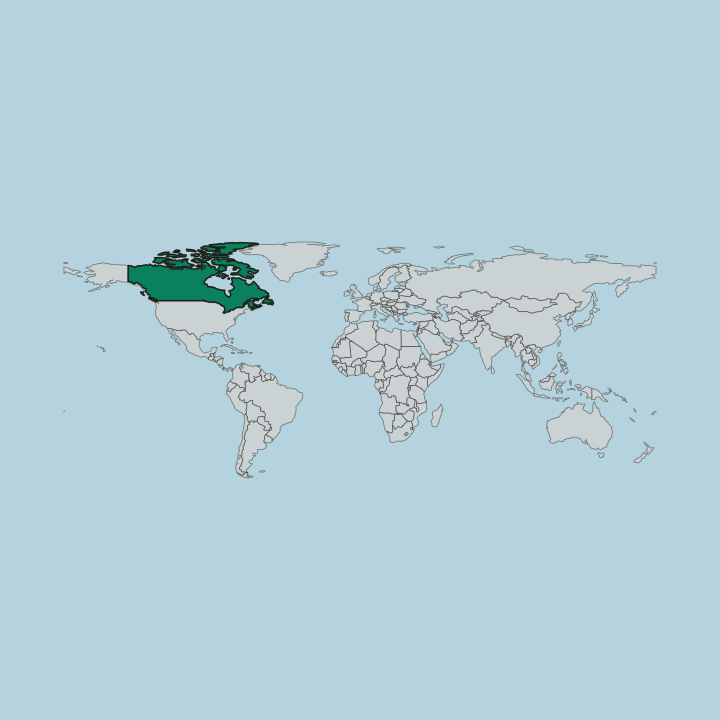
Where to stay in St. Albert
Where the beds are, and what that means for the visit.
The Sturgeon River is the line to book against. St. Albert Grain Elevator Park sits with the Musée Héritage Museum and the older mission buildings on the same stretch, so a room near that ground puts Father Lacombe Church, Bishop's Palace and the two grain elevators within one afternoon. Nothing in St. Albert lies far off.
The city covers 48 square kilometres of mostly suburban ground, and a bed anywhere in it is closer to White Spruce Forest and the Sturgeon River than to anything that reads as a downtown. Edmonton is the other consideration. The 1980s expansion of the larger city's limits left St. Albert immediately adjacent to it on the southern and eastern sides, so a room here is a room in the Edmonton Metropolitan Region with a quieter address, not a room in a separate town.
That cuts both ways. Travellers who want the range of the provincial capital will do better in Edmonton itself, while anyone whose reason for coming is the Métis founding, the grain elevators or the heritage register that includes the Bruin Inn and the Little White School should stay inside St. Albert.
Find hotels in St. Albert
Direct booking searches for these neighbourhoods.
Grain Elevator Park and the mission ground
St. Albert Grain Elevator Park, the Musée Héritage Museum and Bishop's Palace stand close enough together that one bed beside the Sturgeon River reaches all three.Find hotels in Grain Elevator Park and the mission groundTravellers who want the provincial capital next door to a quieter addressThe Edmonton edge
The 1980s expansion of Edmonton's limits left St. Albert immediately adjacent on its southern and eastern sides, which puts the Edmonton Metropolitan Region a street away.Find hotels in The Edmonton edgeVisitors wanting the choice of the provincial capital rather than a suburban cityEdmonton
Edmonton adjoins St. Albert on two sides and carries the range a city of 48 square kilometres cannot, with Father Lacombe Church still a short run out.Find hotels in EdmontonHotel links are affiliate links: booking through them may earn us a commission, at no extra cost to you. It never affects how places are ranked. How this works
About St. Albert
Two grain elevators survive in one park.
What is St. Albert known for?
St. Albert Grain Elevator Park is where they stand. One is the St. Albert Alberta Wheat Pool Grain Elevator, and the mission buildings of Father Lacombe Church and Bishop's Palace sit within the same short walk of it. The other is the St. Albert Alberta Grain Company Grain Elevator.
Musée Héritage Museum holds the record of the Métis community the city grew from.
What are the main landmarks in St. Albert?
Ten sites carry the register, and they divide cleanly. Father Lacombe Church and Bishop's Palace hold the mission layer, while the Little White School, the Bruin Inn and the Musée Héritage Museum cover the civic side. Two grain elevators make the third group.
The St. Albert Alberta Wheat Pool Grain Elevator is one of them. Its neighbour in the park is the St. Albert Alberta Grain Company Grain Elevator, and the ground they share is listed on its own account. That entry is St. Albert Grain Elevator Park.
The Edmonton residential school is also listed, and White Spruce Forest is the one natural entry.
What is the history of St. Albert?
The Métis came first. St. Albert was settled as a Métis community, and 1861 is the founding year the record gives, which puts the settlement four decades ahead of the town status it received in 1904. Nothing earlier than that year attaches to the place.
The railway arrived in 1906. The Canadian Northern Railway reached St. Albert that year, and the two grain elevators that survive in St. Albert Grain Elevator Park belong to the economy that followed the track. Farmland separated St. Albert from Edmonton at first.
Several miles of it lay between them until the 1980s expansion of Edmonton's city limits placed St. Albert immediately adjacent to the larger city on its southern and eastern sides. The mission layer predates all of it. Father Lacombe Church and Bishop's Palace stand from that layer, while the Little White School, the Bruin Inn and the Edmonton residential school record the institutions that followed, and the Musée Héritage Museum holds the documentation for the whole sequence.
Suburban growth did the rest. Second-largest in the Edmonton Metropolitan Region is where that sequence has left the city.
Where is St. Albert?
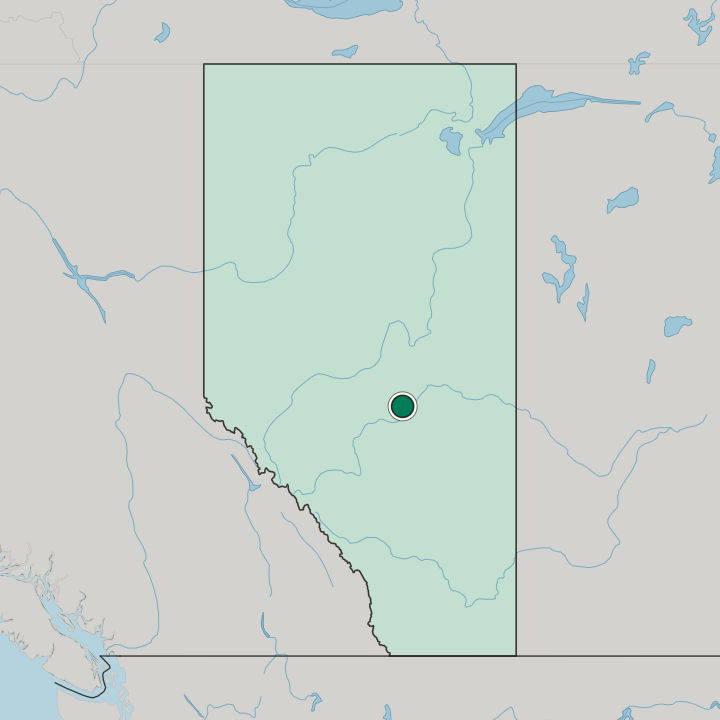
The Sturgeon River runs through it. St. Albert occupies 48 square kilometres northwest of the City of Edmonton, on temperate ground in Alberta, and White Spruce Forest is the one piece of that ground the register marks as natural rather than built. Edmonton adjoins two sides.
Since the 1980s the boundary has run against the larger city on the southern and eastern sides, which leaves the other flanks as the directions in which St. Albert still faces open country.
What is the climate of St. Albert?
Outdoor and indoor split the year here. The temperate band gives St. Albert a long cold half, which matters because White Spruce Forest and the open ground of St. Albert Grain Elevator Park are the two sites that depend on weather rather than on opening hours. Interiors carry the rest.
Musée Héritage Museum, Father Lacombe Church and Bishop's Palace hold up in any month, and the Sturgeon River is worth a walk mainly in the warm half.
How do you get to St. Albert?
Edmonton is the way in. St. Albert sits immediately adjacent to the provincial capital on its southern and eastern sides, so arrivals into the Edmonton Metropolitan Region are already within reach of the city before they cross the boundary. The Canadian Northern Railway came in 1906.
That line is the reason the two grain elevators stand where they do, and the short road distance from Edmonton is what most arrivals use.
Common questions
What is the best area to stay in St. Albert?
Grain Elevator Park and the mission ground: Stays built around Father Lacombe Church and the two grain elevators. The Edmonton edge: Travellers who want the provincial capital next door to a quieter address. Edmonton: Visitors wanting the choice of the provincial capital rather than a suburban city.
More cities in Alberta
Updated September 2026