Canada · Alberta
Where to Stay in Edmonton, Alberta
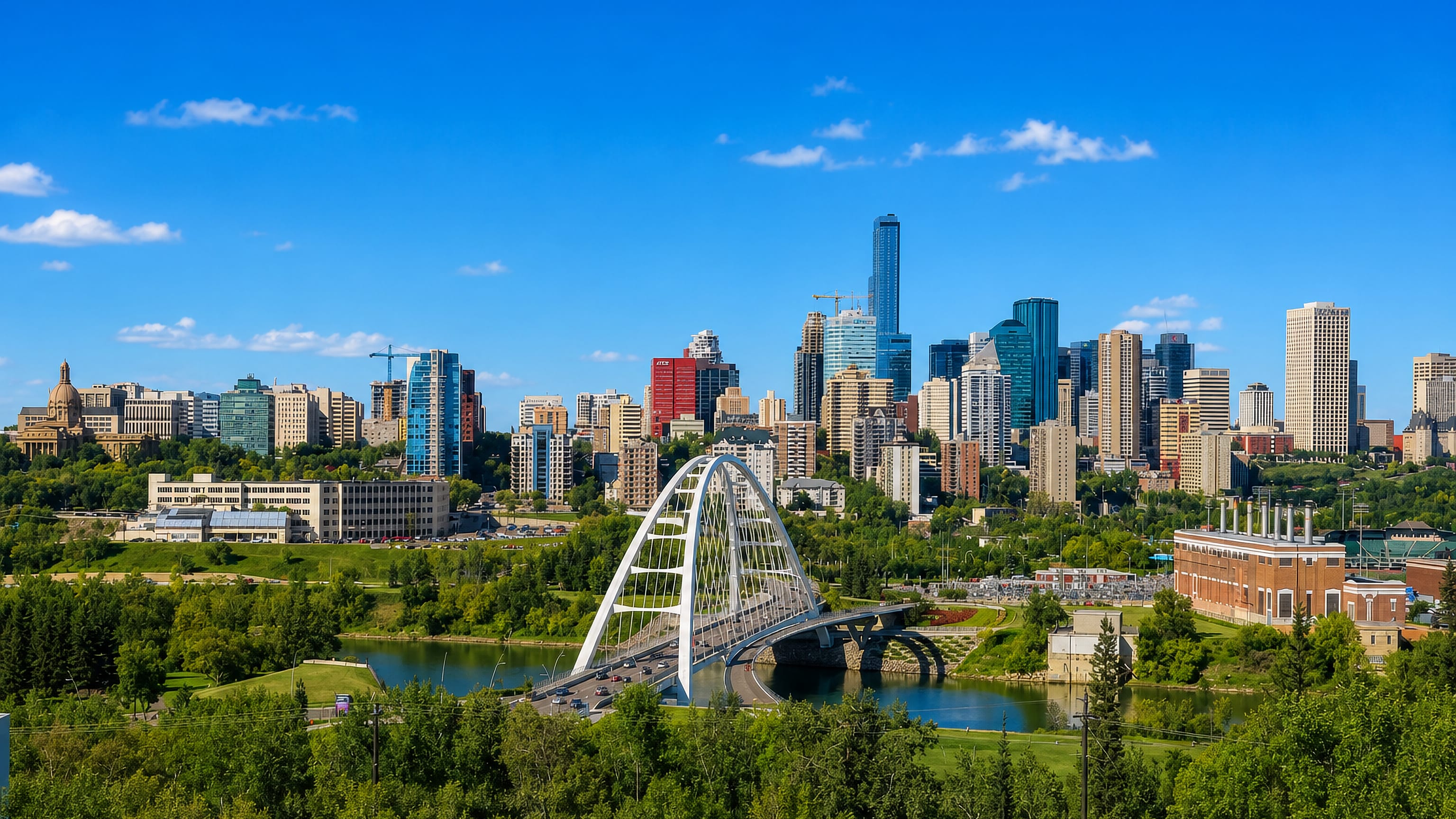
The North Saskatchewan River curves through Edmonton, the capital of Alberta, known for its river valley parks and West Edmonton Mall.
Hotel links are affiliate links: booking through them may earn us a commission, at no extra cost to you. It never affects how places are ranked. How this works


Where to stay in Edmonton
Where you base yourself shapes the visit — here's the character of each area.

 EdmontonCanada
Downtown
Downtown is Edmonton's central business district, at the geographical centre of the city, with the North Saskatchewan River to the southeast.Downtown →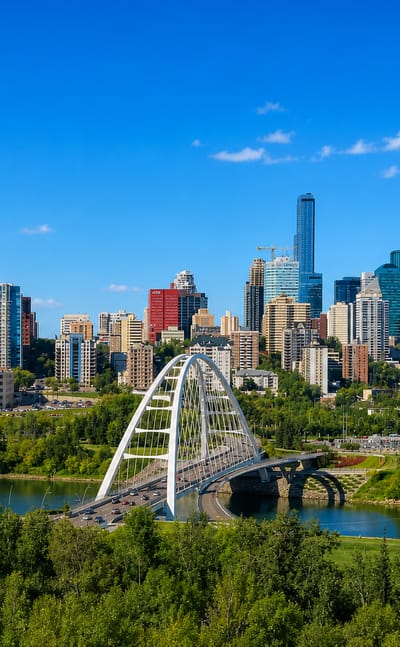 EdmontonCanada
Strathcona
Heritage houses line it. Strathcona is a district of Edmonton, Alberta, holding Holy Trinity Anglican Church and a long roll of listed residences.Strathcona → EdmontonCanada
Wîhkwêntôwin
Wîhkwêntôwin is an Edmonton neighbourhood of church spires, designated heritage houses and the Neon Sign Museum's salvaged commercial lettering.Wîhkwêntôwin →EdmontonCanadaGarneau
Garneau is one of Edmonton's oldest neighbourhoods, carrying the name of Laurent Garneau, a Métis man who came here from the Red River Valley.Garneau → EdmontonCanada
Boyle Street
Boyle Street lies immediately east of Edmonton's downtown core, holding the Art Gallery of Alberta, the Royal Alberta Museum and a run of churches.Boyle Street →EdmontonCanadaQueen Mary Park
Queen Mary Park is a mature residential neighbourhood just outside Edmonton's downtown core, on land once held in the Hudson's Bay Company reserve.Queen Mary Park →EdmontonCanadaWestmount
Westmount is an established central-west residential neighbourhood of Edmonton, close to the downtown core and dense with named houses.Westmount →EdmontonCanadaAlberta Avenue
Alberta Avenue, originally called Norwood, is a pre-World War II Edmonton neighbourhood whose heritage roll runs to a handful of early houses.Alberta Avenue →EdmontonCanadaInglewood
Inglewood is a residential neighbourhood of Edmonton in Alberta, Canada, keeping the McGregor/Coote House among its streets.Inglewood →EdmontonCanadaOttewell
Ottewell is a residential district of Edmonton in Alberta, a neighbourhood the record marks by name rather than by any centre of its own.Ottewell → EdmontonCanada
Empire Park
Empire Park is a residential neighbourhood in southwest Edmonton, Alberta, with Southgate Centre standing at its west end.Empire Park →EdmontonCanadaSummerside
Summerside is a newer Edmonton neighbourhood laid out between Ellerslie Road and 25 Avenue SW, with Parsons Road running down its western side.Summerside → EdmontonCanada
Ambleside
Ambleside is a residential neighbourhood in southwest Edmonton, Alberta, a piece of the city made of houses rather than sights.Ambleside →Hotel links are affiliate links: booking through them may earn us a commission, at no extra cost to you. It never affects how places are ranked. How this works
Things to do in Edmonton
Ranked by global recognition; descriptions from Wikidata (CC0).
Museums & Galleries
3- Art Gallery of Alberta
- Royal Alberta Museum
- Ukrainian Canadian Archives & Museum Of Alberta
Churches & Religious Sites
7- St. Josaphat Cathedral Heritage
- First Presbyterian Church Heritage
- McDougall United Church Heritage
- Robertson-Wesley United Church Heritage
- St. Joachim's Roman Catholic Church Heritage
Show 2 more →
- Holy Trinity Anglican Church Heritage
- Knox (Presbyterian) Church Heritage
Stadiums & Sports
3- RE/MAX Field
- Foote Field
- Clare Drake Arena
Landmarks & Notable Places
8- Government House Heritage
- Rutherford House Heritage
- Delmar Bard Residence and Carriage House Heritage
- Molstad Residence Heritage
- Foote Residence Heritage
Show 3 more →
- Trudel Residence Heritage
- Carter Residence Heritage
- Dr. Terwillegar's Residence Heritage
worth knowingacross 4 categories in Edmonton
About Edmonton
What is Edmonton known for?
Edmonton is known as the capital of Alberta and the centre of the Edmonton Metropolitan Region. The North Saskatchewan River cuts a broad valley through the middle of the city, and its parks and trails follow the water for miles. West Edmonton Mall draws shoppers from across the province.
The North Saskatchewan gives the city its shape. Galleries and museums, among them the Art Gallery of Alberta, gather near the centre.
What are the main landmarks in Edmonton?
Edmonton's landmarks gather along the North Saskatchewan River. Others line the older streets. The Art Gallery of Alberta and the Royal Alberta Museum anchor the cultural life of the centre, drawing visitors down toward the valley that runs through the heart of the capital.
Government House and Rutherford House recall the early province, while St. Josaphat Cathedral and St. Joseph's Basilica rise above their neighbourhoods. The Alberta Aviation Museum and the Ukrainian Canadian Archives & Museum of Alberta hold the city's working past. West Edmonton Mall stands apart in the west.
What is the history of Edmonton?
Edmonton began as Fort Edmonton, a fur-trade post founded in 1795 on the North Saskatchewan River. The river carried the trade that gave the settlement its reason to exist, linking it to the wider network of posts across the northern plains. Traders and travellers passed through.
The fort held the north bank while the surrounding country was still open prairie and parkland. From that trading post the town slowly grew, gathering settlers along the river. With the coming of the railway and the naming of Alberta as a province, Edmonton became its capital, and Government House and Rutherford House date from those early provincial years.
The city drew people from across Europe, among them the Ukrainian families whose story the Ukrainian Canadian Archives & Museum of Alberta records. Waves of settlement reshaped it. Institutions such as the Royal Alberta Museum and the Art Gallery of Alberta came later, as the capital matured on both banks of the North Saskatchewan River.
The old fort is gone. Its name endures in the city that grew where it stood.
Where is Edmonton?
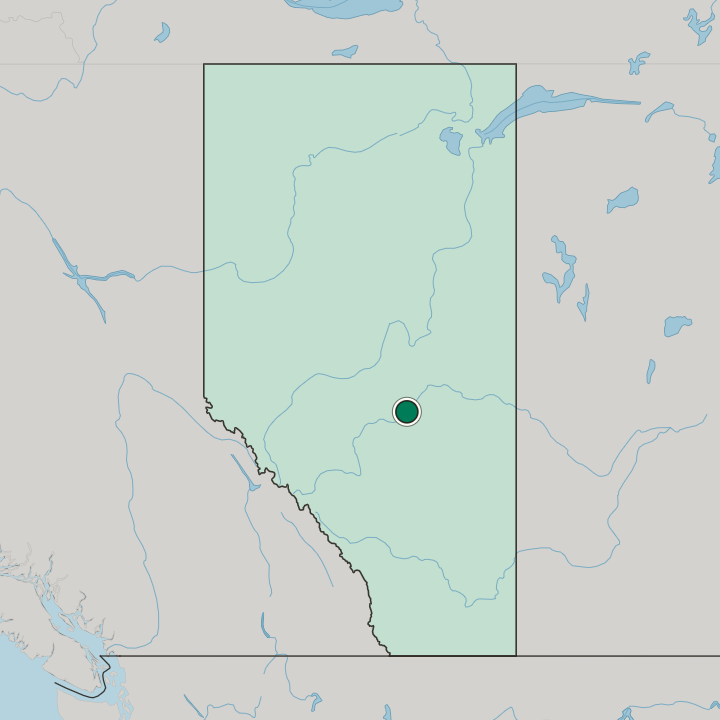
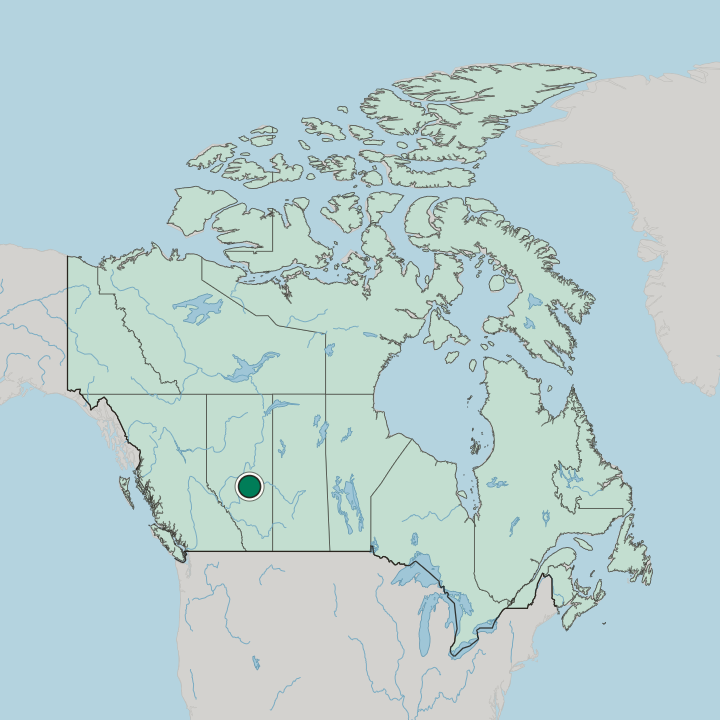
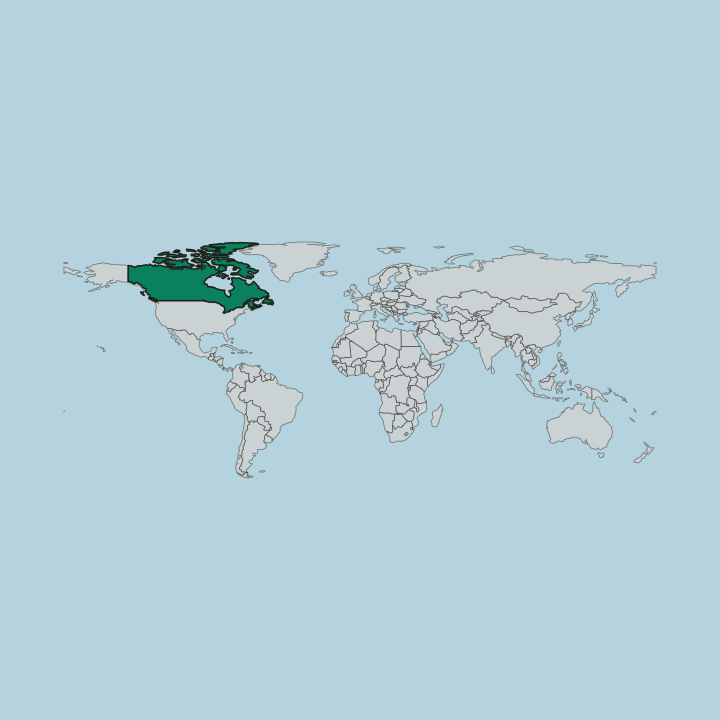
Edmonton sits on the North Saskatchewan River in central Alberta, about 290 kilometres north of Calgary at the northern end of the Calgary-Edmonton Corridor. The river cuts a deep valley across the city, and its parks follow the water through the heart of the built-up area. The land around is level prairie and parkland.
Edmonton anchors the Edmonton Metropolitan Region, spread across both banks of the river.
What is the climate of Edmonton?
Edmonton has a cold, dry climate shaped by its place on the northern prairie. Winters are long and hard, with deep cold settling over the North Saskatchewan River valley for months and daylight running short. Summers are warm and bright.
When the warm season comes, it brings long evenings and the festivals for which the city is known. The turn between them takes only a few weeks.
How do you get to Edmonton?
Edmonton is reached by air, road, and rail from across Alberta and the wider country. Highways run south down the Calgary-Edmonton Corridor toward Calgary and north into the resource country beyond the North Saskatchewan River. Its airport lies south of the city.
Rail lines that once made it a junction still cross the region, and long-distance roads bring travellers in from every direction across the prairie.
Good for
More cities in Alberta
Updated October 2026