Canada · Alberta
Where to Stay in Red Deer, Alberta
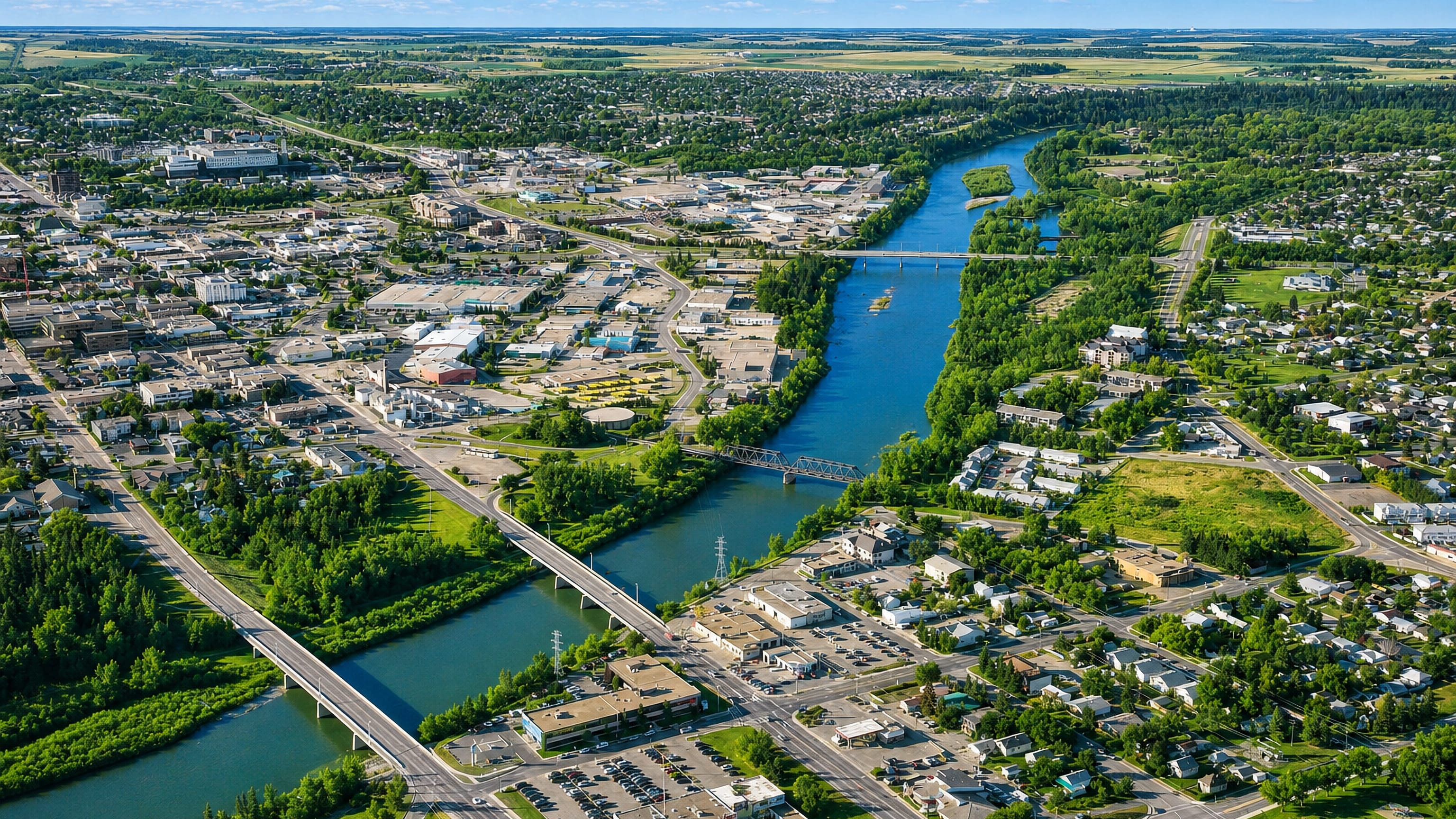
Red Deer stands beside the Red Deer River in Alberta, midway on the Calgary-Edmonton Corridor. The province's third city.
Hotel links are affiliate links: booking through them may earn us a commission, at no extra cost to you. It never affects how places are ranked. How this works


Where to stay in Red Deer
The practical side of choosing where to sleep.
Cronquist House marks the river side. Beds along the Red Deer River put the water, the paths on its banks, and that preserved house within an easy walk, which suits anyone who would rather start the day outdoors than in a car. Parking is easy out here.
The Red Deer River runs along the city's edge, and a room within reach of its banks trades the shops for open ground and moving water. Anyone travelling with a car and a plan to see more of Alberta than one town will find a room by the river simpler to leave from than anything in the middle. In town it works differently.
The Alberta Sports Hall of Fame and Museum, McIntosh House, and the Allen Bungalow are the fixed points for a stay built on heritage rather than on water, and they reward an afternoon spent on foot. Clarke Residence belongs to that set. Routledge Family Residence too, and a bed on this side keeps the shops, the museum, and the run of preserved homes together while the traffic of the Calgary-Edmonton Corridor slips past unnoticed.
Find hotels in Red Deer
Direct booking searches for these neighbourhoods.
Riverside
Cronquist House and the river banks sit within an easy walk of these bedsFind hotels in RiversideStays built around the Alberta Sports Hall of Fame and MuseumThe museum side
McIntosh House, Clarke Residence and the Allen Bungalow fall on one afternoon's walkFind hotels in The museum sideHotel links are affiliate links: booking through them may earn us a commission, at no extra cost to you. It never affects how places are ranked. How this works
Things to do in Red Deer
Ranked by global recognition; descriptions from Wikidata (CC0).
Museums & Galleries
1- Alberta Sports Hall of Fame and Museum
Churches & Religious Sites
1- St. Luke’s Anglican Church Heritage
Stadiums & Sports
1- Gary W. Harris Canada Games Centre
Landmarks & Notable Places
8- J.J. Gaetz House Heritage
- Allen Bungalow Heritage
- Clarke Residence Heritage
- Cronquist House Heritage
- McIntosh House Heritage
Show 3 more →
- Parsons Residence Heritage
- Routledge Family Residence Heritage
- W.D. Scott Residence Heritage
worth knowingacross 4 categories in Red Deer
About Red Deer
What is Red Deer known for?
Sport and old houses carry the city's name. The Alberta Sports Hall of Fame and Museum keeps the province's athletic record in one building, and it draws people who would otherwise drive straight through on the Calgary-Edmonton Corridor. Heritage counts for the rest.
Cronquist House, McIntosh House, and the Allen Bungalow survive from the decades when the town was still finding its shape beside the Red Deer River.
What are the main landmarks in Red Deer?
Cronquist House, McIntosh House, the Allen Bungalow, Clarke Residence, and Routledge Family Residence together form a register of early domestic building, and they are the reason a walking afternoon here goes slowly. Houses carry the heritage. Sport gets its own building in the Alberta Sports Hall of Fame and Museum.
Parsons Residence completes the run.
What is the history of Red Deer?
The city dates itself to 1882. That founding put a settlement on the Red Deer River at the halfway point of the ground between Calgary and Edmonton, and the position has shaped what the place became ever since. Alberta filled in around it.
Both of the larger cities pulled far ahead, which left Red Deer third in the province, ahead of Lethbridge and permanently in the shadow of the two. The route itself acquired a name, the Calgary-Edmonton Corridor, and the city holds its midpoint. Traffic passed through more than it stopped, and a town on the midpoint of a busy run grows on other people's journeys as much as on its own trade.
What survives from those decades is domestic. Cronquist House, the Allen Bungalow, McIntosh House, Clarke Residence, Parsons Residence, and Routledge Family Residence are the built record of the town's first generations, and they outlasted almost everything else raised beside them. Their names read as a roll of early families.
Sport arrived later. The Alberta Sports Hall of Fame and Museum gathered the province's athletic memory into one Red Deer building, which gave a city long defined by what lay on either side of it a subject of its own.
Where is Red Deer?
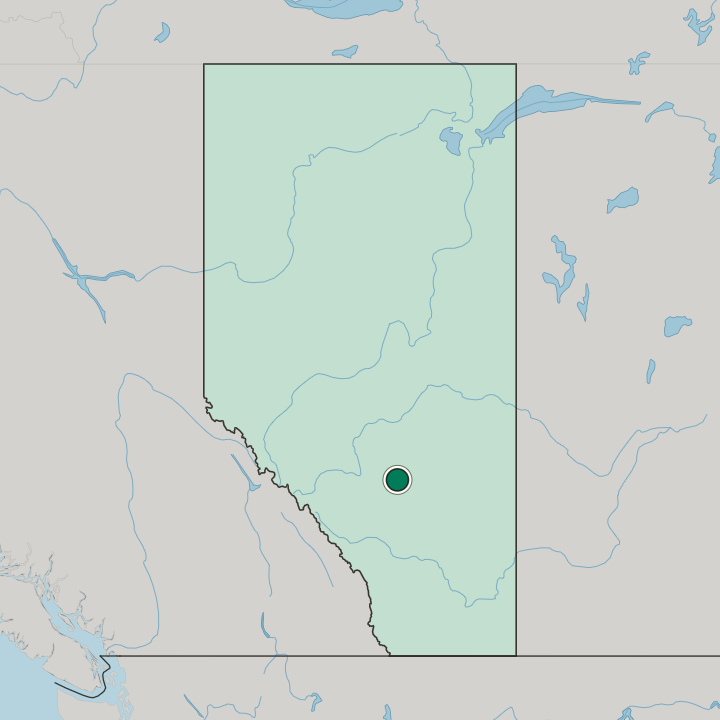
The Red Deer River is the one landform that matters. It runs alongside the city, and the built area spreads back from its banks across a little over a hundred square kilometres of Alberta between Calgary and Edmonton. Water here means the river.
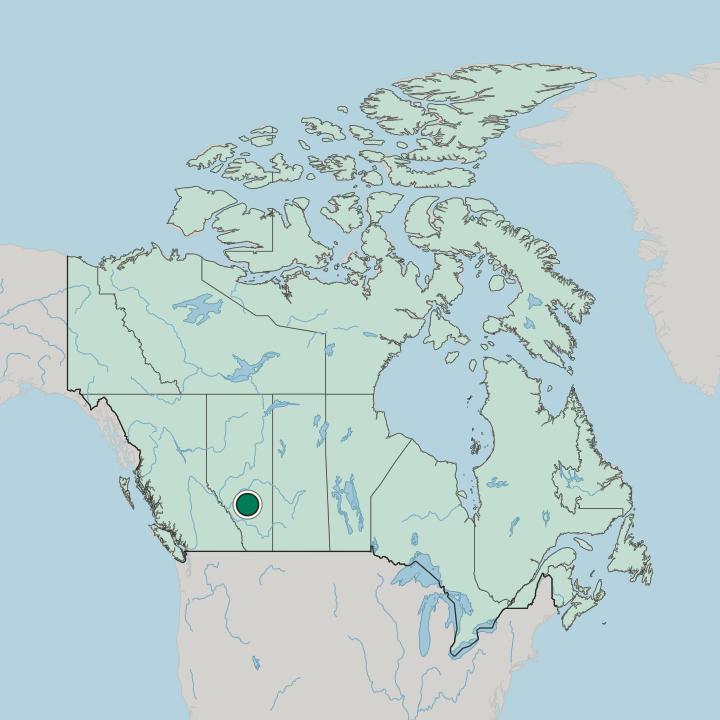
Distance does the rest of the framing: Lethbridge elsewhere in Alberta, Calgary and Edmonton at either end of the corridor, and Red Deer midway along it.
What is the climate of Red Deer?
Snow decides the year. Red Deer sits in the temperate band, where the cold settles in early and holds without much interruption, and the Red Deer River freezes along its banks before the shortest days arrive. Warm weather comes late to Alberta and leaves early, which compresses the season for walking the river paths into a handful of months.
How do you get to Red Deer?
The Calgary-Edmonton Corridor does the work. Red Deer sits midway along it, which puts the city within a straightforward drive of either of Alberta's two largest centres and makes the road the default way in for almost everyone. Distance is the only obstacle.
Travellers coming from further inside Canada generally reach Alberta first and then take the corridor, which keeps Red Deer within reach of both large cities on a single run.
Common questions
What is the best area to stay in Red Deer?
Riverside: Mornings on the Red Deer River paths and a look at Cronquist House. The museum side: Stays built around the Alberta Sports Hall of Fame and Museum.
More cities in Alberta
Updated September 2026