China · Beijing Shi
Where to Stay in Beijing, Beijing Shi
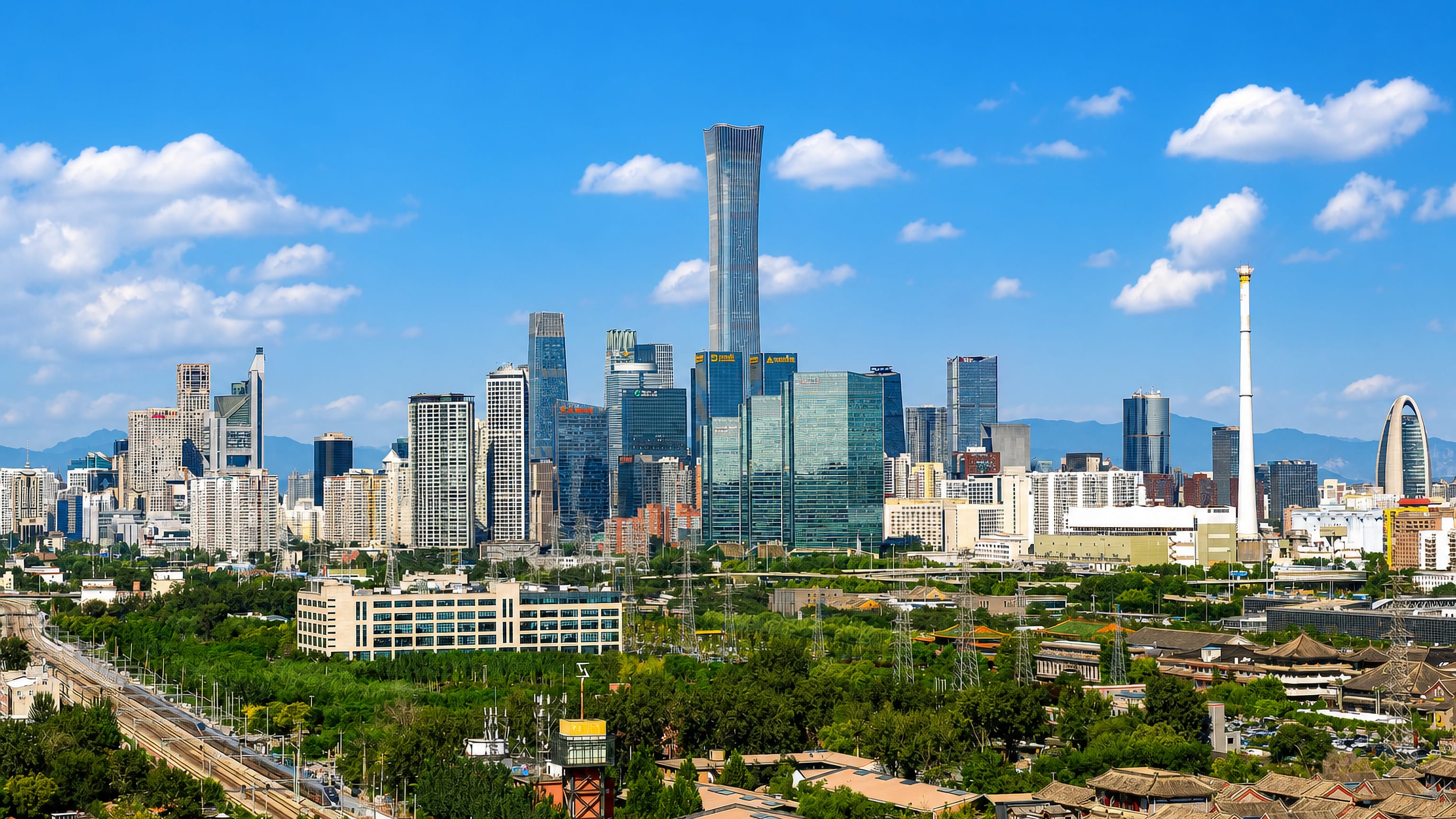
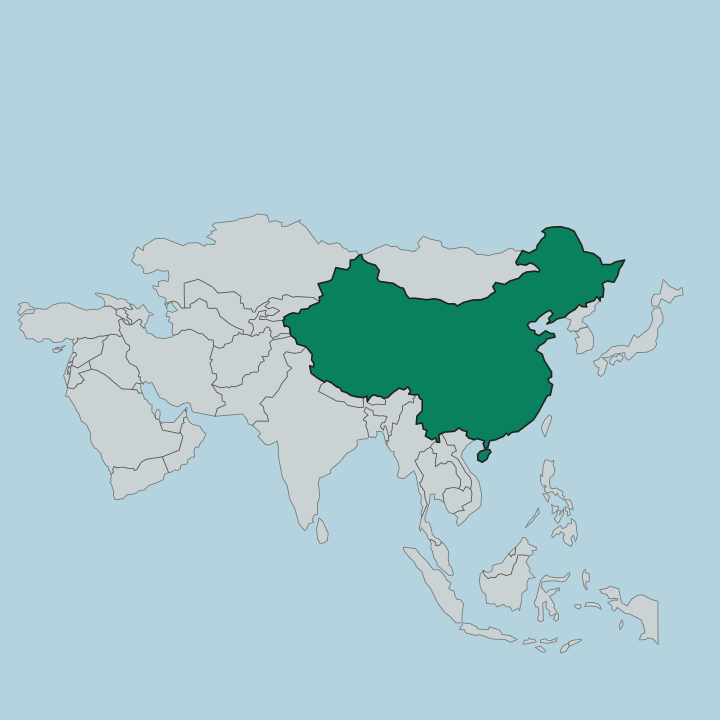
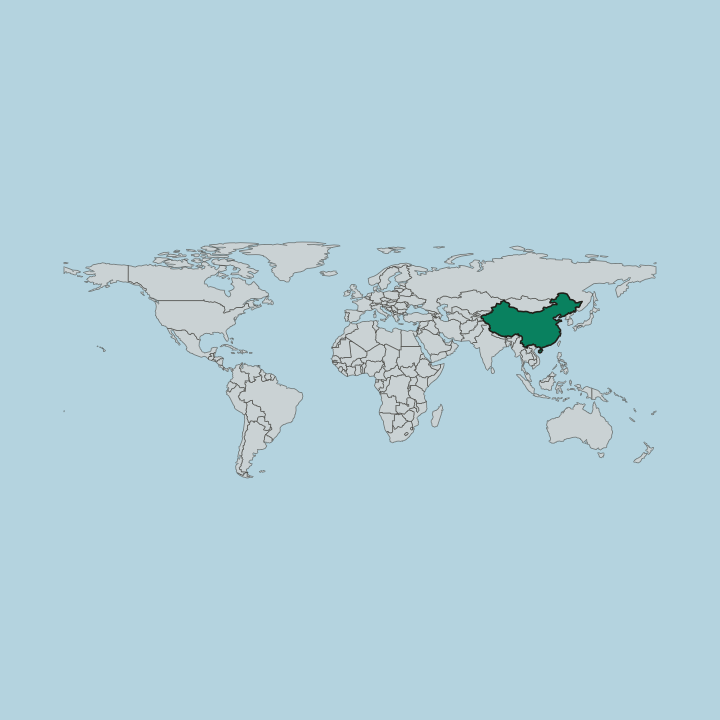
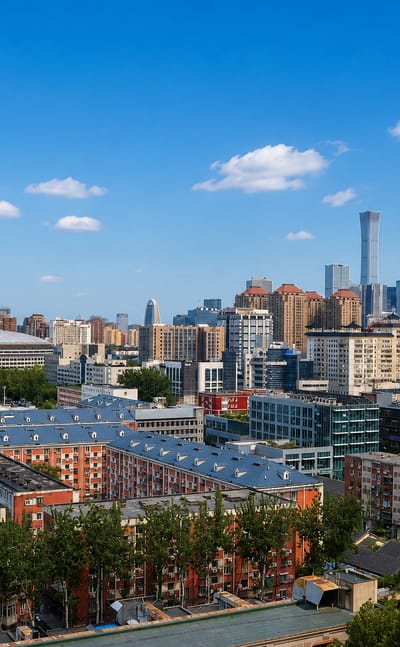
Beijing spreads across the plain below the northern mountains, the walled capital of China, known for the Forbidden City and the Temple of Heaven.
Hotel links are affiliate links: booking through them may earn us a commission, at no extra cost to you. It never affects how places are ranked. How this works


Where to stay in Beijing
The right area depends on your trip — here's what each neighbourhood is best for.
 BeijingChina
Dongcheng District
Dongcheng District is a central borough of Beijing built around the Forbidden City and the halls of the Palace Museum.Where to stay →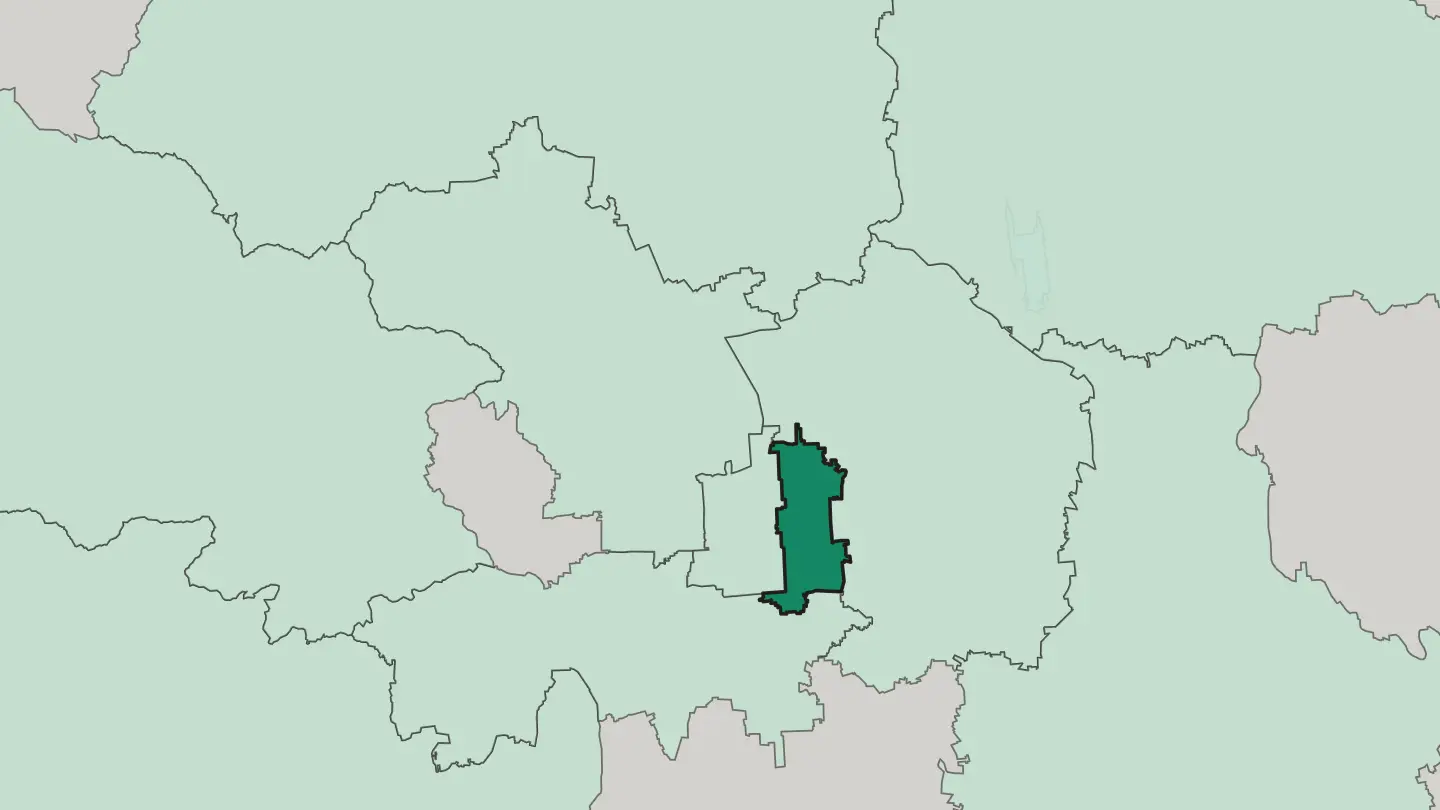
 BeijingChina
Chaoyang District
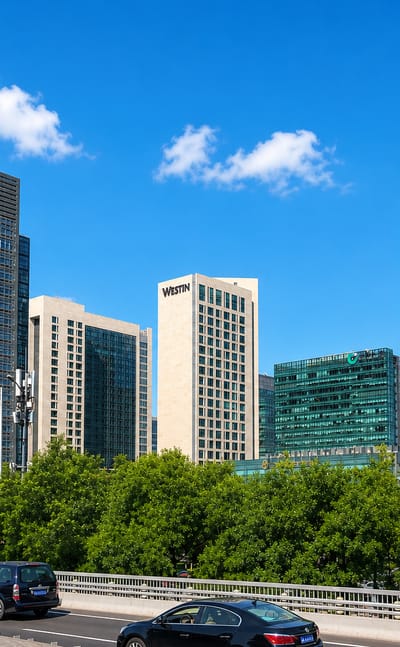
Chaoyang District is a district of Beijing where the National Art Museum of China and the Beijing Ming City Wall Ruins Park stand among its streets.Where to stay →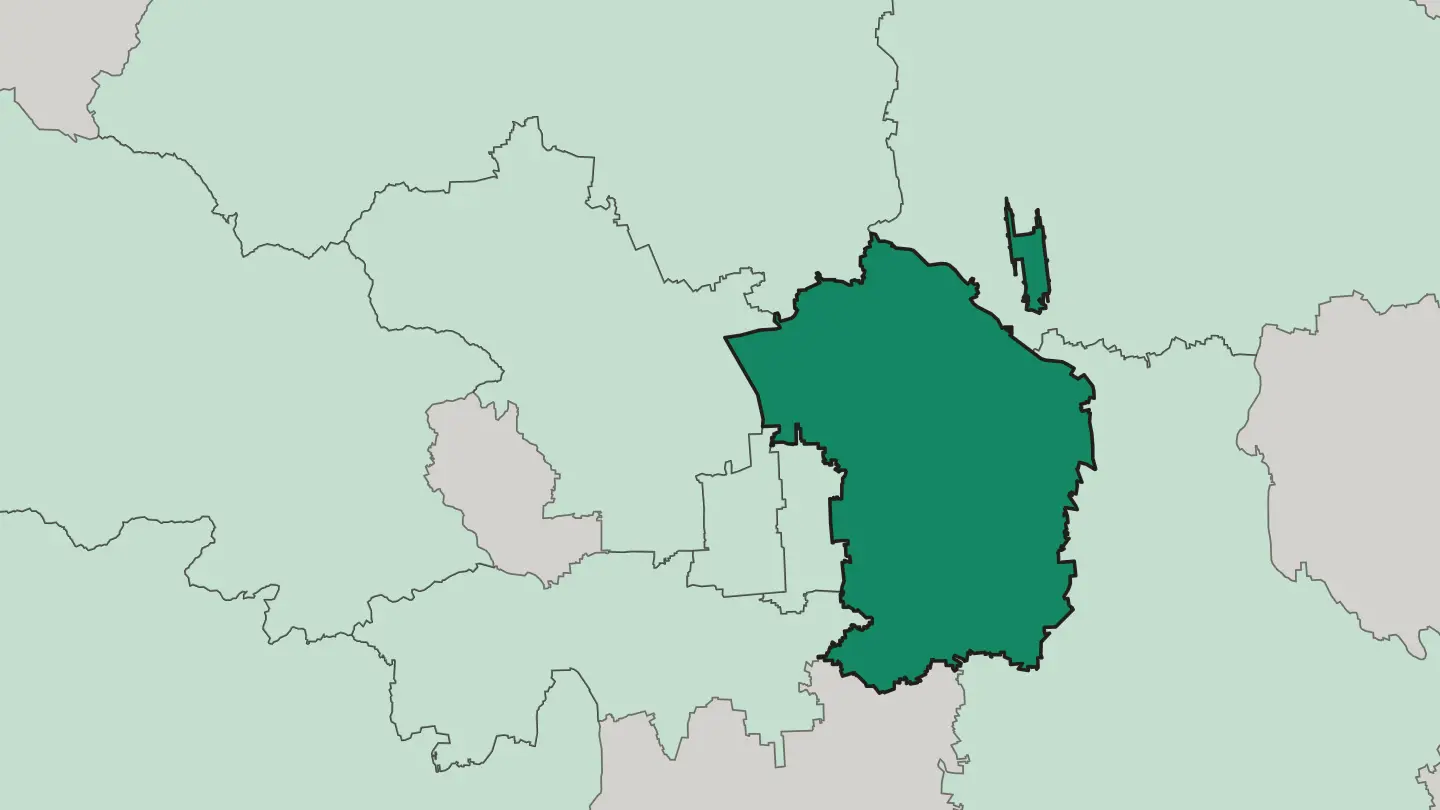
 BeijingChina
Xicheng District
Xicheng District is a central borough of Beijing, holding the western half of the old imperial city.Where to stay →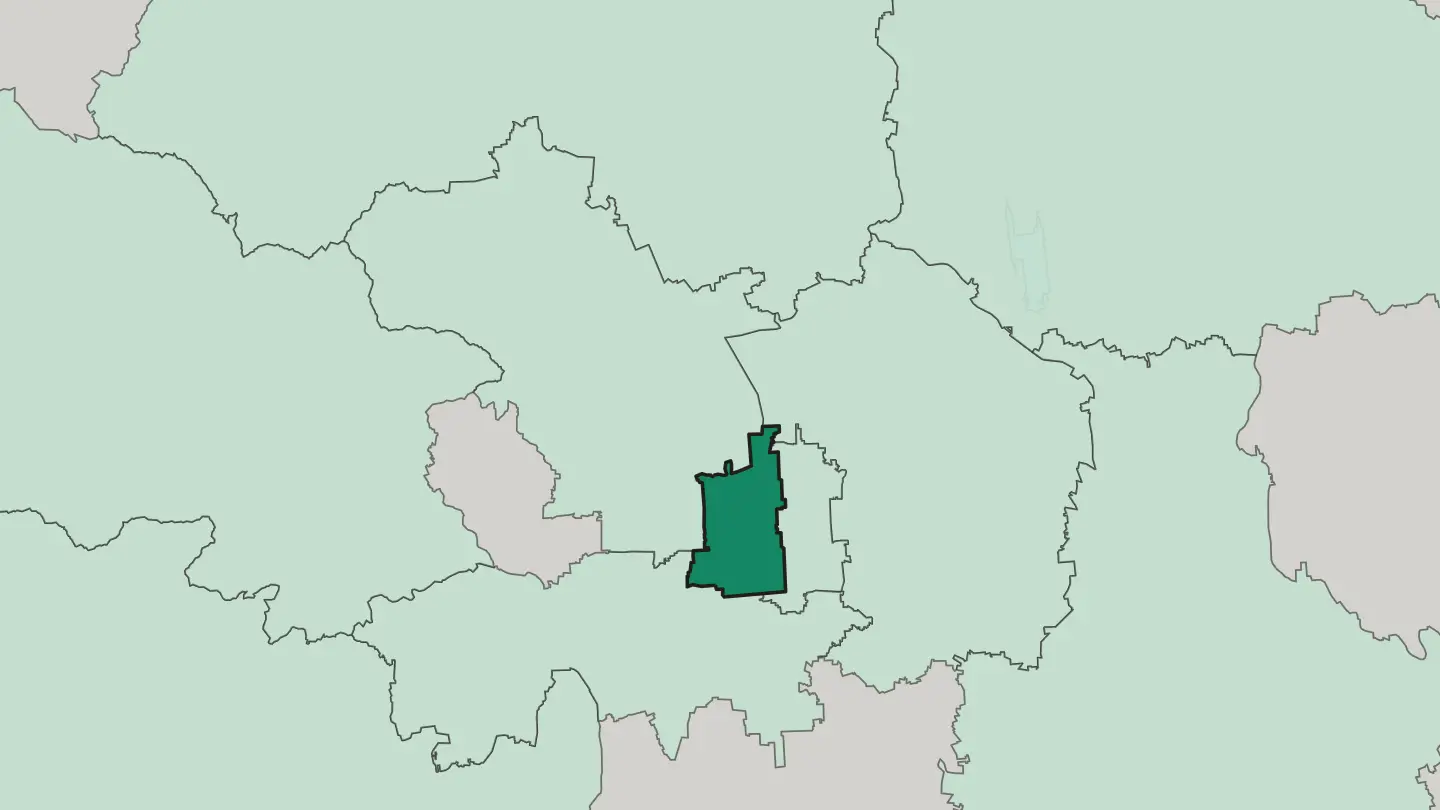
 BeijingChina
Haidian District
Haidian District is a large borough of Beijing, home to the Haidian Museum and a cluster of universities.Where to stay →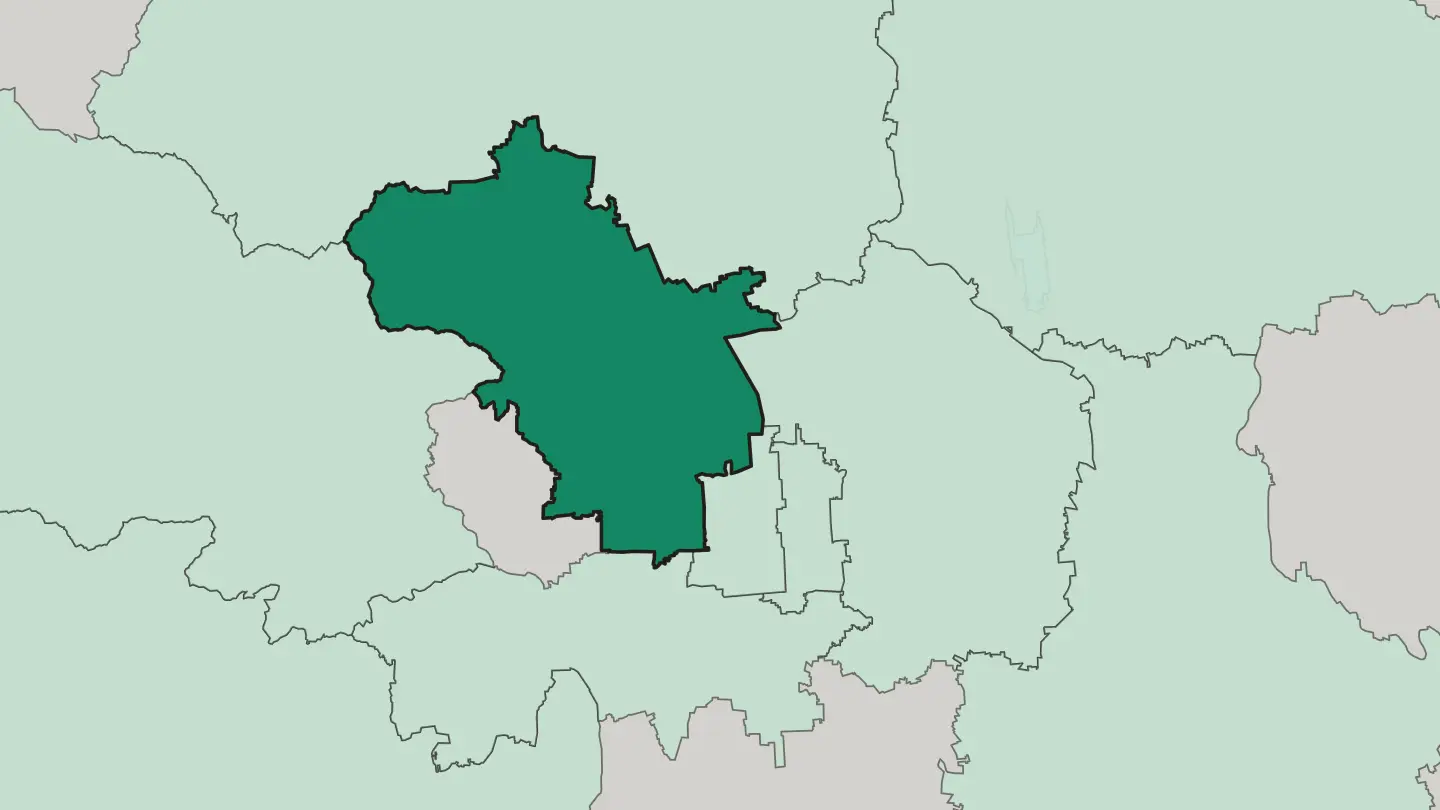
 BeijingChina
Fengtai District
Fengtai District is a district of Beijing where the Marco Polo Bridge crosses the Yongding River southwest of the centre.Where to stay → BeijingChina
Tongzhou District
Tongzhou District is a district of Beijing, in eastern China, and the seat of the city's Tongzhou Museum.Where to stay → BeijingChina
Mentougou District
Mentougou District is Beijing's mountainous western borough, where the Western Hills rise above the Yongding River Culture Museum.Where to stay →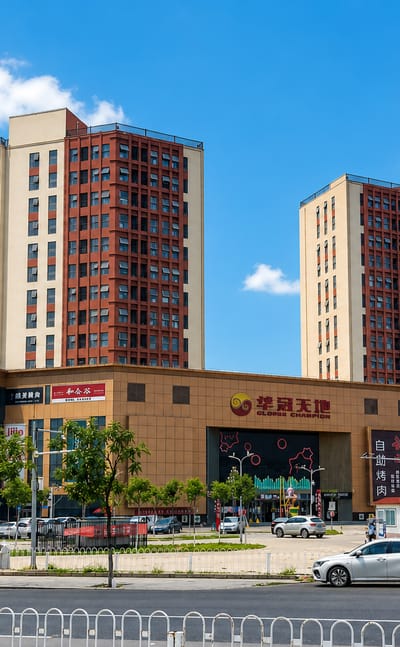 BeijingChina
Fangshan District
Fangshan District is the far southwestern district of Beijing, a broad reach of hill and plain beyond the inner city.Where to stay → BeijingChina
Shunyi District
Shunyi District is an outer district of Beijing, a spread of plain and river country beyond the city's built-up core.Where to stay → BeijingChina
Changping District
Changping District is a large outer district of Beijing, China, and home of the Beijing Changping District Museum.Where to stay →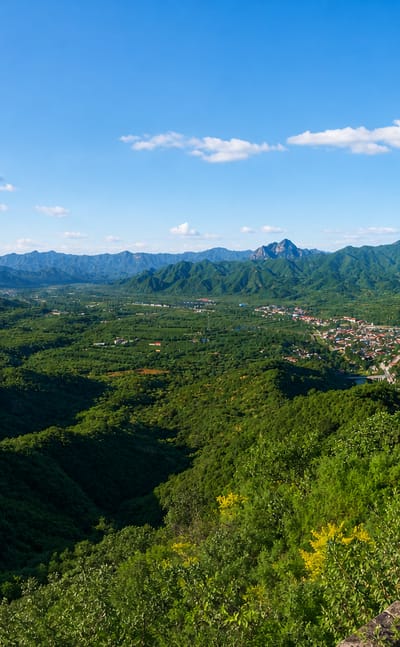 BeijingChina
Huairou District
Huairou District is a northern borough of Beijing, a broad temperate ward set about 50 kilometres from the city centre.Where to stay → BeijingChina
Yanqing District
Yanqing District is a large outer district of Beijing, China, spread across the capital's far upland edge.Where to stay →Hotel links are affiliate links: booking through them may earn us a commission, at no extra cost to you. It never affects how places are ranked. How this works
Find hotels in Beijing
Direct booking searches for these neighbourhoods.
The old imperial core
the walled centre around the Forbidden City and The Palace MuseumFind hotels in The old imperial corequieter stays near parks and temple wallsThe Temple of Heaven quarter
the southern old city by the Temple of Heaven and the gate of YongdingmenFind hotels in The Temple of Heaven quartermid-range rooms near the stationsThe Ming wall line
along the Beijing Ming City Wall Ruins Park, close to the railway and subwayFind hotels in The Ming wall lineHotel links are affiliate links: booking through them may earn us a commission, at no extra cost to you. It never affects how places are ranked. How this works
Things to do in Beijing
Ranked by global recognition; descriptions from Wikidata (CC0).
Museums & Galleries
5- Forbidden City Heritage
- Temple of Agriculture Heritage
- Beijing Lu Xun Museum Heritage
- Pagoda of Monk Wansong Heritage
- Mei Lanfang Memorial Museum, Beijing Heritage
Churches & Religious Sites
5- Temple of Heaven UNESCO
- Cathedral of the Immaculate Conception Heritage
- St. Joseph's Church, Beijing Heritage
- St. Michael's Church, Beijing Heritage
- Asbury Church Heritage
Castles & Historic Sites
3- Monument to the People's Heroes Heritage
- Prince Gong's Mansion Heritage
- Anzhuang cemetery
Stadiums & Sports
1- Beijing Gymnasium
Landmarks & Notable Places
2- Residence of Chongli Heritage
- Yongdingmen
worth knowingacross 5 categories in Beijing
About Beijing
What is Beijing known for?
Beijing is the capital of China, once written Peking, a city of imperial palaces, temples, and grey courtyard lanes. Power and history sit at its heart. The Forbidden City and The Palace Museum hold the old dynastic seat, while the Temple of Heaven and the Temple of Agriculture mark its ritual grounds.
The National Museum of China and the National Art Museum of China gather the country's past and its art. Centuries stack up here.
What are the main landmarks in Beijing?
Beijing carries more landmarks than almost any capital. The Forbidden City and The Palace Museum hold the imperial throne rooms, while the Temple of Heaven crowns the old ritual parks. The National Museum of China and the National Art Museum of China line the central squares, near the Monument to the People's Heroes and the Mausoleum of Mao Zedong.
Yongdingmen and the Beijing Ming City Wall Ruins Park trace the line of the vanished ramparts. History fills every axis.
What is the history of Beijing?
Beijing has served as a seat of power for many centuries, a capital of successive dynasties on the northern edge of the great plain. Emperors made it the centre of the realm. The Ming and Qing courts built the Forbidden City as the walled heart of the empire, ringed it with ramparts and gates like Yongdingmen, and raised the Temple of Heaven for the great state rituals.
The Temple of Agriculture answered it across the axis. Faith came from abroad as well, leaving the Cathedral of the Immaculate Conception among the courtyard lanes. Known to the West as Peking, the city opened slowly to foreign trade and mission.
War and revolution reshaped it again. The old ramparts came down in the modern era, remembered only at the Beijing Ming City Wall Ruins Park. Around them the central squares grew into the ceremonial stage of a new state, lined by the National Museum of China, the Monument to the People's Heroes, and the Mausoleum of Mao Zedong.
The Palace Museum later opened the old halls to the public as a museum. Layer upon layer, the old capital endured.
Where is Beijing?
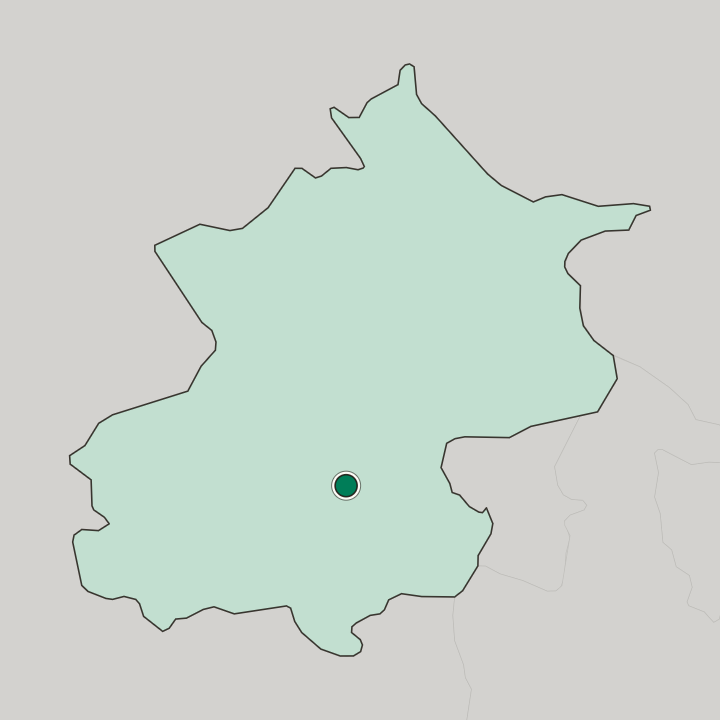
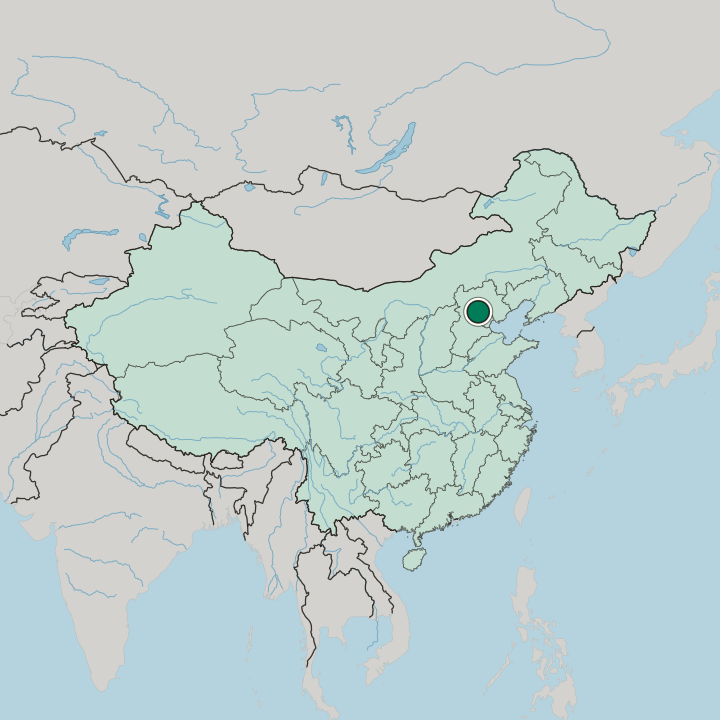
Beijing sits at the northern edge of the great plain, where the flat farmland runs up against a rim of mountains. Hebei Province wraps the municipality on almost every side, and Tianjin lies off to the southeast, the three forming a single cluster of cities. Old canals and dry riverbeds thread the built-up land. Beijing Shi, the municipality itself, reaches from the plain into the hills.
Mountains close the north.
What is the climate of Beijing?
Beijing has a dry, continental climate with sharp seasons, exposed on the plain that Hebei Province wraps around it. Winters bite. Cold, dry air sweeps down from the mountains of Beijing Shi for months, while summers turn hot and humid under the monsoon rains.
Spring is brief and often dusty, when winds carry grit off the plains. Autumn brings the clearest skies.
How do you get to Beijing?
Beijing is reached by air, high-speed rail, and road from every direction. Trains fan out across the country from its great stations, tying it to Tianjin and the wider Jing-Jin-Ji cluster of cities. Ring roads circle the old core again and again.
A vast subway threads beneath the grid of Beijing Shi. All routes point to the centre.
Common questions
What is the best area to stay in Beijing?
The old imperial core: first-timers who want the palaces and museums. The Temple of Heaven quarter: quieter stays near parks and temple walls. The Ming wall line: mid-range rooms near the stations.
Good for
Updated October 2026