China
Beijing Shi, China — Towns & Travel Guide
Beijing Shi is a province-level division of the People's Republic of China, the municipality built around Beijing, the national capital, in East Asia.
Hotel links are affiliate links: booking through them may earn us a commission, at no extra cost to you. It never affects how places are ranked. How this works


Towns & cities in Beijing Shi
One town here has its own guide — it links to where to stay.
 China
China
Beijing
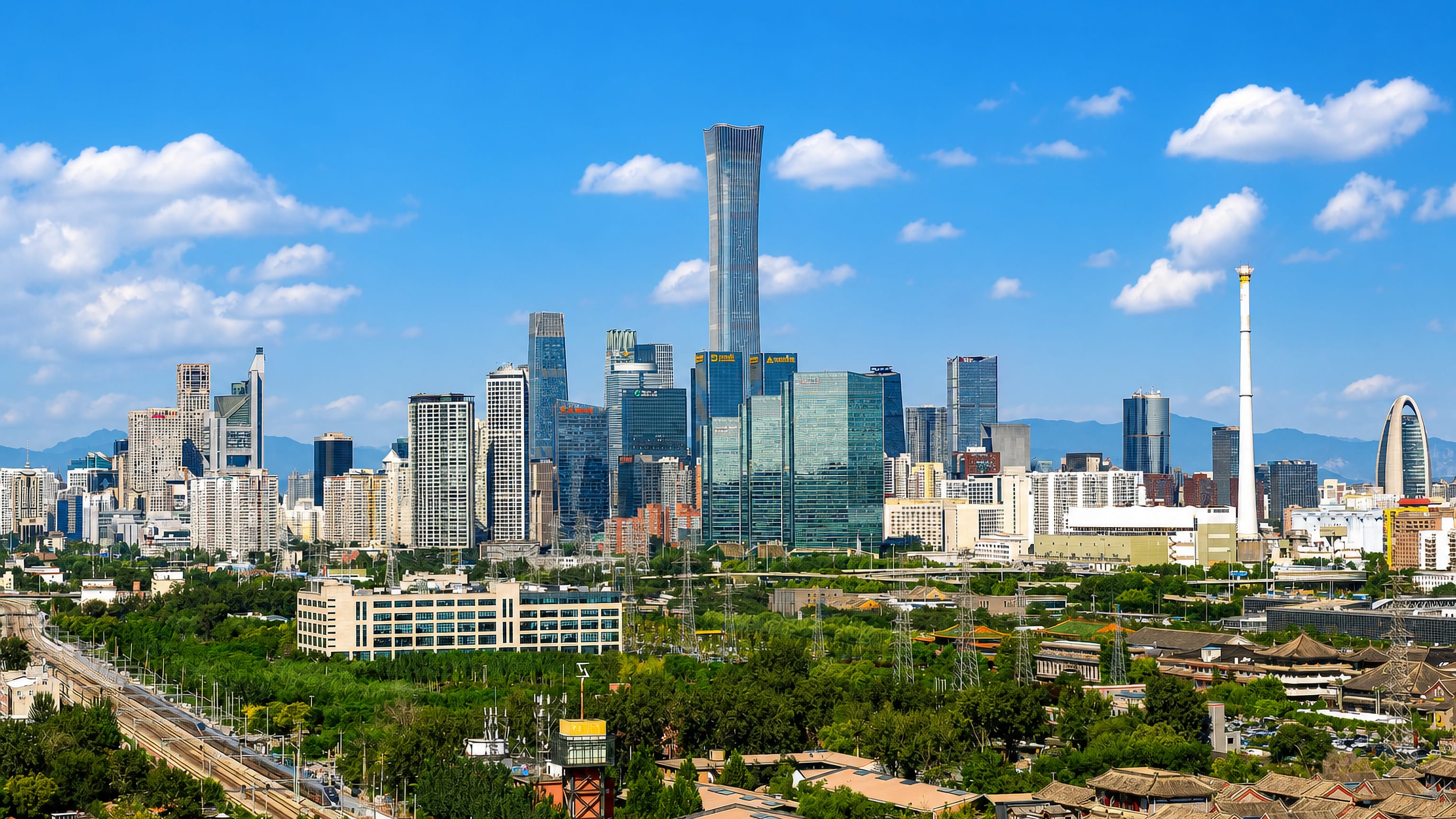
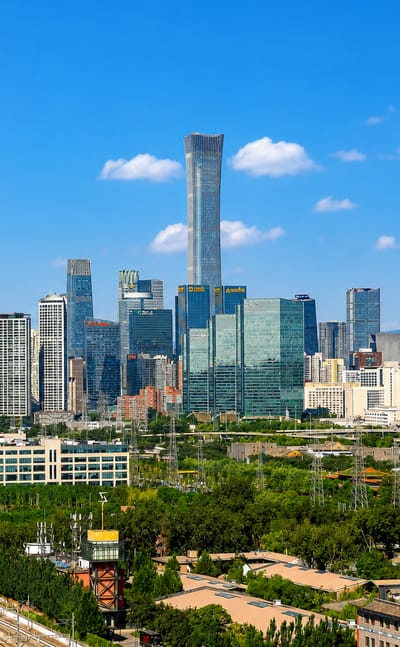
Beijing spreads across the plain below the northern mountains, the walled capital of China, known for the Forbidden City and the Temple of Heaven.Where to stay →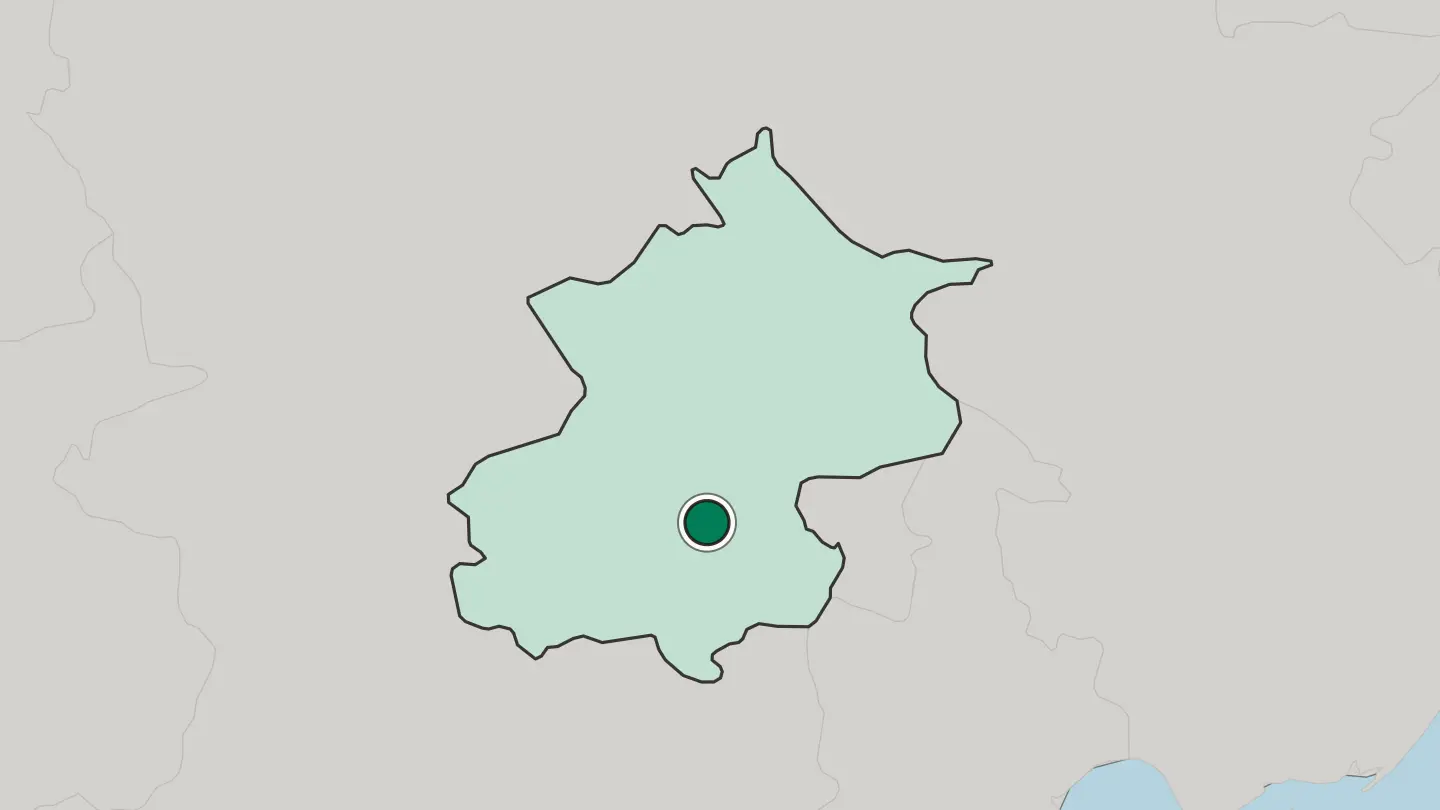
Hotel links are affiliate links: booking through them may earn us a commission, at no extra cost to you. It never affects how places are ranked. How this works
About Beijing Shi
What is Beijing Shi known for?
Beijing Shi is known above all as the seat of Beijing, the capital of the People's Republic of China. The municipality covers the city and the territory around it, which makes it the administrative center of the country. It is one of China's province-level divisions.
In temperate East Asia, the region draws its identity from the capital it holds rather than from any single natural feature. What defines Beijing Shi is Beijing itself.
Where is Beijing Shi?
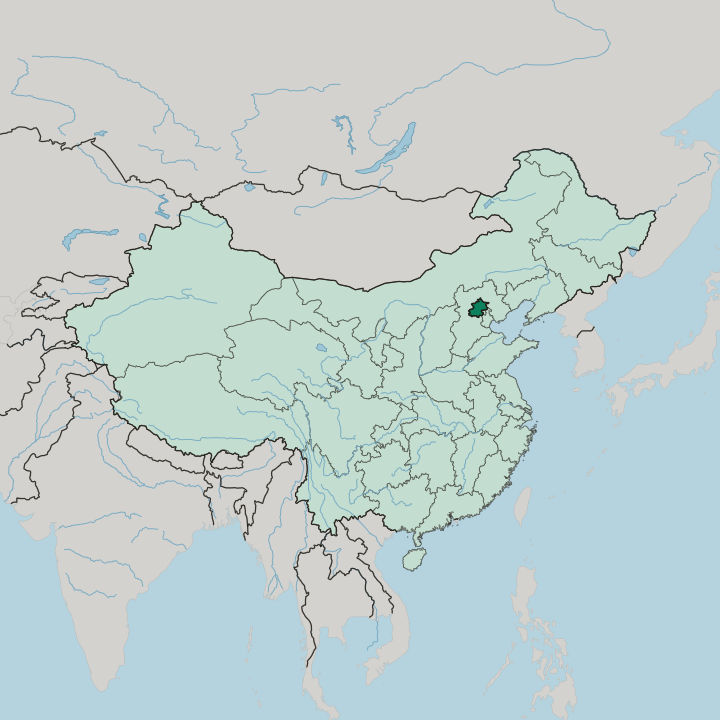
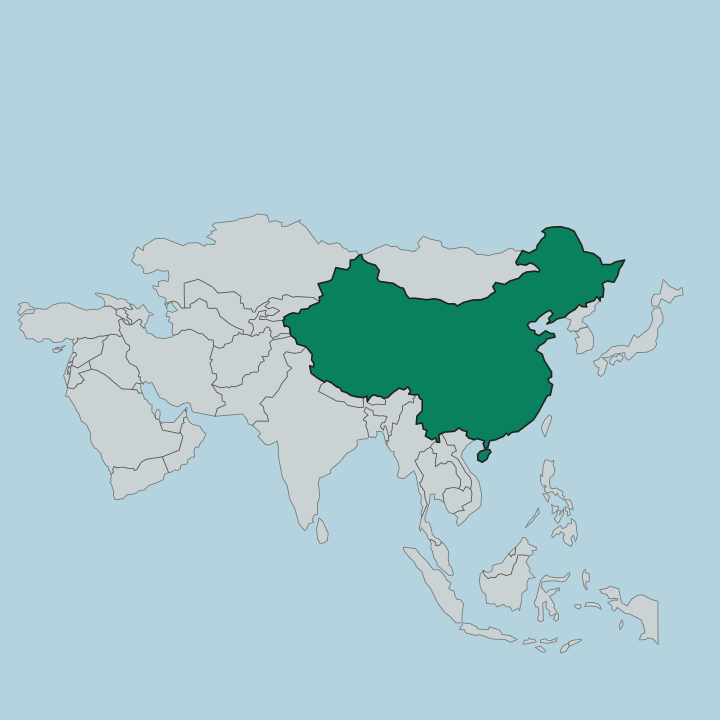
Beijing Shi lies in East Asia, one of the province-level divisions that make up the People's Republic of China. It is a municipality rather than a broad province, organised around the city of Beijing and the land immediately surrounding it, and governed as a single unit under the national government. Its outer boundaries follow administration more than any one natural landform.
The setting is temperate. Summers are warm and winters run cold and dry, the seasonal rhythm of the wider region it belongs to. Beijing sits at the centre of the division, and the territory reads outward from that core, from dense built-up ground toward more open land at the edges.
Because it holds the national capital, Beijing Shi functions as the administrative centre of China, and its geography is shaped by that role as much as by terrain. It is defined less by any single named feature than by the capital city it contains and serves. The region is one of the country's province-level divisions, and within East Asia it stands as the seat of the People's Republic of China.
What is Beijing Shi like?
Beijing Shi carries the culture of a national capital. As the seat of the People's Republic of China, the region gathers the institutions, ceremony, and everyday life of government, and it stands as a stage on which the country presents itself. Culture here is national in scale.
Much of what shapes China as a whole runs through Beijing, from language and learning to art and architecture inherited across long centuries. The capital concentrates that inheritance. It is a place where the values and habits described across Chinese life are lived at their most formal and most visible, close to the centre of decision.
The rhythms of the region follow the capital's calendar of national events and public life. Because Beijing anchors it, the municipality feels less like a province with a folk identity of its own and more like the meeting point of the whole country's culture. People come from every part of China.
What is made and thought here reaches outward to the rest of the People's Republic of China. In East Asia, few places carry a heavier cultural weight than the capital region.
What is the history of Beijing Shi?
Beijing Shi takes its modern shape from the founding of the People's Republic of China in 1949, when Beijing was named the national capital. The region's story follows the capital. China counts among the world's oldest civilizations, and the capital it governs from sits at the centre of that long history.
The municipality itself is an administrative frame drawn around the city. Its past is the past of Beijing and of the country it leads. As the seat of government, Beijing Shi has stood at the heart of national life since the republic was proclaimed.
What is the climate of Beijing Shi?
The climate across Beijing Shi is temperate. Summers are warm and can turn hot and humid, while winters are cold and dry, with clear skies and little snow. Spring and autumn are short and mild, the easiest seasons to visit.
The region lies in temperate East Asia, and its weather swings more sharply between the seasons than a mild maritime climate would. Rain falls mainly in the summer months. Four distinct seasons mark the year.
How do you get to Beijing Shi?
Beijing Shi is reached through Beijing, the national capital at its centre. Because the whole municipality is organised around the capital, arriving anywhere in the region effectively means arriving in the city of Beijing itself. The capital pulls in routes from across the People's Republic of China and from abroad.
Onward, the surrounding districts sit close to the centre. Beijing is the way in. From the capital, travel fans out to the rest of China.
More regions in China
Updated September 2026