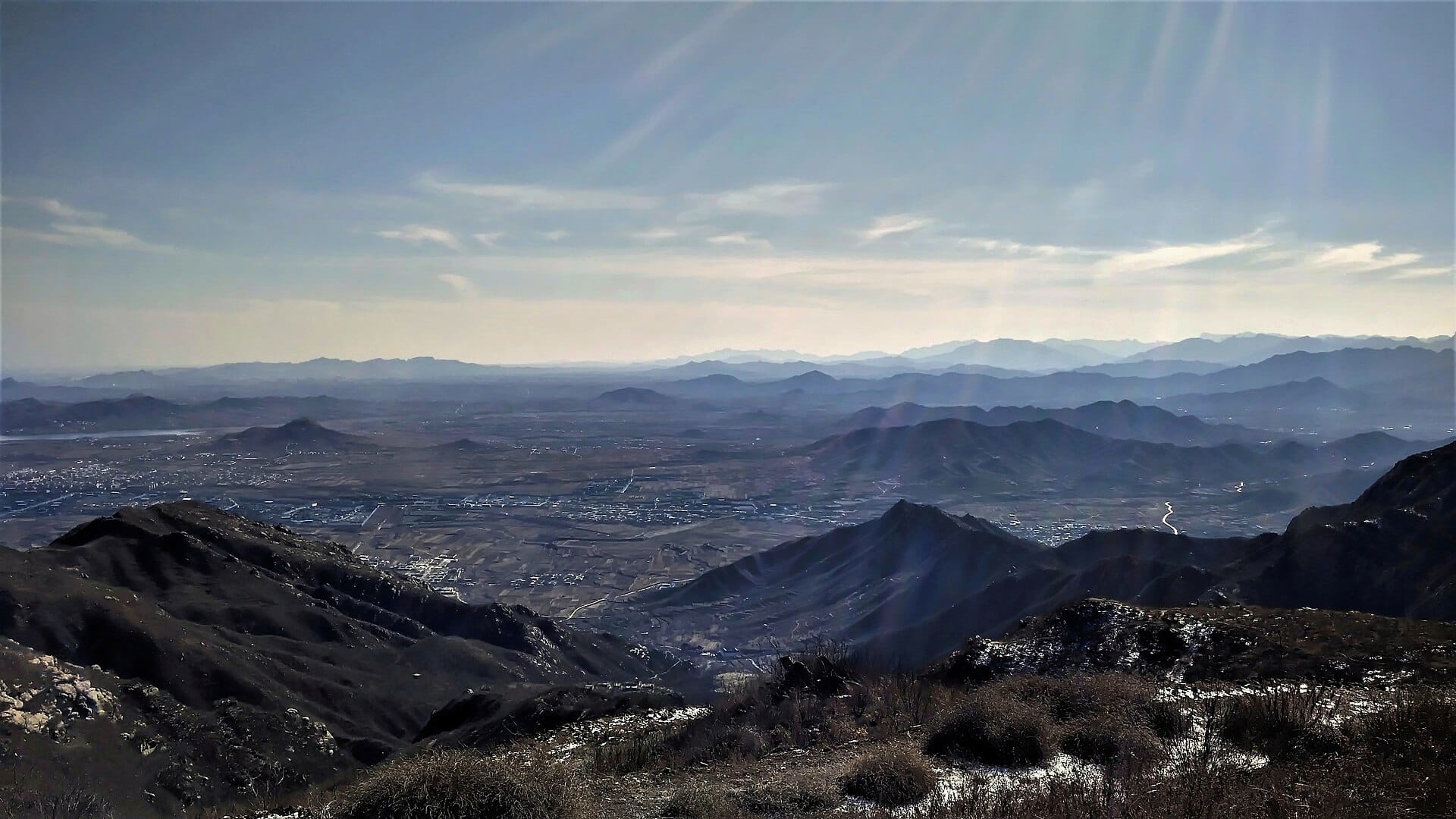
China
Hebei Sheng, China — Towns & Travel Guide
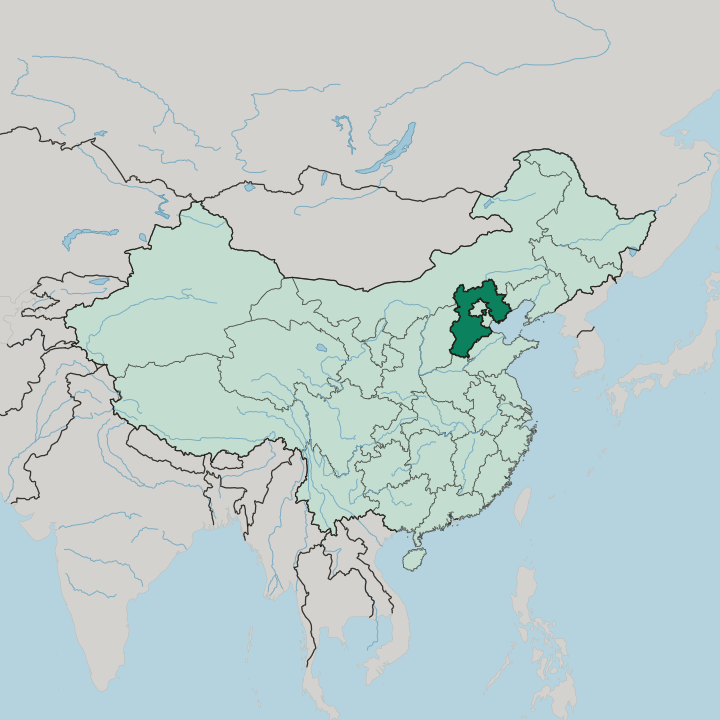
Hebei is the province that wraps around Beijing and Tianjin, on the North China Plain.
Hotel links are affiliate links: booking through them may earn us a commission, at no extra cost to you. It never affects how places are ranked. How this works


Towns & cities in Hebei Sheng
Pick a town or city — each links to where to stay.

 China
China
Shijiazhuang
Shijiazhuang grew out of a rail junction below the Taihang Mountains, the capital of Hebei in northern China, with Zhengding and Zhaozhou Bridge nearby.Where to stay →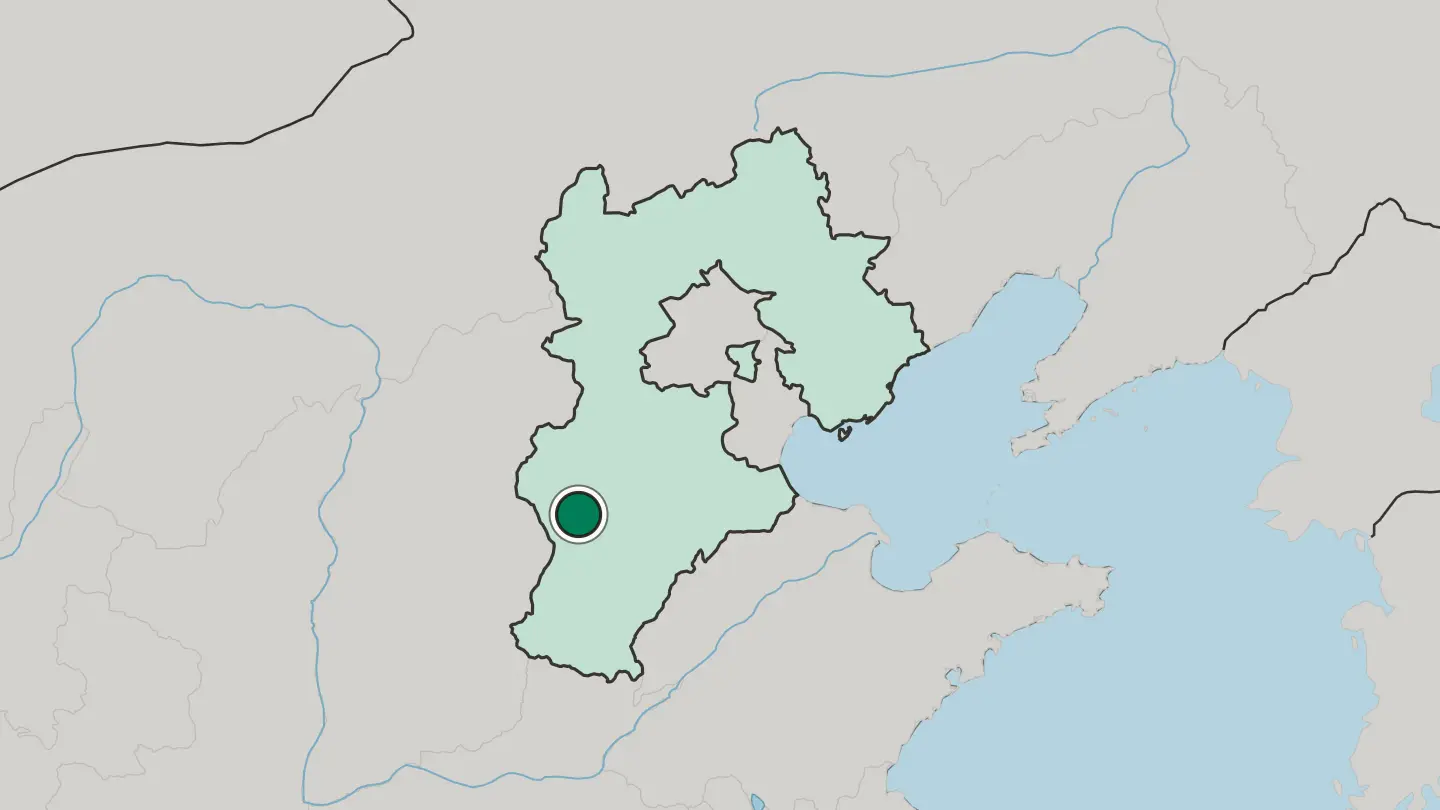
 China
China
Tangshan
Tangshan is a coastal, industrial prefecture-level city in Hebei, facing the Bohai Sea with the Yan Mountains behind it.Where to stay →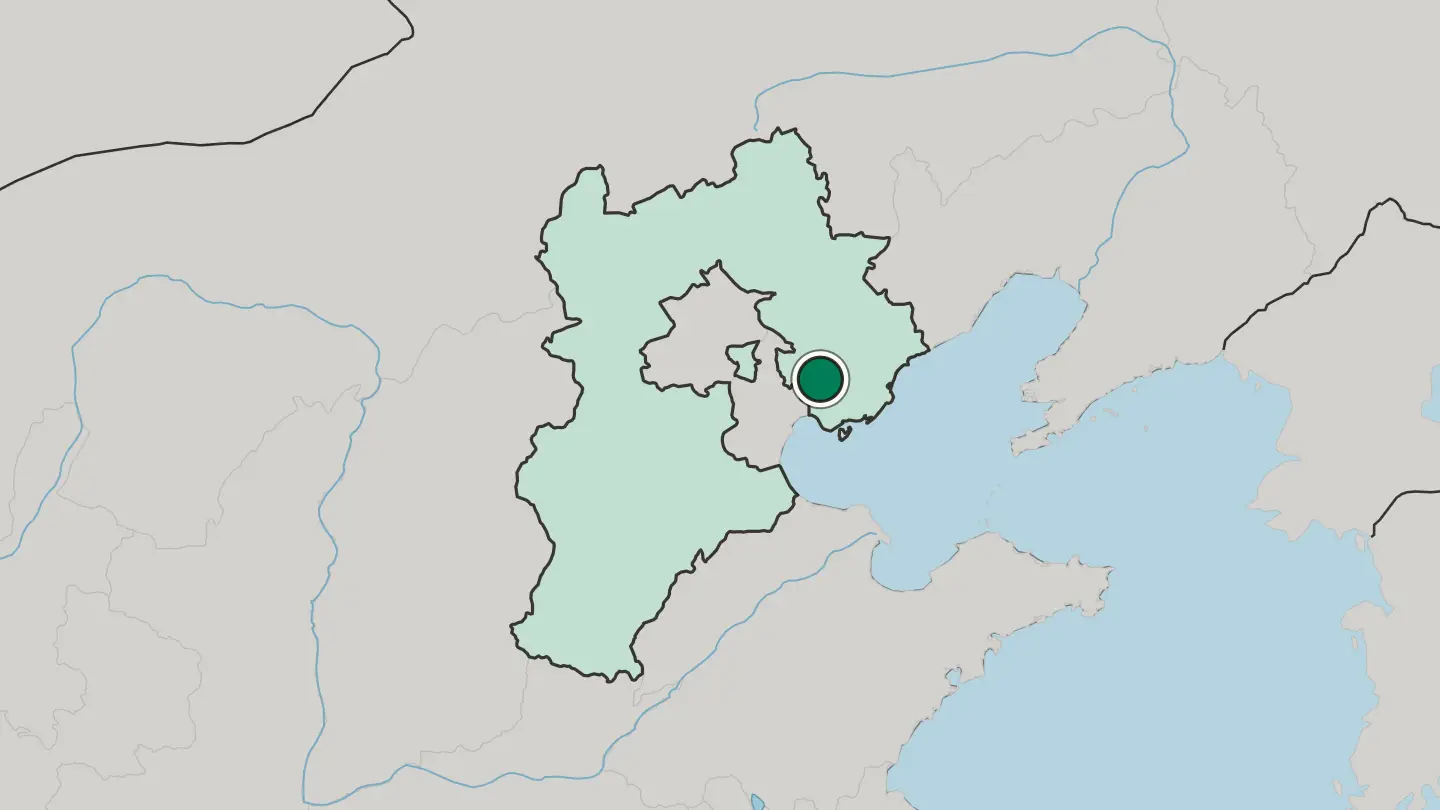
 China
China
Baoding
Baoding is an old provincial capital in Hebei, China, between Beijing and the western mountains, once the seat of the governors of Zhili.Where to stay →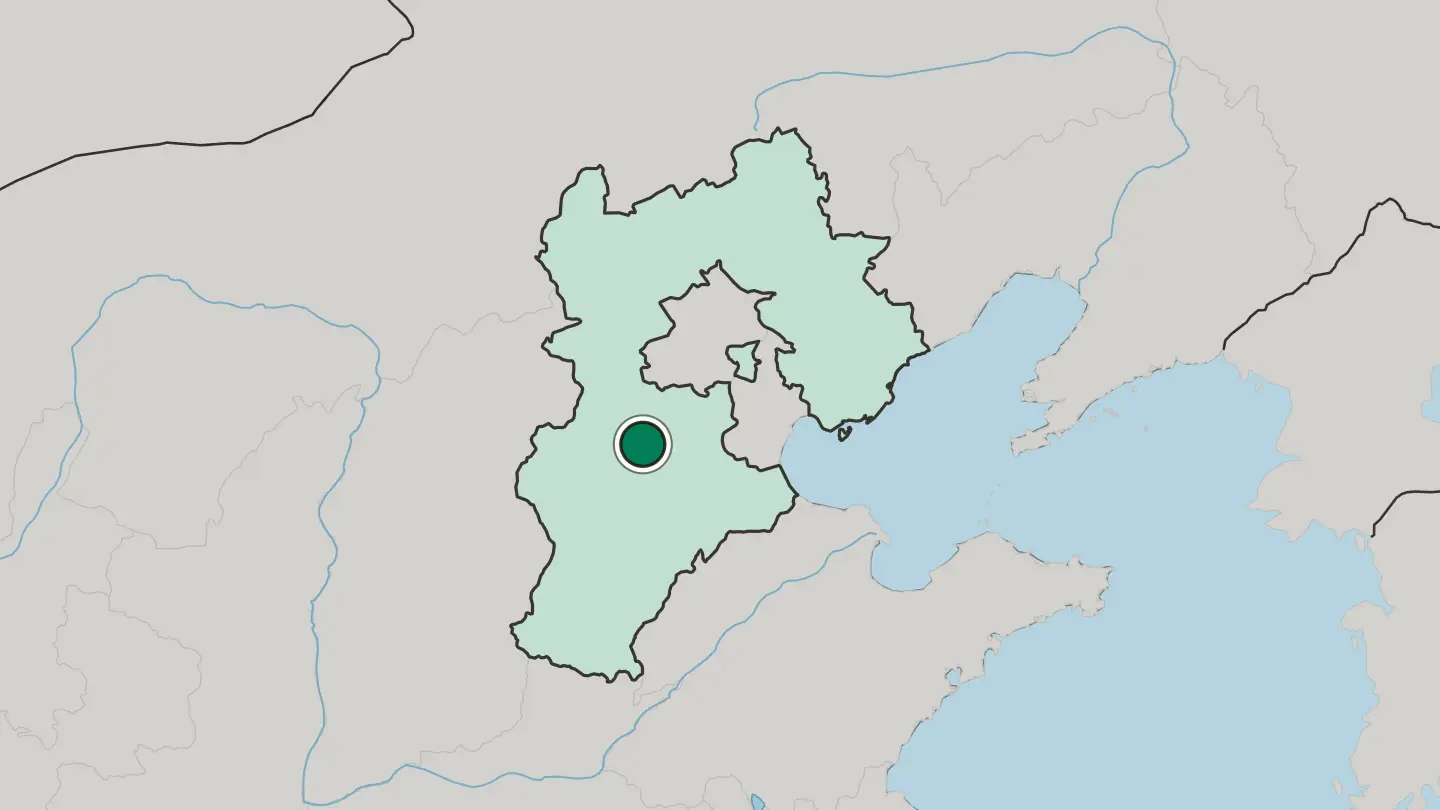
 China
China
Handan
Handan was the Zhao capital of the Warring States, and its ground still holds the Xiangtangshan Caves, Nüwa Palace and the Cishan Site.Where to stay →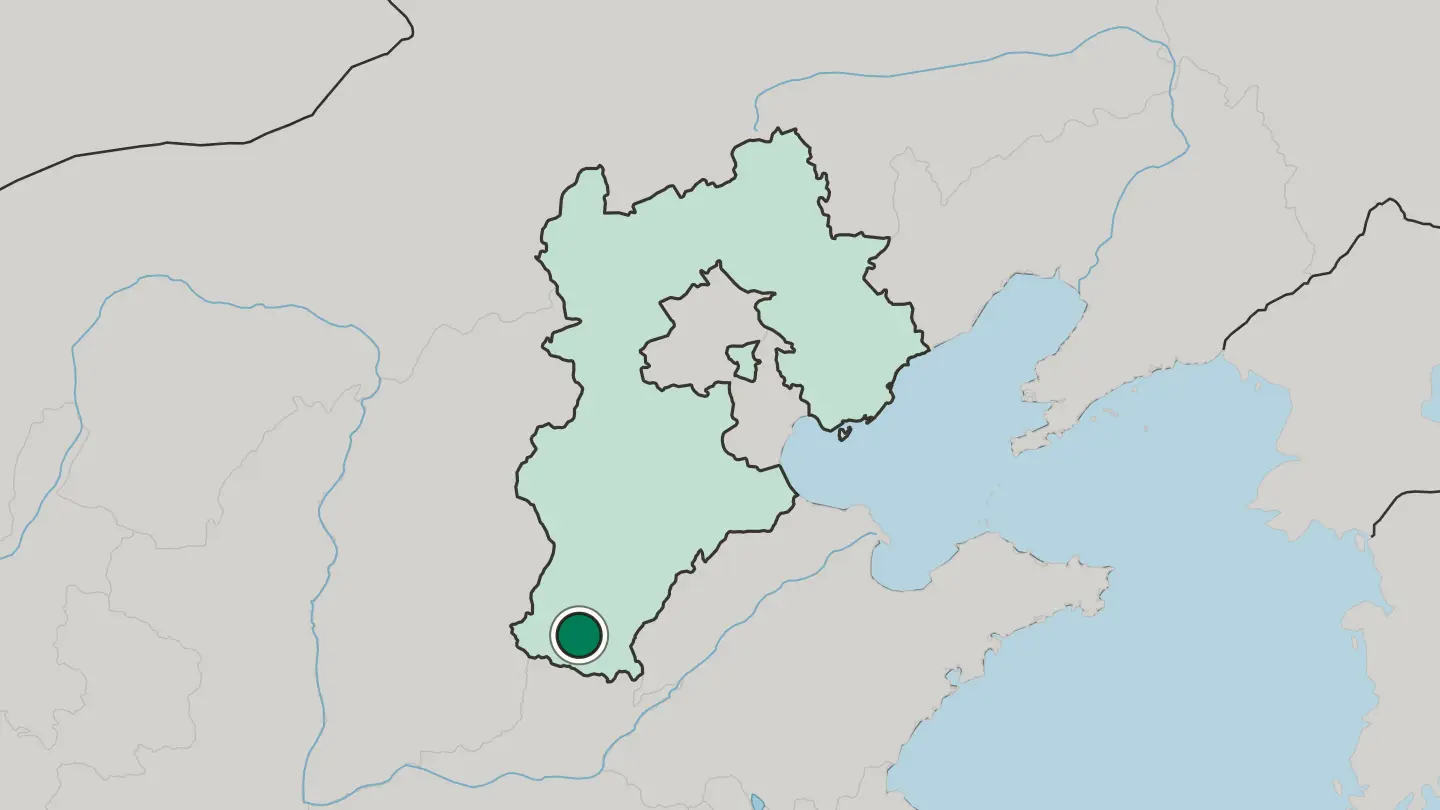
 China
China
Qinhuangdao
Qinhuangdao is a coastal city of Hebei in northern China on the Bohai Sea, where the Great Wall runs down to the water at the pass of Shanhaiguan.Where to stay →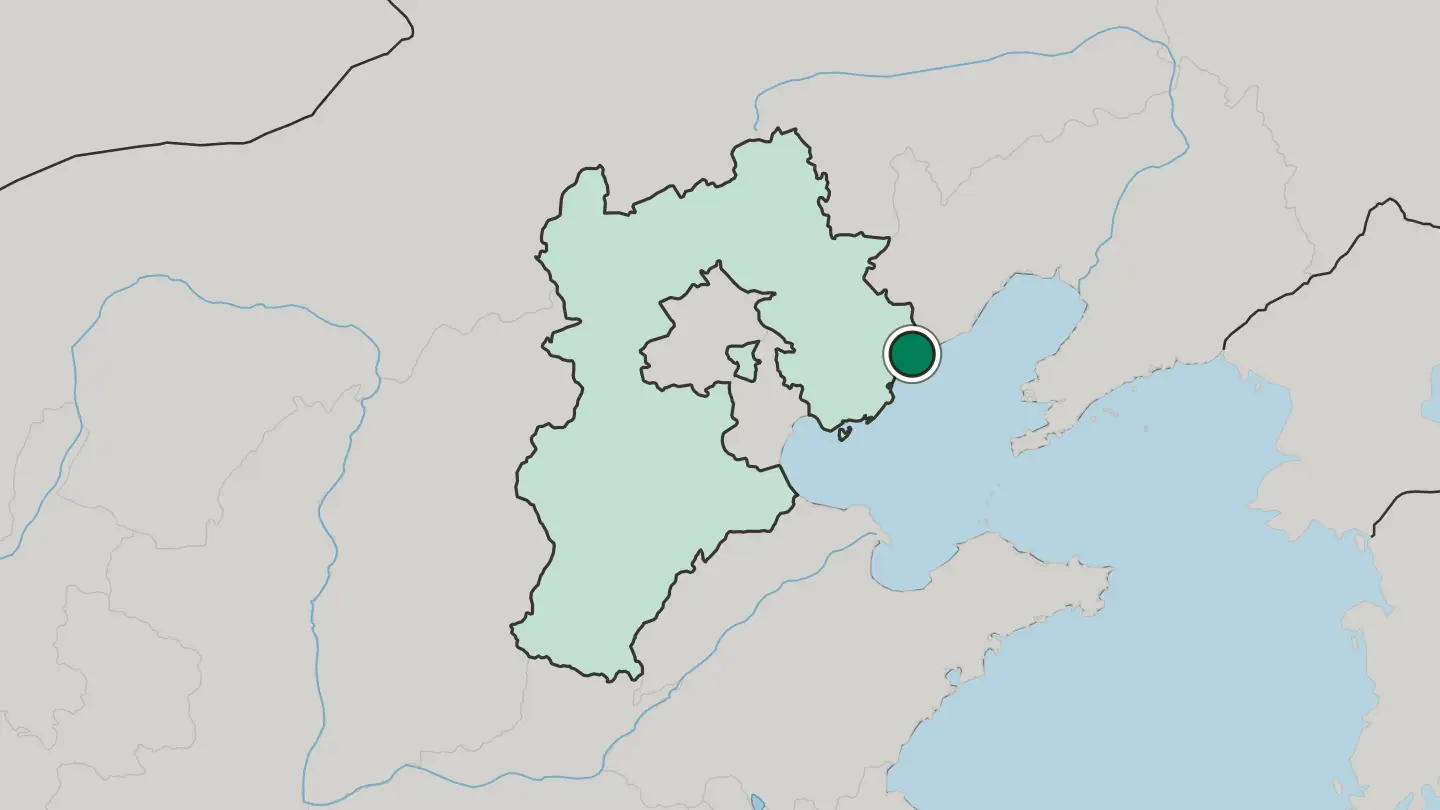
 China
China
Chengde
Chengde is an old imperial resort town north of Beijing in Hebei, China, seat of the Qing summer palace and its ring of Tibetan temples.Where to stay →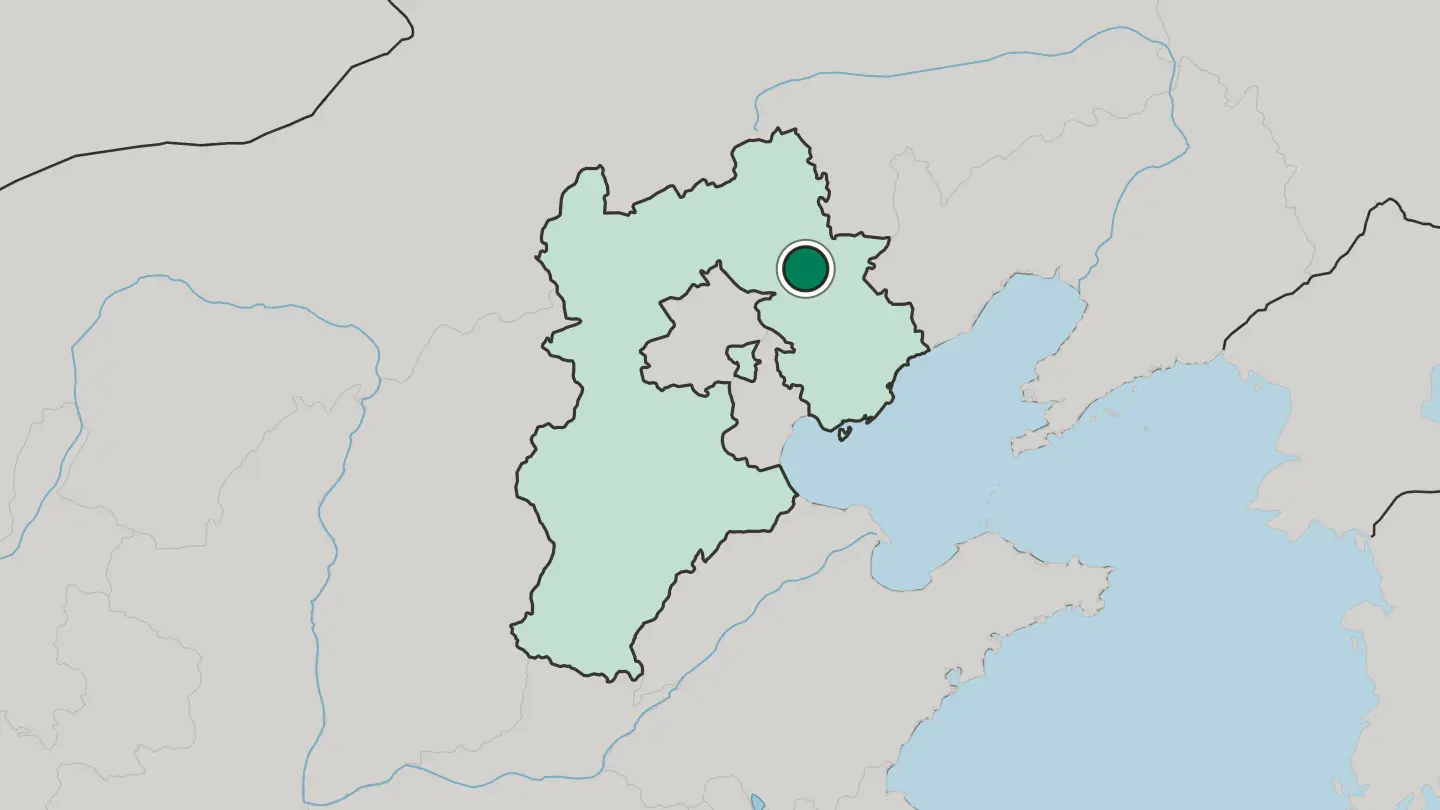
Hotel links are affiliate links: booking through them may earn us a commission, at no extra cost to you. It never affects how places are ranked. How this works
About Hebei Sheng
What is Hebei Sheng known for?
Hebei is the province that encircles Beijing and Tianjin on land. Most travellers pass through it without meaning to. Its calling card is the Great Wall, which runs the northern hills and finally meets the sea at the Shanhaiguan pass, called the First Pass Under Heaven.
Chengde holds the sprawling summer palace where Qing emperors escaped the capital's heat. Shijiazhuang is the modern provincial capital, out on the plain below the Taihang range. Beaches, wall, imperial gardens.
Where is Hebei Sheng?
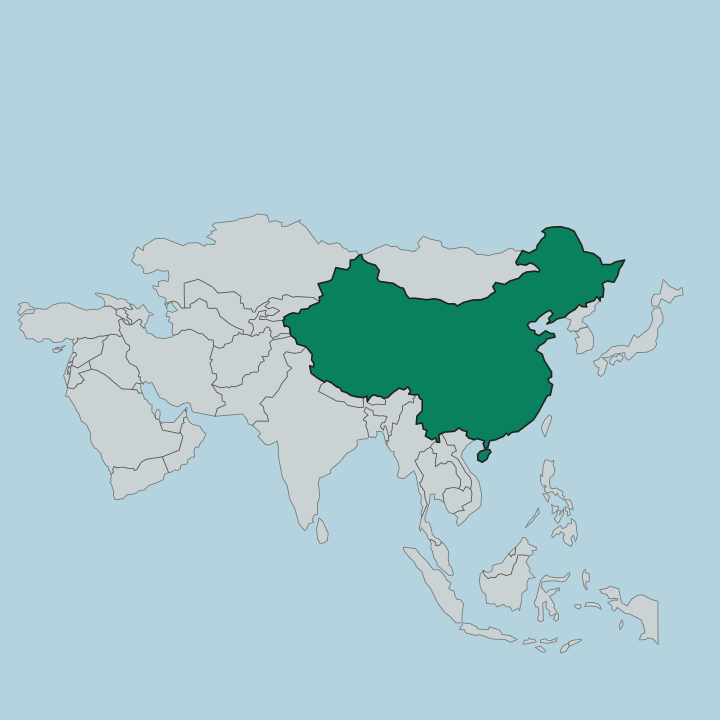
Hebei fills the northern edge of the North China Plain, in North China. Its name means north of the river. That river is the Yellow River, which runs along the province's southern side and gave Hebei the name it still carries.
The great flat plain covers the centre and the south, open farmland reaching as far as the eye follows. Two mountain walls hem it in. The Taihang range rises along the west, dividing the plain from the Shanxi plateau beyond.
Across the north run the Yan Mountains, the high ground the Great Wall was built to hold, and beyond them lies Inner Mongolia. The strangest thing about Hebei is what sits inside it. Its own territory surrounds Beijing and Tianjin completely on land, the two great municipalities lodged like islands within it.
Eastward the land drops to the Bohai coast, where the port of Qinhuangdao faces the sea and the wall finally runs down into the water. Shijiazhuang, the capital, stands out on the plain at the foot of the Taihang wall. Rivers of the Hai system thread the lowland east toward that coast.
Mountains ring the north and west, plain in the middle, sea to the east.
What is Hebei Sheng like?
Hebei carries an old shorthand: Ji. The single character comes from the ancient states of Yan and Zhao, which held this ground in the Warring States centuries before there was a China to speak of. Yan ruled the north, out toward what is now Beijing.
Zhao held the south from Handan. In classical usage those two names still stand for the whole province between them. Almost everyone here is Han Chinese, with a Manchu minority in the north near Chengde, a legacy of the Qing rulers who made their summer court there.
Speech follows the geography. The dialects belong to the Mandarin family, and the plain's variety sits close to the Beijing speech that became standard across the country. Jin Chinese is heard toward the Taihang edge in the west.
The province's culture is a plain culture, farming and rail towns rather than a single dazzling capital. Its monuments are scattered, not gathered. The Great Wall on the ridges, the summer palace at Chengde, the old crafts of the towns below the mountains, all of it stitched across a wide flat land rather than piled into one place.
What is the history of Hebei Sheng?
This land was carved between two rival states long before it was one province. Yan governed the north from near present-day Beijing, and Zhao governed the south from Handan, both of them among the seven powers of the Warring States. Their joint memory left the province its old abbreviation, Ji.
Later came the Qing. Their emperors crossed the Yan Mountains each summer to Chengde, building a palace and a ring of temples that copied styles drawn from every corner of their empire. The Great Wall along the northern ridges marks the frontier that made this a borderland for two thousand years.
What is the climate of Hebei Sheng?
Hebei runs on a monsoon-driven continental rhythm, and the seasons swing hard. Winters are long, dry and cold, with icy winds sweeping down off the Yan Mountains and the Mongolian plateau to the north. Summers are hot and wet.
Most of the year's rain arrives in a burst between June and August, when the monsoon pushes moist air up over the plain from the coast. Both shoulder seasons pass quickly. The Bohai coast around Qinhuangdao stays milder than the interior, which is why the Beidaihe beaches fill in the summer heat.
How do you get to Hebei Sheng?
Most travellers reach Hebei through Beijing, which its own territory wraps around on every land side. From the capital, high-speed trains fan out across the plain to Shijiazhuang in the south and toward the Bohai coast in the east. Shijiazhuang is the province's own rail junction, a knot where the north-south and east-west lines cross.
Qinhuangdao and its Shanhaiguan pass lie a few hours east by rail, where the Great Wall drops to the sea. Trains, not planes, carry you here.
Common questions
What is the best area to stay in Hebei Sheng?
Shijiazhuang: trains and a base on the North China Plain. Chengde: the imperial mountain resort north of the capital. Qinhuangdao: coast where the Great Wall meets the sea.
Good for
More regions in China
Updated September 2026