China · Gansu
Where to Stay in Dunhuang, Gansu
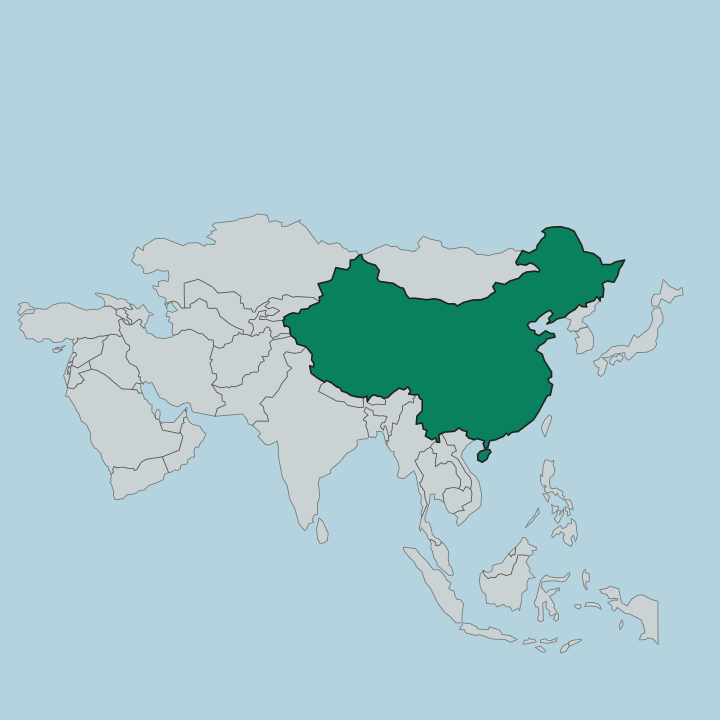
Dunhuang is a Silk Road oasis in the deserts of western China, famous for a cliff of painted Buddhist caves.
Hotel links are affiliate links: booking through them may earn us a commission, at no extra cost to you. It never affects how places are ranked. How this works


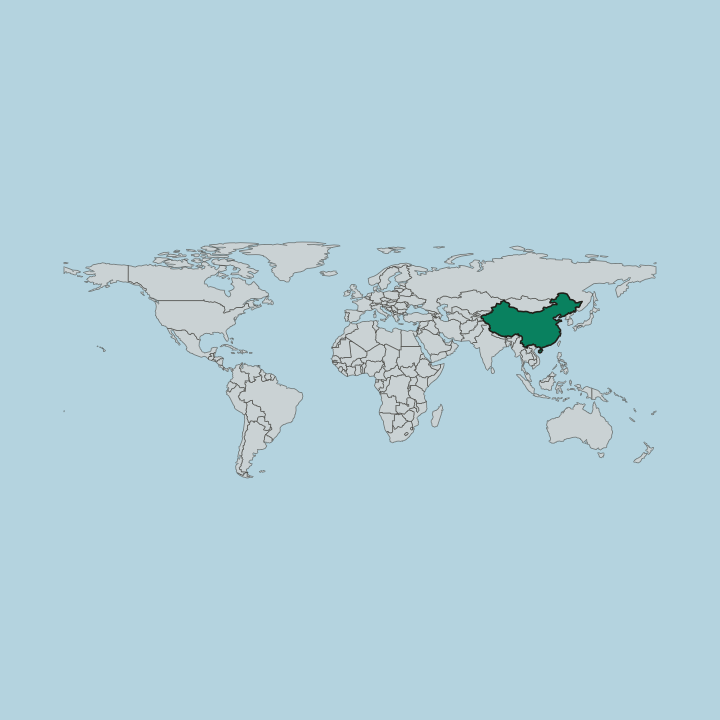
Where to stay in Dunhuang
Where the beds are, and what that means for the visit.
Where you stay in Dunhuang turns on the oasis town. The centre near the night market and the drum tower keeps the shops, the food, and the bus to the caves within reach, and staying downtown suits anyone here for the sights. The market fills after dark.
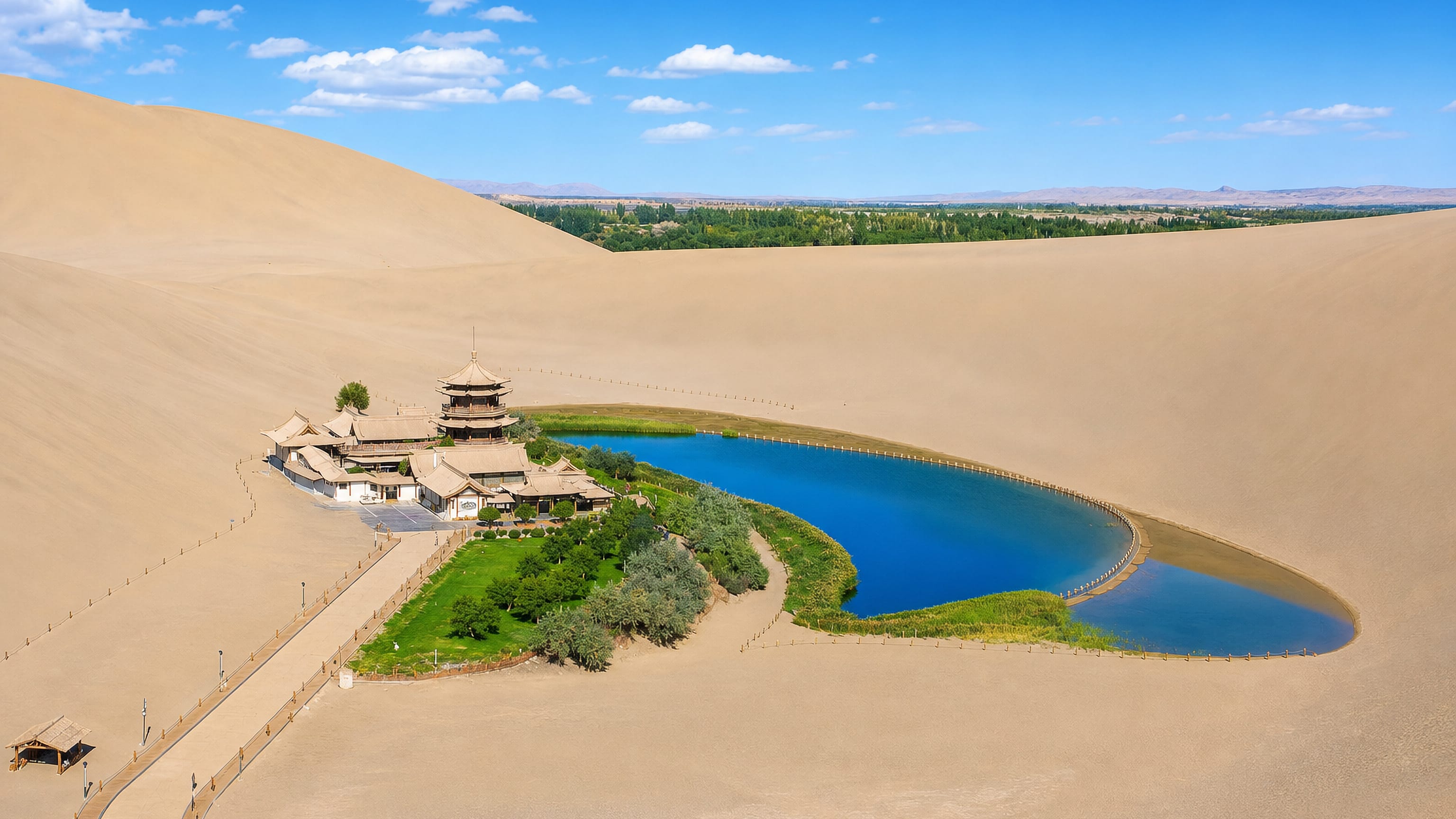
Rooms sit near the town square. Out toward the dunes and the crescent lake, the guesthouses gather at the sand's edge. A room by the dunes trades the town for the sunset over the sand, camel rides, and a walk to the crescent spring.
The desert opens flat past the edge. If you want the town, stay in the centre; if you want the dunes, take a room outside. Either way, the caves are close at hand.
Find hotels in Dunhuang
Direct booking searches for these neighbourhoods.
The oasis town
Around the night market and drum tower, within reach of the bus to the Mogao CavesFind hotels in The oasis townStays wanting the sand and the crescent lakeThe dunes
Out at the edge of the singing sand dunes, an easy walk to YueyaquanFind hotels in The dunesHotel links are affiliate links: booking through them may earn us a commission, at no extra cost to you. It never affects how places are ranked. How this works
Things to do in Dunhuang
Ranked by global recognition; descriptions from Wikidata (CC0).
Museums & Galleries
1- Dunhuang Museum
Castles & Historic Sites
3- Mogao Caves UNESCO
- Xuanquanzhi Heritage
- Foyemiaowan-Xindiantai cemetery
worth knowingacross 2 categories in Dunhuang
About Dunhuang
Dunhuang is the great art city of the Silk Road.
What is Dunhuang known for?
On a cliff outside the oasis, the Mogao Caves hold a thousand years of Buddhist murals and statues cut into the rock, while a crescent spring and singing sand dunes lie in the desert nearby. Camel trains once passed through the gates. Caves and dunes mark the town.
What are the main landmarks in Dunhuang?
The Mogao Caves are the wonder of Dunhuang. Hundreds of painted grottoes fill a long cliff outside the town, a thousand years of Buddhist art in the rock, above the desert. Dunes and springs lie nearby.
The crescent lake of Yueyaquan rests among the singing sand dunes, while the old Yumen Pass and the Dunhuang Museum keep the story of the Silk Road.
What is the history of Dunhuang?
Dunhuang guarded the western gate of China. In the days of the Han emperors it grew as a frontier garrison and oasis on the Silk Road, where the caravan routes split to skirt the deserts, and the great passes of Yumen and Yang marked the edge of the empire. Faith came with the trade.
Buddhist monks travelling the road began to carve and paint cave-temples in a cliff outside the town, and over a thousand years the Mogao Caves filled with murals and statues. The caves became a treasure-house of art. Pilgrims and patrons adorned hundreds of grottoes with painted Buddhas and scenes of the age, and a sealed chamber kept a vast hoard of ancient manuscripts safe for centuries.
Then the Silk Road faded. Sea trade drew commerce away, and Dunhuang slipped into a quiet desert town, its caves half-forgotten in the sand. Scholars found the painted caves again.
Dunhuang guards its grottoes and its dunes on the old Silk Road.
Where is Dunhuang?
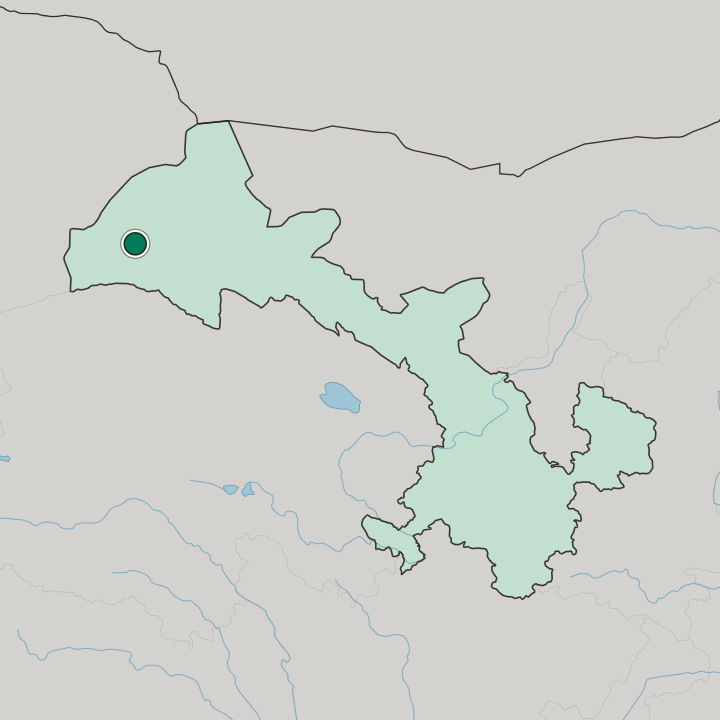
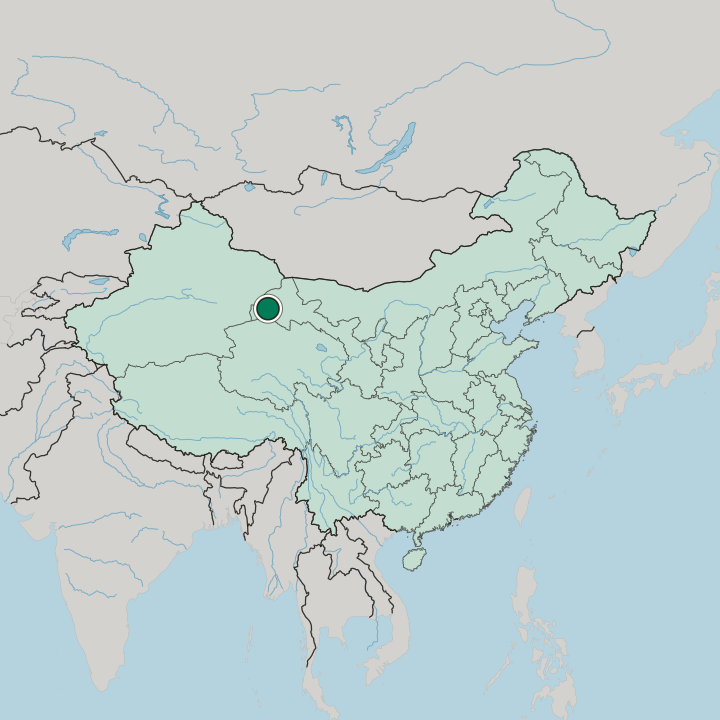
Dunhuang lies in a desert oasis in the far west of Gansu. The town sits on a green patch of fields watered by mountain streams, ringed by the great sand dunes and the gravel wastes of the Gobi, where the Silk Road split around the deserts. Bare dunes rise above the town.
The desert stretches empty for miles.
What is the climate of Dunhuang?
Dunhuang has a harsh desert climate. Fierce, dry heat bakes the oasis through the summer, and the winters turn bitterly cold on the desert plain, with almost no rain in any season. Dust storms sweep in off the Gobi.
The oasis stays green on the mountain water.
How do you get to Dunhuang?
Dunhuang lies far out in the deserts of western Gansu. Trains and an airport link the oasis to Lanzhou and the cities of the east, and roads run out across the sand to the old passes. Buses reach the desert sites around.
Most arrive by rail or air across the waste.
Common questions
What is the best area to stay in Dunhuang?
The oasis town: Visitors here for the market, food, and cave buses. The dunes: Stays wanting the sand and the crescent lake.
Good for
More cities in Gansu
Updated September 2026