China · Gansu
Where to Stay in Lanzhou, Gansu
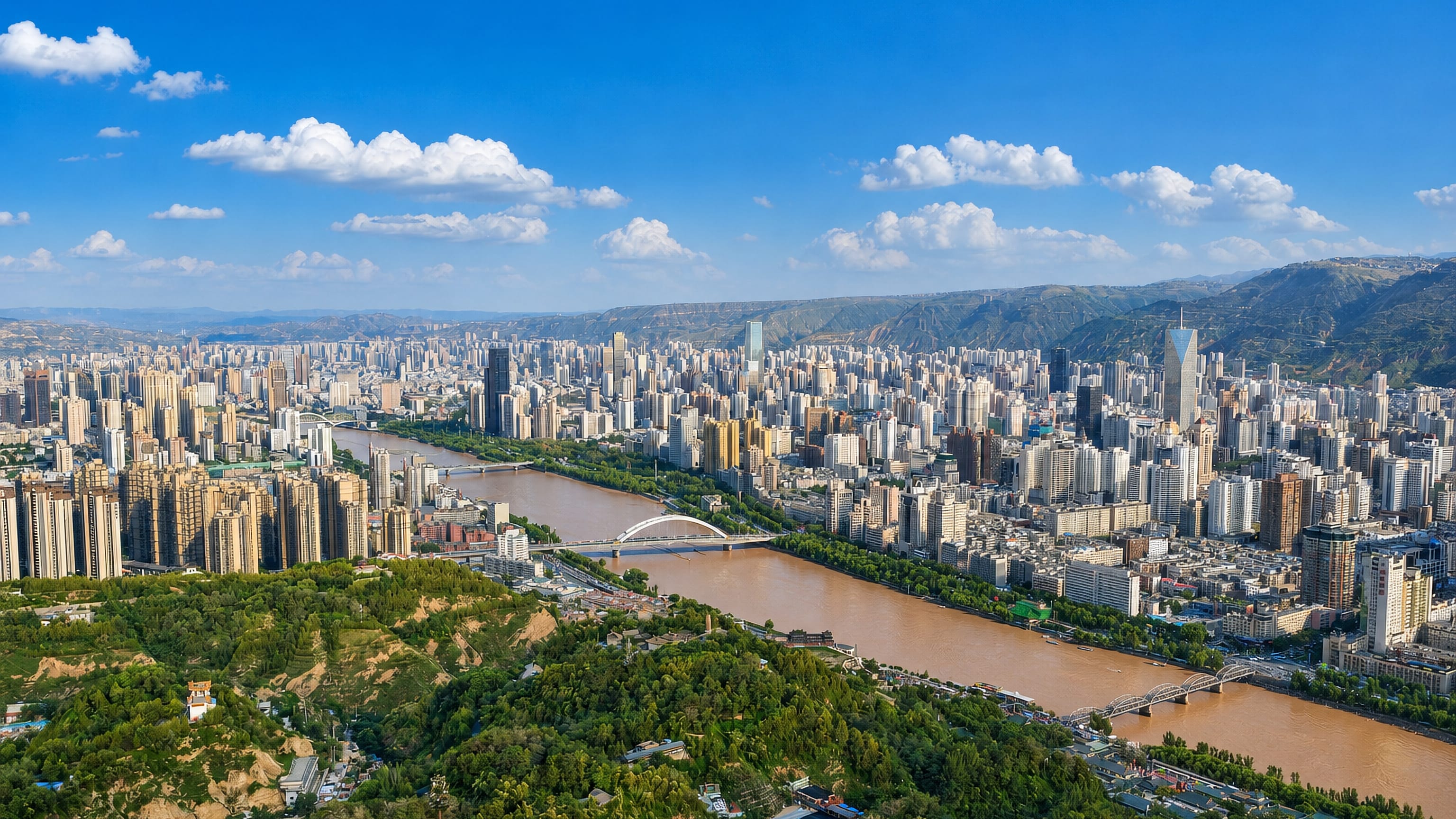
Lanzhou is the capital of Gansu in northwestern China, a long narrow city on the Yellow River between bare mountains on the old Silk Road.
Hotel links are affiliate links: booking through them may earn us a commission, at no extra cost to you. It never affects how places are ranked. How this works


Where to stay in Lanzhou
Where the beds are, and what that means for the visit.
Where you stay in Lanzhou turns on the riverfront or the city. The streets along the Yellow River keep the bridge, the parks, and the noodle shops within a walk, and staying by the water suits anyone here for the river. The river runs past the walk.
Bare hills rise over the roofs. Out toward the hill parks and the loess slopes, the city climbs from the river to the dry heights. A room up the hills trades the riverfront for the pagoda park, the temples, and the wide view over the valley.
The loess rolls bare to the sky. Stay by the river for the bridge, or up the hills for the view. The water lies a short way down.
Find hotels in Lanzhou
Direct booking searches for these neighbourhoods.
The riverfront
Along the Yellow River in the centreFind hotels in The riverfrontStays wanting the pagoda park and viewsThe hills
Up the loess slopes above the riverFind hotels in The hillsHotel links are affiliate links: booking through them may earn us a commission, at no extra cost to you. It never affects how places are ranked. How this works
About Lanzhou
Lanzhou is the Yellow River city of the northwest.
What is Lanzhou known for?
Along the great river between steep loess hills, it grew as a Silk Road stop at the mouth of the Hexi Corridor, and it keeps the old iron bridge that was the first to span the Yellow River, a famous museum with its bronze flying horse, the parks on the hills above the water, and a bowl of beef noodles known all over China. The muddy river runs through the town. Bare hills wall the valley.
What are the main landmarks in Lanzhou?
The old iron bridge is the emblem of Lanzhou. The black steel Zhongshan bridge over the Yellow River, the first that ever spanned the great stream, stands in the heart of the city, the mark of the town, on the water. A bronze horse gallops in the museum.
The famous flying horse of Gansu, poised on a swallow, is the treasure of the provincial museum, while the hill parks, the old waterwheels, and the White Pagoda hill mark the streets of Lanzhou.
What is the history of Lanzhou?
Lanzhou grew as a gate on the Silk Road. Where the road west crossed the Yellow River, a garrison town rose to guard the ferry and the ford, and the caravans of the Silk Road passed through on their way to the Hexi Corridor and the west. The river had to be crossed.
For centuries travelers ferried over on rafts of skin before any bridge spanned the great muddy stream. The iron bridge changed the city. In 1909 foreign engineers built the first iron bridge over the Yellow River at Lanzhou, and the town grew into the great city of the northwest, its railways and roads carrying the trade of the west.
Industry filled the valley. In the modern age Lanzhou spread for miles along the river as a centre of oil and heavy works, but it kept its bridge, its river parks, and its famous beef noodles. The river still runs through the heart of it.
Lanzhou keeps its bridge and its river in the loess hills.
Where is Lanzhou?
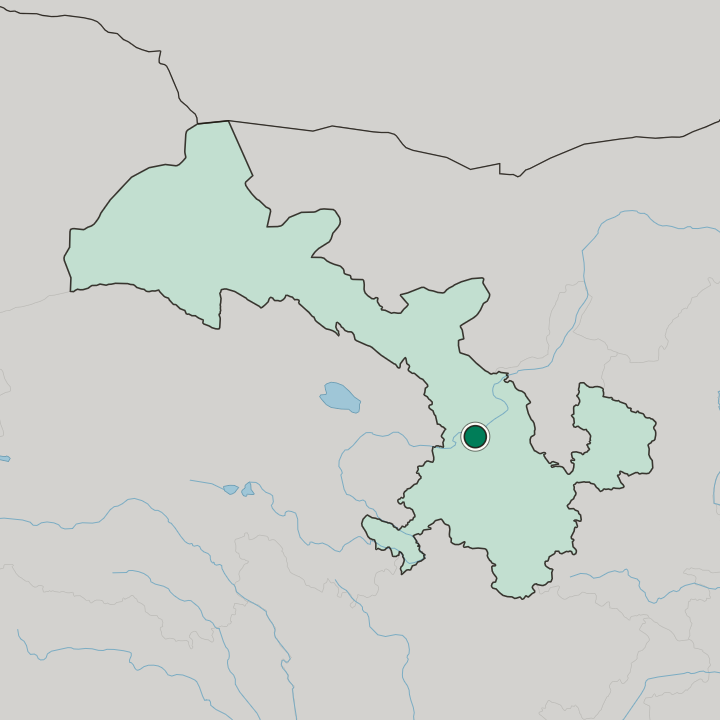
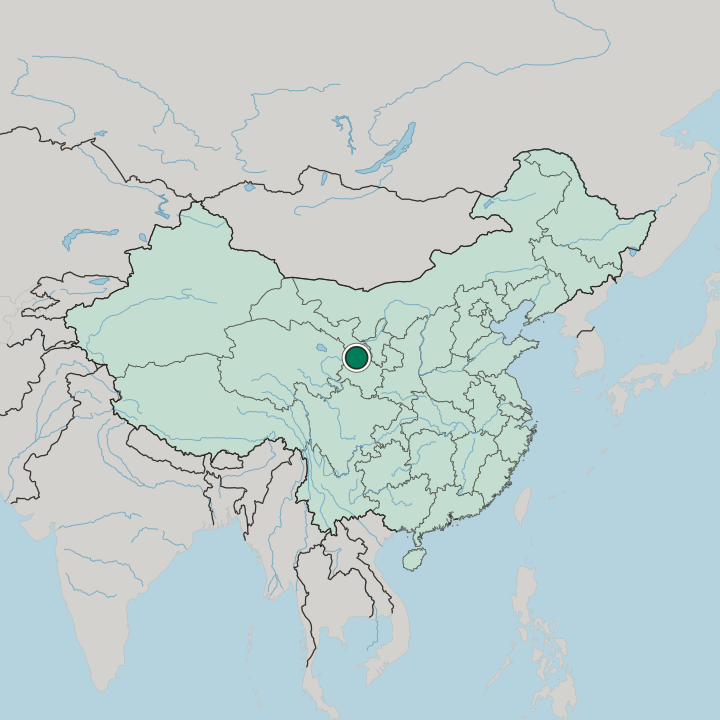
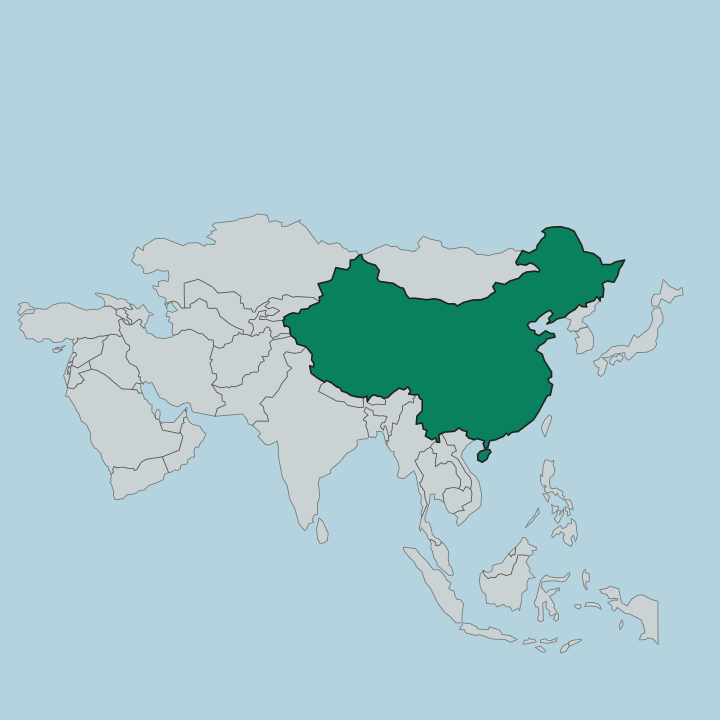
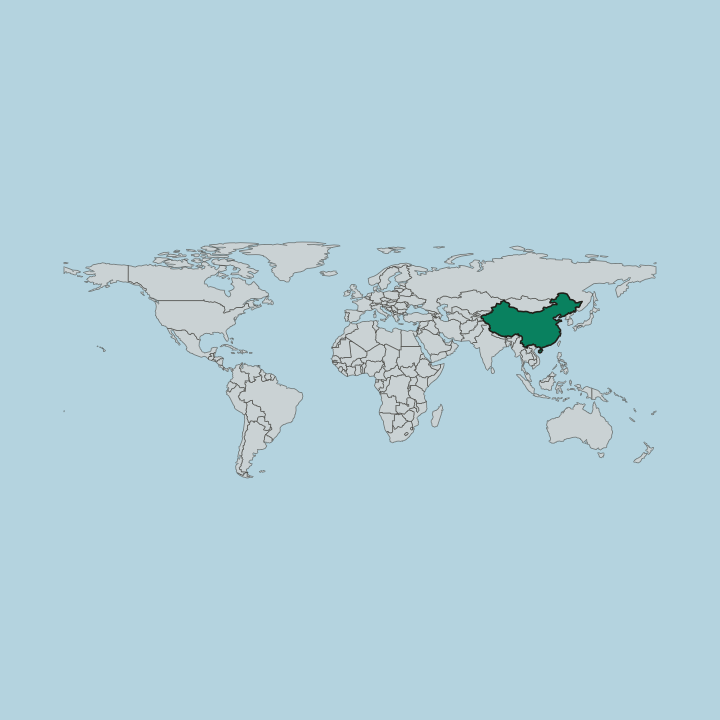
Lanzhou lies in the northwest of China, on the Yellow River in the loess hills of Gansu. The city fills a long narrow valley where the great river cuts through bare yellow mountains, hemmed so tight that the town stretches for miles along the water, with the dry hills of the loess plateau rising on both sides. Steep bare slopes wall the town.
The wide river runs east through the gap.
What is the climate of Lanzhou?
Lanzhou has a dry, semi-desert continental climate. Warm summers and cold winters cross the valley, with very little rain in the dry northwest and dust off the loess in spring. The air runs dry through the year.
Cold winds sweep down the river.
How do you get to Lanzhou?
Lanzhou lies in northwestern China, at the meeting of the roads and rails to the west. Fast trains and highways run to it from Xi'an down the Hexi Corridor, and its airport links the far cities. Roads climb west into the desert.
Xi'an lies east down the valley.
Common questions
What is the best area to stay in Lanzhou?
The riverfront: Visitors here for the bridge and river parks. The hills: Stays wanting the pagoda park and views.
Good for
More cities in Gansu
Updated September 2026