China
Gansu, China — Towns & Travel Guide
Gansu is a long, narrow province of northwest China, carrying the old Silk Road west from Lanzhou to Dunhuang.
Hotel links are affiliate links: booking through them may earn us a commission, at no extra cost to you. It never affects how places are ranked. How this works


Towns & cities in Gansu
Pick a town or city — each links to where to stay.

 China
China
Lanzhou
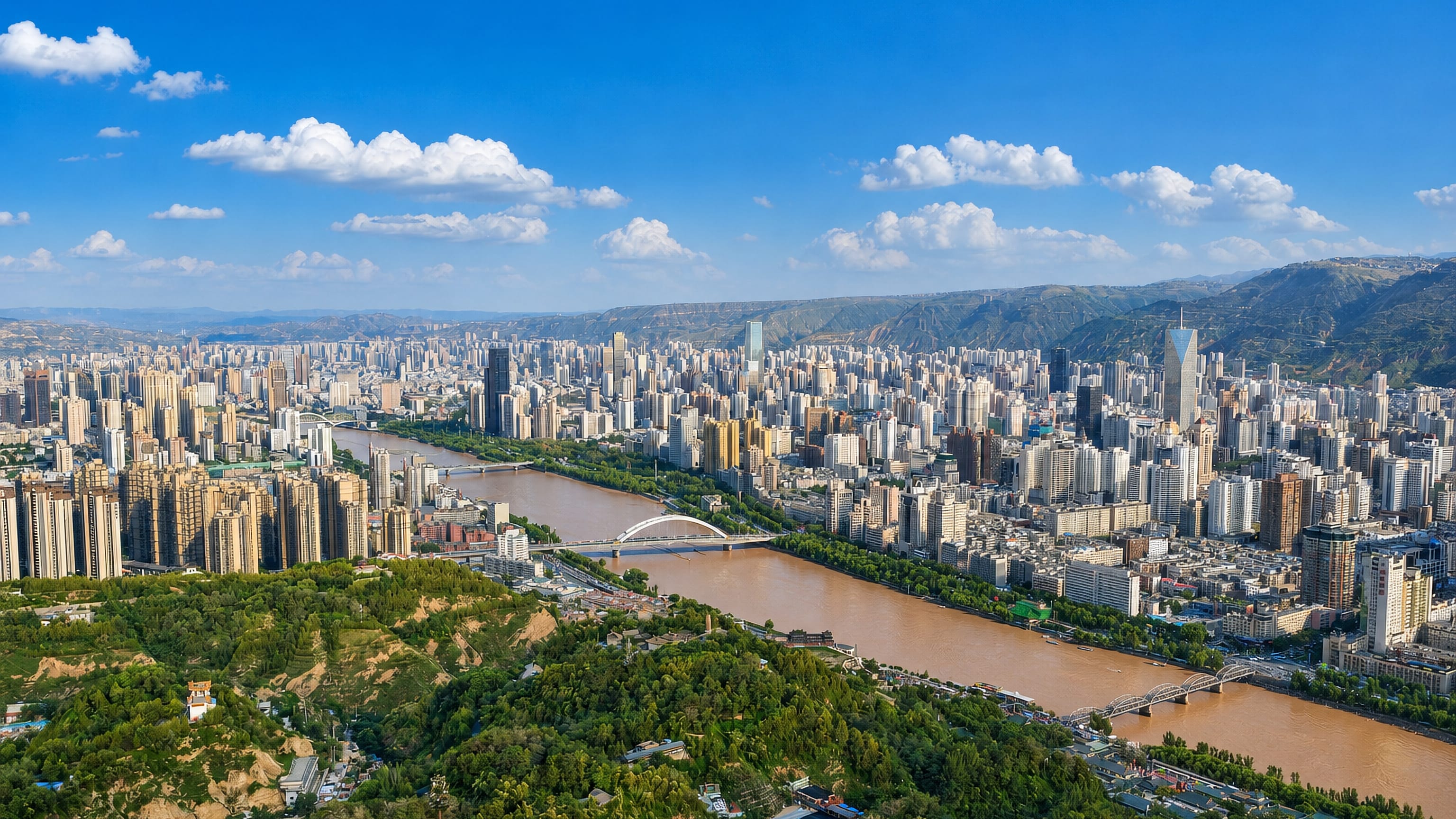
Lanzhou is the capital of Gansu in northwestern China, a long narrow city on the Yellow River between bare mountains on the old Silk Road.Where to stay →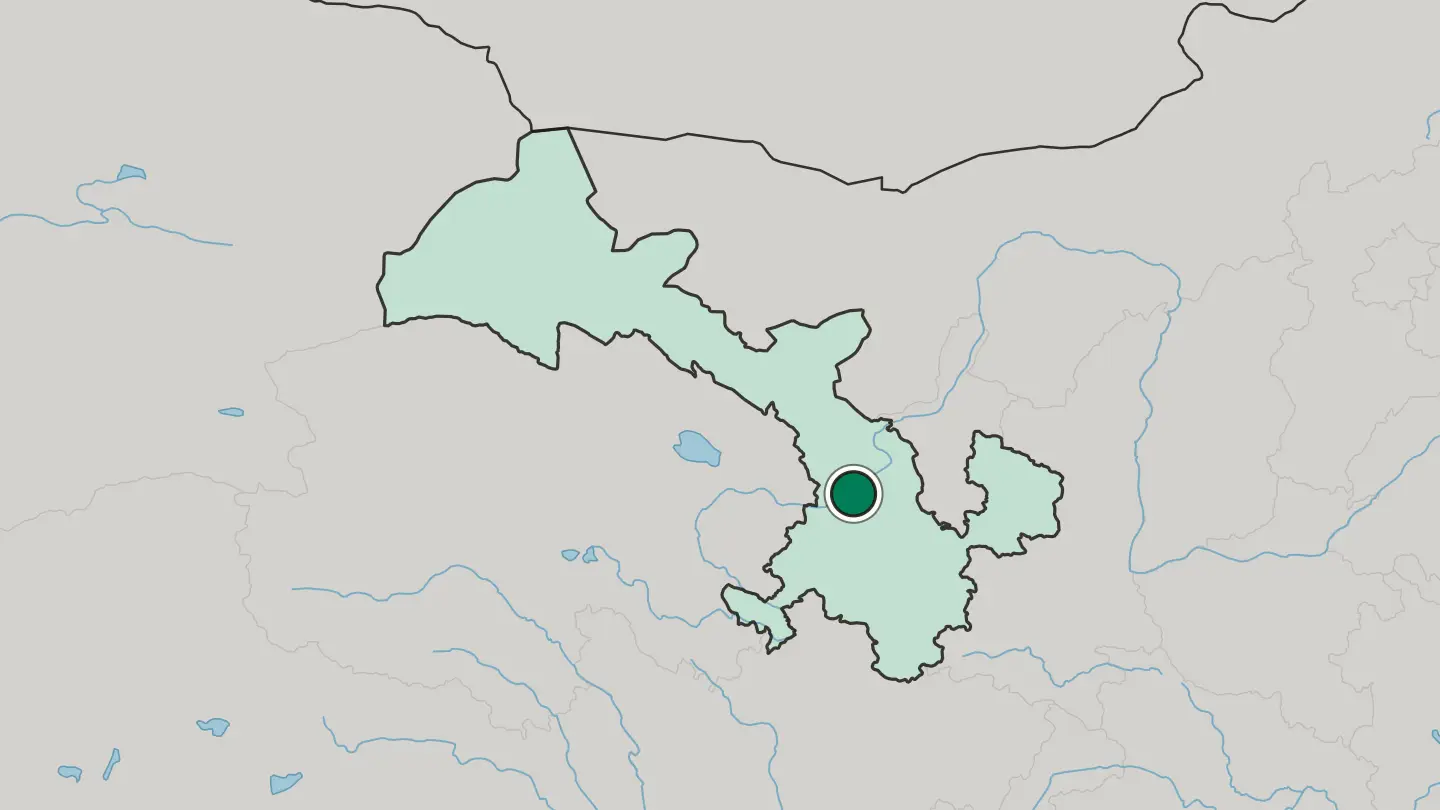
 China
China
Zhangye
Zhangye is an old Silk Road oasis in the Hexi Corridor of Gansu, China, famed for its rainbow-striped hills.Where to stay →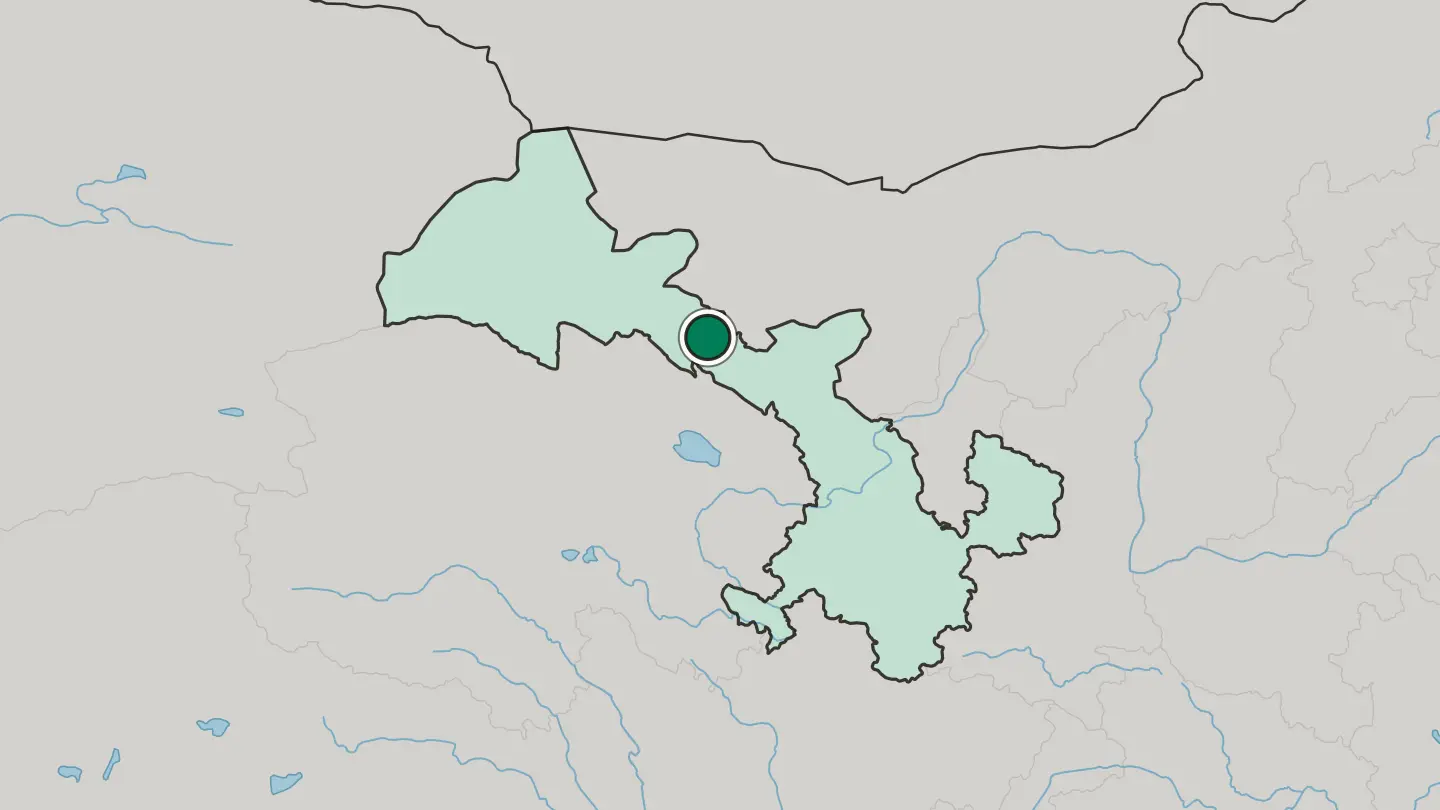
 China
China
Jiuquan
Jiuquan is an old Silk Road oasis city in the Hexi Corridor of Gansu, China, near the western end of the Great Wall.Where to stay →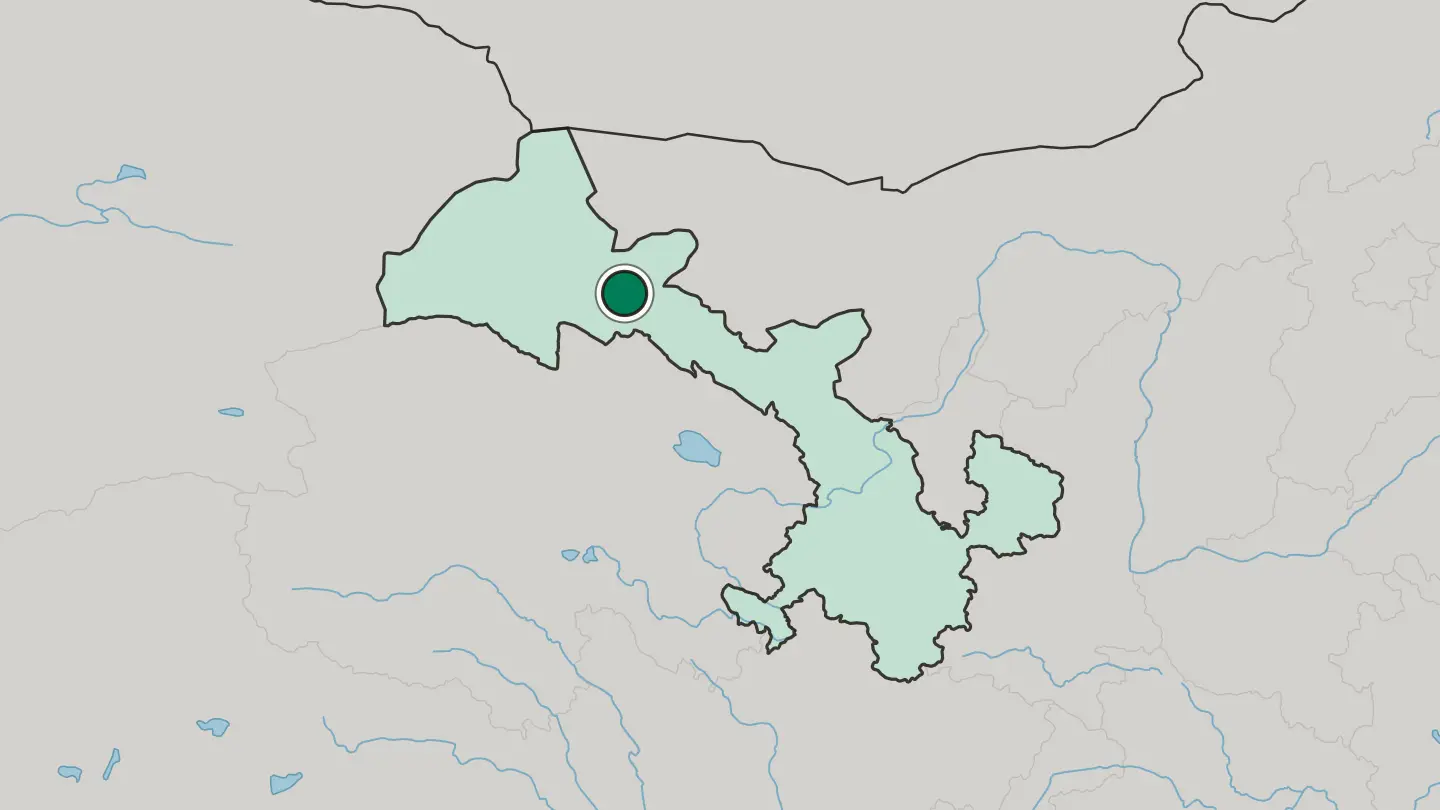
 China
China
Dunhuang
Dunhuang is a Silk Road oasis in the deserts of western China, famous for a cliff of painted Buddhist caves.Where to stay →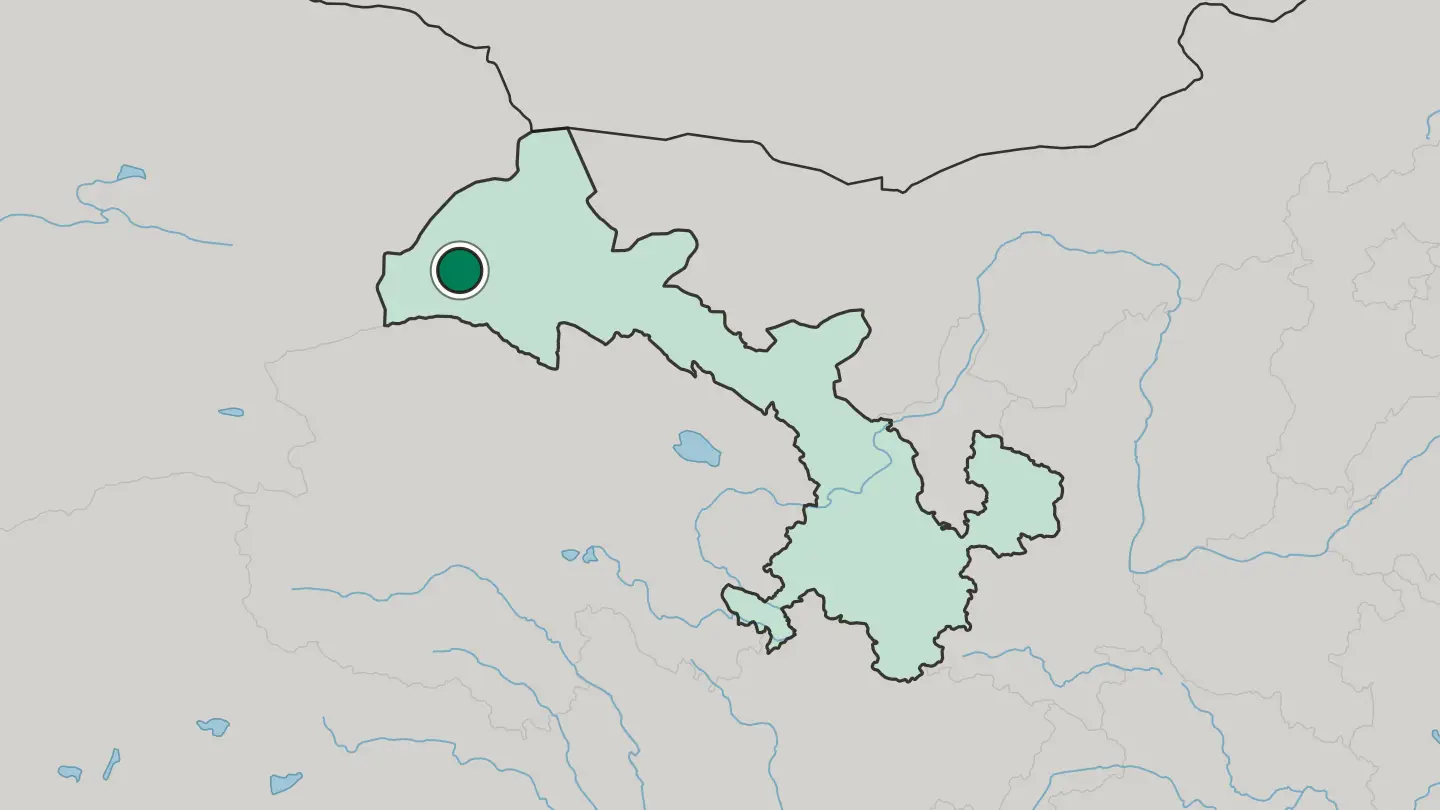
Hotel links are affiliate links: booking through them may earn us a commission, at no extra cost to you. It never affects how places are ranked. How this works
About Gansu
Gansu is Silk Road country.
What is Gansu known for?
For centuries the caravans threaded the Hexi Corridor, the arable strip that runs west of the Yellow River between the Qilian Mountains and the desert, and the province still trades on that story. Lanzhou, the capital, straddles the Yellow River where the road turns west. Beyond it lie the painted Buddhist grottoes of the Mogao Caves near Dunhuang, the striped Danxia hills around Zhangye, and the Ming fort at Jiayuguan that once marked the western end of the Great Wall of China.
Where is Gansu?
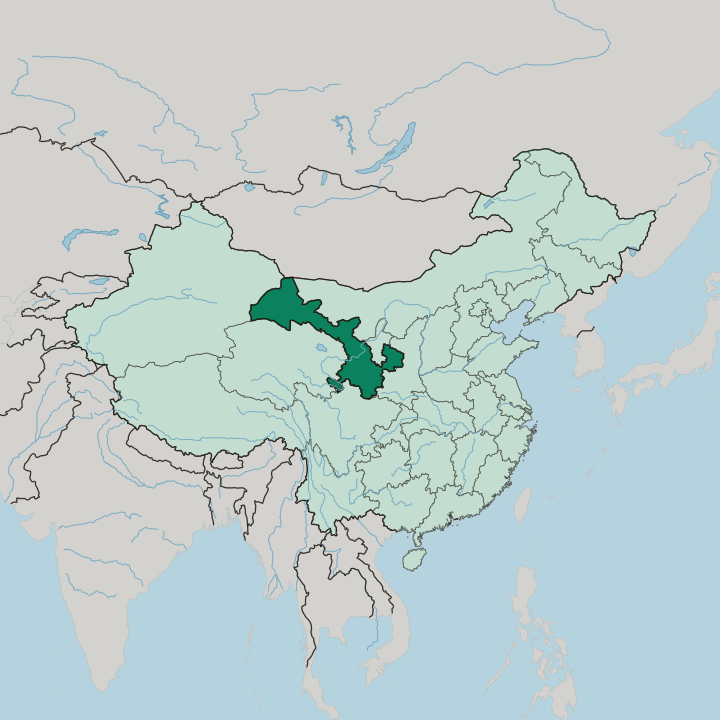
Gansu stretches like a thrown ribbon across northwest China. It is one of the country's largest provinces by area, yet so narrow in the middle that a single road and railway carry almost everything through it. Two great highlands hem it in.
The Loess Plateau rises to the east and the Tibetan Plateau climbs to the south, and Gansu threads the seam between them, wedged against Xinjiang and Qinghai in the west, Sichuan below, Shaanxi to the east, and Inner Mongolia and Ningxia to the north. The Yellow River cuts across the southeast and runs straight through Lanzhou. West of the capital the land pinches into the Hexi Corridor, the arable belt hemmed by the Qilian Mountains on one side and the Gobi Desert on the other.
It is a corridor in the literal sense. Oasis towns bead along it, each fed by meltwater streams draining off the Qilian snows into an otherwise parched plain. Follow the corridor far enough west and it ends at Dunhuang, where the settled land gives out and the sand takes over.
That single narrow passage is the whole shape of the province.
What is Gansu like?
Gansu carries the memory of the Silk Road in its art and its faces. The great expression of it is the Mogao Caves outside Dunhuang, where monks began carving meditation grottoes into a cliff in 366 CE and kept painting the walls for a thousand years afterward. Faith arrived along the trade route.
Buddhism travelled the Hexi Corridor from Central Asia into China, and the murals and painted clay figures at Mogao trace that passage cave by cave. The province is also a meeting of peoples. Han Chinese predominate, but Hui Muslims and Tibetans have long lived here too, and Lanzhou's hand-pulled beef noodles, the city's signature dish, came out of that Hui kitchen tradition.
Mandarin Chinese is the common tongue. The food leans on wheat and lamb rather than rice. Desert and mountain sit close together in the daily life of the corridor towns, and the old caravan routes still set the map that travellers follow.
It is a border culture, shaped by everything that once passed through.
What is the history of Gansu?
The Hexi Corridor made Gansu matter. When the Han dynasty pushed west against the nomads, this narrow passage became the door to Central Asia, and the Silk Road ran its silk, horses, and ideas straight through it. The Ming dynasty later sealed the far end, raising the fortress at Jiayuguan in 1372 to close the western terminus of the Great Wall of China.
Gansu took its present provincial shape in 1929. What the caravans built, the corridor kept.
What is the climate of Gansu?
Gansu is dry. Shut off from the sea and shadowed by the Qilian Mountains and the Tibetan Plateau, most of the province gets little rain, and the Hexi Corridor towns live on meltwater rather than clouds. Days and nights swing far apart, hot under the desert sun and cold once it drops, especially out toward Dunhuang.
Winters run long and bitter across the northern plain. Summers are short and burning. The wetter, milder weather stays down in the far southeast near the Yellow River.
How do you get to Gansu?
Most travellers land at Lanzhou. The capital's Zhongchuan airport is the province's main gateway and the natural place to begin a Hexi Corridor run before heading west. From there a fast railway follows the old caravan line through Zhangye and Jiayuguan out to Dunhuang, tracing the same corridor the Silk Road once used.
Dunhuang has its own airport for travellers who want to skip straight to the western oases. The province is long, so trains do most of the work between towns.
Common questions
What is the best area to stay in Gansu?
Lanzhou: starting the Hexi Corridor from central Gansu. Dunhuang: the Mogao Caves and desert oasis nights. Zhangye: the banded Danxia rock and the mid-corridor break. Jiayuguan: the westernmost Great Wall fortress.
Good for
More regions in China
Updated September 2026