China · Gansu
Where to Stay in Jiuquan, Gansu
Jiuquan is an old Silk Road oasis city in the Hexi Corridor of Gansu, China, near the western end of the Great Wall.
Hotel links are affiliate links: booking through them may earn us a commission, at no extra cost to you. It never affects how places are ranked. How this works


Where to stay in Jiuquan
How the choice of base plays out on the ground.
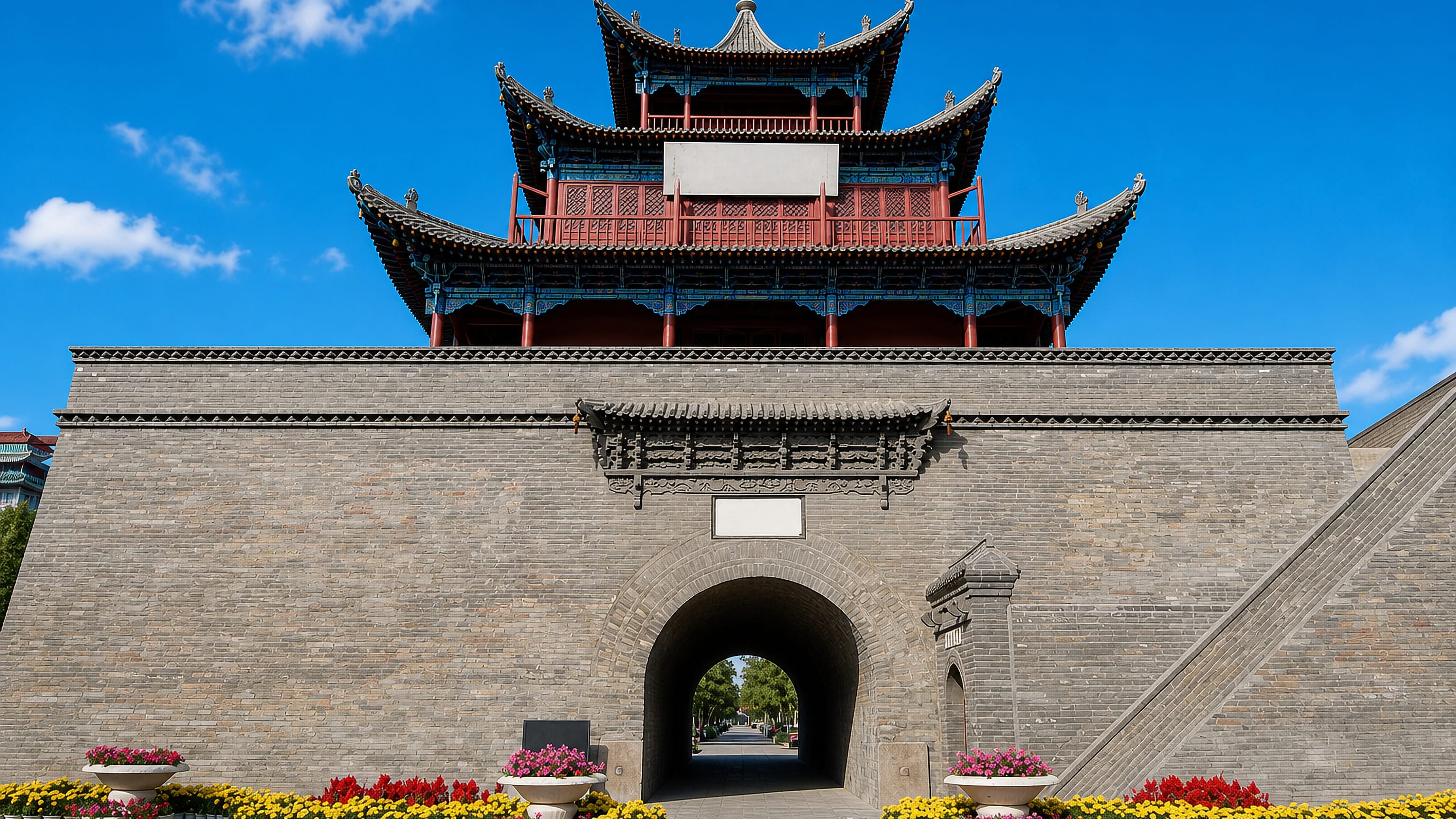
In Jiuquan it comes down to how near the old oasis town you want to be. The streets around the drum tower keep the wine-spring park, the market, and the museum within a walk, and staying downtown suits anyone here for the oasis town. Poplars shade the old avenues.
Small hotels stand near the tower. Out toward Jiayuguan and the Great Wall, the oasis gives way to gravel desert. A room out west trades the drum tower for the great fort, the wall's end, and the Wei tombs with their painted bricks.
The Gobi stretches flat past the edge. Stay in town for the spring and market, or out west for the fort. The Qilian snows watch over both.
Things to do in Jiuquan
Ranked by global recognition; descriptions from Wikidata (CC0).
Museums & Galleries
1- Silk Route Museum
Castles & Historic Sites
4- Mogao Caves UNESCO
- Yulin Caves Heritage
- Xuanquanzhi Heritage
- Five Temple Caves Heritage
worth knowingacross 2 categories in Jiuquan
About Jiuquan
Jiuquan is the wine-spring oasis of the Hexi Corridor.
What is Jiuquan known for?
On the Silk Road between the Gobi and the Qilian snows, it was a garrison and market where the caravans watered, and its name comes from a spring into which a Han general is said to have poured the emperor's wine. Poplars line the desert road. The Qilian snows shine to the south.
What are the main landmarks in Jiuquan?
The old drum tower stands at the heart of Jiuquan. The tall gate-tower of brick and timber, rising over the crossroads of the oasis town, marks the centre, the emblem of the city, on the desert road. A wine-spring park lies east.
The spring of the old legend still flows in a garden of pools and pavilions, while the Ming fort of Jiayuguan guards the corridor west of Jiuquan.
What is the history of Jiuquan?
Jiuquan was a Han garrison on the road to the west. When the Han emperors pushed the Chinese frontier out along the Hexi Corridor, they set a command post here to guard the Silk Road, and legend says a victorious general poured the emperor's gift of wine into a spring to share it with his men, giving the town its name. The Great Wall reached the desert here.
The Ming later ran their wall west to the fort of Jiayuguan nearby, the last great gate of the empire, beyond which lay the barbarian lands. Caravans made the corridor rich. For centuries the silk, jade, and faith of half a continent moved through Jiuquan between China and the west, and Buddhist caves and beacon towers rose along the road.
The desert kept its old ways. Even as the sea trade drew the caravans away, the oasis towns held on by their fields and their gates, and the corridor kept its long memory. The old drum tower still marks the town.
Jiuquan holds its wine-spring and its gate on the Silk Road.
Where is Jiuquan?
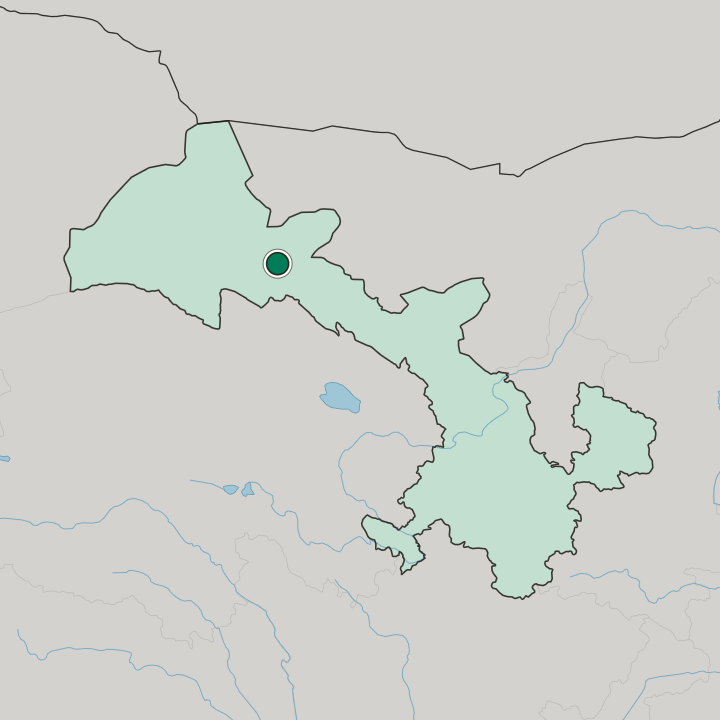
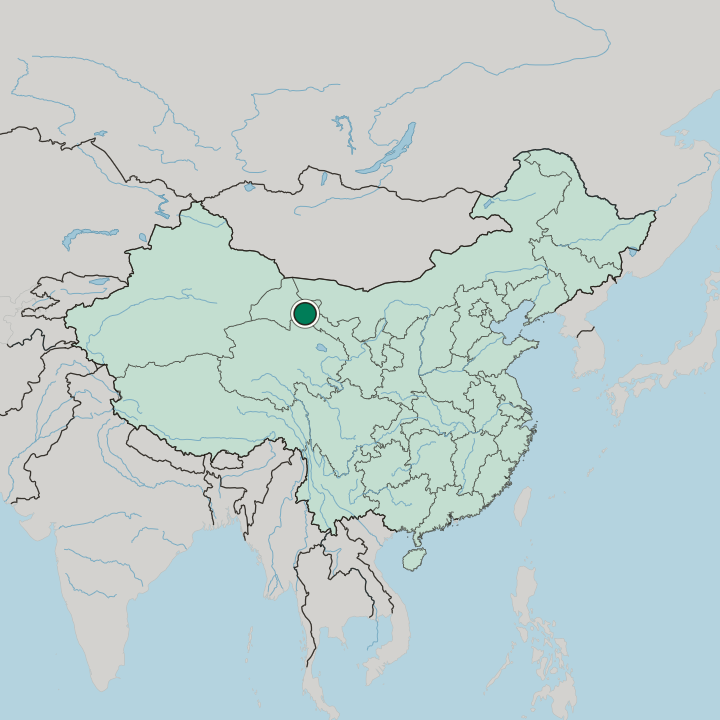
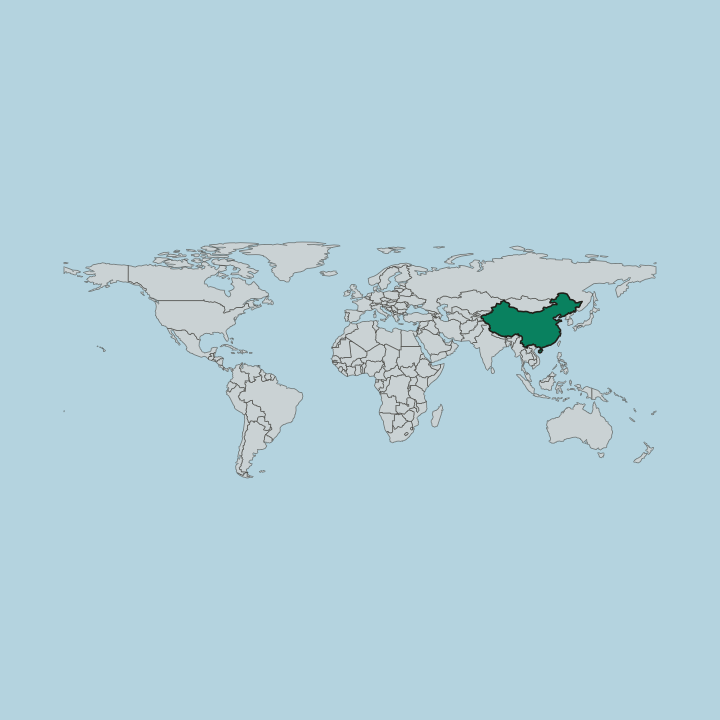
Jiuquan lies in the Hexi Corridor of Gansu in China, a narrow band of oasis between desert and mountains. The city sits on the plain watered by the Qilian snows, with the Gobi stretching north to the Mongolian steppe and the white peaks rising south, on the old road west. Bare gravel desert spreads north.
The Qilian range walls the south.
What is the climate of Jiuquan?
Jiuquan has a harsh desert climate. Warm, dry summers cross the oasis, and long, cold winters bring hard frost off the Gobi, with wide swings from day to night and almost no rain. Sandstorms sweep in from the desert in spring.
Meltwater from the Qilian keeps the fields green.
How do you get to Jiuquan?
Jiuquan lies in the Hexi Corridor of western Gansu, on the road and rail to the northwest. Fast trains and the old Silk Road highway run to it from Lanzhou and on toward Xinjiang, and the desert road passes the fort of Jiayuguan close by. Local roads cross the oasis to the villages.
The far caves of Dunhuang lie days to the west.
Good for
More cities in Gansu
Updated September 2026