
China · Hebei Sheng
Where to Stay in Handan, Hebei Sheng
Handan was the Zhao capital of the Warring States, and its ground still holds the Xiangtangshan Caves, Nüwa Palace and the Cishan Site.
Hotel links are affiliate links: booking through them may earn us a commission, at no extra cost to you. It never affects how places are ranked. How this works


Where to stay in Handan
The practical side of choosing where to sleep.
The Handan Museum sets the centre's case. Rooms among the five urban districts sit close to it and to the ground of Handan, Zhao, and they leave the Jinjiluyu Martyr Cemetery and the Hongji Bridge within reach without a long drive, which suits a short stay built around museums. Central beds are plentiful.
Anyone connecting through Xingtai or carrying on toward Henan will find the middle of the city the least complicated base. Caves and kilns pull the other way. The Xiangtangshan Caves and the Northern Dynasties tombs of Ci County lie out in the county country where the Cizhou ware kilns were worked, and a night out there buys the early hours at the caves.
Guangfu Castel is a separate trip again. Its walls, the Nüwa Palace and the Yecheng Museum at Ye stand far enough apart that a car and two bases beat one central room and a week of doubling back, and beds outside the districts are simple where they exist at all.
Find hotels in Handan
Direct booking searches for these neighbourhoods.
The five urban districts
Central districts beside the Handan Museum, with the Jinjiluyu Martyr Cemetery close byFind hotels in The five urban districtsFirst light at the Xiangtangshan CavesCi County
County ground by the Xiangtangshan Caves and the Northern Dynasties tombs of Ci County. Few places to stay nearby — book ahead.Find hotels in Ci CountyA walled-town night at Guangfu CastelGuangfu
Within the walls of Guangfu Castel, well away from the urban districts of Handan. Lodging is scarce in this area; reserve in advance.Find hotels in GuangfuHotel links are affiliate links: booking through them may earn us a commission, at no extra cost to you. It never affects how places are ranked. How this works
Things to do in Handan
Ranked by global recognition; descriptions from Wikidata (CC0).
Museums & Galleries
2- Handan Museum
- Yecheng Museum
Churches & Religious Sites
1- Mother of Grace Cathedral, Daming Heritage
Castles & Historic Sites
3- Ye Heritage
- Xiangtangshan Caves Heritage
- Handan, Zhao Heritage
worth knowingacross 3 categories in Handan
About Handan
Zhao made the name.
What is Handan known for?
Handan served as the capital of the Zhao State through the Warring States Period, which is why the city presents itself as one of the oldest in China rather than as one more prefecture on the plain, and Handan, Zhao is where that claim is grounded. Iron casting followed. Cizhou ware, the Xiangtangshan Caves and Nüwa Palace round out a list running from craft to devotion, with the Handan Museum and the Yecheng Museum holding the finds.
What are the main landmarks in Handan?
Caves lead the list. The Xiangtangshan Caves are carved into rock away from the city, the Nüwa Palace stands as a destination in its own right, and Guangfu Castel keeps a walled circuit the modern districts have nothing to match. Ye is the deep past.
The Yecheng Museum, the Cishan Site, the Guzhen City Ruins and the Lincun Tombs are all excavated ground, while the Hongji Bridge, the Mother of Grace Cathedral, Daming and the Jinjiluyu Martyr Cemetery belong to far later centuries.
What is the history of Handan?
Few cities in China claim a longer run. Handan was the capital of the Zhao State through the Warring States Period, and Handan, Zhao is the archaeological expression of that, the ground the written record keeps returning to. The Cishan Site goes back further still.
Ye belongs to a later chapter and is set out in the Yecheng Museum, while the Guzhen City Ruins and the Lincun Tombs mark settlements and burials whose names never carried the same weight. Iron and clay carried the later economy. Casting made the city's reputation for craft, and Cizhou ware was fired in the county kilns long enough that the type still carries the old prefecture's name, a rarer kind of survival than a wall or a tomb.
Belief left its own marks. The Xiangtangshan Caves and the Northern Dynasties tombs of Ci County came out of one age of patronage, the Nüwa Palace, the Main Hall of Tianqing Temple and the Shanmen of Chengtang Temple out of others, and the Mother of Grace Cathedral, Daming out of a much later contact with the world beyond. The Jinjiluyu Martyr Cemetery closes the sequence.
Where is Handan?
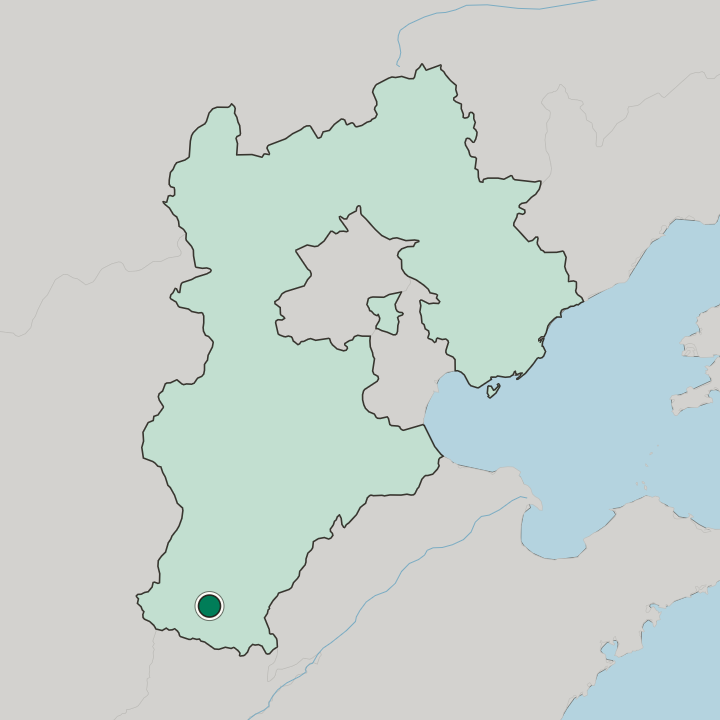
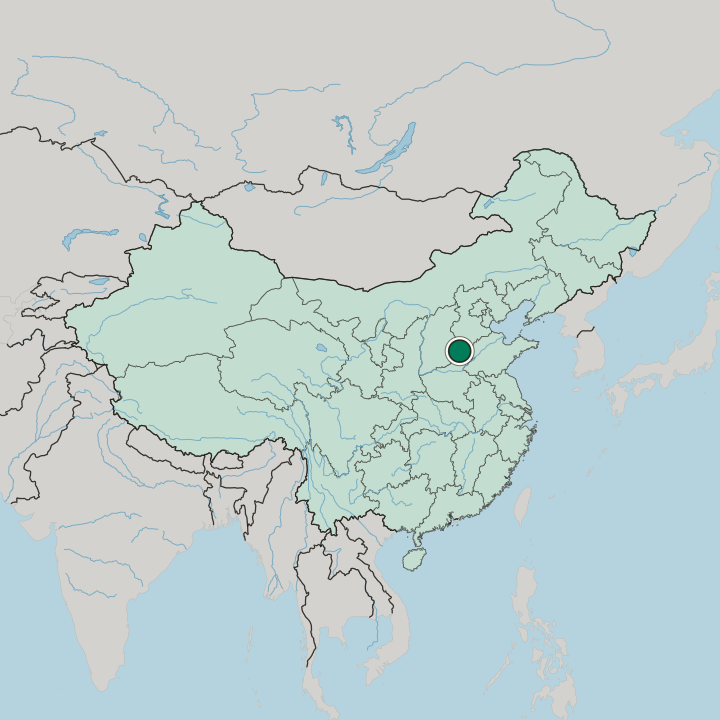
Three provinces close in around it. Handan borders Xingtai on the north, with Shanxi to the west, Henan to the south and Shandong to the east, which makes it the last prefecture of Hebei before the provincial line. The plain does the rest.
Yongnian District and Shahe City have run together into what reads on the map as a single built-up area, while the Xiangtangshan Caves and the tombs of Ci County need the harder ground out beyond the fields.
What is the climate of Handan?
Handan takes a temperate inland pattern, with the higher ground toward Shanxi on one side and open plain in every other direction. Winter is dry and hard. Summer rain arrives in a compressed season that greens the fields between the urban districts and Yongnian District, while the dust blowing across the plain in spring is the reason the Xiangtangshan Caves photograph better in autumn.
How do you get to Handan?
Handan stands on the main line through Hebei. Trains running between Xingtai and the Henan cities call here, which makes it an easy stop for anyone already moving along that corridor rather than a place travellers make a special journey for. The county sites are the problem.
The Xiangtangshan Caves, Guangfu Castel and Ye each need a car or a local bus, and the distances across a prefecture this size are why a day trip out of the centre rarely covers more than one of them.
Common questions
What is the best area to stay in Handan?
The five urban districts: Museum stays around the Handan Museum and Handan, Zhao. Ci County: First light at the Xiangtangshan Caves. Guangfu: A walled-town night at Guangfu Castel.
Good for
More cities in Hebei Sheng
Updated October 2026