China · Hebei Sheng
Where to Stay in Shijiazhuang, Hebei Sheng
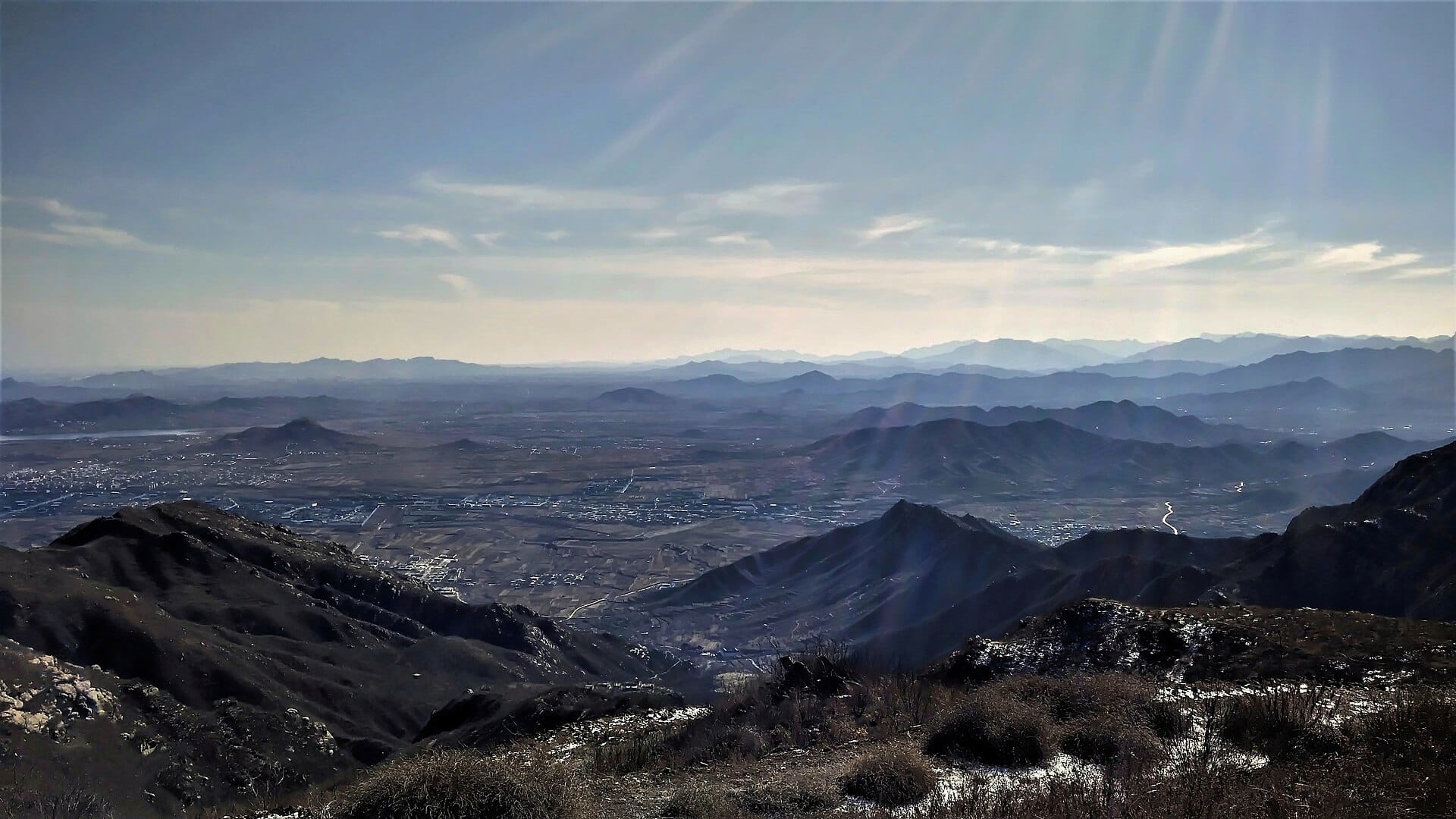
Shijiazhuang grew out of a rail junction below the Taihang Mountains, the capital of Hebei in northern China, with Zhengding and Zhaozhou Bridge nearby.
Hotel links are affiliate links: booking through them may earn us a commission, at no extra cost to you. It never affects how places are ranked. How this works


Where to stay in Shijiazhuang
Where visitors usually base themselves, and why.
Shijiazhuang arranges its hotels along Zhongshan Road, the east-west spine that runs from Chang'an District across the tracks into Qiaoxi District and the plaza of Shijiazhuang Railway Station. Qiaoxi suits arrivals by train. Rooms there put the platforms and the metro under a five-minute walk, which matters in a city whose whole grid was laid out around its junction.
Chang'an District is the older, denser side, with the shops of Zhongshan Road and the Shijiazhuang Museum within reach on foot. Yuhua District spreads south around the provincial offices, where the Hebei Museum and the wide new boulevards give a quieter, greener base for anyone who is not tied to the station. North of the Hutuo River the calculation changes.
Zhengding sits an easy half hour out, a walled town of temple courtyards where a night beside the halls of Longxing Temple and the four old pagodas buys more atmosphere than any block of the provincial capital. The airport lies beyond it. Anyone here for Zhaozhou Bridge, Cangyan Shan or the memorial hills at Xibaipo will want a car, since those lie out across the plain and up into the Taihang Mountains rather than on any metro line.
Find hotels in Shijiazhuang
Direct booking searches for these neighbourhoods.
Qiaoxi District
The city grid was laid out around the rail junctionFind hotels in Qiaoxi DistrictShopping the length of Zhongshan RoadChang'an District
The Shijiazhuang Museum sits within an easy walkFind hotels in Chang'an DistrictWide quiet boulevards by the Hebei MuseumYuhua District
Provincial offices spread south of the old gridFind hotels in Yuhua DistrictA night beside the halls of Longxing TempleZhengding
Walled temple town north across the Hutuo RiverFind hotels in ZhengdingHotel links are affiliate links: booking through them may earn us a commission, at no extra cost to you. It never affects how places are ranked. How this works
Things to do in Shijiazhuang
Ranked by global recognition; descriptions from Wikidata (CC0).
Museums & Galleries
2- Hebei Museum
- Shijiazhuang Museum
Castles & Historic Sites
2- Shijiazhuang Concentration Camp Victims Memorial
- 石家庄解放纪念碑
Stadiums & Sports
1- Yutong International Sports Center
worth knowingacross 3 categories in Shijiazhuang
About Shijiazhuang
What is Shijiazhuang known for?
Shijiazhuang is the capital of Hebei, a city the railways assembled out of a plain village. Two lines crossed here, the Jinghan running north to Beijing and the Zhengtai climbing west through the Taihang Mountains toward Taiyuan, and the junction they made pulled a provincial capital into being. The older country lies outside it.
Zhengding keeps the Longxing Temple, Zhaozhou Bridge still carries its single stone arch, and the Hebei Museum gathers what the province has dug up.
What are the main landmarks in Shijiazhuang?
Shijiazhuang's landmarks divide between the museums of the new capital and the old stone outside it. The Hebei Museum holds the jade burial suits and bronzes from the Han tombs at Mancheng, and the Shijiazhuang Museum, the Shijiazhuang Concentration Camp Victims Memorial and the Liberation Monument mark the twentieth century in the city itself. Zhaozhou Bridge is the prize.
Its flat stone arch has carried traffic across the Xiaohe since the Sui dynasty, and Zhengding adds the Longxing Temple, while Cangyan Shan hangs a hall on a gorge in the Taihang Mountains.
What is the history of Shijiazhuang?
Shijiazhuang was a village until the tracks arrived. The Beijing to Hankou line reached this stretch of the plain at the start of the twentieth century, and when the Zhengtai railway chose it over the old prefecture seat at Zhengding as the eastern end of the climb to Taiyuan, the village became a junction. Warehouses followed, then mills.
For a generation the place went by the name Shimen, a merchant town of sidings and coal yards with no wall, no temple quarter and none of the antiquity that Zhengding had carried for a thousand years. The war left its own marks. Japanese forces held the junction from 1937, and the Shijiazhuang Concentration Camp Victims Memorial stands for the prisoners worked and killed here during the occupation.
Communist forces took the city in 1947, the first large one they held, and the leadership spent the following year at Xibaipo in the Taihang foothills directing the campaigns that finished the civil war. The Liberation Monument marks that winter. Provincial government followed in 1968, moving down from Baoding, and Hebei has been run from these streets ever since.
Where is Shijiazhuang?
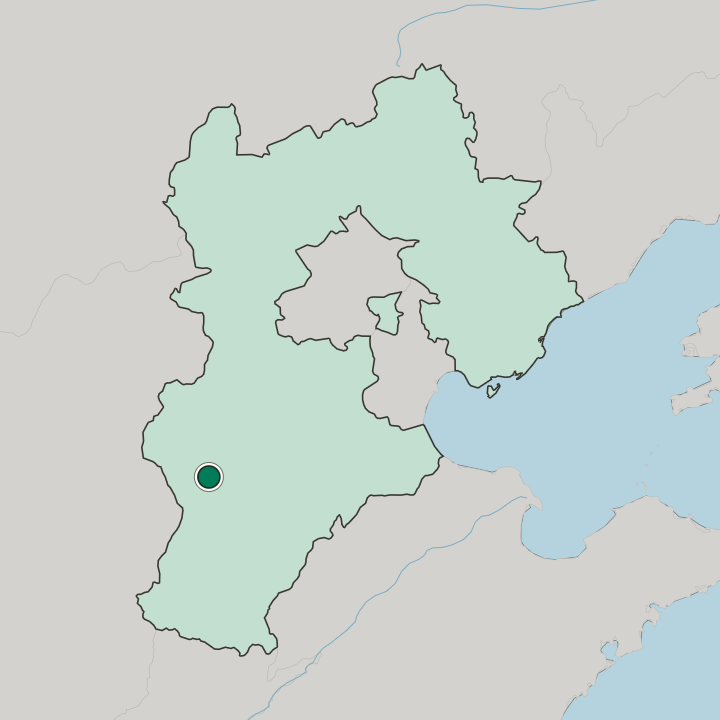
Shijiazhuang sits on the western edge of the North China Plain in Hebei, where the flat farmland runs up against the Taihang Mountains. The Hutuo River crosses the north of the city on its way east, Zhengding stands on the far bank, and beyond the western suburbs the ground lifts quickly into ridges and gorges that carry the old road to Shanxi. Beijing lies northeast across the plain.
The rest is wheat and pear orchard.
What is the climate of Shijiazhuang?
Shijiazhuang bakes in summer because the Taihang Mountains sit at its back, trapping the heat that comes off the plain and dropping the monsoon rain in short violent bursts through July and August. Winter is the opposite. Cold dry air pours down from the north and holds for months, with little snow and a hard grey light over the streets.
Spring blows in from the Gobi with dust.
How do you get to Shijiazhuang?
Shijiazhuang is a little over an hour from Beijing West on the Beijing-Guangzhou high-speed line, which stops at Shijiazhuang Railway Station in the middle of the city. Trains west climb to Taiyuan through the Taihang tunnels. Shijiazhuang Zhengding International Airport sits north beyond the Hutuo River, linked by its own station on the high-speed line, and three metro lines cross under Zhongshan Road.
Buses run out to Xibaipo.
Common questions
What is the best area to stay in Shijiazhuang?
Qiaoxi District: Arrivals on the platforms of Shijiazhuang Railway Station. Chang'an District: Shopping the length of Zhongshan Road. Yuhua District: Wide quiet boulevards by the Hebei Museum. Zhengding: A night beside the halls of Longxing Temple.
Good for
More cities in Hebei Sheng
Updated October 2026