China · Sichuan
Where to Stay in Leshan, Sichuan
Leshan is a city in southern Sichuan, China, famous for the Giant Buddha carved into its river cliff.
Hotel links are affiliate links: booking through them may earn us a commission, at no extra cost to you. It never affects how places are ranked. How this works


Where to stay in Leshan
How the choice of base plays out on the ground.
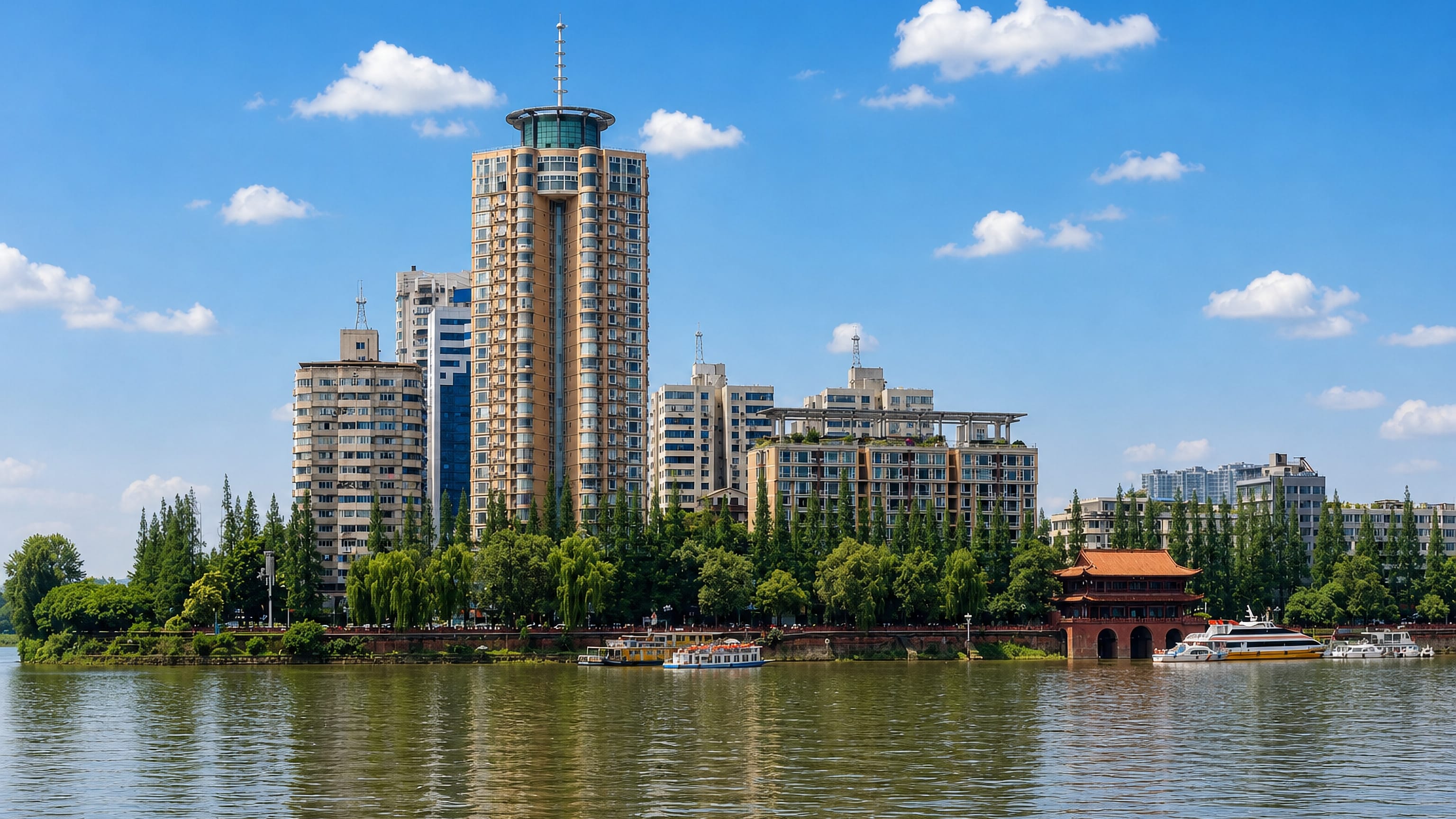
Where you stay in Leshan turns on the town or the Buddha. The old centre by the rivers keeps the shops, the markets, and the boats to the Buddha within reach, and staying downtown suits anyone here for the city. The rivers meet below the streets.
Windows on this side open onto the meeting rivers. Out toward the Buddha park and Mount Emei, the town gives way to green hills. A room by the park trades the centre for the cliff, the temples, and the road up the sacred mountain.
The wooded slopes rise past the edge. If you want the town and the boats, stay downtown; if you want the Buddha, take a room by the park. Either way, the rivers are close at hand.
Find hotels in Leshan
Direct booking searches for these neighbourhoods.
The town centre
By the rivers within reach of the shops and the Buddha boatsFind hotels in The town centreStays wanting the Giant Buddha and Mount EmeiThe Buddha park
By the cliff and temples on the road up the sacred mountainFind hotels in The Buddha parkHotel links are affiliate links: booking through them may earn us a commission, at no extra cost to you. It never affects how places are ranked. How this works
About Leshan
Leshan is the city of the Giant Buddha.
What is Leshan known for?
Where three rivers meet, a colossal seated Buddha, the largest carved in stone in the world, sits against the red cliff, watching over the water, and behind the town rises the sacred peak of Mount Emei. Pilgrims climb the cliff stairs past his feet. Buddha and rivers mark the city.
What are the main landmarks in Leshan?
The Giant Buddha sits against the cliff at Leshan. The colossal stone figure, carved over ninety years, gazes across the meeting of the rivers, the emblem of the city, from the red rock. A sacred mountain rises to the west.
Mount Emei climbs green and temple-crowned above the plain, while old cliff temples and Han tombs mark the hills around Leshan.
What is the history of Leshan?
Leshan carved a Buddha to calm its rivers. Where the three rivers met, the waters ran wild and wrecked the boats, and in the eighth century a monk named Haitong began to cut a giant Buddha into the cliff, hoping the holy image would still the flood. The work took ninety years.
Generations of carvers shaped the seated Buddha, tall as a hill, until he sat complete above the meeting of the waters, the largest stone Buddha on earth. The sacred mountain rose behind the town. Nearby stood Mount Emei, one of the holy mountains of Chinese Buddhism, crowned with temples and climbed by pilgrims for centuries.
The town lived by faith and the rivers. Monks, traders, and boatmen filled Leshan, and the Buddha drew the devout from across the land, while the rivers carried salt and grain. The Buddha still watches the water.
Leshan keeps its Buddha and its mountain in Sichuan.
Where is Leshan?
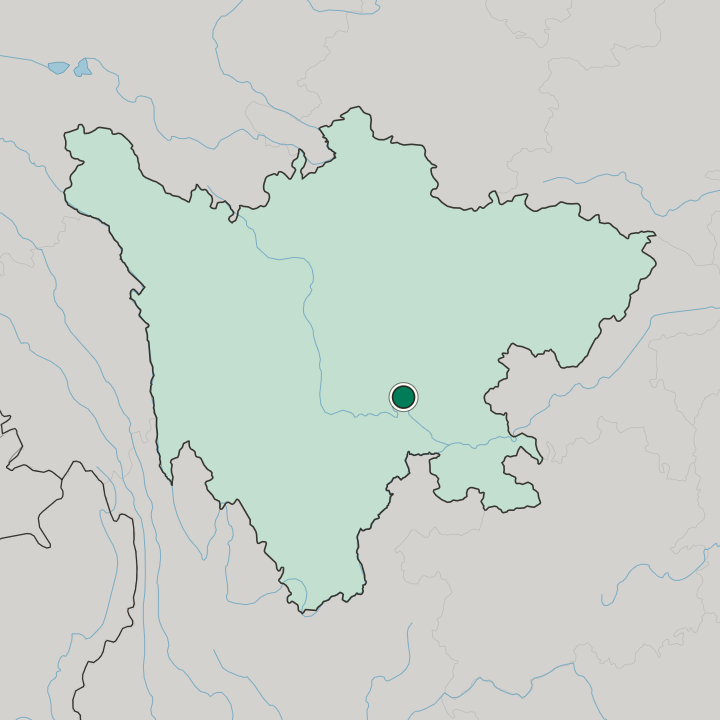
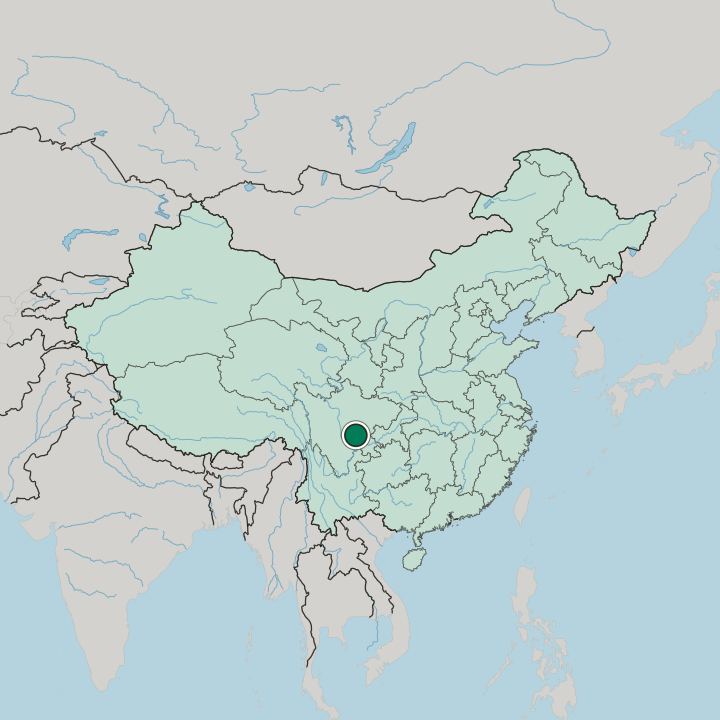
Leshan lies in southern Sichuan, China, where three rivers come together. The city sits at the meeting of the Min, the Dadu, and the Qingyi, on a green plain among low red hills, with the great mass of Mount Emei to the west. Wooded hills rise around.
The wide rivers join below the town.
What is the climate of Leshan?
Leshan's air is subtropical, warm and damp through most of the year. Hot summers and mild winters cross the river basin, often wrapped in cloud and mist, and heavy rains fall in the summer months, while the winters stay grey and damp. Fog drifts over the rivers at dawn.
The basin stays warm and green year-round.
How do you get to Leshan?
Leshan lies south of Chengdu in central Sichuan. High-speed trains and the expressway run to it from Chengdu across the plain, and roads climb west to Mount Emei nearby. Buses reach the river towns around.
Most arrive by rail from Chengdu.
Common questions
What is the best area to stay in Leshan?
The town centre: Visitors here for the markets and the boats to the Buddha. The Buddha park: Stays wanting the Giant Buddha and Mount Emei.
Good for
More cities in Sichuan
Updated September 2026