China
Sichuan, China — Towns & Travel Guide
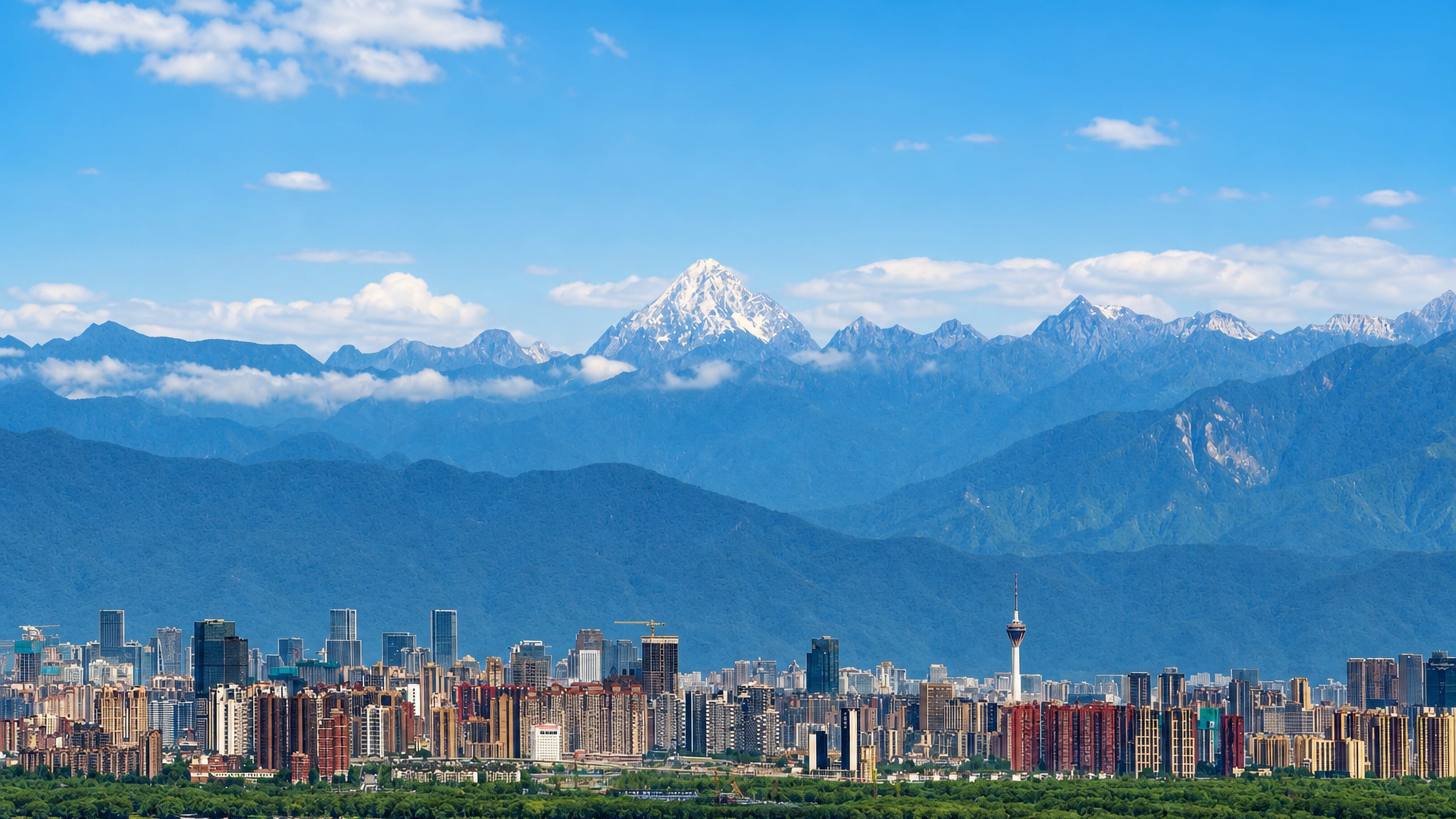
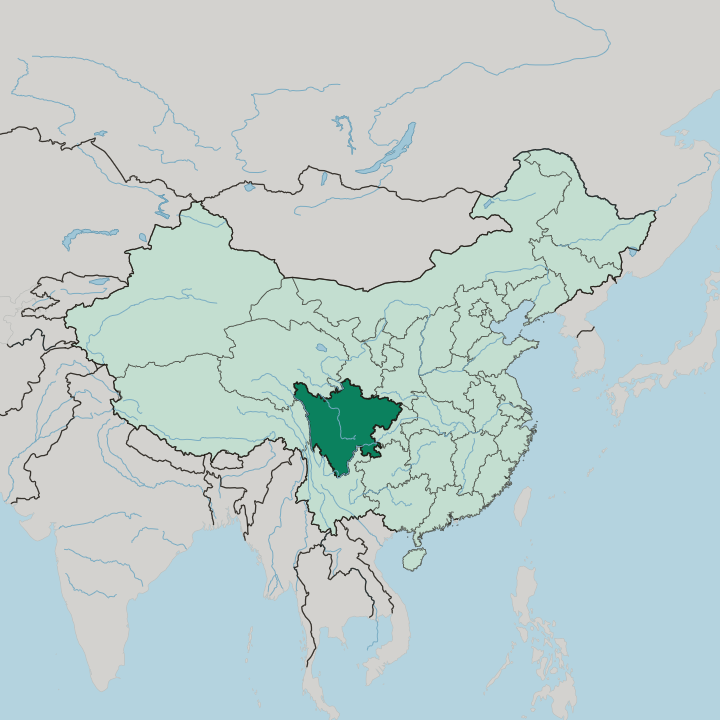
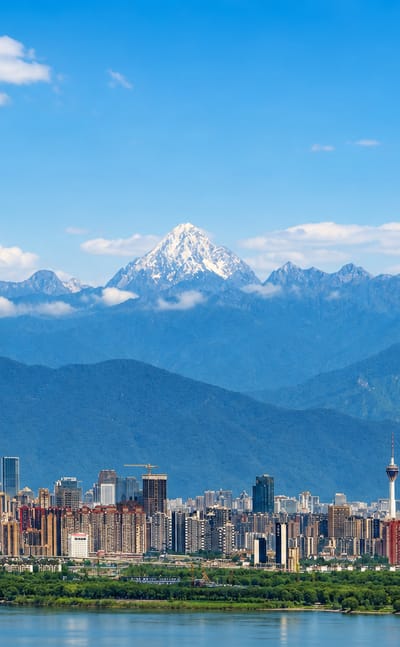
Sichuan fills the upper Yangtze in southwestern China, a fertile basin ringed by mountains that climb west onto the Tibetan Plateau.
Hotel links are affiliate links: booking through them may earn us a commission, at no extra cost to you. It never affects how places are ranked. How this works


Towns & cities in Sichuan
Pick a town or city — each links to where to stay.
 China
China
Chengdu
Teahouses and old temples fill Chengdu, capital of Sichuan on its fertile plain, a long-settled city known for the Du Fu Thatched Cottage.Where to stay →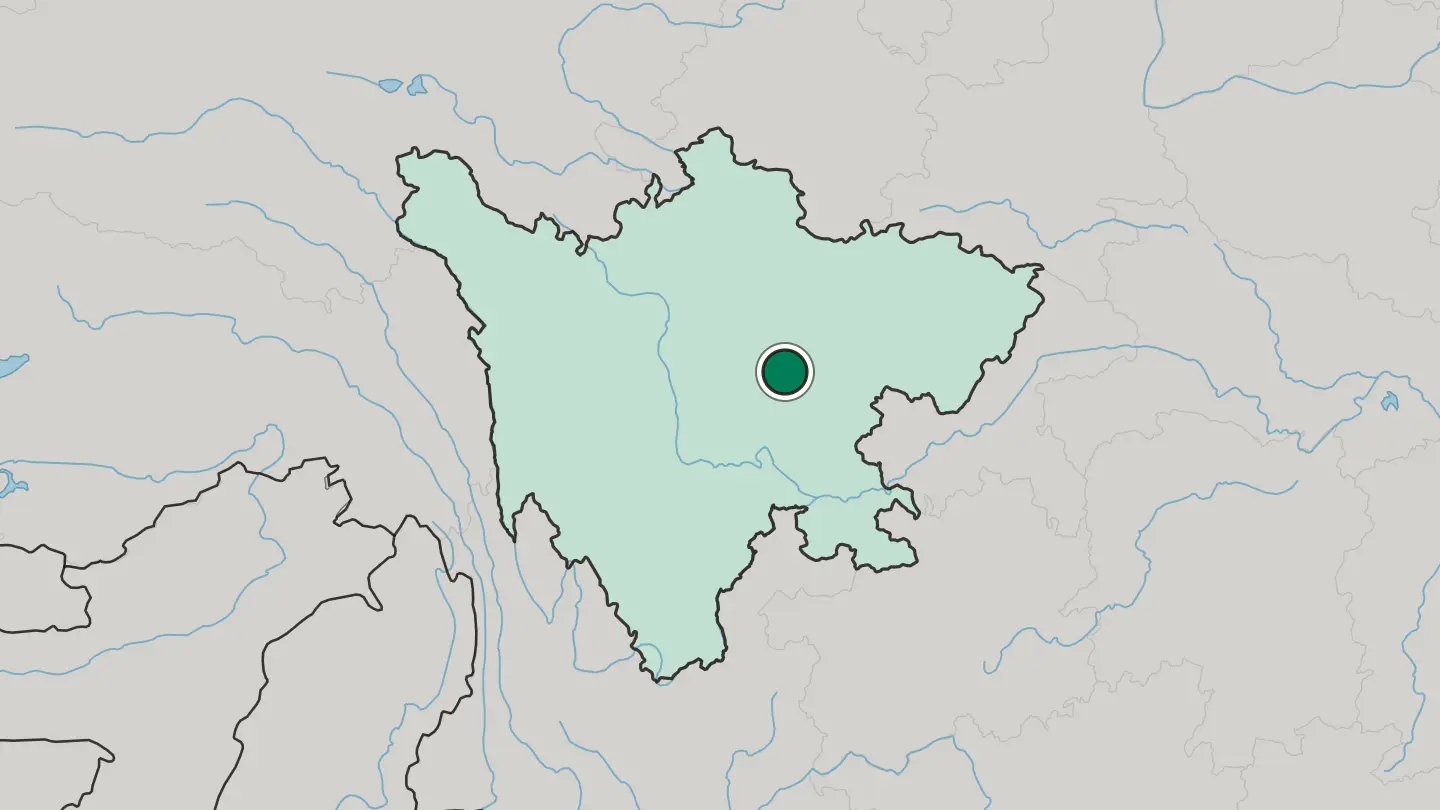 China
China
Mianyang
Mianyang is the second largest prefecture-level city of Sichuan, formed in 1985, holding Bao'en Temple and the Beichuan Earthquake Museum.Where to stay →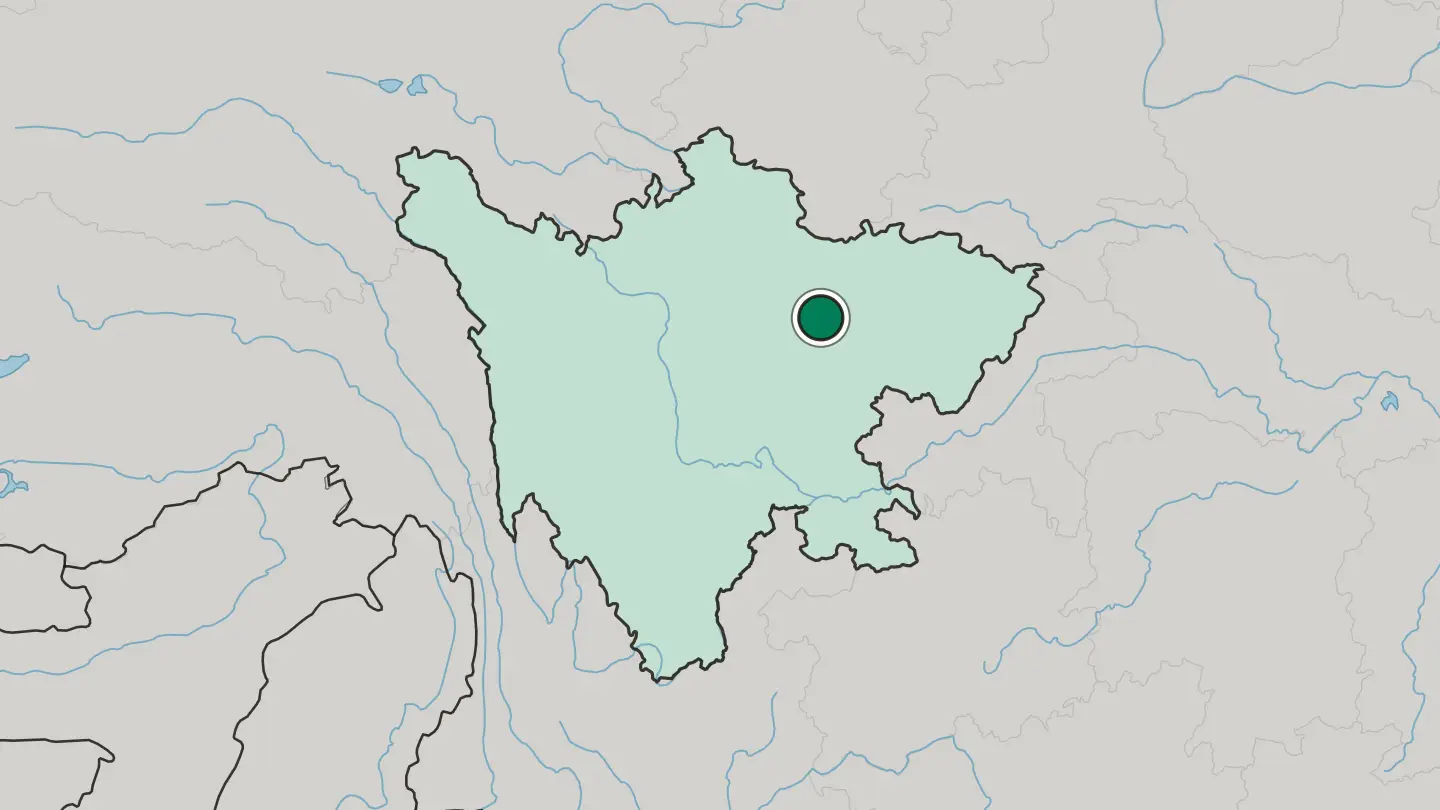
 China
China
Leshan
Leshan is a city in southern Sichuan, China, famous for the Giant Buddha carved into its river cliff.Where to stay →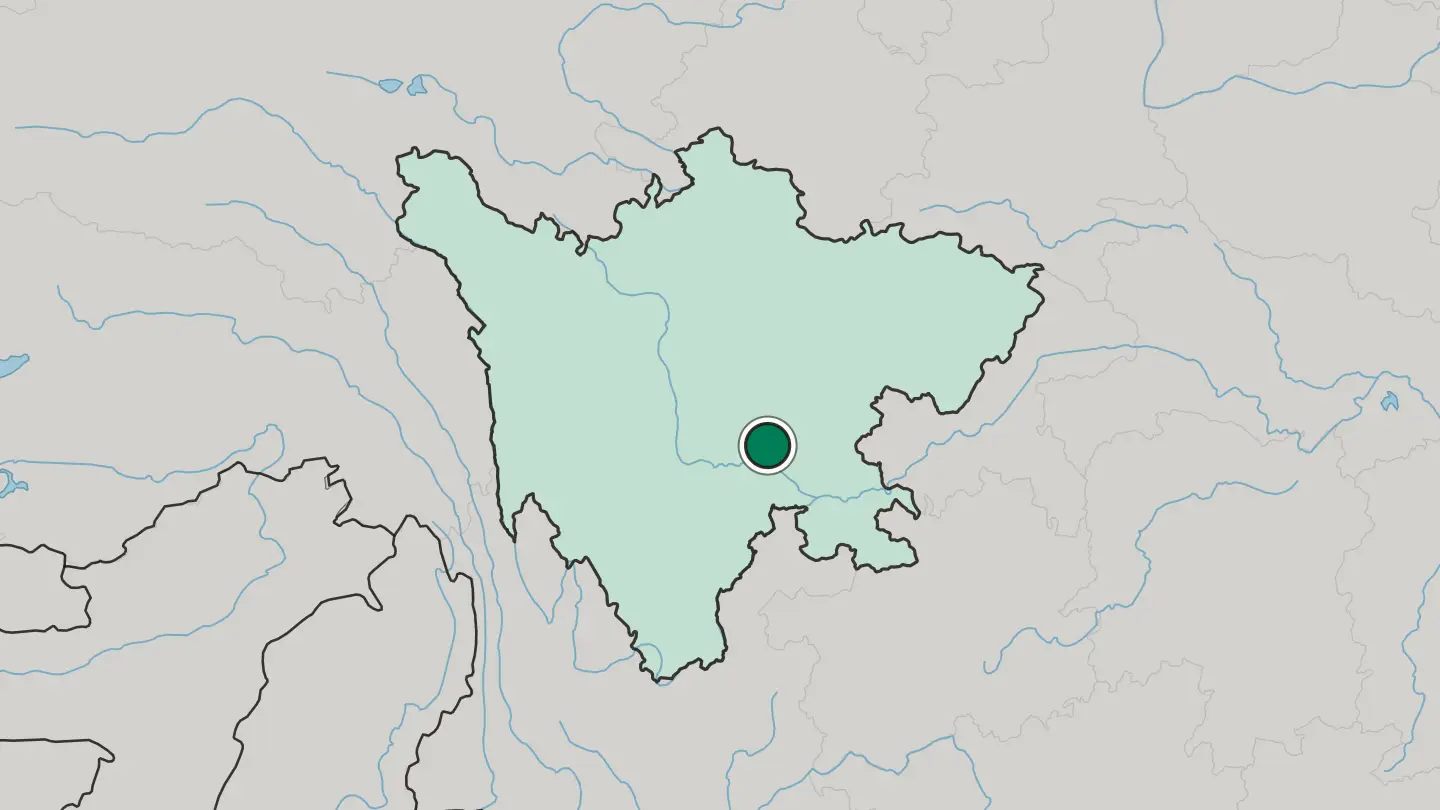
Hotel links are affiliate links: booking through them may earn us a commission, at no extra cost to you. It never affects how places are ranked. How this works
About Sichuan
Three things define Sichuan.
What is Sichuan known for?
Pandas, tongue-numbing food, and a fertile basin walled off by mountains all belong to it. Its cuisine ranks among China's four great culinary traditions, built on dried chilli and the tingling Sichuan peppercorn that leaves your lips buzzing. The bamboo mountains west of Chengdu shelter most of the country's wild giant pandas, and the province leans hard on that fame.
The capital, Chengdu, sits on a plain watered by the Min River. South of it rise Mount Emei's temple-topped peak and the cliff-carved Leshan Giant Buddha.
Where is Sichuan?
Sichuan sits on the upper Yangtze in southwestern China, and it splits cleanly into two worlds. The east is the Sichuan Basin, a low, fertile bowl walled off by mountains on every side and sometimes called the Red Basin for the colour of its sandstone. Chengdu, the capital, stands on the western edge of that bowl on a plain built up by the Min River as it fans out of the hills.
The land is flat here. The Min flows south to meet the main stem of the Yangtze at Yibin, and the whole basin drains into that one great river. West of the basin the ground rises fast.
The mountains there form the easternmost lip of the Tibetan Plateau, a jumble of ranges known collectively as the Hengduan Mountains, cut by deep river gorges and rising well above the tree line. This half of Sichuan is high, thin-aired, and sparsely peopled, the home of Tibetan and Qiang communities in the Ngawa and Garzê prefectures. Chongqing lies off to the east, once part of the province and now a separate municipality.
From the warm paddies of the plain to the snow peaks of the plateau, few places in China pack so much contrast into one province.
What is Sichuan like?
Food is the first thing anyone learns about Sichuan. The province gave China one of its four great cooking traditions, a cuisine that pairs dried chilli with the numbing Sichuan peppercorn to produce the sensation locals call málà. Hotpot is the ritual meal, a bubbling pot of spiced broth shared around a table.
Chengdu, the culinary heart of the province, wears the label of a city built around its kitchens. Teahouses matter here as much as restaurants. People linger over cards and loose-leaf tea for whole afternoons, and that unhurried pace is part of how Sichuan sees itself.
The other emblem is the giant panda. Sichuan calls itself the animal's homeland, and the bamboo mountains west of Chengdu shelter most of the wild population, with breeding bases drawing visitors to the edge of the city. Culture here is not one thing.
The lowland basin speaks Sichuanese Mandarin and follows Han custom, while the western highlands are Tibetan and Qiang, with monasteries, prayer flags, and a different language entirely. That divide between plain and plateau runs through everything, from the food on the table to the faces in the street.
What is the history of Sichuan?
People settled this basin deep in antiquity. Long before imperial China, the ancient states of Ba and Shu grew rich on the plain, and the bronze masks unearthed at Sanxingdui hint at a Shu civilisation unlike anything else in the country. In the year 221 the warlord Liu Bei founded the kingdom of Shu Han here, ruling from Chengdu during the Three Kingdoms era.
The Dujiangyan irrigation works, cut into the Min River centuries before that, still water the plain and rank among the oldest engineering feats on Earth. Conquest, migration, and rebuilding have washed over Sichuan since, but the basin's fertility kept drawing people back.
What is the climate of Sichuan?
The Sichuan Basin has a humid subtropical climate, warm and damp the year round. Fog and low cloud sit over the plain so often that people joke Chengdu is cloudier than London, and the sun can go missing for days. Summers are hot and sticky in the lowland; winters stay cool and grey rather than cold.
Climb west and the picture flips entirely. On the Tibetan Plateau the air turns thin and dry, days are bright, and winter nights on the high valleys fall hard below freezing.
How do you get to Sichuan?
Most travellers land at Chengdu, the gateway for the whole province. Its Tianfu airport, southeast of the city, is one of China's busiest and links Sichuan to flights across the country and beyond. High-speed trains tie Chengdu to the rest of China too, and a rail line runs straight out to the airport in under half an hour.
The basin is easy going. Reaching the western mountains is the harder part, a matter of long switchback roads or short hops by plane, because the plateau's ranges make overland travel slow.
Common questions
What is the best area to stay in Sichuan?
Chengdu: a first visit to Sichuan and its food. The Sichuan Basin: farmland, cities, and panda bases. Mount Emei and Leshan: sacred mountains and the great Buddha. The western highlands: the plateau and Tibetan valleys.
Good for
More regions in China
Updated September 2026