China · Yunnan
Where to Stay in Shangri-La, Yunnan
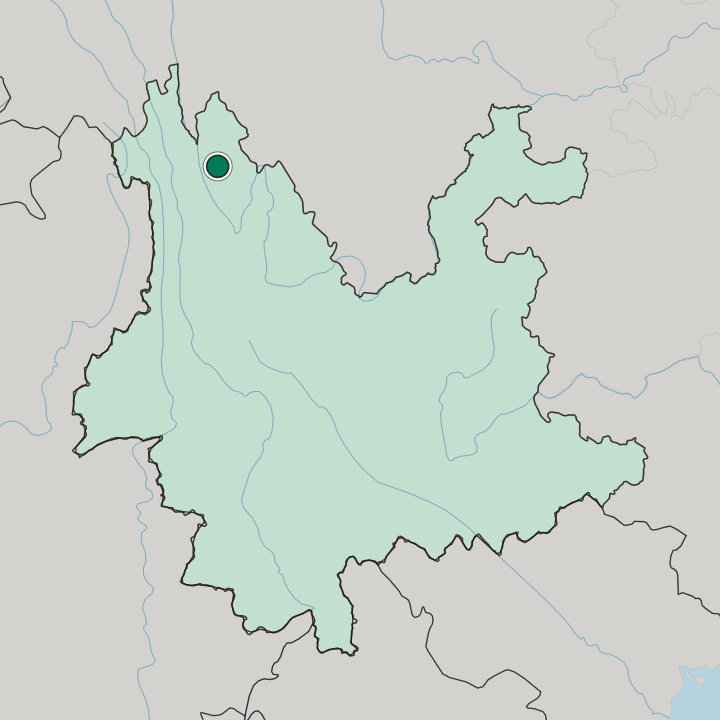
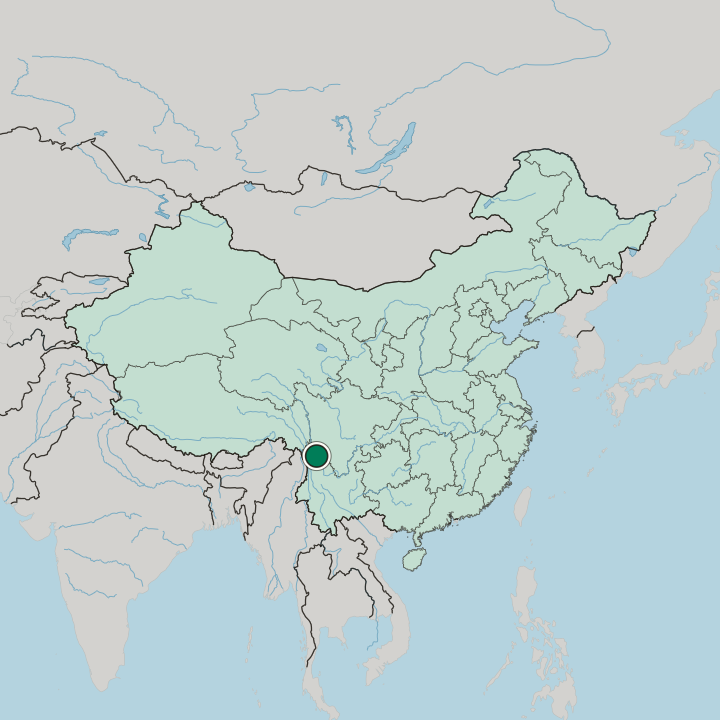
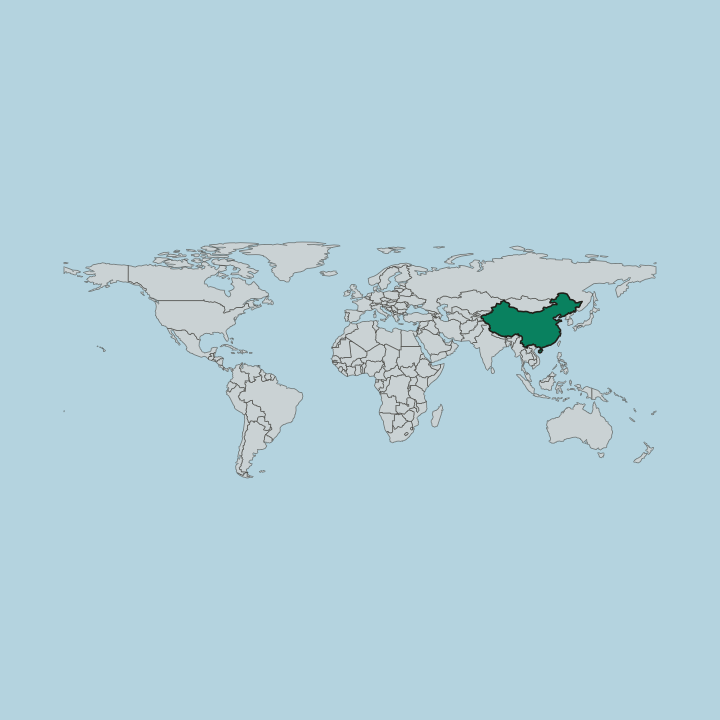
Shangri-La belongs to Yunnan. It is the capital of Diqing Tibetan Autonomous Prefecture, and its name comes from the novel Lost Horizon.
Hotel links are affiliate links: booking through them may earn us a commission, at no extra cost to you. It never affects how places are ranked. How this works


Where to stay in Shangri-La
How the choice of base plays out on the ground.
Book by map rather than by name. The name Shangri-La is attached to places and properties well outside Yunnan, so the single most useful check before paying for a room is that the address sits in this province and this city, not somewhere that borrowed the word. A second town of the same name sits in Sichuan, the access point for Yading National Park, and a listing that mentions it is not this city.
That check takes a minute. Beyond it, the choice comes down to function rather than to any named quarter. A bed close to where buses and long-distance transport arrive suits a short stop, since it removes the transfer at both ends of the visit and leaves the schedule intact.
A bed further out suits a longer stay, when quiet matters more than the walk back from a late arrival and when a day or two will be spent away from the city itself. Ask the property how it is reached, because arrival points and beds are not always as close together as a listing implies. Confirm the language of service too, since Mandarin Chinese is the working language and the address will be written Shangri-La City in local records.
Nothing here rewards guesswork. Fix the location first, and the rest of the stay follows from it.
Things to do in Shangri-La
Ranked by global recognition; descriptions from Wikidata (CC0).
Museums & Galleries
3- 迪庆红军长征博物馆
- Diqing Tibetan Autonomous Prefecture Museum
- 迪庆香巴拉藏文化博物馆
Churches & Religious Sites
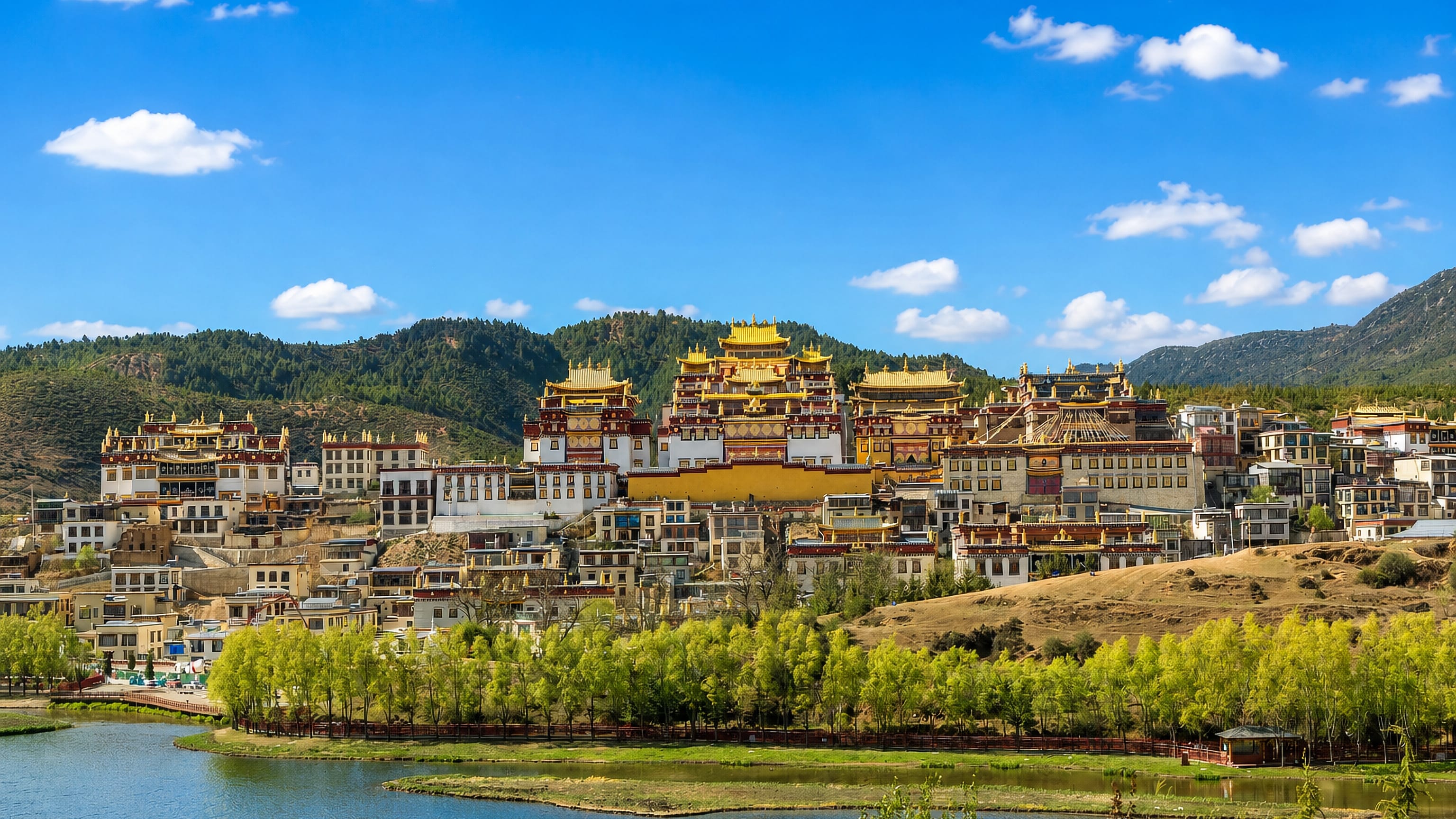
1- Ganden Sumtseling Monastery Heritage
worth knowingacross 2 categories in Shangri-La
About Shangri-La
The name arrived from a novel.
What is Shangri-La known for?
Shangri-La took it from the mythical land in Lost Horizon, published in 1933, and the city carrying it is the capital and largest city of Diqing Tibetan Autonomous Prefecture. Ganden Sumtseling Monastery heads the landmark list, which runs to twelve entries and leans heavily on museums. Baishuitai is on that list too. Lijiang borders it to the south, and Sichuan wraps the city on three sides.
What are the main landmarks in Shangri-La?
Twelve sites carry the label. Ganden Sumtseling Monastery, Baishuitai, Zhongxin Assembly Hall, Jiantang Abu's Old House, the Diqing Prefecture People's Government Site and the Rock Art along Jinshan River make up the half of the register that is not a museum. The other half is museum work.
Diqing Tibetan Autonomous Prefecture Museum is the prefecture's own, and Diqing Red Army Long March Museum, Shangri-La Ancient Tea Horse Road Museum and Shangri-La Dukezong Museum keep their Chinese names in the record, which is worth copying into a search rather than translating.
What is the history of Shangri-La?
Shangri-La begins as a name, not a date. The name was taken from the mythical land in Lost Horizon, a novel published in 1933, and it belongs to a county-level city in northwestern Yunnan. When the change happened is not in the record.
What is fixed is the city's rank: it is the capital and largest city of Diqing Tibetan Autonomous Prefecture, which puts the prefecture's administration, its museums and its records in one place. That rank also explains why so much of the landmark register is institutional, since a prefecture capital collects the museums, the halls and the government sites of the country around it. Borders tell the rest.
Lijiang lies to the south, and Sichuan province runs along the northwestern, northern and eastern edges, so the city sits at the point where Yunnan stops and its neighbour begins. The Diqing Prefecture People's Government Site is on the landmark register, and Diqing Red Army Long March Museum sits beside it there, both of them pointing at a documented past the entry itself does not spell out. Anyone digging further should search the Chinese forms.
Shangri-La City is the official name, and the museum names in the register are written the same way, which is what a local archive or catalogue will answer to.
Where is Shangri-La?
Sichuan is the neighbour on three sides. Shangri-La covers some eleven thousand square kilometres of northwestern Yunnan, with Lijiang bordering it to the south and Sichuan province along the northwestern, northern and eastern edges, so the municipal area is far larger than the built-up part of it. Baishuitai and the Rock Art along Jinshan River sit somewhere in that spread.
Distances are the consequence. A county-level city of this size means a landmark on the register can lie a long way from the seat of Diqing Tibetan Autonomous Prefecture rather than a walk across town.
What is the climate of Shangri-La?
No climate band is recorded against the city, and the entry describes neither its seasons nor its rainfall. Nothing in it supports a description of the weather. A provincial generalisation would be a guess dressed as information, and the honest position is that the seasonal pattern for Shangri-La has to be checked against local sources in Yunnan before a trip is planned around it.
How do you get to Shangri-La?
Nothing in the entry names a road, a line or an airport. Approaches have to be worked out from provincial timetables rather than from anything recorded here, and the practical step is to search the official name Shangri-La City alongside the English one, since the two do not always return the same results. Lijiang is the neighbour to the south.
Allow more time than a map suggests. Yunnan's own transport information is the place to start, and searching under Diqing Tibetan Autonomous Prefecture will widen what comes back.
Good for
More cities in Yunnan
Updated October 2026