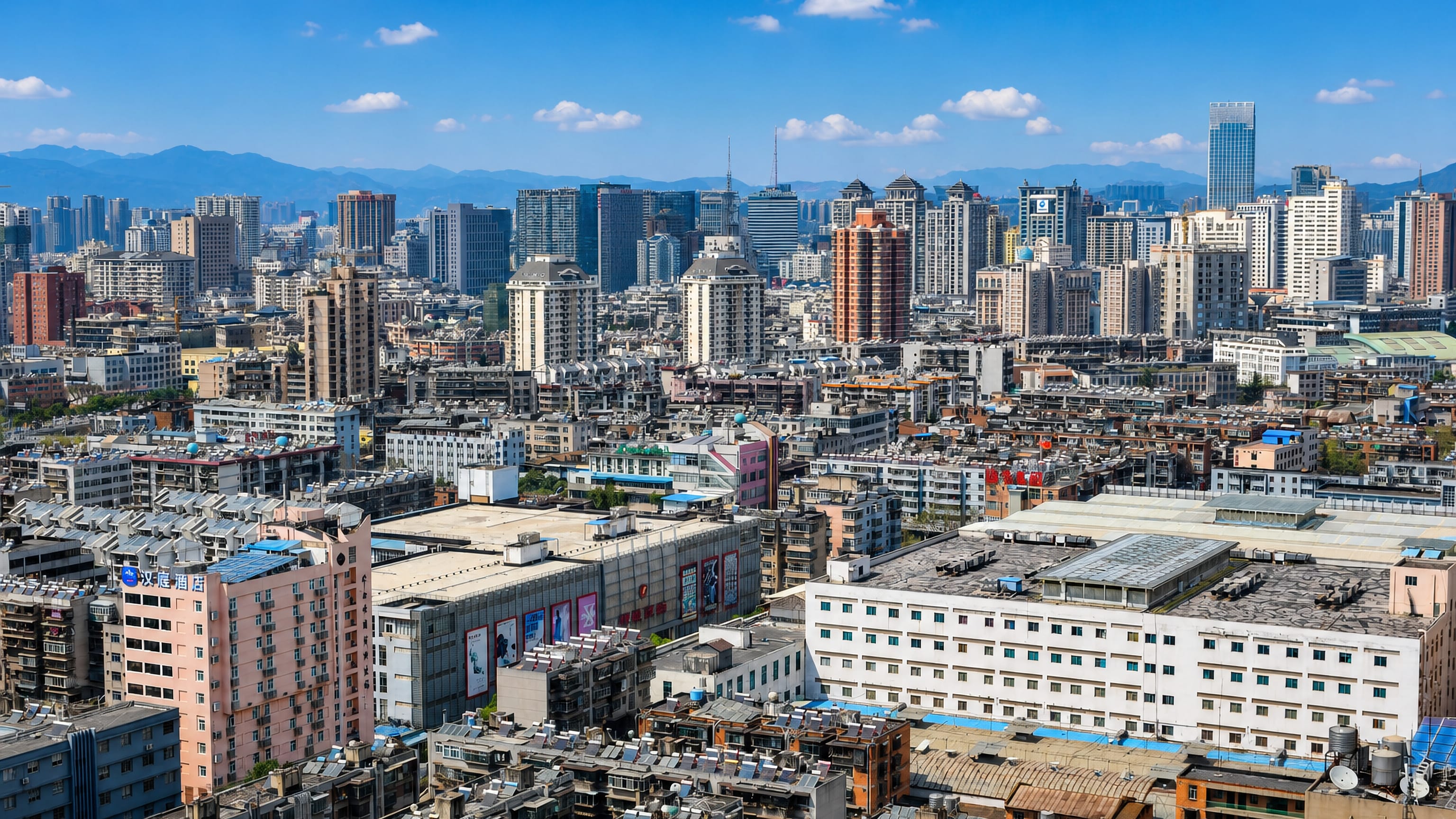
China
Yunnan, China — Towns & Travel Guide
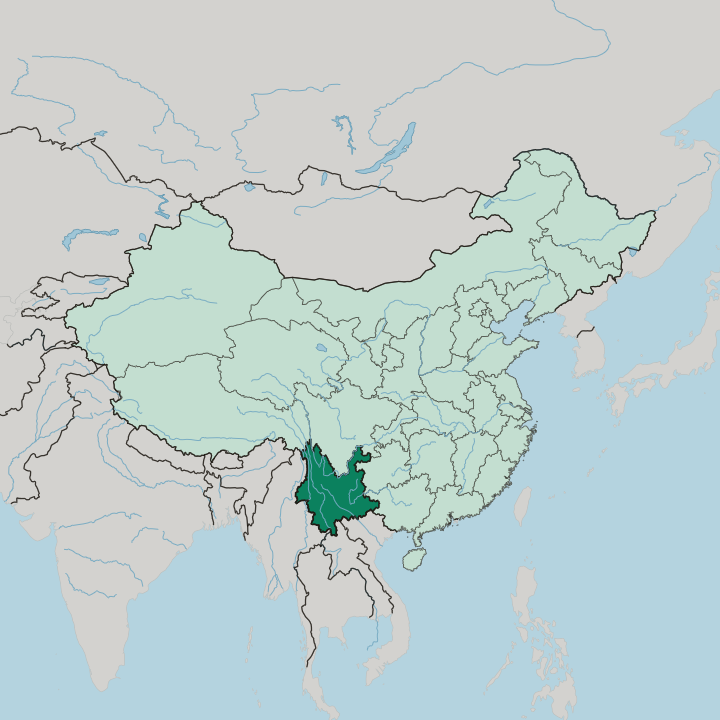
Yunnan fills China's mountainous south-west, where the Yangtze, Mekong and Salween cut parallel gorges down from the Tibetan borderlands.
Hotel links are affiliate links: booking through them may earn us a commission, at no extra cost to you. It never affects how places are ranked. How this works


Towns & cities in Yunnan
Pick a town or city — each links to where to stay.
 China
China
Kunming
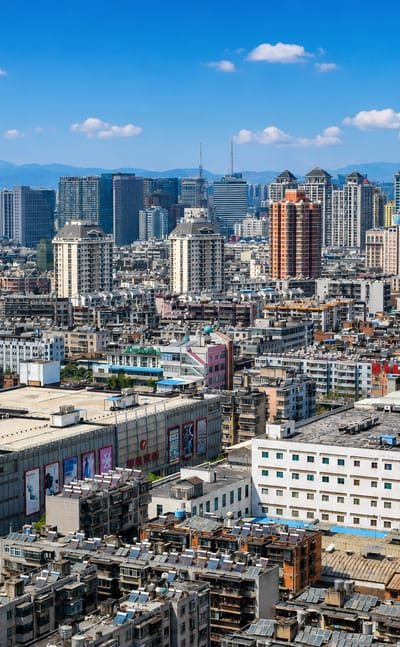
Mild air holds year-round at Kunming, the City of Eternal Spring and capital of Yunnan, a highland city known for its Flying Tigers wartime history.Where to stay →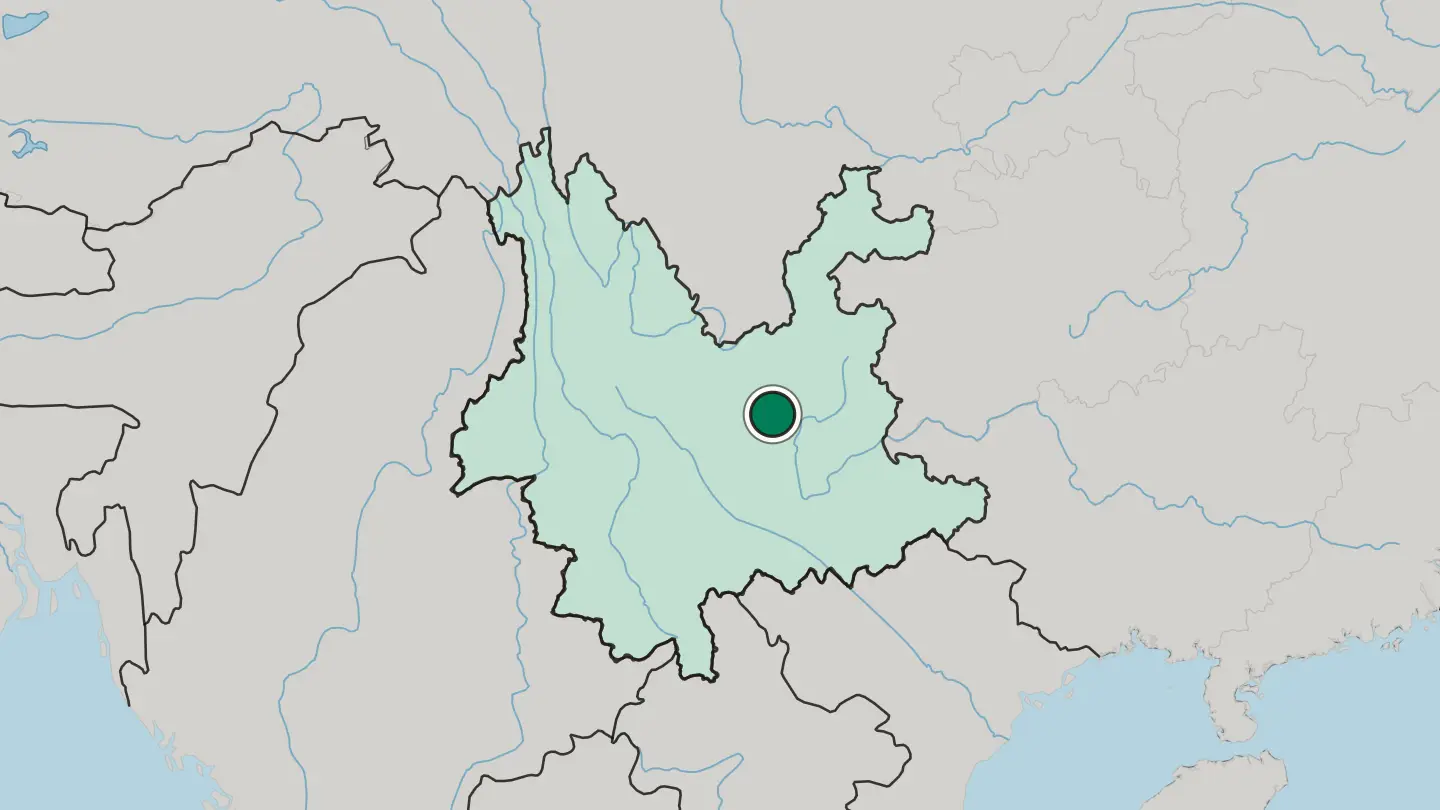
 China
China
Dali
Dali is an ancient walled town of the Bai people in Yunnan, southwest China, between a great lake and high mountains.Where to stay →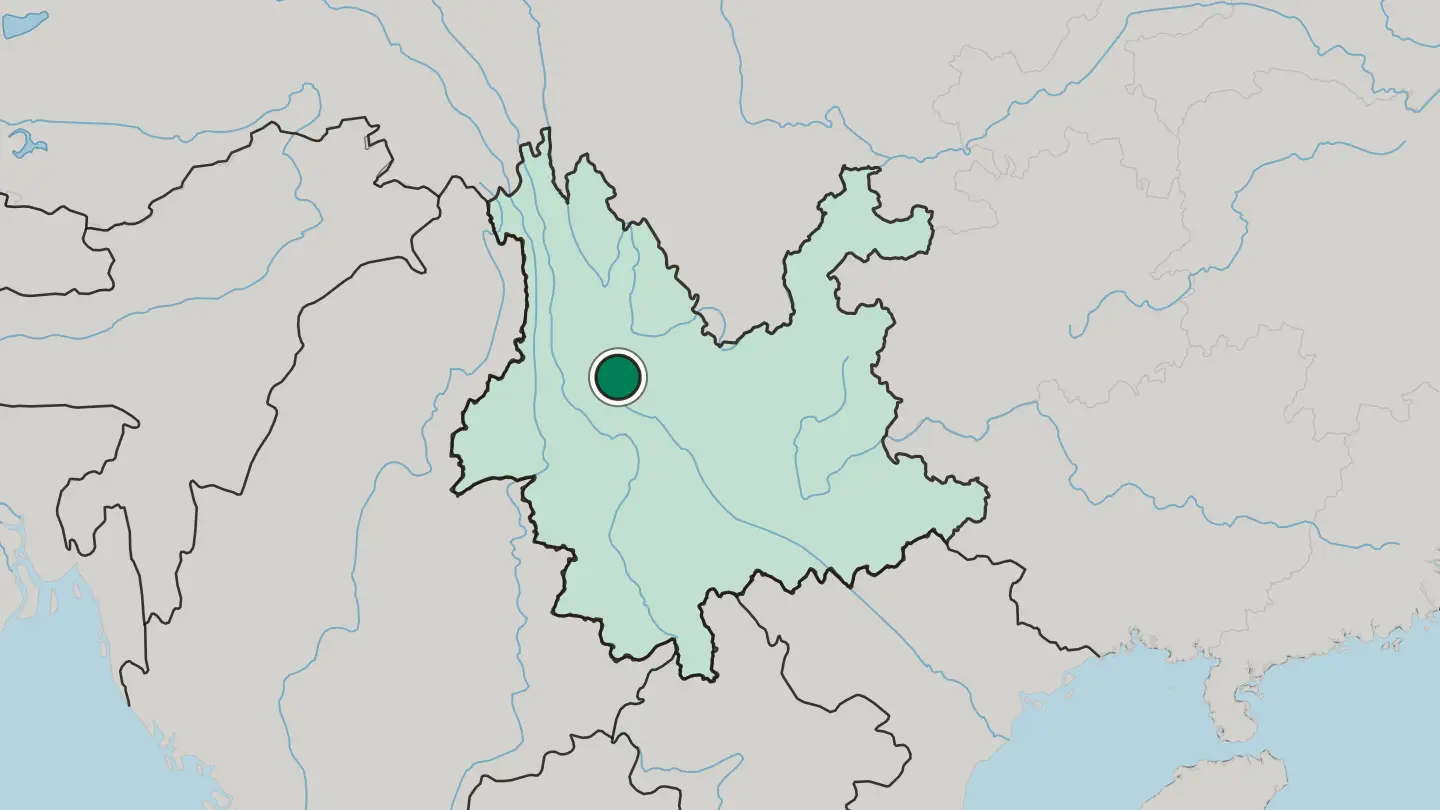
 China
China
Lijiang
Lijiang is an old town of canals and cobbled lanes in the mountains of Yunnan, southwestern China, the old capital of the Naxi people.Where to stay →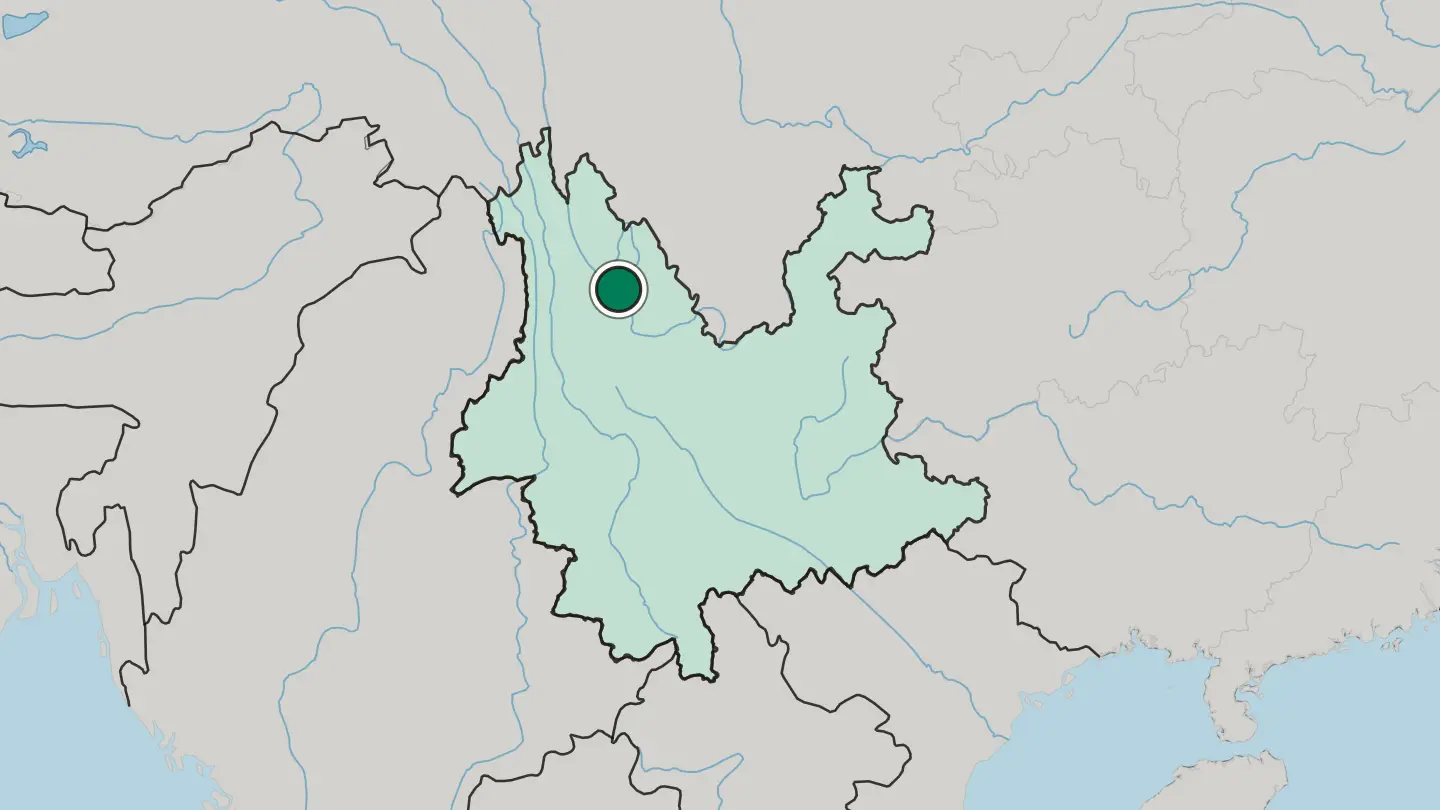
 China
China
Jinghong
Jinghong is the seat of Xishuangbanna Dai Autonomous Prefecture in Yunnan, historic capital of the Tai kingdom of Sipsongpanna.Where to stay →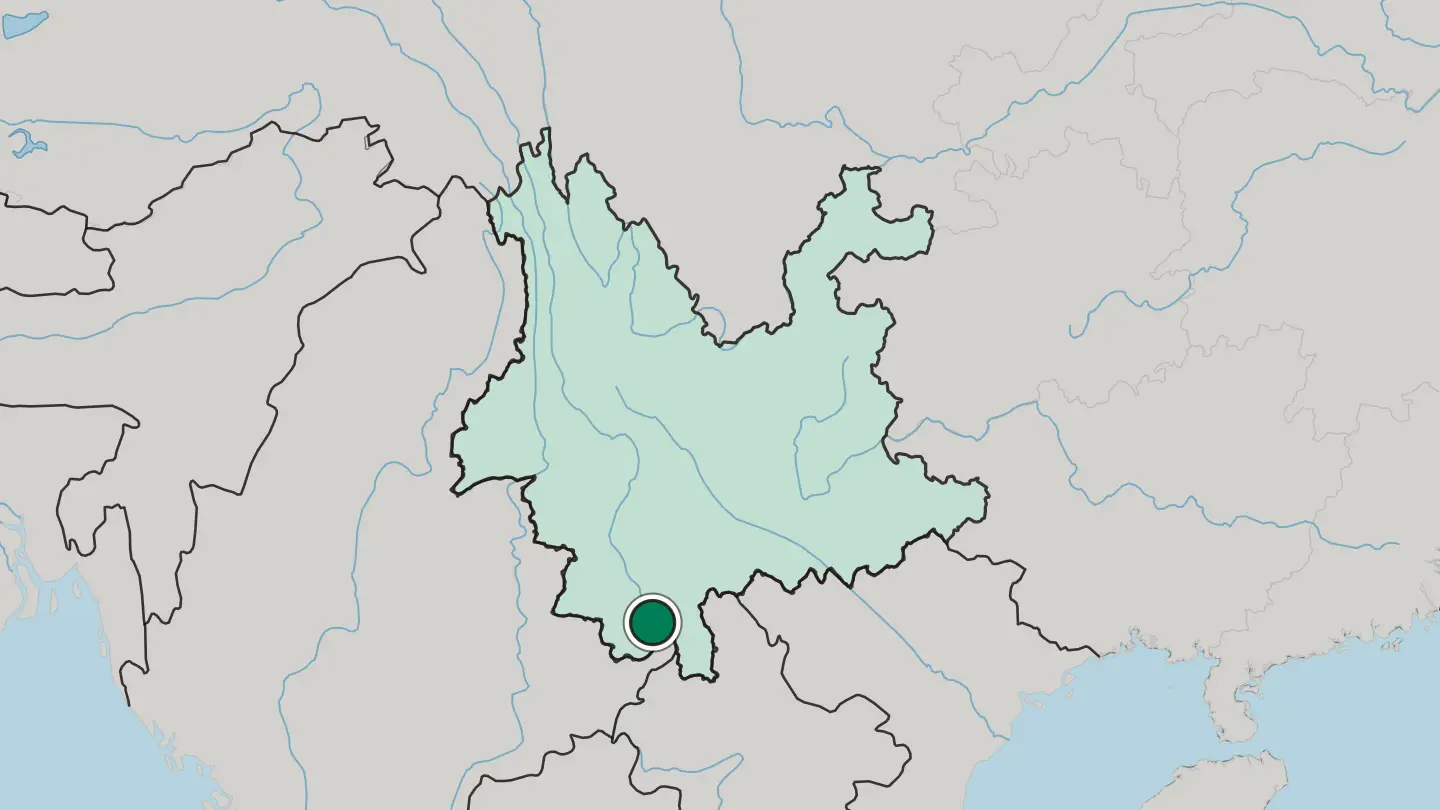
 China
China
Shangri-La
Shangri-La belongs to Yunnan. It is the capital of Diqing Tibetan Autonomous Prefecture, and its name comes from the novel Lost Horizon.Where to stay →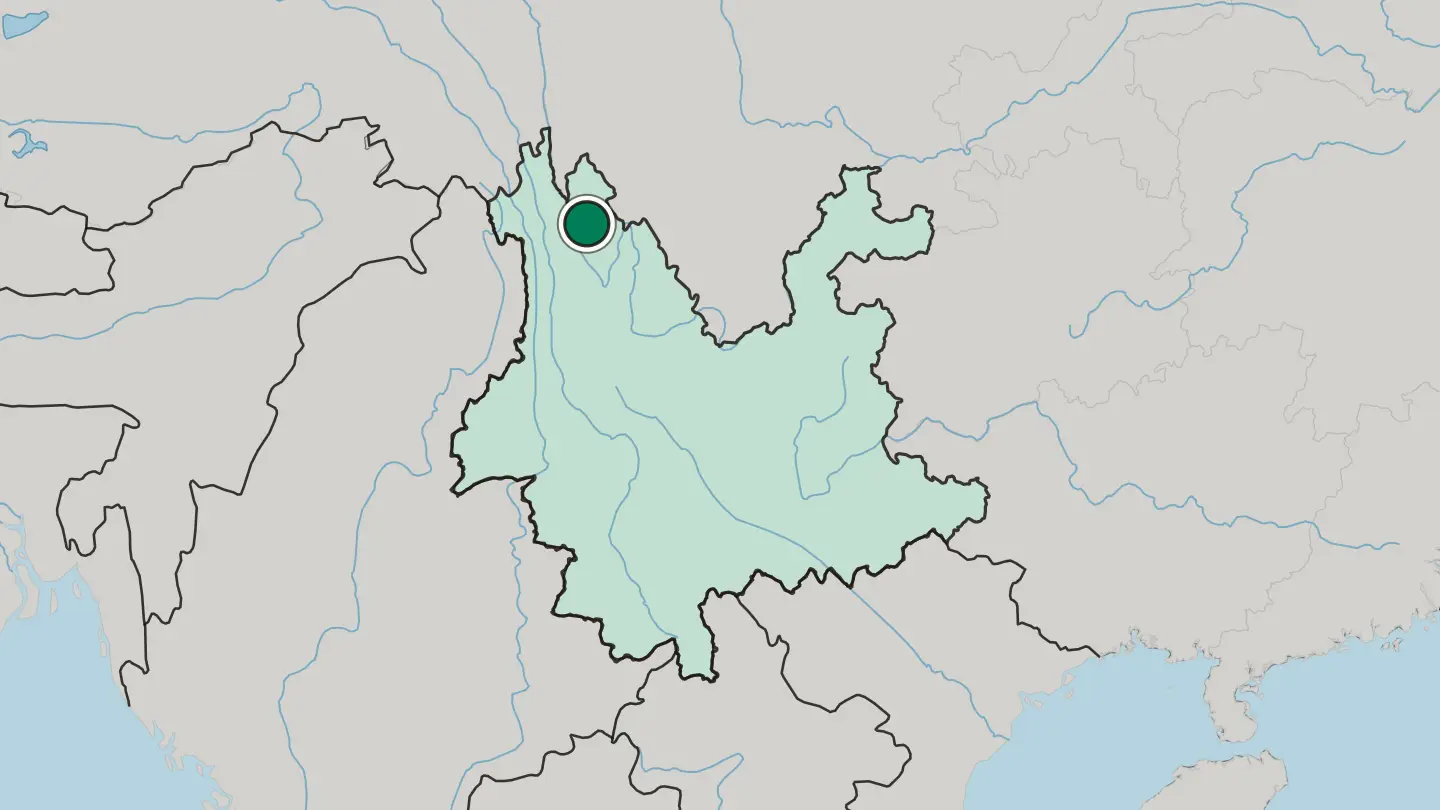
Hotel links are affiliate links: booking through them may earn us a commission, at no extra cost to you. It never affects how places are ranked. How this works
About Yunnan
What is Yunnan known for?
Yunnan is China's most ethnically varied province, home to the Yi, Bai, Naxi and Dai among two dozen recognised minorities. The land does the rest. Snow peaks such as Jade Dragon Snow Mountain rise above Lijiang in the north, while the Mekong runs warm and tropical through Xishuangbanna near the Laos border in the far south.
Kunming, the provincial capital, sits high enough to stay mild through the year, which is why the Chinese call it the Spring City. Old caravan towns, terraced rice hills and the deep cut of Tiger Leaping Gorge fill the space between.
Where is Yunnan?
Yunnan occupies the far south-west corner of China, an inland province wedged against the Southeast Asian frontier. It touches three countries. Myanmar runs along the west, Laos meets the southern tip, and Vietnam borders the south-east, while Guizhou, Guangxi, Sichuan and Tibet ring it on the Chinese side. The land tilts hard from north to south.
In the north the Hengduan Mountains fold down off the Tibetan plateau, and this is where the Yangtze, the Mekong and the Salween squeeze into their famous parallel gorges within a few dozen kilometres of one another. The Yangtze runs here as the Jinsha and knifes through Tiger Leaping Gorge below Jade Dragon Snow Mountain. The Mekong crosses the province as the Lancang before carrying on into Laos, and the Salween drops toward Myanmar as the Nu, the angry river.
A fourth system, the Red River, drains the south-east toward Vietnam. The far south flattens and warms into the tropical basins of Xishuangbanna, where the climate belongs more to Southeast Asia than to China. Between those extremes lie the fault basins the locals call bazi, and it is on one of these, in the centre of the province, that Kunming stands.
Kunming is the hub the whole region turns on.
What is Yunnan like?
No province in China holds more peoples than Yunnan. Twenty-five recognised minorities live here, and fifteen of them exist nowhere else. That mix is the culture.
The Bai built the walled towns and whitewashed courtyard houses around Erhai Lake at Dali, while the Naxi of Lijiang kept the Dongba script, one of the last pictographic writing systems still read anywhere. Down in the tropical south, the Dai of Xishuangbanna are a Tai people, closer in language and in their water-splashing new year to the Thai and the Lao than to the Han. Largest of all are the Yi, scattered through the eastern hills.
Each carries its own dress, festival calendar and tongue. Buddhism arrived in many forms and stayed: Tibetan monasteries hold the northern highlands around Shangri-La, and gilded Theravada temples mark the Dai villages near the Mekong. Food shifts as the peoples do, from the cured hams and wild mushrooms of the cool plateau to the sour, herb-heavy dishes of the hot south.
Caravan trade left its mark too, in market towns strung along routes that once carried tea north to Tibet. Kunming ties the strands together as the place they all pass through.
What is the history of Yunnan?
Yunnan spent most of its history outside China's grasp. From its base at Dali the Nanzhao kingdom rose in the year 738 and grew strong enough to fight the Tang empire and Tibet at once. A Buddhist Dali kingdom followed in 937.
That independence ended when the armies of Kublai Khan's Yuan dynasty overran the region in 1253 and folded it into China for good. Trade outlasted the kings. Long after, mule caravans on the Tea Horse Road still carried Yunnan tea north over the mountains to Tibet.
What is the climate of Yunnan?
Altitude, not season, decides the weather in Yunnan. Kunming sits high enough on its plateau to stay mild the year round, earning it the Spring City name, while the tropical basins of Xishuangbanna near the Mekong run hot and humid on the Southeast Asian pattern. Monsoon winds off the Indian and Pacific oceans bring a wet summer and a dry, sunny winter across most of the province.
Go north into the Hengduan Mountains toward Shangri-La and it turns alpine, with snow on the high passes. One province holds several climates at once.
How do you get to Yunnan?
Most travellers fly into Kunming. Changshui airport is the region's main gateway, with direct links across China and into Southeast Asia, and the capital's high-speed rail carries on from there to Dali, Lijiang and beyond. The far south now connects by train too, on the line that runs down through the province and across the border into Laos.
Overland routes climb north toward Tibet and cross the western frontier into Myanmar. Once you are in, road and rail thread between the mountain towns.
Common questions
What is the best area to stay in Yunnan?
Kunming: arriving in Yunnan and acclimatising before the mountains. Dali: lakeside towns and Bai culture. Lijiang: the Naxi old town and northern peaks. Shangri-La: Tibetan highland monasteries.
Good for
More regions in China
Updated September 2026