China · Yunnan
Where to Stay in Dali, Yunnan
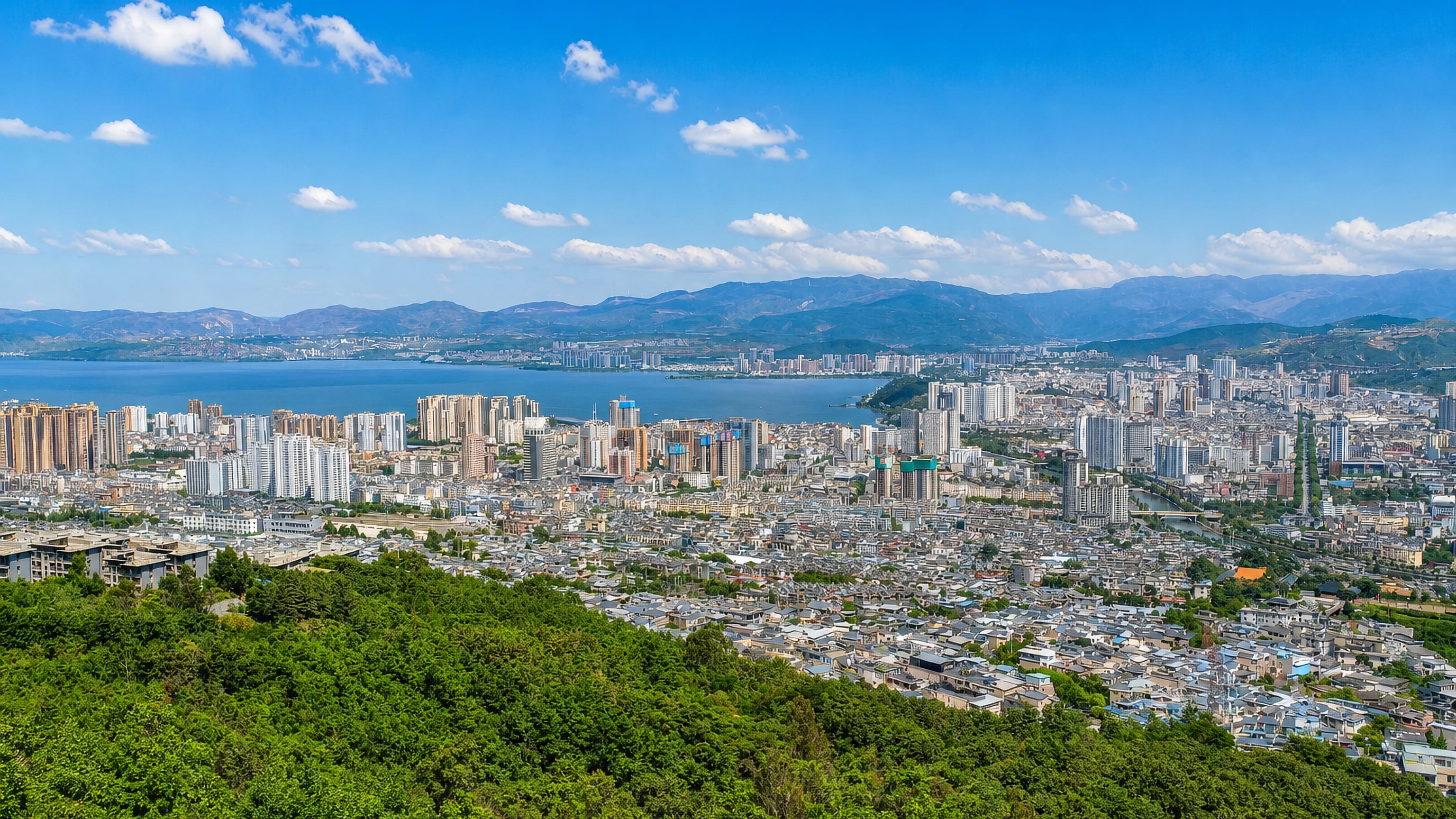
Dali is an ancient walled town of the Bai people in Yunnan, southwest China, between a great lake and high mountains.
Hotel links are affiliate links: booking through them may earn us a commission, at no extra cost to you. It never affects how places are ranked. How this works


Where to stay in Dali
Where the beds are, and what that means for the visit.
Where you stay in Dali turns on the old town or the lake. The walled old town keeps the gates, the cafés, and the Bai streets within a walk, and staying inside the walls suits anyone here for the history. The old lanes fill with travellers.
Rooms sit near the gates. Out along the Erhai shore and the villages, the guesthouses look over the water. A room by the lake trades the old town for the views, the fields, and the quiet of the Bai villages.
The blue water opens past the edge. If you want the walls and the cafés, stay in the old town; if you want the lake, take a room on the shore. Walls or shoreline, the old town stays within reach.
Find hotels in Dali
Direct booking searches for these neighbourhoods.
The old town
Inside the walls within a walk of the cafés and templesFind hotels in The old townStays wanting the lake views and villagesThe Erhai shore
Along the lake among the Bai villages and fieldsFind hotels in The Erhai shoreHotel links are affiliate links: booking through them may earn us a commission, at no extra cost to you. It never affects how places are ranked. How this works
Things to do in Dali
Ranked by global recognition; descriptions from Wikidata (CC0).
Museums & Galleries
3- Zhou Baozhong Memorial Hall Heritage
- Dali Bai Autonomous Prefecture Museum
- Dali Prefecture Intangible Cultural Heritage Museum
Churches & Religious Sites
2- Sacred Heart Cathedral of Dali Heritage
- Christ Church of Dali Heritage
Castles & Historic Sites
2- Taihe City Ruins Heritage
- Jinsuo Island archaeological site Heritage
Nature & Outdoors
1- Little Putuo Heritage
Landmarks & Notable Places
2- Linden Centre Heritage
- 双鹤桥 Heritage
worth knowingacross 5 categories in Dali
About Dali
Dali is the old Bai capital by the Erhai lake.
What is Dali known for?
Below the Cangshan mountains and above the water, it was the seat of the Nanzhao and Dali kingdoms that ruled the southwest for centuries, and it keeps its old walled town, the three tall pagodas at the Chongsheng temple, and the lanes of the Bai people. The blue lake lies below. Lake and mountains mark the city.
What are the main landmarks in Dali?
The Three Pagodas rise white above Dali. The tall brick towers of the Chongsheng temple, more than a thousand years old, stand against the Cangshan mountains, the emblem of the city, north of the walls. An old town lies below.
The walled streets of Dali keep the gates, the Bai houses, and the Confucian temple, while the tomb of Du Wenxiu and the museum mark the old town of Dali.
What is the history of Dali?
Dali was the heart of two great kingdoms. In the eighth century the Nanzhao kingdom rose by the Erhai lake and grew strong enough to fight the Tang empire and the Tibetans, and after it came the kingdom of Dali, which ruled the southwest for three hundred years. The Bai built temples and towns.
They raised the three tall pagodas that still stand, walled cities on the plain, and shrines in the hills, until the Mongols of Kublai Khan swept in and took the land for China. Under the empire Dali stayed a frontier town. It guarded the road to Burma and the southwest, traded in tea and horses, and kept the ways of the Bai.
In the nineteenth century it rose in revolt. Du Wenxiu led the Muslim people of Yunnan against the empire and held Dali for years, until the rising was crushed and the old town fell quiet. The three pagodas still stand by the lake.
Dali keeps its walls and its lake in Yunnan.
Where is Dali?
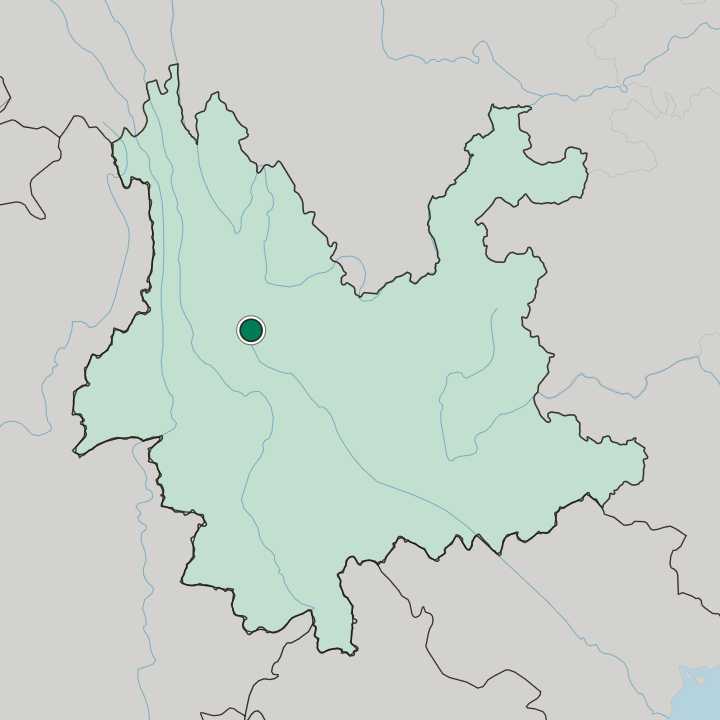
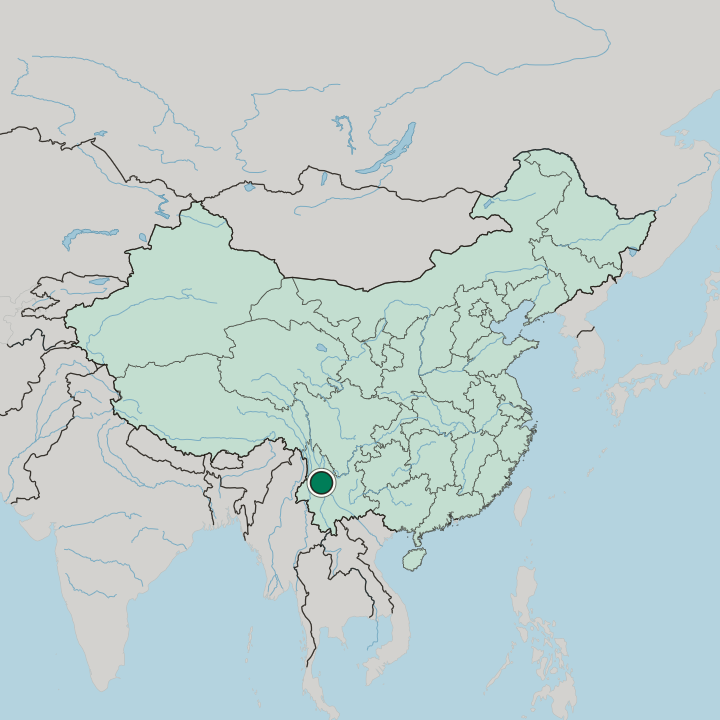
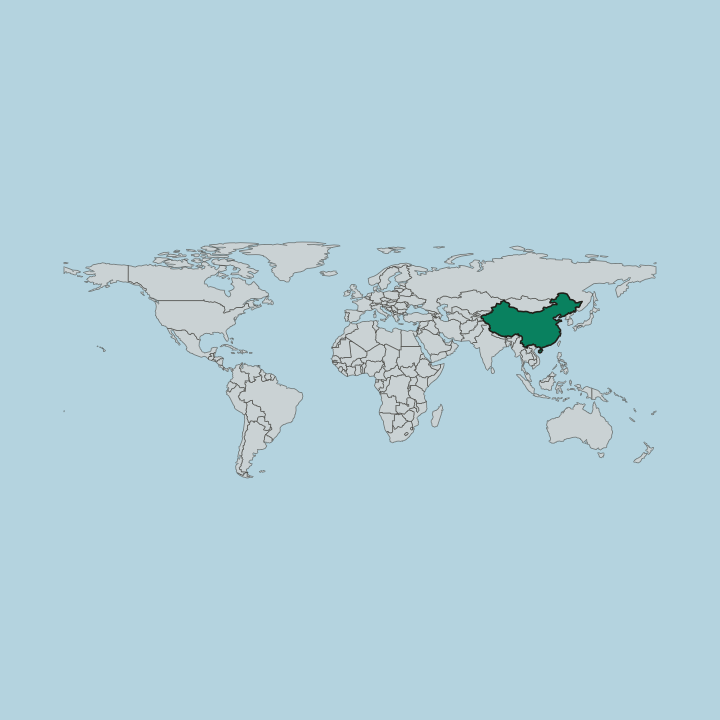
Dali lies on the western shore of Erhai lake in Yunnan, southwest China. The town sits on a narrow plain between the water and the Cangshan range, whose nineteen peaks rise green and often capped with snow, in the far southwest of the land. High ridges wall the west.
The blue lake fills the valley floor.
What is the climate of Dali?
Dali has a mild highland climate. Warm, dry days and cool nights cross the year, and a wet season brings the summer rains off the lake, while the winters stay clear and cool at height. Wind blows strong across the water in spring.
The mountain air stays fresh and cool.
How do you get to Dali?
Dali lies by the Erhai lake in western Yunnan, southwest China. Fast trains and the expressway run to it from Kunming across the hills, and an airport lies near the lake, while roads climb west toward Lijiang and Burma. Buses reach the lakeside towns around.
Most arrive by rail from Kunming.
Common questions
What is the best area to stay in Dali?
The old town: Visitors here for the walls, gates, and Bai streets. The Erhai shore: Stays wanting the lake views and villages.
Good for
More cities in Yunnan
Updated October 2026