China · Yunnan
Where to Stay in Kunming, Yunnan
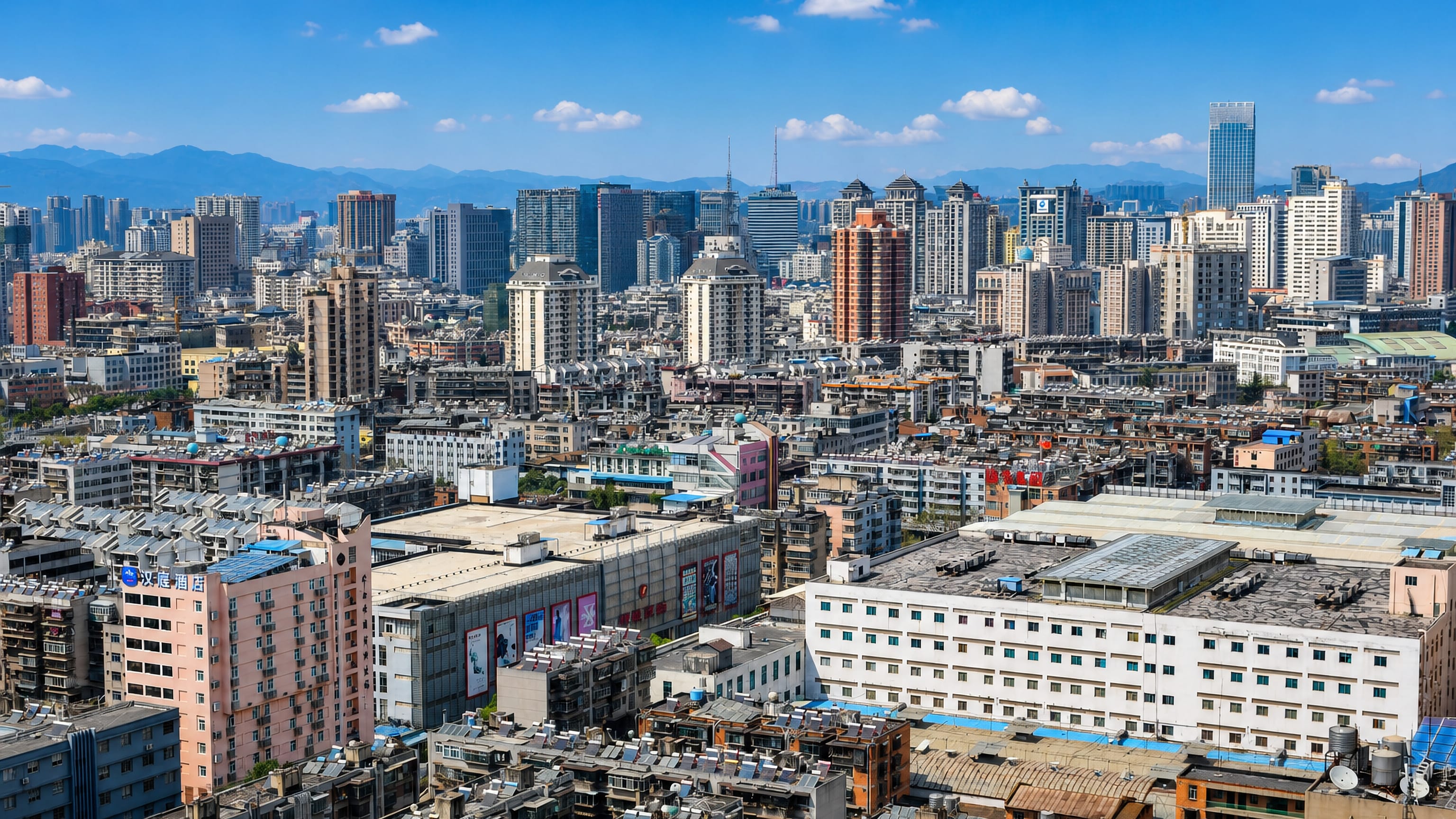
Mild air holds year-round at Kunming, the City of Eternal Spring and capital of Yunnan, a highland city known for its Flying Tigers wartime history.
Hotel links are affiliate links: booking through them may earn us a commission, at no extra cost to you. It never affects how places are ranked. How this works


Where to stay in Kunming
Where the beds are, and what that means for the visit.
Kunming spreads across a broad highland basin, so where you stay depends on how close you want to be to the old centre and its transport. The districts around the central squares and the Kunming Museum hold much of the city's shopping, food, and older hotels, and they suit you if you want the heart of the City of Eternal Spring on your doorstep. The streets stay walkable and green.
Around the university quarter, guesthouses and smaller hotels gather near cafes and bookshops, a livelier and cheaper base for younger travellers and those bound onward into Yunnan. Newer business hotels stand toward the eastern and southern districts by the wide avenues and the rail links, quieter and better for anyone with an early train or a car. Farther out, resort hotels sit by the lakeshore and the hills at the edge of the plateau.
Beds run plentiful across the mild-weather city all year, though rooms fill when travellers gather to set out across the province.
Find hotels in Kunming
Direct booking searches for these neighbourhoods.
Central squares
Shopping, food, and older hotels around the Kunming Museum in the heart of the highland city.Find hotels in Central squaresbudget and cafesUniversity quarter
Guesthouses among the bookshops and cafes, a base for onward travel into Yunnan.Find hotels in University quarterspace and rail linksEastern business districts
Newer hotels on the wide avenues near the stations at the edge of the City of Eternal Spring.Find hotels in Eastern business districtsHotel links are affiliate links: booking through them may earn us a commission, at no extra cost to you. It never affects how places are ranked. How this works
Things to do in Kunming
Ranked by global recognition; descriptions from Wikidata (CC0).
Museums & Galleries
3- Kunming Natural History Museum of Zoology
- Yunnan Railway Museum
- Kunming Museum
Churches & Religious Sites
1- Yunnan Trinity International Church
worth knowingacross 2 categories in Kunming
About Kunming
What is Kunming known for?
Kunming is known as the City of Eternal Spring, the capital and largest city of Yunnan, set high on the plateau of southwest China where the air stays mild through the year. It is the province's gateway and its cultural heart. Museums fill the city, from the Kunming Museum to the Yunnan Art Museum, and its wartime past lives on at the Kunming Flying Tigers Memorial and along the old Burma Road.
Spring seems to linger here. Kunming draws travellers heading deeper into Yunnan.
What are the main landmarks in Kunming?
Kunming gathers many of its landmarks in museums and memorials of the wartime years. The Kunming Flying Tigers Memorial and the Victory over Japan Memorial Hall honour the city's role as a military centre in the Second World War, when the Burma Road ended here. History runs deep.
The Yunnan Military Academy History Museum and Zhu De's Former Residence recall the province's part in China's revolutions, and the Kunming Museum and Yunnan Art Museum hold its wider collections. The Kunming Natural History Museum of Zoology and the Kunming Zoo draw families to the plateau capital.
What is the history of Kunming?
Kunming has commanded the highland routes of Yunnan for many centuries. The city grew on the plateau of southwest China as the natural hub of the province, a market and administrative seat where the roads of the mountainous frontier converged on the mild basin. Its distance from the rest of the country and its temperate air set it apart, and it gathered the peoples and trade of the surrounding highlands into one provincial capital, the seat from which Yunnan was governed.
The twentieth century thrust the city onto the world stage. During the Second World War Kunming became a vital military centre, the terminus of the Burma Road that carried supplies into China when the coast was cut off, and the base of the American volunteer pilots remembered at the Kunming Flying Tigers Memorial. Airfields and academies ringed the city.
The Yunnan Military Academy trained officers who shaped the era, and figures such as Zhu De passed through, their traces kept at Zhu De's Former Residence. Victory came at last, marked by the Victory over Japan Memorial Hall. In the decades since, Kunming has grown into the transport and cultural centre of Yunnan, the City of Eternal Spring where travellers gather before setting out for the province's mountains and borders.
Where is Kunming?
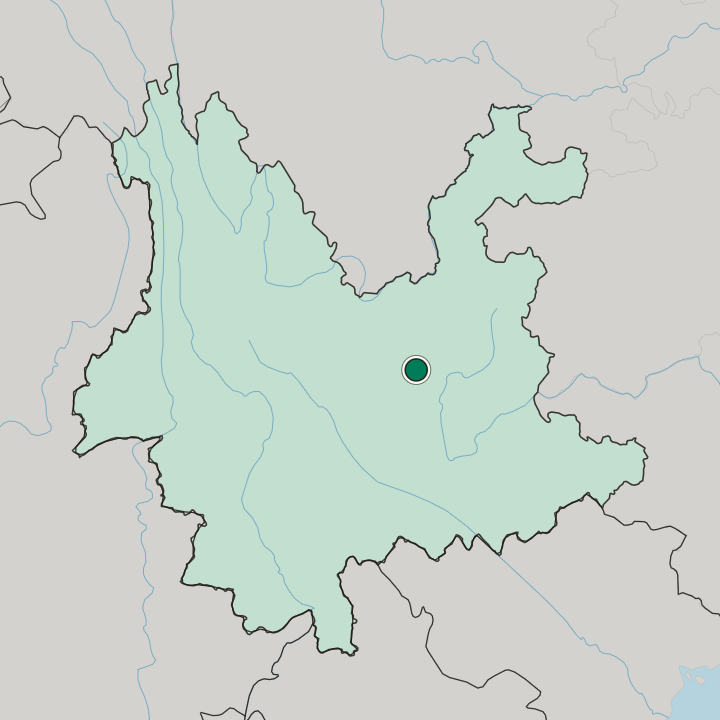
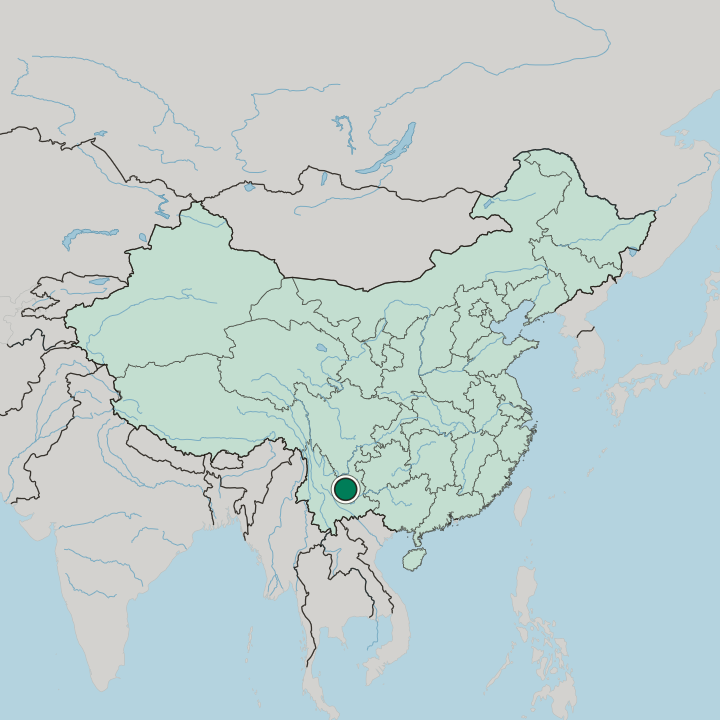
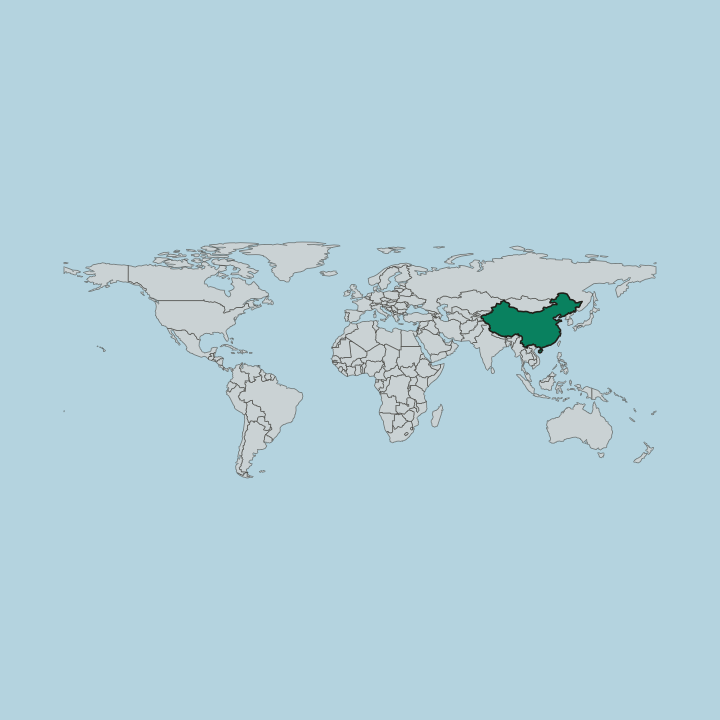
Kunming lies on a high plateau in Yunnan, in the mountainous southwest of China, far from any sea. The city sits in a broad basin. Green hills and ranges ring the highland floor, and a large lake spreads at the southern edge of the city, so the built ground fills the level land between the water and the surrounding heights.
Though it sits far south in a near-tropical belt, its considerable elevation lifts it into cool, temperate air, and the plateau rolls away in ridges and valleys toward the borderlands of Yunnan.
What is the climate of Kunming?
Kunming earns its name, the City of Eternal Spring, with one of the mildest climates in China. Winters are dry and sunny. The great elevation of the Yunnan plateau tempers the near-tropical south, so the cold season stays gentle and bright, though it can snow in the depth of winter and turns cold when the rain comes.
Summers are warm rather than hot, cooled by the highland air and freshened by the wet-season rains that green the basin. Spring and autumn run long and equable.
How do you get to Kunming?
Kunming is the transport hub of Yunnan and the usual first stop into the province. Its airport is a major one. Flights link the highland city to cities across China and to Southeast Asia, one of the country's busiest gateways in the southwest, while high-speed trains climb to the plateau to tie Kunming into the national rail network.
The old routes matter too, for the wartime Burma Road and the historic Yunnan railway both ran from here, recalled at the Yunnan Railway Museum. Roads fan out across the province toward its mountains and borders.
Common questions
What is the best area to stay in Kunming?
Central squares: first-time visitors. University quarter: budget and cafes. Eastern business districts: space and rail links.
Good for
More cities in Yunnan
Updated September 2026