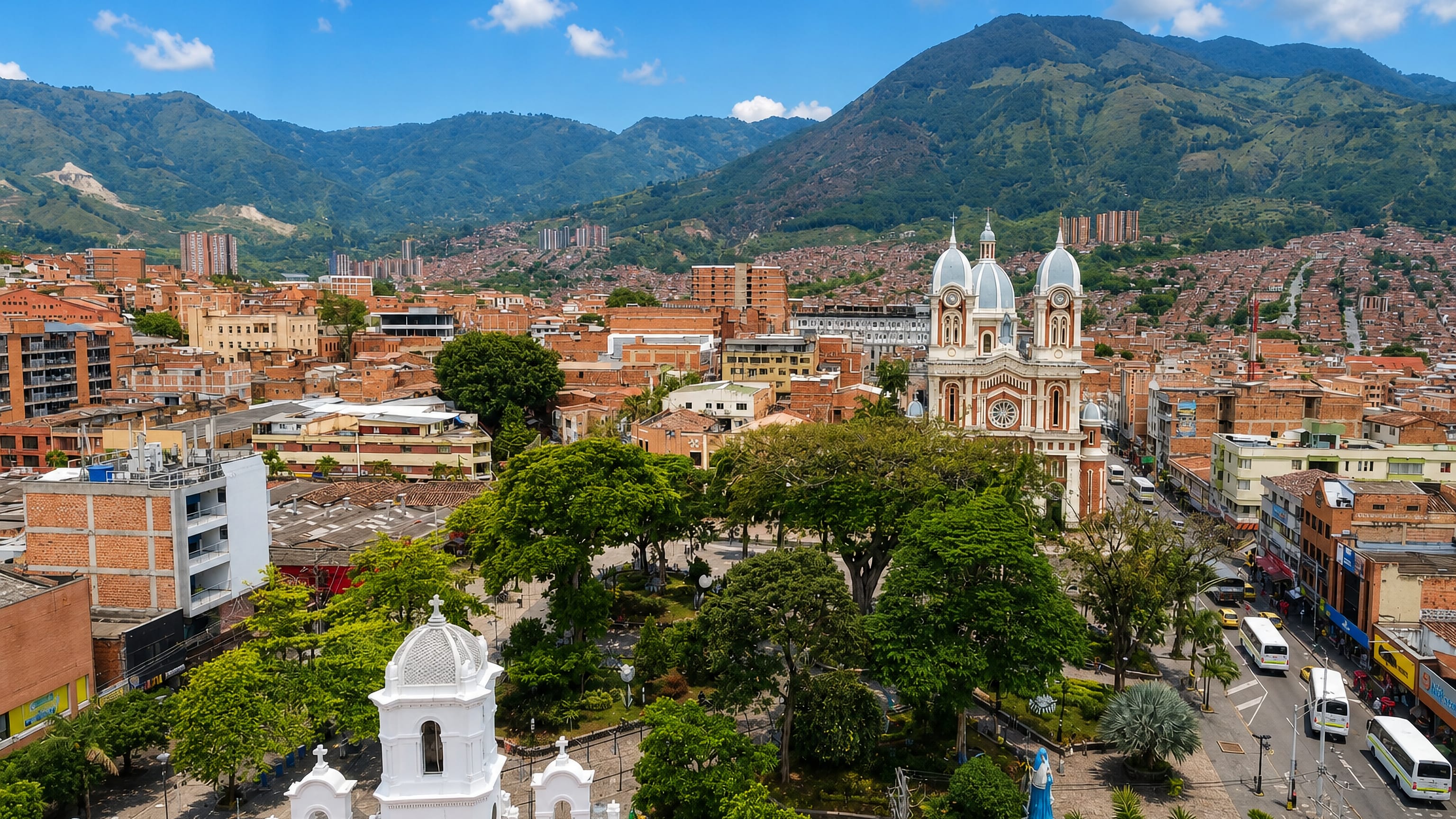
Colombia · Departamento de Antioquia
Where to Stay in Bello, Departamento de Antioquia
Bello, an Antioquia town of 1676 also recorded as Hatoviejo, keeps the Museo Choza Marco Fidel Suárez and the Estación del Ferrocarril Bello.
Hotel links are affiliate links: booking through them may earn us a commission, at no extra cost to you. It never affects how places are ranked. How this works


Where to stay in Bello
The practical side of choosing where to sleep.
The plaza at the Iglesia Nuestra Señora del Rosario, Bello sets the terms for a stay. Almost everything a short visit needs gathers around that dedication: the parish church under both of its recorded names, the civic ground where the Monumento a Marco Fidel Suárez stands, and the plain town lodging that comes with a working Antioquia centre rather than with a resort. Rooms are ordinary here.
Most people take that trade without complaint, because the reason to sleep in Bello is nearness to one specific errand rather than any expectation that the town will fill an unstructured week. Two other anchors pull at the choice. The Museo Choza Marco Fidel Suárez asks for a morning of its own, and basing within walking reach of it suits a traveller whose interest in Bello is the man the town commemorates rather than the streets themselves.
The Estación del Ferrocarril Bello is the other pole. A room near the old station keeps the railway chapter in view and puts road connections close, which suits anyone for whom the line is part of the reason to come. Hatoviejo is the older name.
Anyone searching under that word will land on the same municipality, since the iglesia de Nuestra Señora del Rosario de Hatoviejo keeps it in daily use, and nothing in the town's own signage treats the two names as belonging to different places.
Find hotels in Bello
Direct booking searches for these neighbourhoods.
The parish plaza
The civic block holding the parish church and the Monumento a Marco Fidel Suárez, walkable end to endFind hotels in The parish plazaVisitors here for Marco Fidel Suárez and the choza itselfAround the Museo Choza
The quieter ground within walking reach of the Museo Choza Marco Fidel Suárez. Few places to stay nearby — book ahead.Find hotels in Around the Museo ChozaTravellers using Bello as a road base in AntioquiaBy the old station
Rooms near the Estación del Ferrocarril Bello, closest to the connections out of townFind hotels in By the old stationHotel links are affiliate links: booking through them may earn us a commission, at no extra cost to you. It never affects how places are ranked. How this works
Things to do in Bello
Ranked by global recognition; descriptions from Wikidata (CC0).
Museums & Galleries
1- Museo Choza Marco Fidel Suárez
Churches & Religious Sites
2- iglesia de Nuestra Señora del Rosario de Hatoviejo Heritage
- Iglesia Nuestra Señora del Rosario, Bello
Castles & Historic Sites
2- Estación del Ferrocarril Bello Heritage
- Monumento a Marco Fidel Suárez
worth knowingacross 3 categories in Bello
About Bello
Marco Fidel Suárez is the name that carries.
What is Bello known for?
Bello commemorates him twice over, at the Monumento a Marco Fidel Suárez and at the Museo Choza Marco Fidel Suárez, which is built around the humble dwelling the word choza refers to rather than around any grand civic hall. The rest is parish ground. The Iglesia Nuestra Señora del Rosario, Bello and the iglesia de Nuestra Señora del Rosario de Hatoviejo carry a single dedication under two names, and the Estación del Ferrocarril Bello records the years when a line reached this part of Antioquia.
What are the main landmarks in Bello?
Five names carry the town. The iglesia de Nuestra Señora del Rosario de Hatoviejo and the Iglesia Nuestra Señora del Rosario, Bello set down one dedication twice, once under the old name and once under the current one. Marco Fidel Suárez takes the next two.
The Monumento a Marco Fidel Suárez holds the civic ground while the Museo Choza Marco Fidel Suárez preserves the modest house the name points to, and the Estación del Ferrocarril Bello closes the list with the railway's own contribution to Antioquia.
What is the history of Bello?
1676 is the year on record. A settlement stood here under the name Hatoviejo before the word Bello attached to it, and the survival of that older name in the iglesia de Nuestra Señora del Rosario de Hatoviejo is the plainest evidence a walker will find of the change. The dedication never moved.
Nuestra Señora del Rosario remained the patron through the renaming, so the Iglesia Nuestra Señora del Rosario, Bello continues what the Hatoviejo church began, and the two entries in the heritage record describe one unbroken act of worship rather than two rival foundations. Marco Fidel Suárez is the second thread. Bello keeps two separate memorials to him, the Monumento a Marco Fidel Suárez on the civic ground and the Museo Choza Marco Fidel Suárez around the modest dwelling his name is tied to, and both belong to this municipality rather than to any larger city of Antioquia.
The railway came last. Estación del Ferrocarril Bello dates the arrival of the line, and the station is listed as a landmark in its own right, which is how that chapter stays legible in a town whose other monuments are ecclesiastical or commemorative. Nothing here is grand.
The interest of the place lies in how completely a small Antioquia municipality has managed to keep the physical evidence of its own renaming, its own patron and its own one famous name.
Where is Bello?
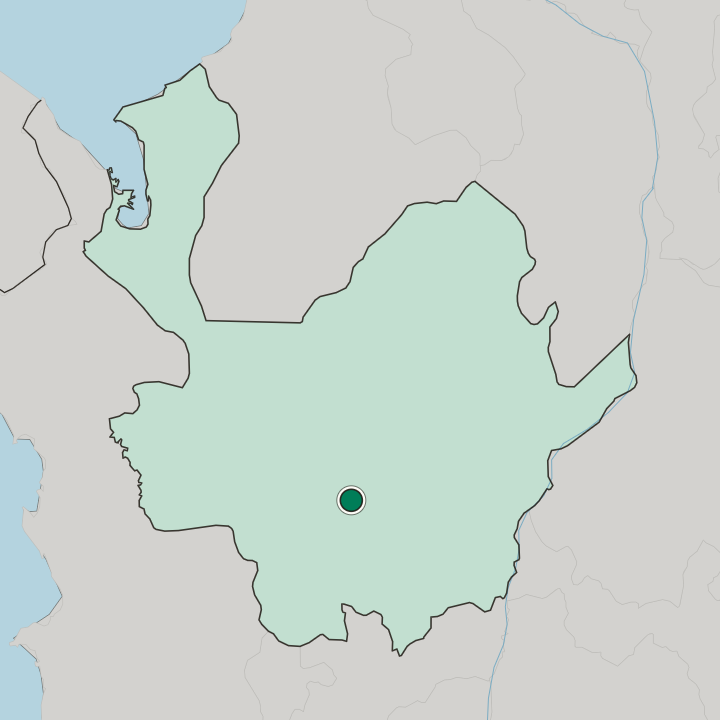
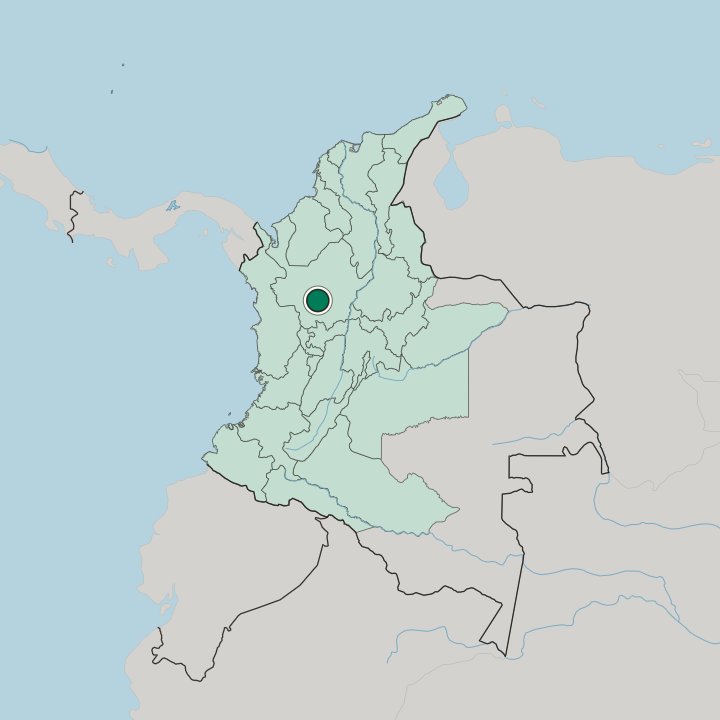
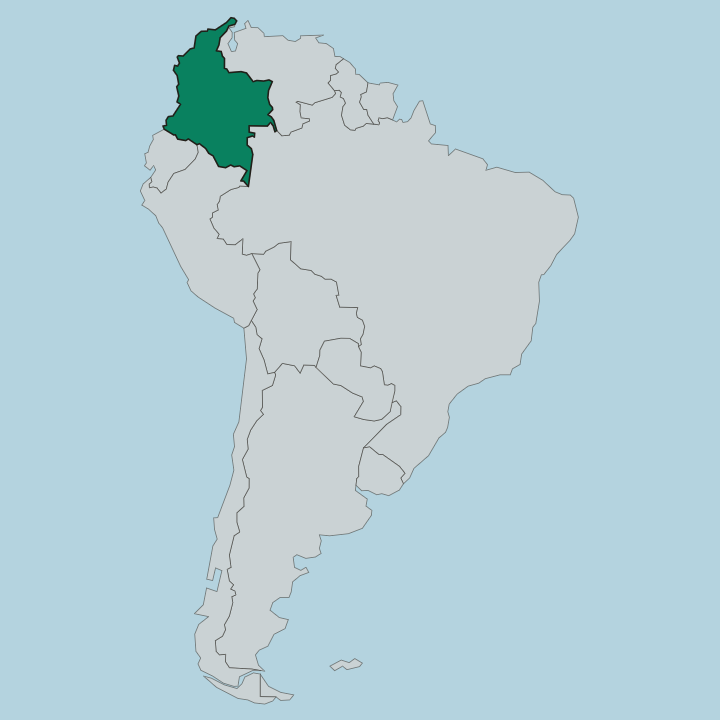
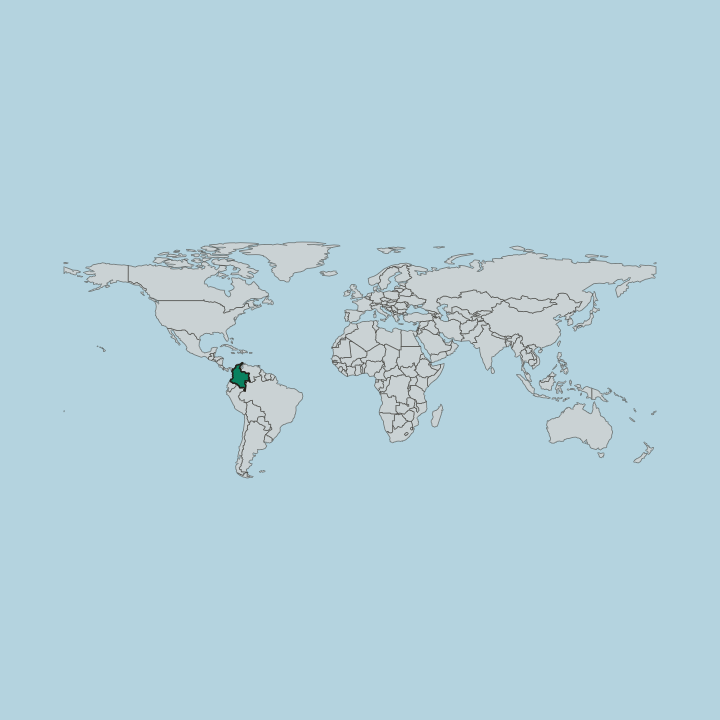
Bello belongs to the Departamento de Antioquia. Its municipal territory is modest, and the parish plaza, the Monumento a Marco Fidel Suárez and the Estación del Ferrocarril Bello sit close enough together to work as one centre rather than as separate quarters, which is why a visitor without a car manages here without difficulty. The tropical band decides the rest.
Day length barely shifts across the year at this remove from the poles, so the difference between one month and the next shows up in rainfall rather than in daylight or in any real swing of temperature.
What is the climate of Bello?
Antioquia's wet spells set the year, not the thermometer. Bello lies in the tropical band, so the calendar divides into rainier and drier stretches instead of into four seasons, and an afternoon downpour is a more useful thing to plan around than any monthly average. Mornings are the dependable half.
Walking the plaza at the Iglesia Nuestra Señora del Rosario, Bello or the ground by the Monumento a Marco Fidel Suárez goes best before the cloud builds, and the Museo Choza Marco Fidel Suárez makes the obvious refuge once it breaks.
How do you get to Bello?
Estación del Ferrocarril Bello is the historical answer. The station records the line that once served the town, and it is listed as a landmark in its own right. Roads carry the traffic now.
Bello ties into the rest of the Departamento de Antioquia by road, and the run in from the department's other towns is short enough that the place works as a day trip about as readily as an overnight stay.
Common questions
What is the best area to stay in Bello?
The parish plaza: One-night stops built around the Iglesia Nuestra Señora del Rosario, Bello. Around the Museo Choza: Visitors here for Marco Fidel Suárez and the choza itself. By the old station: Travellers using Bello as a road base in Antioquia.
Good for
More cities in Departamento de Antioquia
Updated October 2026