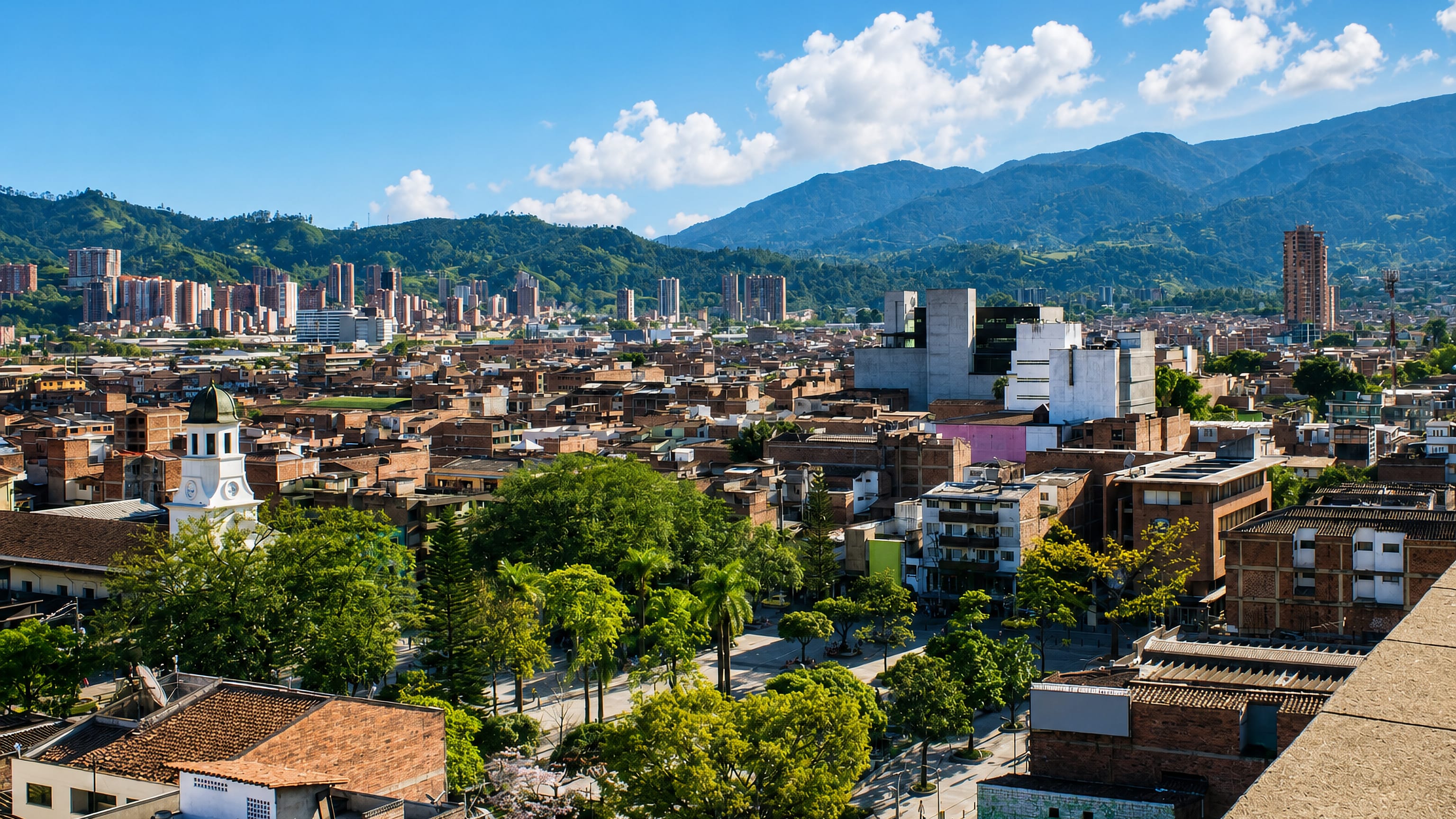
Colombia · Departamento de Antioquia
Where to Stay in Itagüí, Departamento de Antioquia
Itagüí is an Antioquia municipality of 1743 with three sports venues, the Casa Museo Ditaires and the Museo Graciliano Arcila Vélez.
Hotel links are affiliate links: booking through them may earn us a commission, at no extra cost to you. It never affects how places are ranked. How this works


Where to stay in Itagüí
Where the beds are, and what that means for the visit.
Casa Museo Ditaires and the Estadio Metropolitano Ciudad de Itagüí pull in different directions. A room on the museum side gives quiet evenings and puts the Museo Graciliano Arcila Vélez on the same short circuit, which is the pattern that suits a visitor here for the town rather than for a fixture. Match nights are different.
The Estadio Metropolitano Ciudad de Itagüí, the Estadio Polideportivo Sur and the Coliseo Cubierto de Itagüí can each have something on, and when two of them coincide the ordinary hotels of this compact municipality fill faster than an arrival without a booking will expect. Itagüí is small enough to cross easily. That single fact settles more than any comparison of districts could, because the Estación del Ferrocarril Itagüí, the museums and the venues all sit inside a municipality that takes up very little of the map.
Beds are functional. The lodging is built for people working in the town or attending something in it, so anyone after resort comfort will find the stock thin, while a traveller content with a plain room near everything does well here. The Estadio Polideportivo Sur is the shared one. Envigado carries the same ground in its own inventory, a useful reminder that a bed booked on either side of that boundary serves the same fixture.
Find hotels in Itagüí
Direct booking searches for these neighbourhoods.
Around Casa Museo Ditaires
The museum side of Itagüí, with the Museo Graciliano Arcila Vélez on the same short circuit. Rooms are few around here — worth securing early.Find hotels in Around Casa Museo DitairesFixtures at the Estadio Metropolitano Ciudad de ItagüíBy the Estadio Metropolitano
The blocks closest to the Estadio Metropolitano Ciudad de Itagüí and the Coliseo Cubierto de ItagüíFind hotels in By the Estadio MetropolitanoShort stops navigating by the Estación del Ferrocarril ItagüíThe station quarter
The streets around the Estación del Ferrocarril Itagüí, the simplest side for road connections onwardFind hotels in The station quarterHotel links are affiliate links: booking through them may earn us a commission, at no extra cost to you. It never affects how places are ranked. How this works
Things to do in Itagüí
Ranked by global recognition; descriptions from Wikidata (CC0).
Museums & Galleries
2- Casa Museo Ditaires
- Museo Graciliano Arcila Vélez
Castles & Historic Sites
1- Estación del Ferrocarril Itagüí Heritage
Stadiums & Sports
2- Estadio Metropolitano Ciudad de Itagüí
- Coliseo Cubierto de Itagüí
worth knowingacross 3 categories in Itagüí
About Itagüí
Sport takes the front rank.
What is Itagüí known for?
The Estadio Metropolitano Ciudad de Itagüí, the Estadio Polideportivo Sur and the Coliseo Cubierto de Itagüí give one small municipality a great deal of stand and floor space, more than most towns of comparable ground in the Departamento de Antioquia ever build. Museums follow behind. Casa Museo Ditaires and the Museo Graciliano Arcila Vélez hold the quieter half of the reputation, and the Estación del Ferrocarril Itagüí supplies a third strand that has nothing to do with either.
What are the main landmarks in Itagüí?
The list is short and lopsided. Three of the six entries are venues, the Estadio Metropolitano Ciudad de Itagüí, the Estadio Polideportivo Sur and the Coliseo Cubierto de Itagüí, which between them seat a crowd out of all proportion to the ground the municipality covers. Two are museums.
Casa Museo Ditaires and the Museo Graciliano Arcila Vélez carry the collections, and the Estación del Ferrocarril Itagüí is the sixth, the one piece of railway fabric the town has kept.
What is the history of Itagüí?
The founding year is 1743, and almost nothing on the heritage list is that old. What Itagüí records instead belongs to more recent centuries, starting with the Estación del Ferrocarril Itagüí, which fixes the point at which a railway line reached the town and drew it into the wider traffic of the Departamento de Antioquia. That arrival mattered.
A station is the kind of building a small municipality only receives once somebody has decided it is worth stopping at, and its survival as a heritage entry is the clearest evidence of the change. Collections came afterwards. The Museo Graciliano Arcila Vélez attaches the name of Graciliano Arcila Vélez to the town for good, while Casa Museo Ditaires keeps the Ditaires name in the same civic company, and between them they hold whatever of the older centuries has been gathered up rather than built over.
Sport wrote the recent chapter. The Estadio Metropolitano Ciudad de Itagüí, the Estadio Polideportivo Sur and the Coliseo Cubierto de Itagüí are municipal-scale investments of a kind that a farming village would never have made, and a register in which three of six entries are venues describes a place that put its ambition into fixtures rather than into facades.
Where is Itagüí?
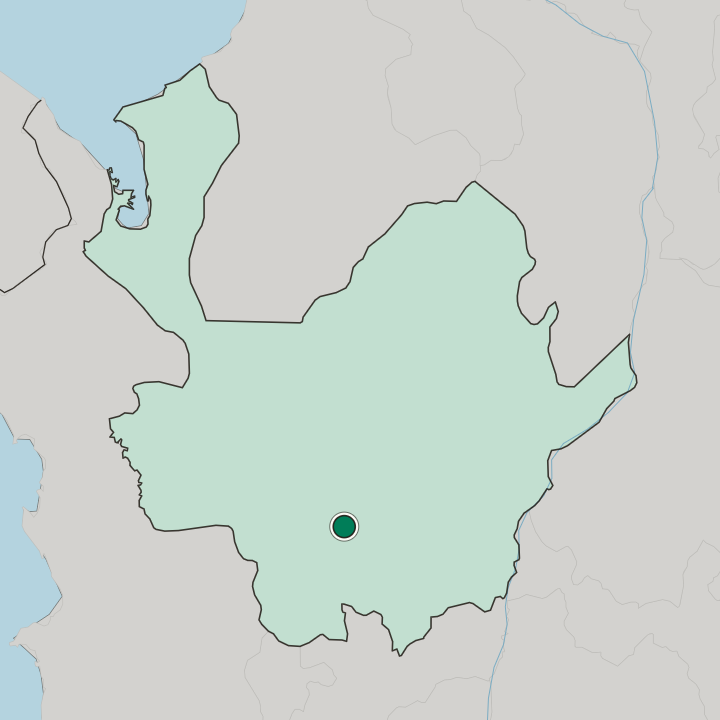
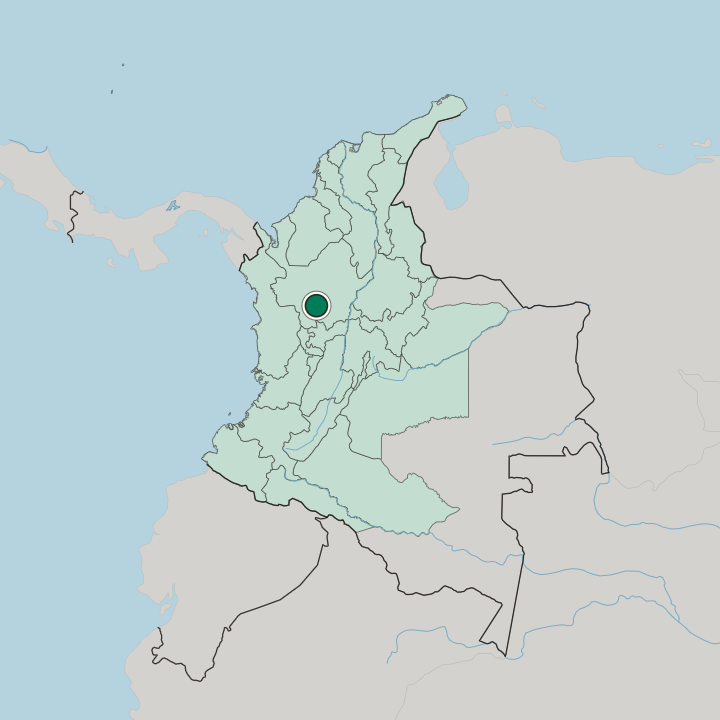
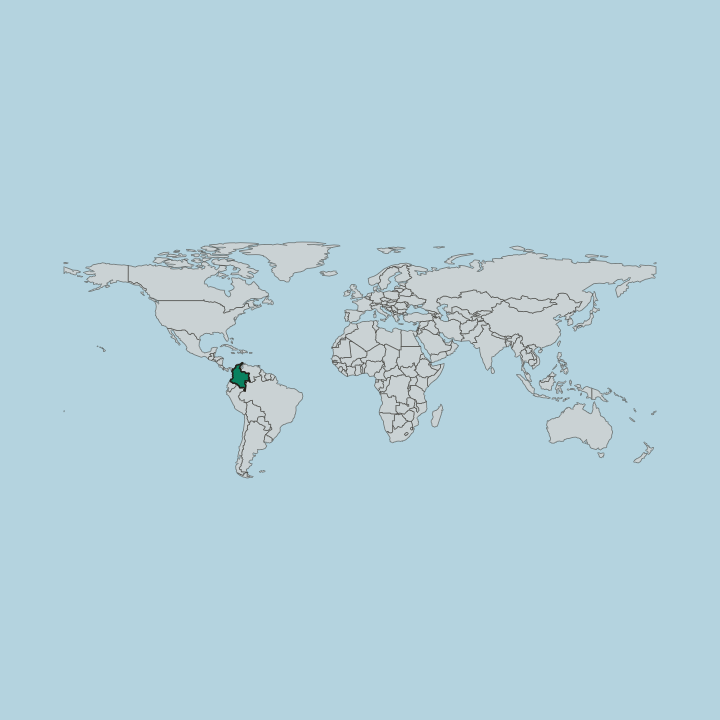
Itagüí covers less ground than most of its neighbours in the Departamento de Antioquia. That compactness is the defining fact, since the Estación del Ferrocarril Itagüí, Casa Museo Ditaires and the Coliseo Cubierto de Itagüí all sit within a short run of one another and the municipal boundary is never far off in any direction. Envigado is right there.
The two carry the Estadio Polideportivo Sur between their inventories, which says more about how tightly this cluster of Antioquia towns is packed than a boundary line ever could.
What is the climate of Itagüí?
Rain decides the sporting calendar more than heat does. Itagüí lies in the tropical band, so the year turns on wet and dry spells rather than on four seasons, and an afternoon can go from bright to soaked while a match at the Estadio Metropolitano Ciudad de Itagüí is still running. Cover is the difference.
The Coliseo Cubierto de Itagüí holds the advantage on those days, since a roofed floor is worth a great deal in the months when the sky opens most afternoons.
How do you get to Itagüí?
Trains gave the town its first connection. Estación del Ferrocarril Itagüí survives from that period and stands among the six heritage entries the municipality claims. Roads do the work now.
Arrivals come through the dense road network of the Departamento de Antioquia, and because Itagüí is so small, the difference between entering at one end and the other comes to a few minutes rather than a decision worth weighing.
Common questions
What is the best area to stay in Itagüí?
Around Casa Museo Ditaires: Quiet nights beside Casa Museo Ditaires. By the Estadio Metropolitano: Fixtures at the Estadio Metropolitano Ciudad de Itagüí. The station quarter: Short stops navigating by the Estación del Ferrocarril Itagüí.
Good for
More cities in Departamento de Antioquia
Updated October 2026