Colombia · Departamento de Antioquia
Where to Stay in Medellín, Departamento de Antioquia
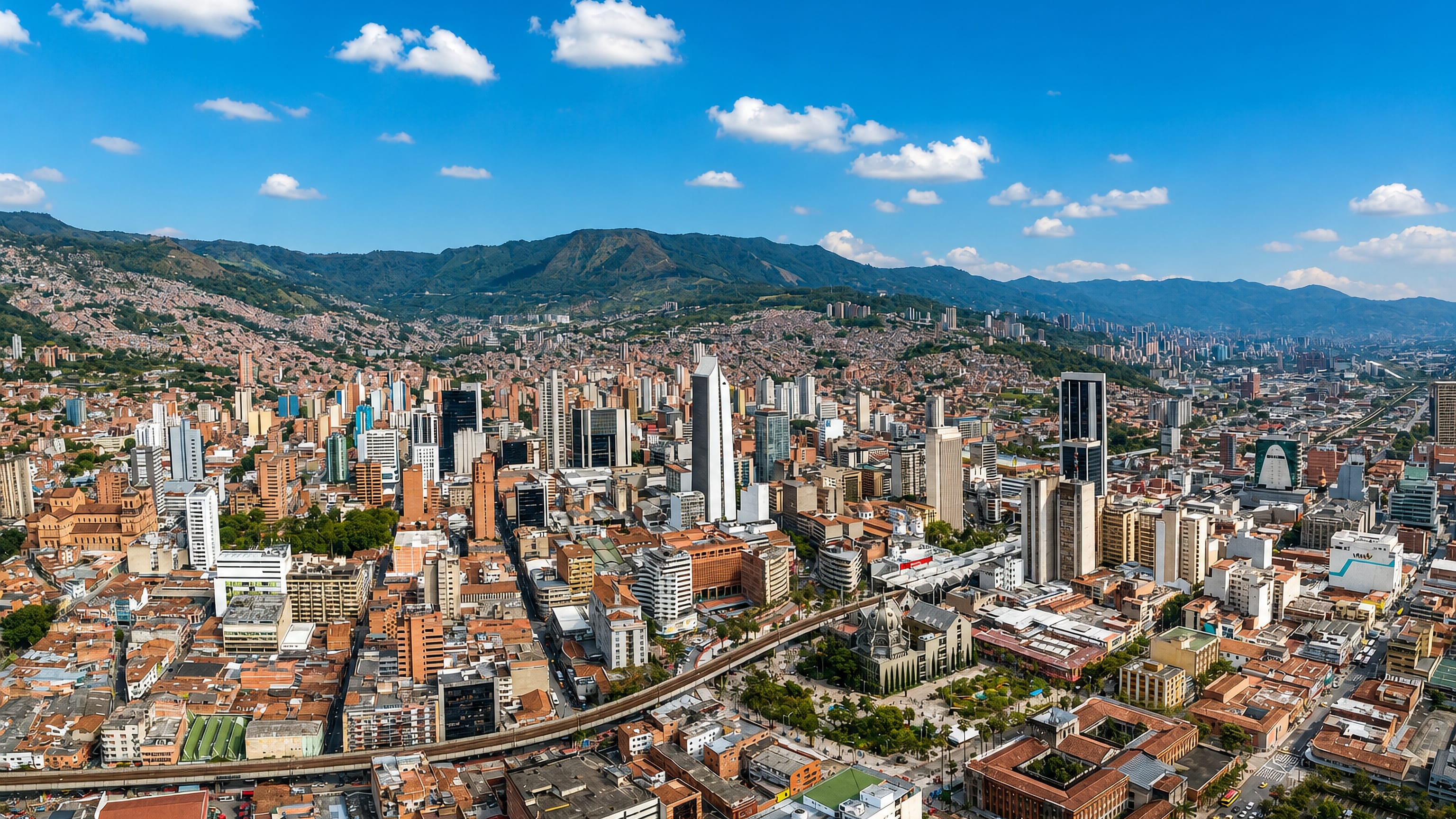
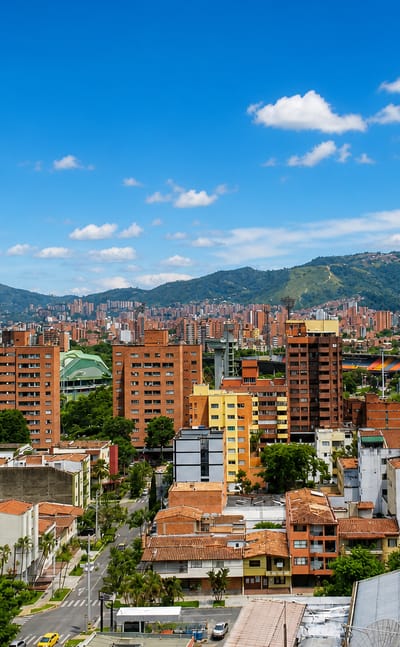
Medellín fills the Aburrá Valley in the Andes Mountains, the second-largest city in Colombia and the capital of Antioquia.
Hotel links are affiliate links: booking through them may earn us a commission, at no extra cost to you. It never affects how places are ranked. How this works


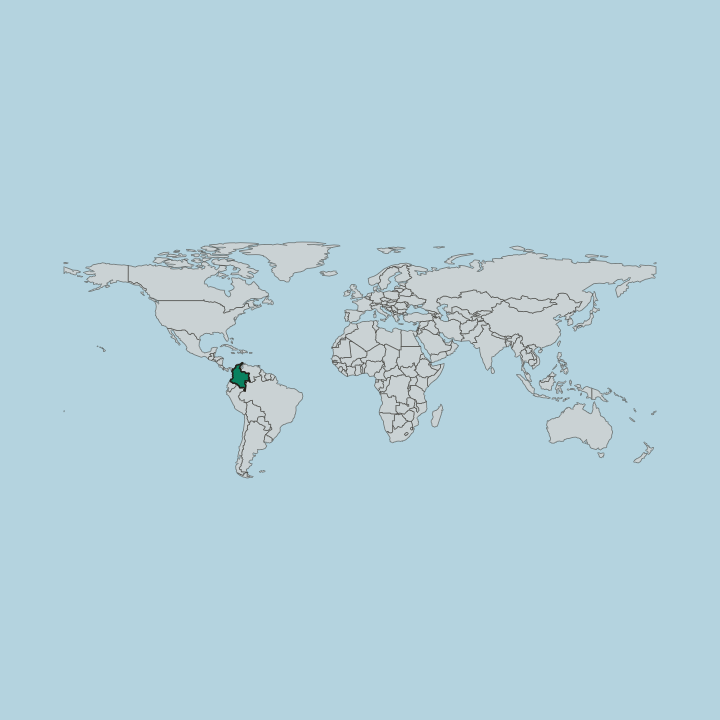
Where to stay in Medellín
Where you base yourself shapes the visit — here's the character of each area.
 MedellínColombia
Laureles–Estadio
Laureles-Estadio is a district of Medellín built around a sports quarter, with the Medellín Sports Coliseum and Coliseo Cubierto Mayor at its core.Laureles–Estadio →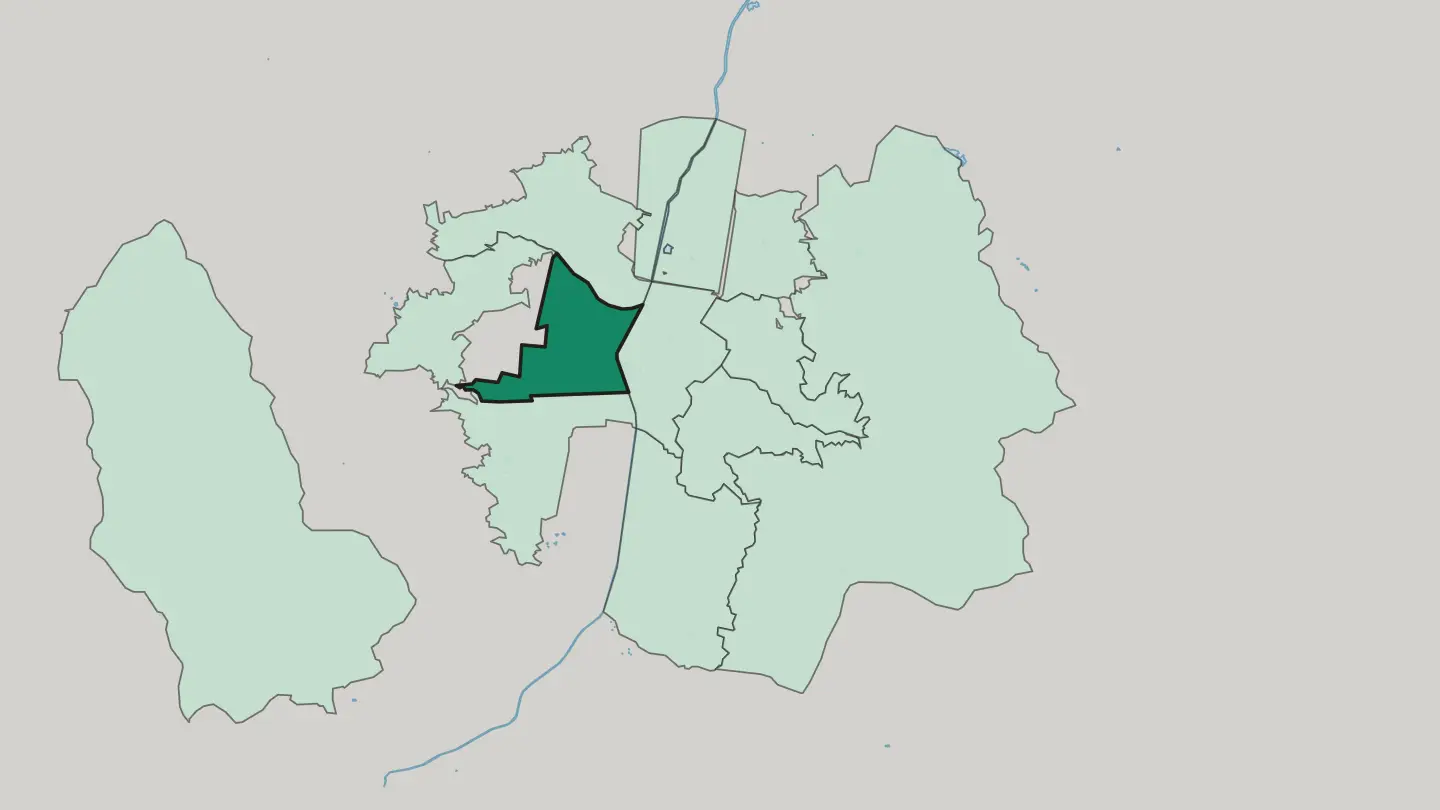
 MedellínColombia
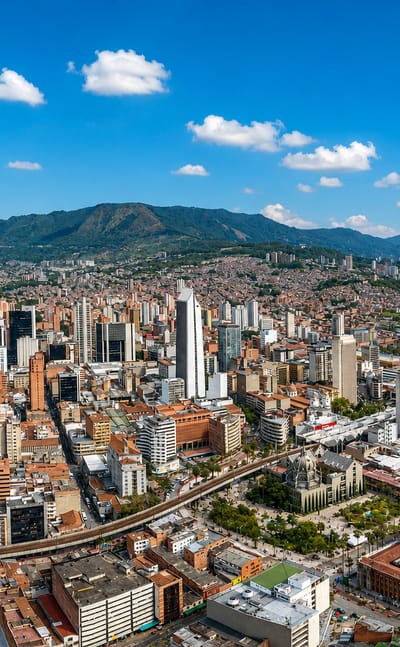
La Candelaria
La Candelaria is the historic central district of Medellín, Colombia, home to the Museum of Antioquia and Plaza Mayor Medellín.La Candelaria →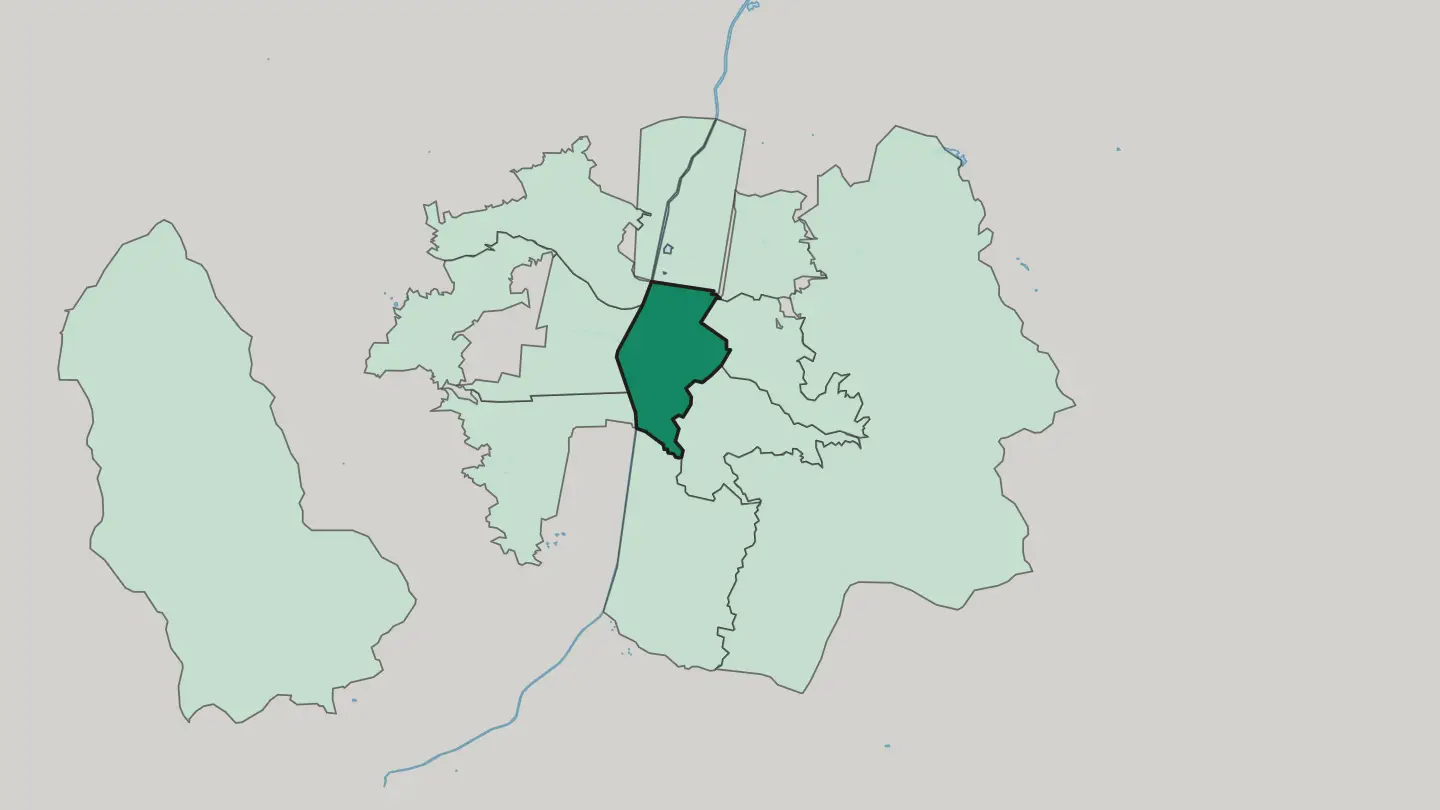
 MedellínColombia
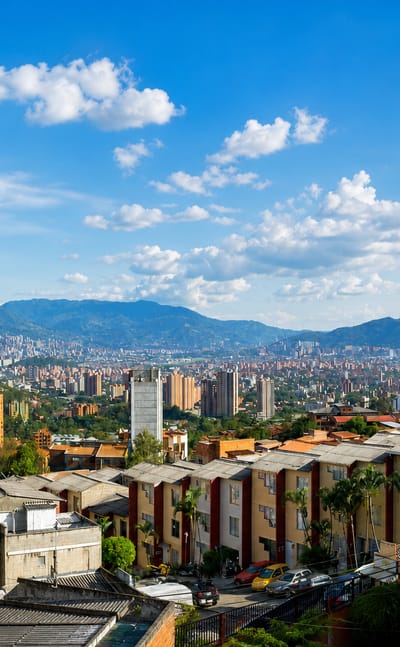
Belén
Belén is a large residential borough of Medellín, spread on the flatland and slopes below the Nutibara Sculpture Park.Belén →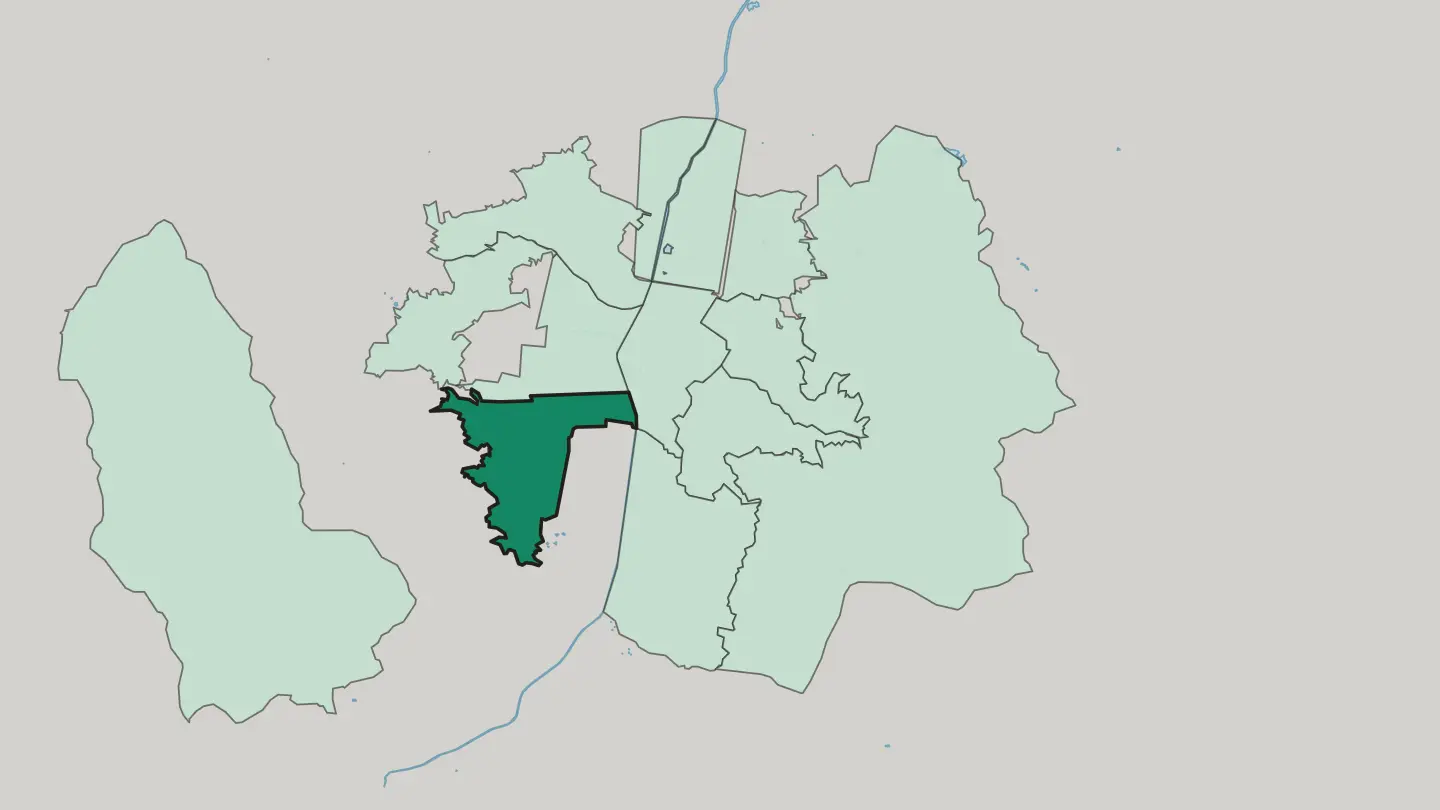
 MedellínColombia
Robledo
Robledo is a hillside district of Medellín, Colombia, home to universities, museums and the Cerro El Picacho.Robledo →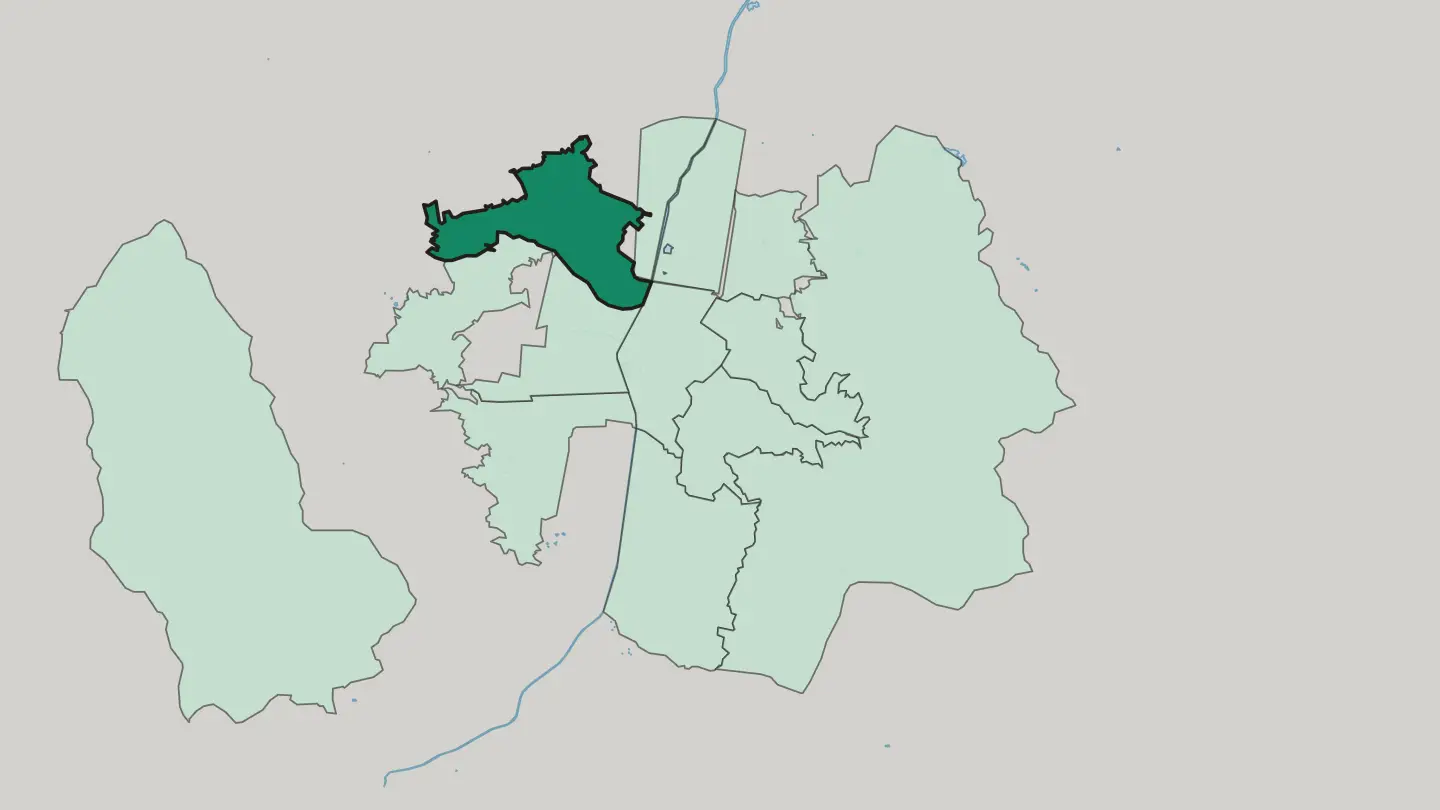 MedellínColombia
Buenos Aires
Buenos Aires is a hillside comuna on the eastern side of Medellín, traced by the Ayacucho tram and lined with traditional barrios.Buenos Aires →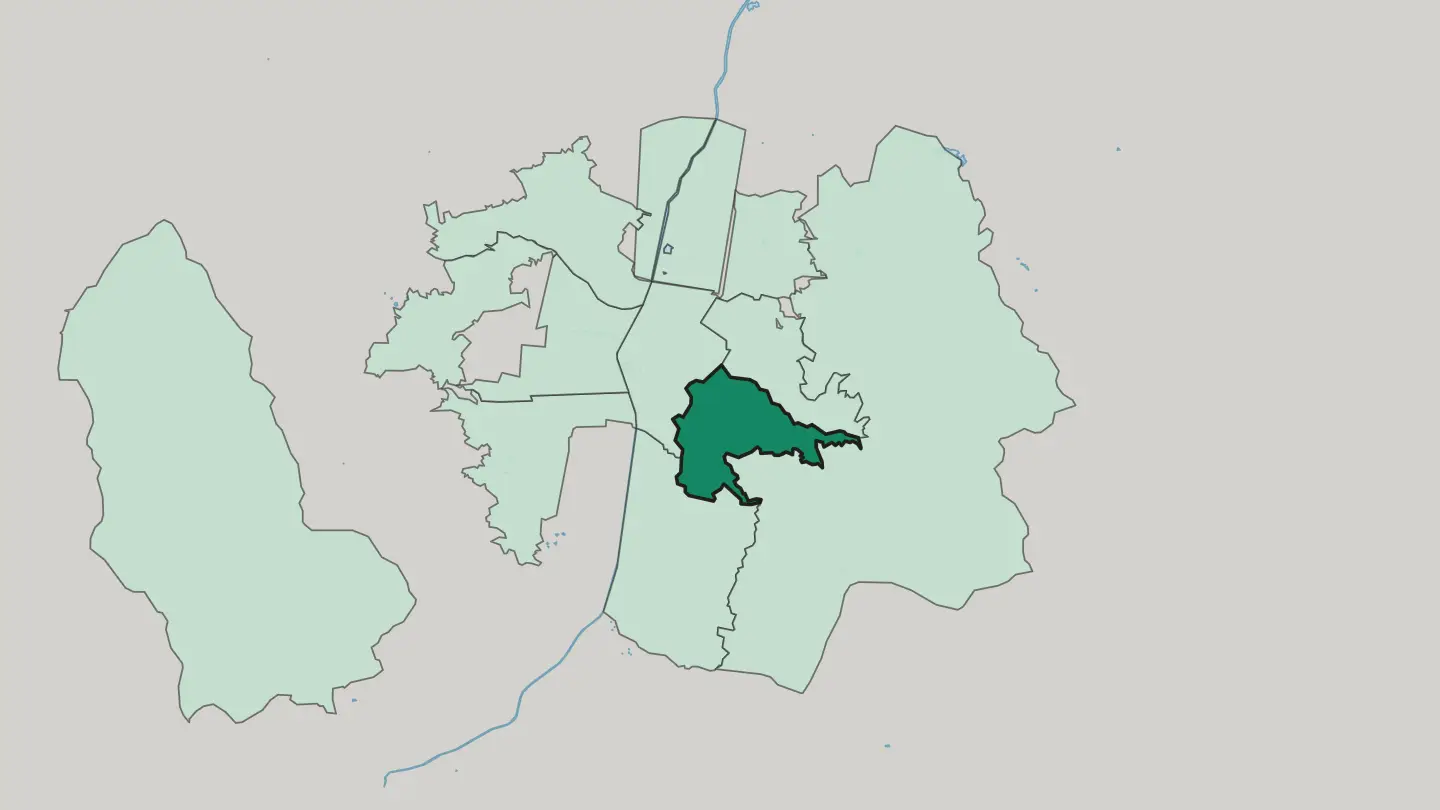 MedellínColombia
Aranjuez
Aranjuez is a working district in northern Medellín, built around the San Pedro Cemetery Museum and a cluster of science museums.Aranjuez →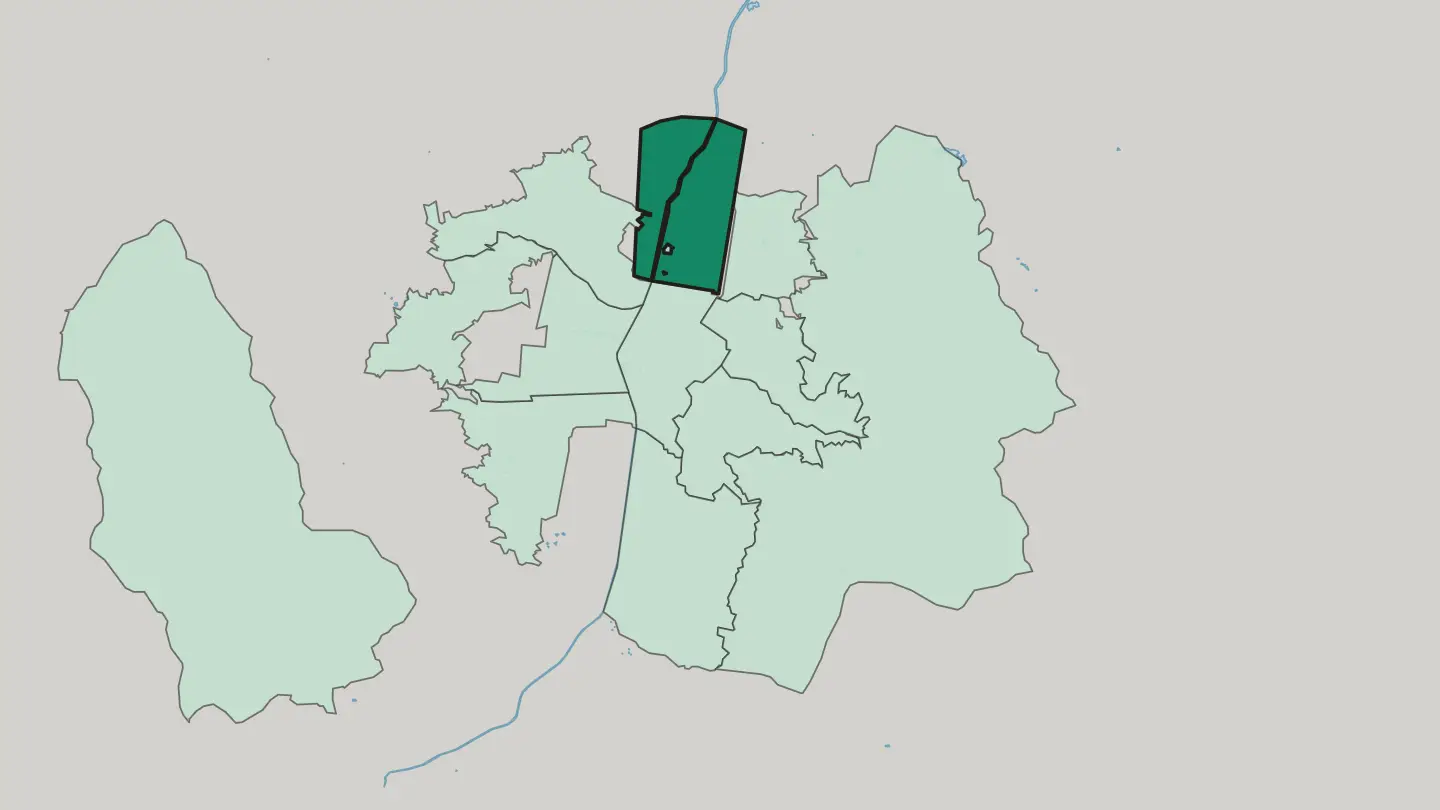
 MedellínColombia
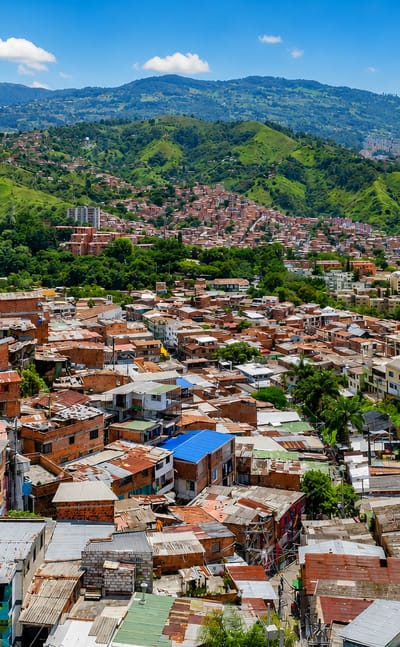
San Javier
San Javier is a western district of Medellín, Colombia, known for its hillside San Javier Library park.San Javier →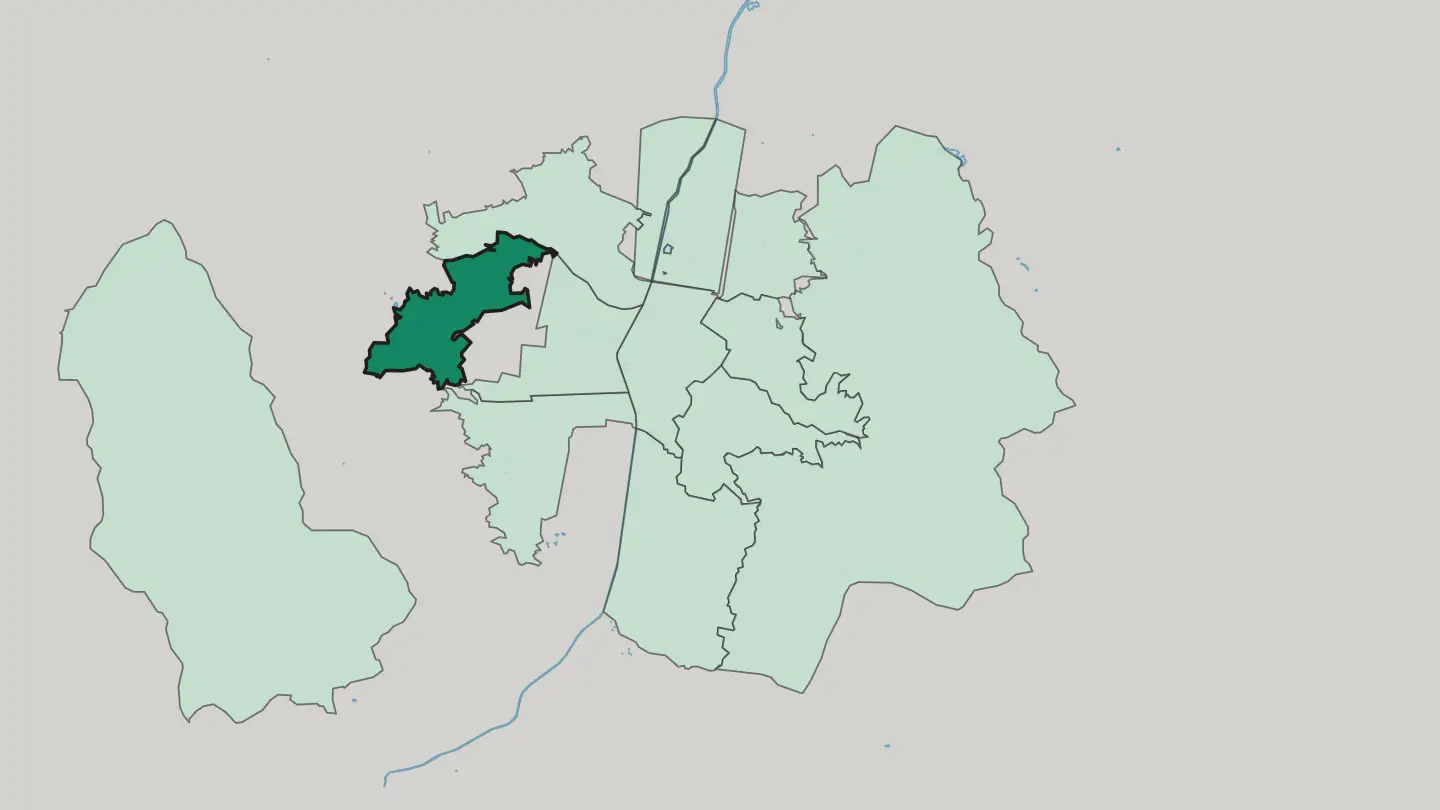 MedellínColombia
Villa Hermosa
Villa Hermosa is a hillside comuna on the central-eastern side of Medellín, climbing from Parque Bicentenario toward Cerro Pan de Azúcar.Villa Hermosa →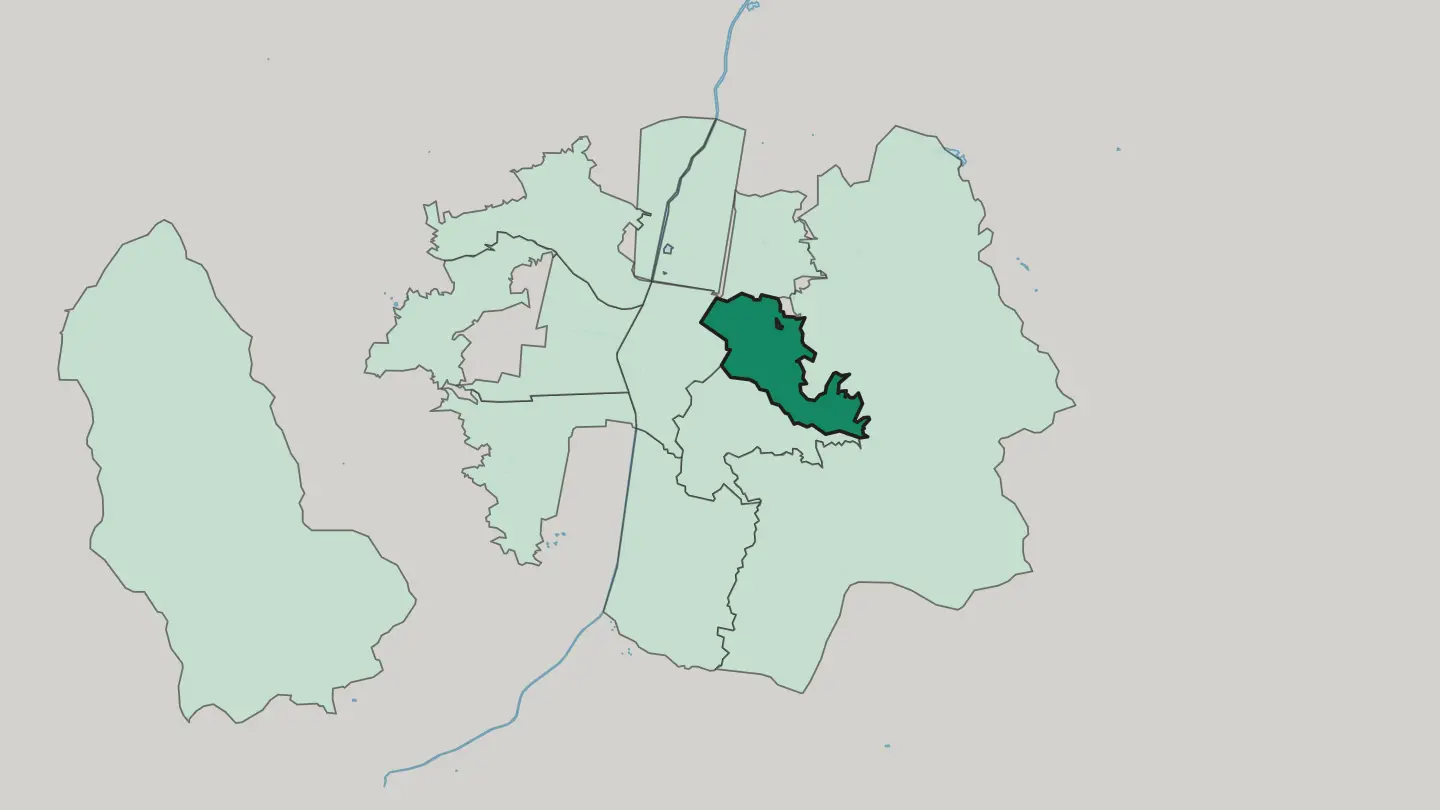 MedellínColombia
Manrique
Manrique is a hillside district of Medellín whose name carries a Visigothic root, drawn from the Gothic Ermanaric.Manrique →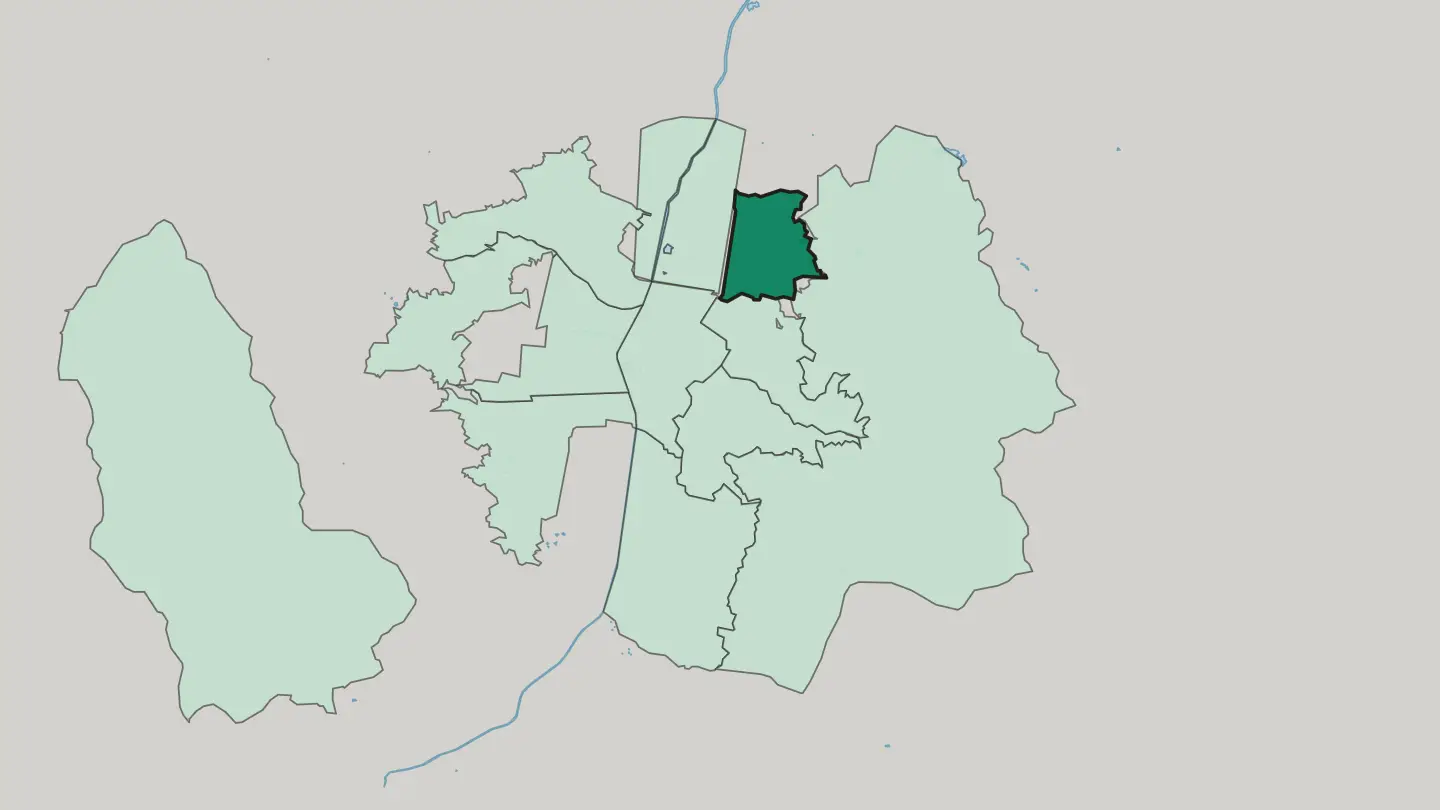
 MedellínColombia
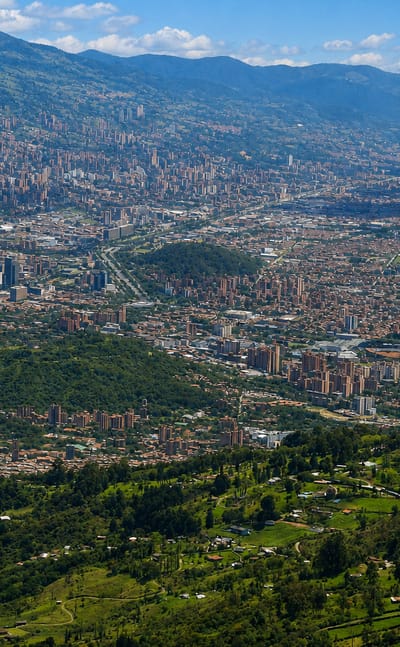
El Poblado
El Poblado is a hillside district of Medellín, Colombia, holding the Medellín Museum of Modern Art and Museo El Castillo among its slopes.El Poblado →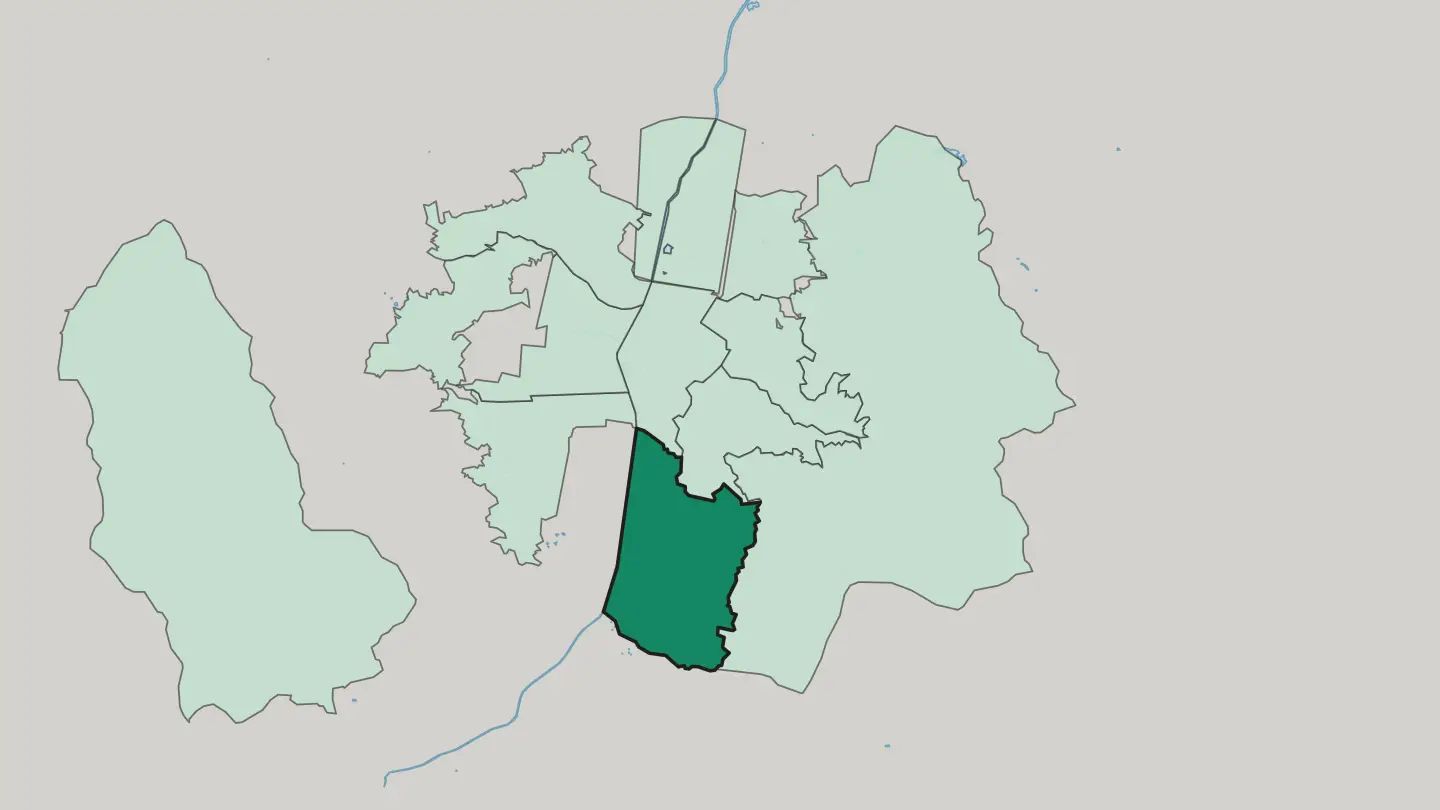 MedellínColombia
Santa Elena
Santa Elena is a mountain corregimiento east of Medellín, Colombia, home of the silleteros and the woodland trails of Parque Arví.Santa Elena →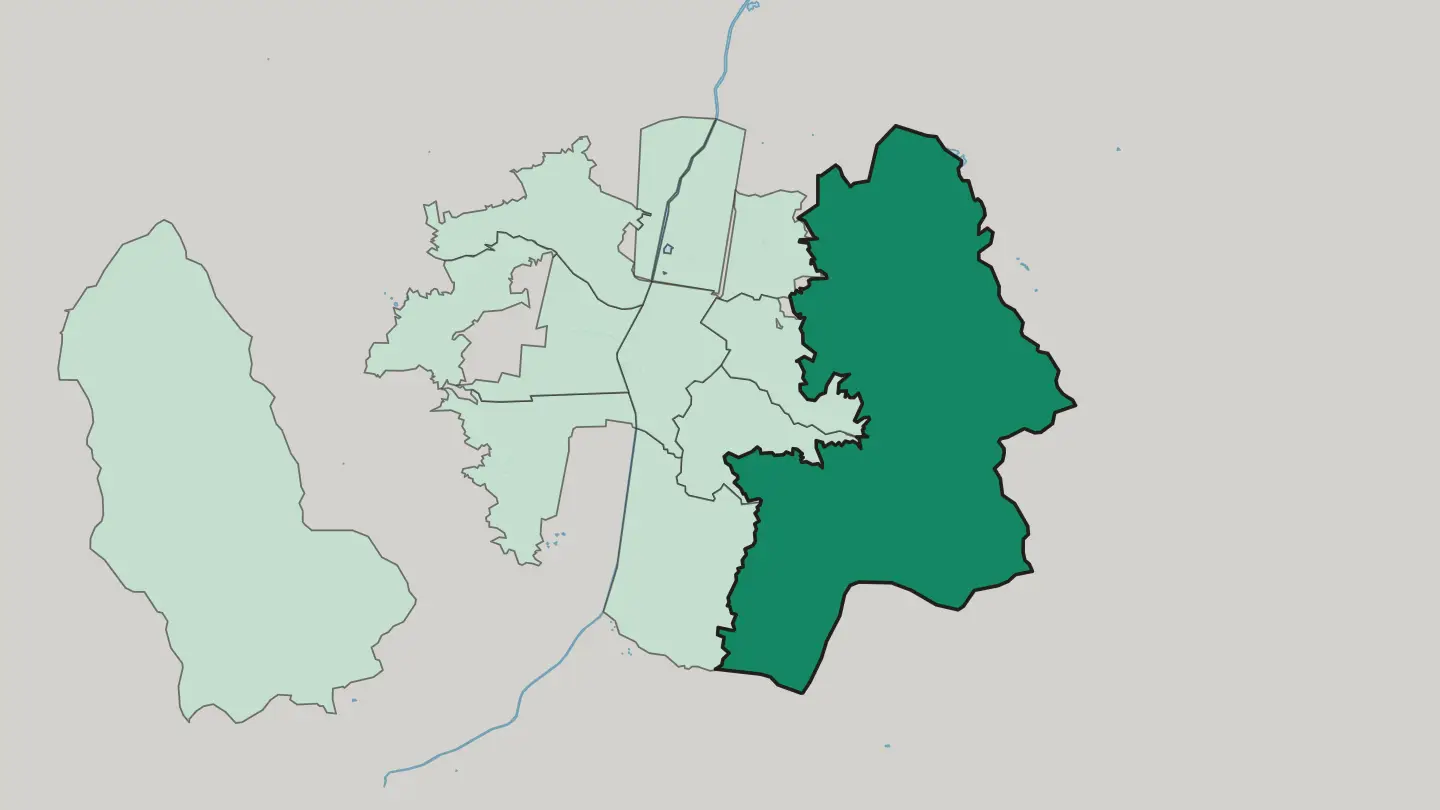
 MedellínColombia
San Antonio de Prado
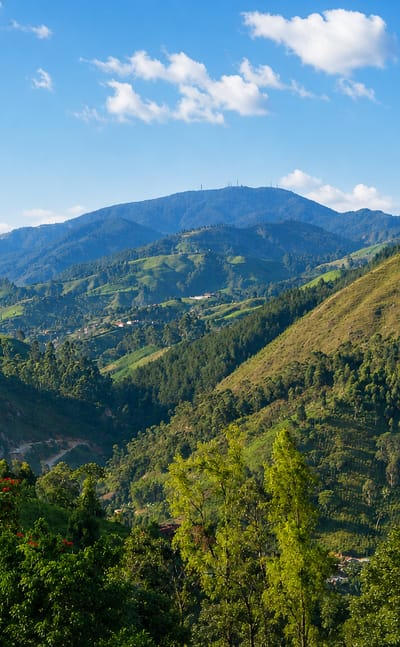
San Antonio de Prado is a rural corregimiento in the southwest of Medellín, spread across the Valle de Aburrá above the Quebrada Doña María.San Antonio de Prado →Hotel links are affiliate links: booking through them may earn us a commission, at no extra cost to you. It never affects how places are ranked. How this works
Things to do in Medellín
Ranked by global recognition; descriptions from Wikidata (CC0).
Museums & Galleries
3- Museum of Antioquia Heritage
- San Pedro Cemetery Museum Heritage
- Museo El Castillo
Churches & Religious Sites
3- Iglesia del Sagrado Corazón de Jesús, Medellín Heritage
- Iglesia El Calvario, Medellín Heritage
- iglesia de San Benito
Castles & Historic Sites
2- Monumento a la Raza
- Cristo Salvador del Picacho
Stadiums & Sports
3- Plaza Mayor Medellín
- Plaza de Toros la Macarena
- Medellín Sports Coliseum
worth knowingacross 4 categories in Medellín
About Medellín
What is Medellín known for?
Medellín is known as Colombia's second city. Only Bogotá is larger, and Medellín serves as the capital of the department of Antioquia in the Aburrá Valley. Its museums draw the crowds.
The Museum of Antioquia gathers much of the city's art, while Parque Explora and the Botanical Garden of Medellín pull families toward science and green space. Officially it is the Special District of Science, Technology and Innovation, a title that fits the city's modern turn.
What are the main landmarks in Medellín?
Medellín's landmarks lean toward museums and parks. The Museum of Antioquia holds the city's signature art, and the Medellín Museum of Modern Art carries its contemporary side. Science has a home too.
Parque Explora sets out hands-on exhibits beside the Planetarium of Medellín, while the Botanical Garden of Medellín keeps a green core in the valley. Open ground matters here. Plaza Mayor Medellín and the Nutibara Sculpture Park give the city its gathering places and its outdoor art.
What is the history of Medellín?
Medellín's story is the story of a valley city that grew into Colombia's second metropolis. Settlement gathered on the floor of the Aburrá Valley, in the mountains of Antioquia, where the land offered room to build and routes through the ranges. Over time the town grew into the capital of the department of Antioquia, the leading city of its highlands.
Its role rose with the region. As Antioquia's hub, Medellín drew people, trade, and industry from across the surrounding highlands, and it climbed the ranks of Colombian cities until only Bogotá stood above it. Growth reshaped the valley.
The city spread from the valley floor up the slopes on either side, filling the Aburrá Valley with dense neighbourhoods stacked against the hills. In its later chapters Medellín turned toward science and technology, a shift recognised in its formal title as the Special District of Science, Technology and Innovation. That name marks a deliberate reinvention.
What began as a valley settlement in the Andes Mountains has recast itself as a centre of innovation, without leaving its mountain setting behind.
Where is Medellín?
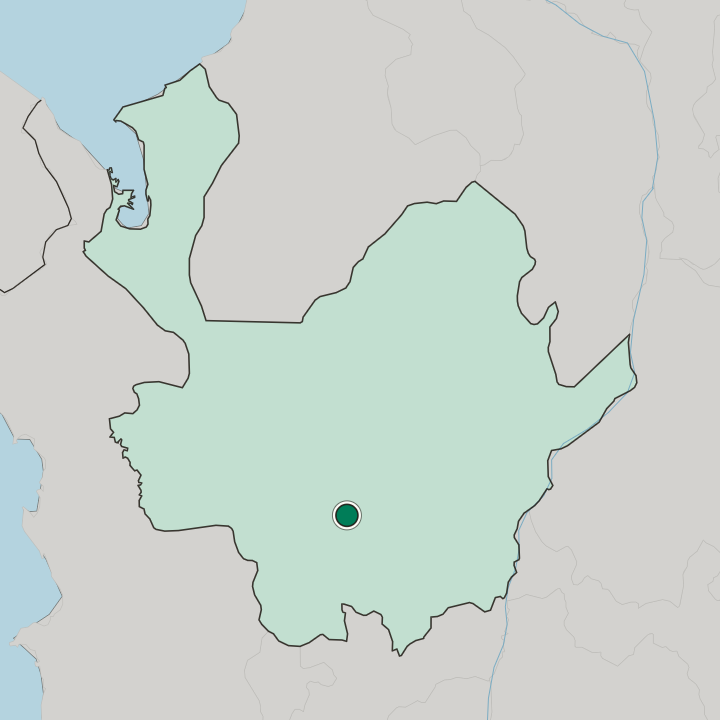
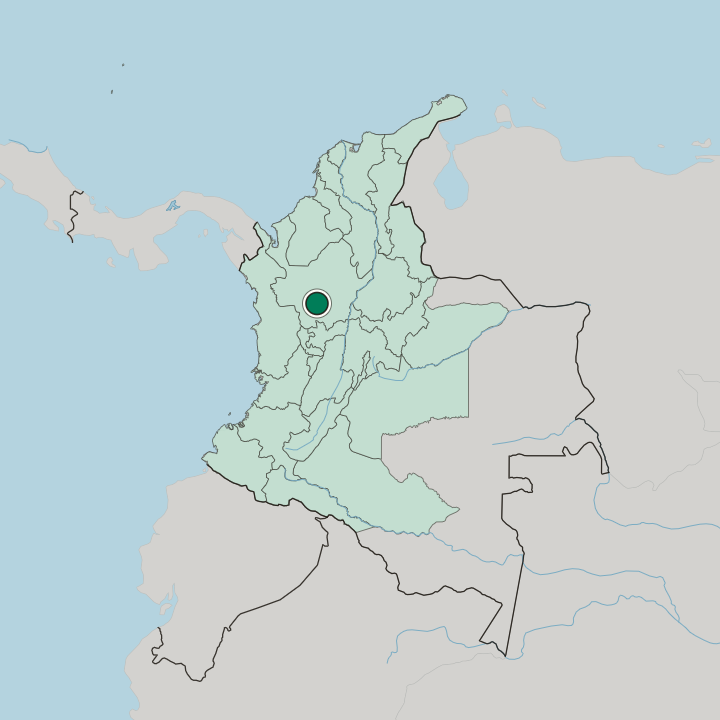
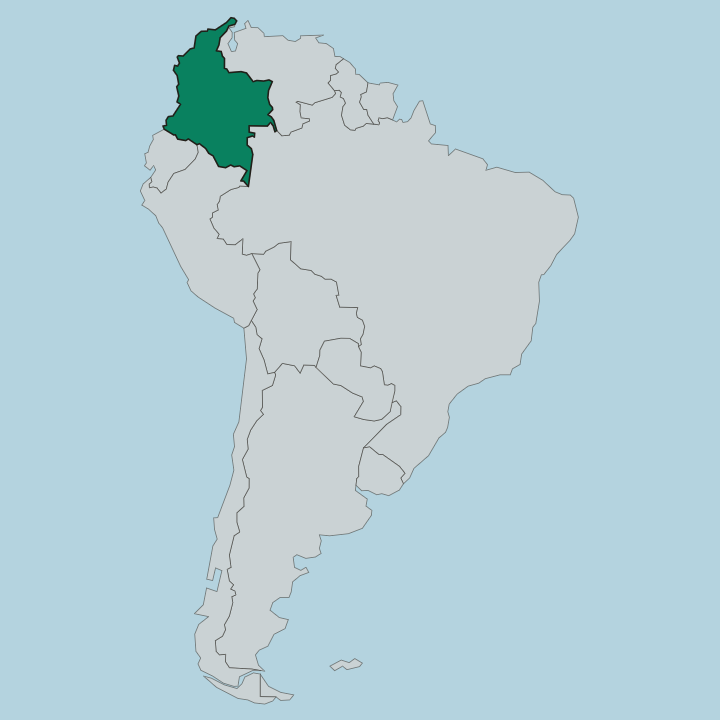
Medellín sits in the Aburrá Valley, a cleft in the central Andes Mountains of northwestern South America. Mountains wall it in. The valley floor holds the core of the city, while the built-up area climbs the steep slopes on both sides until the ground runs out.
Space on the flat is limited. Because the ranges pen the city into a narrow trough, Medellín grows lengthwise along the valley rather than out across open plains. This tight mountain setting, shared with the wider department of Antioquia, gives the city its shape and its long, ridge-framed views.
What is the climate of Medellín?
Medellín lies in the tropics, but its place in an Andean valley tempers the heat. Sitting above the lowlands in the Aburrá Valley, the city keeps milder, steadier air than the tropical coasts far below it in South America. The year turns on rain rather than on temperature.
Wetter and drier spells come and go, while the warmth stays fairly even from month to month. It reads more as spring than as a heatwave. The mountains hold it steady.
How do you get to Medellín?
Medellín is reached most easily by air, as befits Colombia's second city. Flights tie it to Bogotá and beyond. Roads approach through the mountains of Antioquia, climbing and winding down into the Aburrá Valley.
The descent is scenic but slow. Because the city sits in a steep-sided valley, overland journeys twist through the ranges before dropping to the floor where Medellín lies. Once in the valley, getting around is straightforward.
Good for
More cities in Departamento de Antioquia
Updated September 2026