Colombia · Departamento de Antioquia
Where to Stay in Rionegro, Departamento de Antioquia
Rionegro dates from 1541, carries the Rio Negro through its centre, and keeps the Casa de la Convención where the 1863 constitution was written.
Hotel links are affiliate links: booking through them may earn us a commission, at no extra cost to you. It never affects how places are ranked. How this works


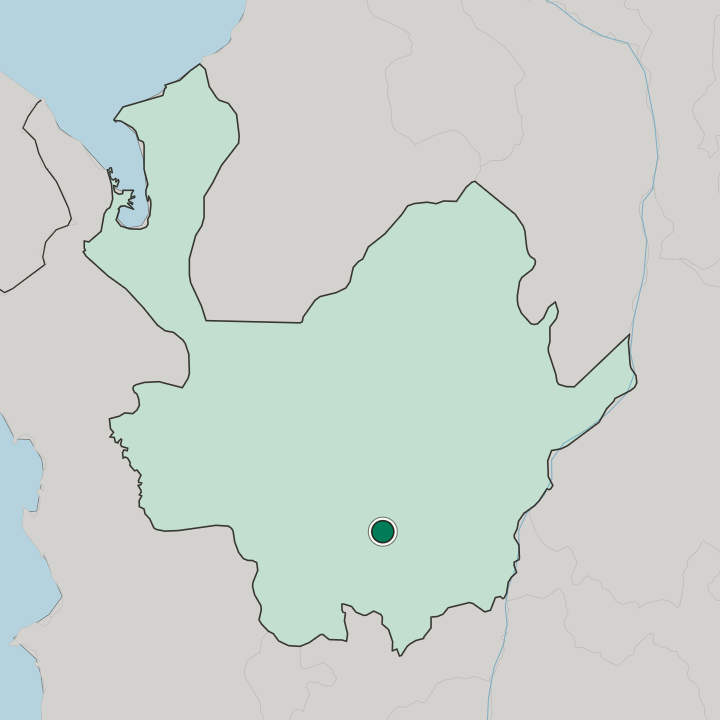
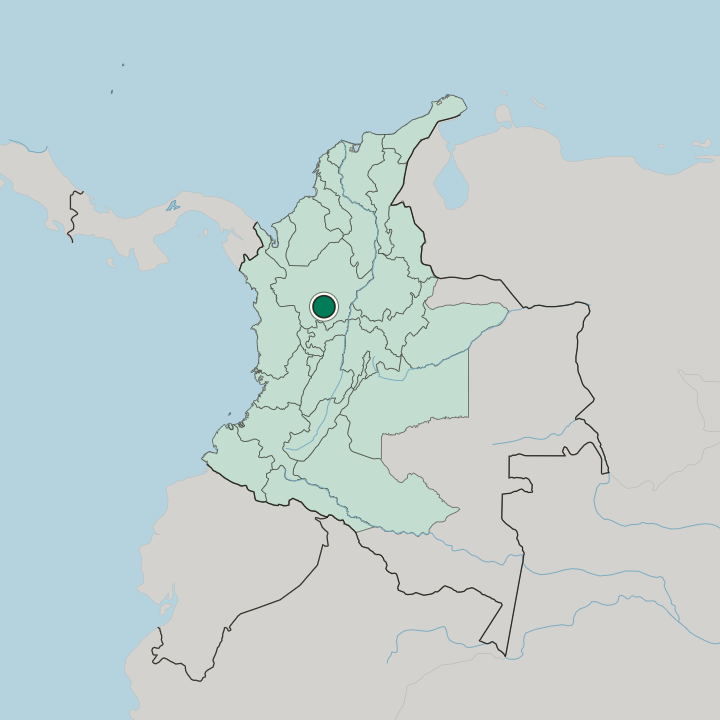
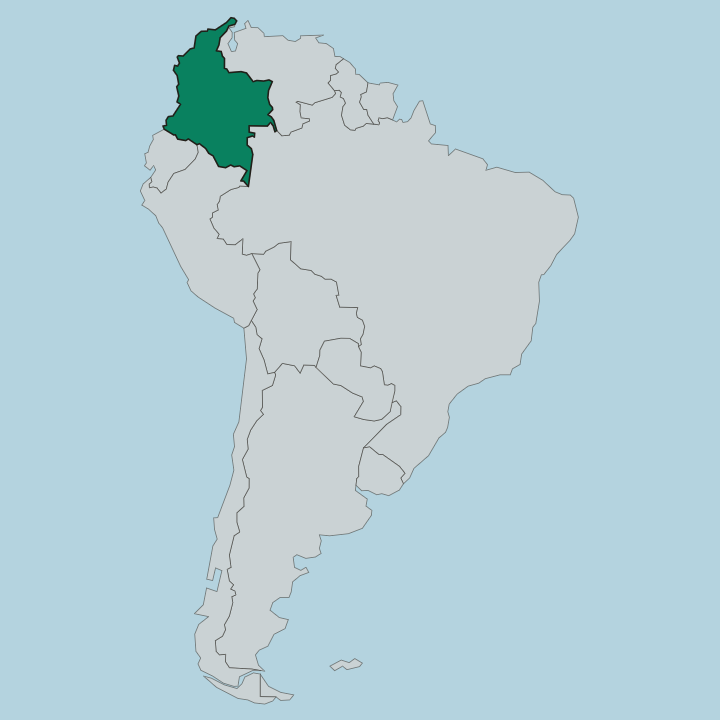

Where to stay in Rionegro
How the choice of base plays out on the ground.
The Sector Antiguo de Rionegro settles most of the question. A room inside the old sector puts the Concatedral de San Nicolás el Magno, the Casa de la Convención and the Iglesia de Jesús Nazareno, Rionegro within one unhurried walk, which is precisely the arrangement that suits a traveller here for the historical centre. Most rooms sit inside it.
That is the practical argument as much as the sentimental one, and the Rio Negro running through the middle of the municipality gives the walk between those addresses a reference that never needs a map. San Antonio de Pereira is the alternative. The iglesia de San Antonio de Pereira (Rionegro) gives that side its own centre, and basing there fits an evening pace rather than a museum pace, with the trade-off that everything on the historical list takes a short journey back in.
The Estadio Alberto Grisales rarely changes the arithmetic. Fixtures aside, the Iglesia de Nuestra Señora de Chiquinquirá, Rionegro and the Sector Antiguo de Rionegro stay the two fixed points any base gets measured against, and a municipality founded in 1541 has had time enough to spread its interest across more than one quarter. Getting across town takes time.
Unlike the tighter towns of Antioquia, Rionegro asks a driver to plan the day rather than to wander into whatever comes next.
Find hotels in Rionegro
Direct booking searches for these neighbourhoods.
Sector Antiguo de Rionegro
The old sector of Rionegro, with the Concatedral de San Nicolás el Magno and the Casa de la Convención on footFind hotels in Sector Antiguo de RionegroSlow evenings by the iglesia de San Antonio de Pereira (Rionegro)San Antonio de Pereira
The San Antonio de Pereira settlement, with its own patron church and its own pace after dark. Rooms are few around here — worth securing early.Find hotels in San Antonio de PereiraDrivers following the Rio Negro across the municipalityAlong the Rio Negro
Ground beside the Rio Negro, the feature every other part of Rionegro is navigated by. Rooms are few around here — worth securing early.Find hotels in Along the Rio NegroHotel links are affiliate links: booking through them may earn us a commission, at no extra cost to you. It never affects how places are ranked. How this works
Things to do in Rionegro
Ranked by global recognition; descriptions from Wikidata (CC0).
Museums & Galleries
1- Casa de la Convención
Churches & Religious Sites
3- iglesia de San Antonio de Pereira (Rionegro)
- Concatedral de San Nicolás el Magno
- Iglesia de Nuestra Señora de Chiquinquirá, Rionegro
Castles & Historic Sites
1- Sector Antiguo de Rionegro Heritage
Stadiums & Sports
1- Estadio Alberto Grisales
worth knowingacross 4 categories in Rionegro
About Rionegro
The Casa de la Convención carries the weight.
What is Rionegro known for?
Rionegro counted among the most important cities during the era of Colombia's struggle for independence, and the 1863 constitution was written here, which is why the place is sometimes called the Cuna de la democracia. Parish churches fill the remainder. The Concatedral de San Nicolás el Magno heads a set running through the Iglesia de Nuestra Señora de Chiquinquirá, Rionegro, the Iglesia de Jesús Nazareno, Rionegro and the iglesia de San Antonio de Pereira (Rionegro).
What are the main landmarks in Rionegro?
Four churches and one house. The Concatedral de San Nicolás el Magno leads, with the Iglesia de Nuestra Señora de Chiquinquirá, Rionegro, the Iglesia de Jesús Nazareno, Rionegro and the iglesia de San Antonio de Pereira (Rionegro) completing a set that reaches out of the centre and into the settlements around it. The Casa de la Convención is the house.
Around all of them the Sector Antiguo de Rionegro preserves the fabric they stand in, while the Estadio Alberto Grisales supplies the single entry with nothing historical attached to it.
What is the history of Rionegro?
Rionegro was founded in 1541, generations before its neighbours in Antioquia. The official name, Ciudad Santiago de Arma de Rionegro, keeps that long formal identity in use, while the everyday name comes from the Rio Negro, the river that traverses the city and looks black under the shadows cast by the trees along its banks. The colour is an effect of shade.
That small piece of etymology explains a name which would otherwise puzzle anyone seeing the water in full sun. The Casa de la Convención carries the political record. Rionegro counted among the most important cities during the era of Colombia's struggle for independence, and the 1863 constitution was written in this city, which is why it is sometimes called the Cuna de la democracia.
Church towers make up the balance. The Concatedral de San Nicolás el Magno, the Iglesia de Nuestra Señora de Chiquinquirá, Rionegro and the Iglesia de Jesús Nazareno, Rionegro went up across the centuries between the founding and the constitution, the Sector Antiguo de Rionegro survives as the quarter holding most of them, and the iglesia de San Antonio de Pereira (Rionegro) marks the separate settlement that grew up under its own patron.
Where is Rionegro?
The Rio Negro traverses the city and is the most prominent geographical feature of the municipality. Everything else arranges itself around that fact: the Sector Antiguo de Rionegro at the historical core, the settlement at San Antonio de Pereira on its own ground, and a municipal territory wide enough that the two read as separate errands rather than one walk. The water reads dark.
Shade from the trees on the banks gives the river the colour that named Rionegro, a plainer word by far than the official Ciudad Santiago de Arma de Rionegro that appears on documents.
What is the climate of Rionegro?
The trees along the Rio Negro hold the banks in shade. Rionegro belongs to the tropical band, so the year divides into wetter and drier runs instead of into hot and cold halves, and the river itself is the surest indication of which one is under way. Mornings are the working half.
The Sector Antiguo de Rionegro is easiest walked early, and the Concatedral de San Nicolás el Magno makes the obvious shelter once the sky finally lets go.
How do you get to Rionegro?
Most arrivals come by road from elsewhere in Antioquia. The run in ends at the Sector Antiguo de Rionegro for anyone with a historical list, since the Casa de la Convención and the Concatedral de San Nicolás el Magno both stand inside it, while drivers bound for San Antonio de Pereira carry on a short way further. The Rio Negro is the guide.
Following the river across the municipality is the simplest way to keep a bearing, and it serves equally well for the Estadio Alberto Grisales or for the old streets.
Common questions
What is the best area to stay in Rionegro?
Sector Antiguo de Rionegro: History days pinned to the Casa de la Convención. San Antonio de Pereira: Slow evenings by the iglesia de San Antonio de Pereira (Rionegro). Along the Rio Negro: Drivers following the Rio Negro across the municipality.
Good for
More cities in Departamento de Antioquia
Updated October 2026