Colombia · Departamento del Valle del Cauca
Where to Stay in Cali, Departamento del Valle del Cauca
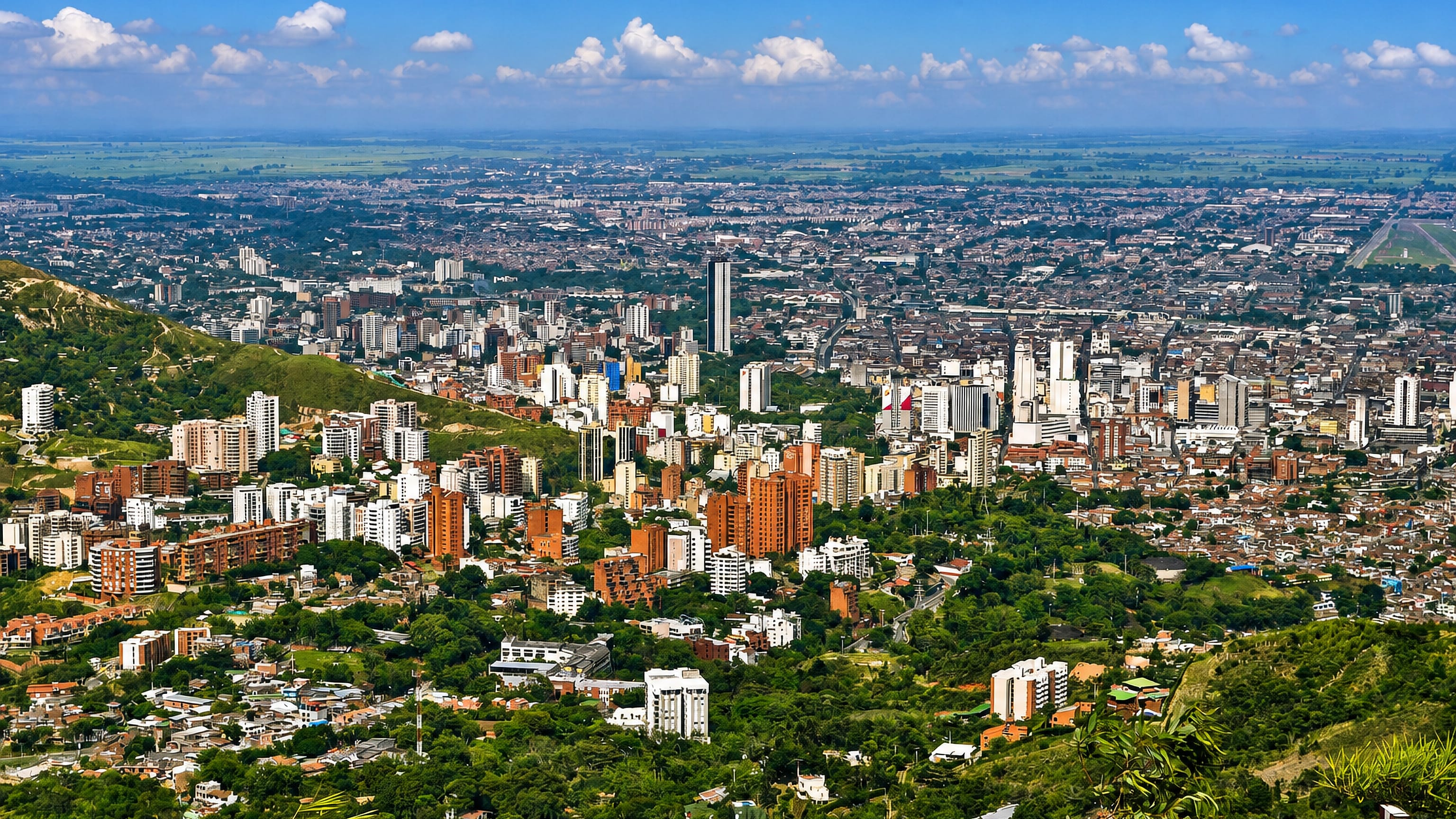
Santiago de Cali, founded in 1536, is the capital of the Valle del Cauca department and one of Colombia's largest industrial cities.
Hotel links are affiliate links: booking through them may earn us a commission, at no extra cost to you. It never affects how places are ranked. How this works


Where to stay in Cali
Where visitors usually base themselves, and why.
Two poles organise a stay. The old grid around the Ermita de Cali and the Metropolitan Cathedral puts the Museo arqueológico La Merced, the Calima Gold Museum and the Torre Mudéjar within walking reach, and it is the option most first visits take because so little of it needs a car. That core is compact.
Rooms further out trade the walk for space, and they put the Christ the King statue and La Tertulia Museum at the far end of a taxi ride instead of a stroll. Cali is not a small city. Its built-up area is among the widest in Colombia, so a room chosen without reference to the Metropolitan Cathedral or the museum quarter can leave the Caliwood museum and the Casa de los Títeres half an hour of traffic away rather than a few streets.
Industry shaped the other districts. Commercial ground built by the city's factories and trade sits apart from the colonial centre, and it suits a working trip better than a sightseeing one, since the Calima Gold Museum and El Gato del Rio are what a short visit is usually here for. You want the old grid if walking matters to you.
Everything else is a road decision.
Find hotels in Cali
Direct booking searches for these neighbourhoods.
The Ermita de Cali grid
Colonial streets where the Museo arqueológico La Merced and the Calima Gold Museum share one short circuitFind hotels in The Ermita de Cali gridArt and film days built on La Tertulia Museum and the Caliwood museumThe La Tertulia side
Museum ground away from the cathedral grid, holding La Tertulia Museum and the Caliwood museum's cinema collectionFind hotels in The La Tertulia sideStays willing to drive for the Christ the King statue and the view under itToward the Christ the King statue
Outer Cali ground reached by road, closer to the Christ the King statue than to any museum. Rooms are few around here — worth securing early.Find hotels in Toward the Christ the King statueQuieter nights near the Torre Mudéjar and the Casa de los TíteresThe Torre Mudéjar streets
Older blocks marked by the Torre Mudéjar, with the Casa de los Títeres and the Monumento a la Maceta nearbyFind hotels in The Torre Mudéjar streetsHotel links are affiliate links: booking through them may earn us a commission, at no extra cost to you. It never affects how places are ranked. How this works
Things to do in Cali
Ranked by global recognition; descriptions from Wikidata (CC0).
Museums & Galleries
3- La Tertulia Museum Heritage
- Calima Gold Museum
- Museo arqueológico La Merced
Churches & Religious Sites
2- Metropolitan Cathedral Heritage
- Ermita de Cali
Castles & Historic Sites
3- Christ the King statue
- El Gato del Rio
- Monumento a la Resistencia
Landmarks & Notable Places
1- Torre Mudéjar Heritage
worth knowingacross 4 categories in Cali
About Cali
Gold came first.
What is Cali known for?
The Calima Gold Museum and the Museo arqueológico La Merced hold the pre-Hispanic material, while La Tertulia Museum and the Caliwood museum carry the modern end of the city's cultural record, one in art and the other in film. Above it all stands the Christ the King statue. El Gato del Rio adds a cat sculpture that most visitors photograph.
What are the main landmarks in Cali?
Sculpture outnumbers architecture here. The Christ the King statue, the Monumento a la Resistencia, Monumento a la Maceta, La Hormiga and Guerrero en reposo stand across the city alongside the Monumento a Simón Bolívar and the Statue of Benito Juárez in Cali, and El Gato del Rio joins them. Older ground belongs to the churches.
The Metropolitan Cathedral, the Ermita de Cali and the Torre Mudéjar carry the colonial fabric, while the Calima Gold Museum, La Tertulia Museum, the Caliwood museum and the Federico Carlos Lehman Museum of Natural Sciences cover the collections.
What is the history of Cali?
The date is exact: 25 July 1536. Sebastián de Belalcázar founded Santiago de Cali on that day, and the Monument to Sebastián de Belalcázar keeps his name in the city he started, though the ground he arrived on had been worked long before by the peoples whose goldwork the Calima Gold Museum now holds. The Museo arqueológico La Merced keeps the rest of that earlier record.
Colonial building followed the founding. The Ermita de Cali, the Metropolitan Cathedral and the Torre Mudéjar are the fabric that period left standing, and they still mark the grid that the modern city grew out from rather than over. Monuments carry the later account.
The Monument to the Ciudades Confederadas del Valle del Cauca, the Monument to Joaquín de Cayzedo and Cuero, A Ignacio de Herrera y Vergara and the Monumento a Fray Damián González each stand for a name the city chose to keep, and the Monumento a Jorge Isaacs does the same for its literary side. Industry rewrote the map after that. Cali became the commercial and manufacturing centre of the Valle del Cauca department, and its factories and trade pulled the built-up area far past the colonial streets, leaving the Ermita de Cali as a small white marker inside a much larger city.
The Monumento a la Resistencia is a more recent addition. So is the Caliwood museum, which records the film work the city produced.
Where is Cali?
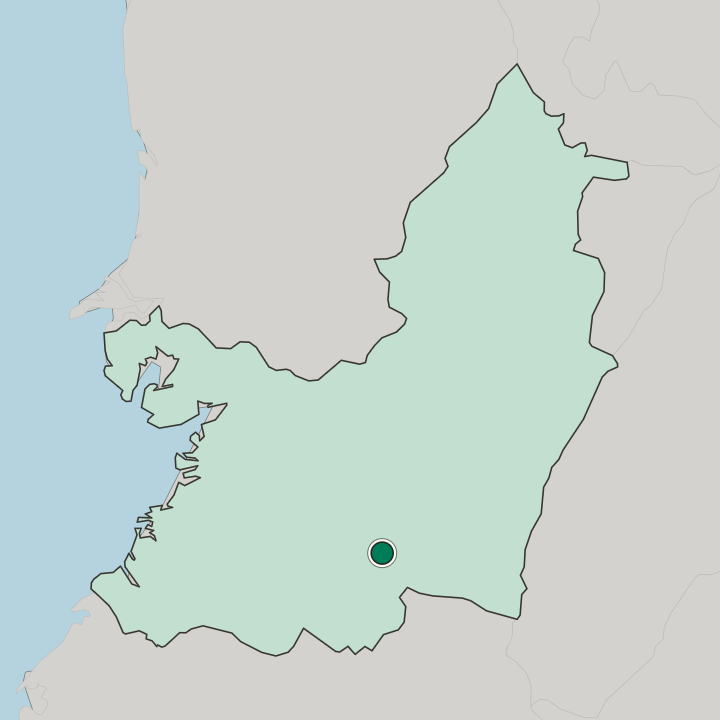
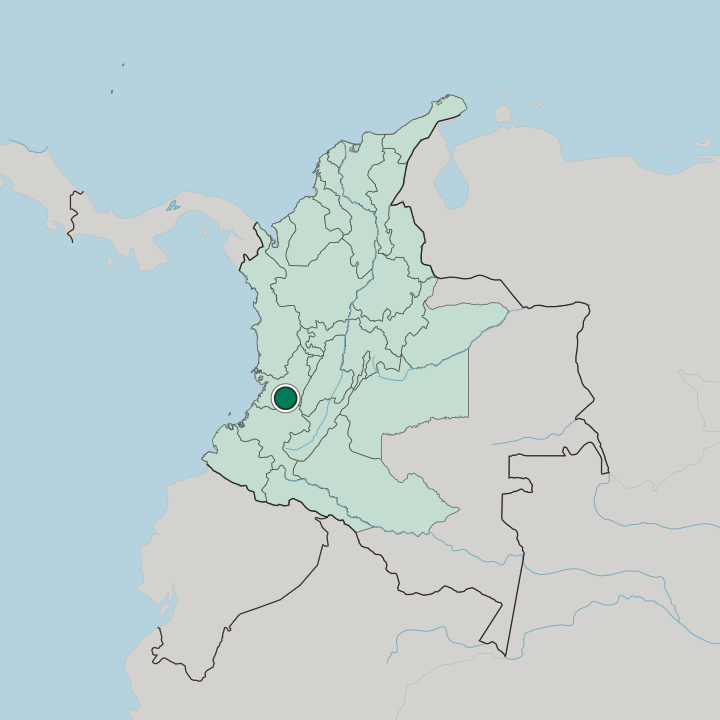
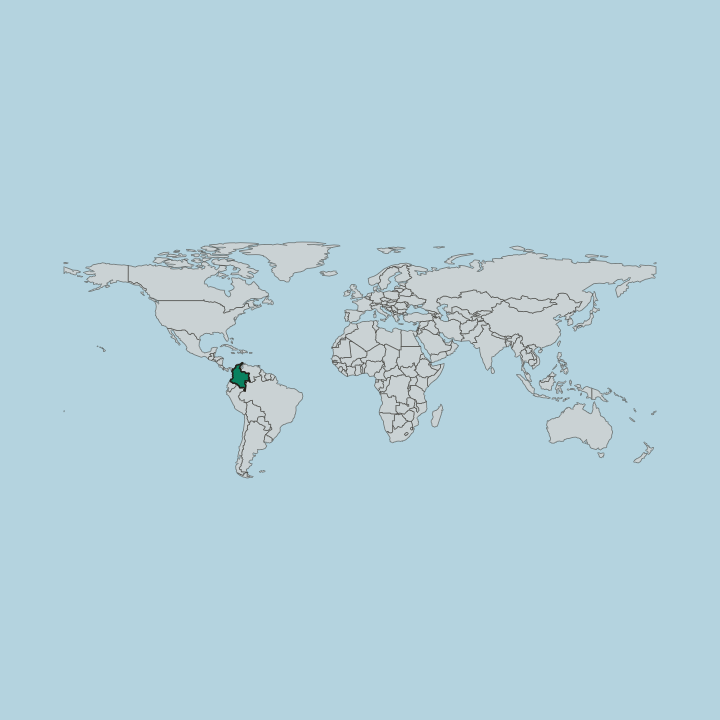
Cali is a tropical city north of the equator, and the built-up area it covers is among the widest in Colombia, second only to one other city on that measure. The Valle del Cauca department is its frame. Roads across the department converge on the departmental capital, and the Metropolitan Cathedral marks the old centre that the later spread grew out from.
What is the climate of Cali?
Cali sits inside the tropical band north of the equator, which flattens the temperature year and leaves rainfall rather than heat or cold to mark one season off from the next. Sunshine holds steady all year. Shade around the Ermita de Cali and the Metropolitan Cathedral is worth building a walking day around, and the Calima Gold Museum makes sensible cover when the rain does arrive.
How do you get to Cali?
Cali is the department's hub. Approaches from the rest of the Valle del Cauca department run inward to the capital, and once inside the city the Metropolitan Cathedral and the Ermita de Cali mark the old centre that most arrivals are aiming for. Distances stretch across the built-up area.
The Christ the King statue and La Tertulia Museum sit far enough from that centre for a ride rather than a walk.
Common questions
What is the best area to stay in Cali?
The Ermita de Cali grid: First visits walking the Ermita de Cali and the Metropolitan Cathedral. The La Tertulia side: Art and film days built on La Tertulia Museum and the Caliwood museum. Toward the Christ the King statue: Stays willing to drive for the Christ the King statue and the view under it. The Torre Mudéjar streets: Quieter nights near the Torre Mudéjar and the Casa de los Títeres.
Good for
More cities in Departamento del Valle del Cauca
Updated October 2026