Colombia · Departamento del Valle del Cauca
Where to Stay in Cartago, Departamento del Valle del Cauca
Cartago, founded in 1540, is a Valle del Cauca city whose Sector Antiguo keeps the colonial grid that its churches still anchor.
Hotel links are affiliate links: booking through them may earn us a commission, at no extra cost to you. It never affects how places are ranked. How this works


Where to stay in Cartago
How the choice of base plays out on the ground.
The colonial quarter is the anchor. Sector Antiguo de la ciudad de Cartago covers the protected old streets, and a room inside it or on its edge leaves the Notre-Dame-du-Mont-Carmel de Cartago cathedral, the Viceroy's House and the Templo de San Francisco a few blocks from the door. Walking works there.
The newer streets wrapped around that quarter are laid out for cars, and they carry a good share of the ordinary room stock without putting anything of the heritage list on your doorstep. Estación del Ferrocarril Cartago is the other reference point. Beds near the old station suit an early departure better than a slow morning spent among chapels, and the walk back into the Sector Antiguo is a short one when the day starts later.
Three churches fix the edges of the walkable zone. The Iglesia de San Jerónimo, the Iglesia de Nuestra Señora de Guadalupe and the Church of Saint Ann, Cartago complete what a visitor can cover on foot before lunch, which makes them a useful test of whether a given address is central or merely near. Past them the municipality turns to country, and rooms thin out once the grid stops.
You want the old quarter if the churches brought you here.
Find hotels in Cartago
Direct booking searches for these neighbourhoods.
Inside the Sector Antiguo
The protected colonial quarter, where the Viceroy's House and the Templo de San Francisco stand a few blocks apartFind hotels in Inside the Sector AntiguoEarly departures timed off the Estación del Ferrocarril CartagoBy the Estación del Ferrocarril Cartago
Ground around the old railway station, set apart from the chapels and quicker to leave the city fromFind hotels in By the Estación del Ferrocarril CartagoQuieter nights at the walking limit near the Iglesia de San JerónimoThe Iglesia de San Jerónimo edge
Streets between the Iglesia de San Jerónimo and the Iglesia de Nuestra Señora de Guadalupe, still a morning's walk from the cathedralFind hotels in The Iglesia de San Jerónimo edgeDrivers happy to sleep past the Cartago grid and come in for the heritage streetsThe outer Cartago municipality
Country ground beyond the Sector Antiguo de la ciudad de Cartago, where rooms are few and a car is assumed. Beds are limited here, so book early.Find hotels in The outer Cartago municipalityHotel links are affiliate links: booking through them may earn us a commission, at no extra cost to you. It never affects how places are ranked. How this works
Things to do in Cartago
Ranked by global recognition; descriptions from Wikidata (CC0).
Museums & Galleries
1- Viceroy's House Heritage
Churches & Religious Sites
1- Notre-Dame-du-Mont-Carmel de Cartago cathedral
Castles & Historic Sites
6- Templo de San Francisco Heritage
- Church of Saint Ann, Cartago Heritage
- Estación del Ferrocarril Cartago Heritage
- Iglesia de Nuestra Señora de Guadalupe Heritage
- Iglesia de San Jerónimo Heritage
Show 1 more →
- Sector Antiguo de la ciudad de Cartago Heritage
worth knowingacross 3 categories in Cartago
About Cartago
Churches set the tone.
What is Cartago known for?
The Notre-Dame-du-Mont-Carmel de Cartago cathedral heads a list running through the Templo de San Francisco, the Iglesia de San Jerónimo and the Iglesia de Nuestra Señora de Guadalupe, nearly all of them inside or beside the Sector Antiguo de la ciudad de Cartago. The Viceroy's House is the exception. It is the one protected building on that list that was never a place of worship.
What are the main landmarks in Cartago?
The heritage list is short and mostly sacred. Notre-Dame-du-Mont-Carmel de Cartago cathedral leads it, with the Templo de San Francisco, the Iglesia de San Jerónimo, the Iglesia de Nuestra Señora de Guadalupe and the Church of Saint Ann, Cartago filling out the religious side of a register that covers a single walkable quarter. Two entries break that pattern.
The Viceroy's House stands for the colonial civic side and Estación del Ferrocarril Cartago for the railway age, while Sector Antiguo de la ciudad de Cartago protects the streets holding them together.
What is the history of Cartago?
1540 is the founding year. Cartago was established then, and the buildings that survive from the centuries after it, the Notre-Dame-du-Mont-Carmel de Cartago cathedral, the Templo de San Francisco, the Iglesia de San Jerónimo and the Church of Saint Ann, Cartago, are the clearest record the colonial period left in the street plan. The Viceroy's House belongs to that same order.
Its survival is part of why Sector Antiguo de la ciudad de Cartago is protected as a whole quarter rather than as a scatter of separate monuments, since the civic and religious fabric there still stand together. Rail reached Cartago later. Estación del Ferrocarril Cartago is the one industrial-age structure on the city's heritage register, and it records the arrival of track in a town whose earlier fabric was entirely colonial, changing how goods and people reached the Valle del Cauca department without displacing the old grid.
Building for worship carried on regardless. The Iglesia de Nuestra Señora de Guadalupe sits with the older churches rather than apart from them, and the effect of that continuity is a centre where four centuries of construction read as one quarter. Colombia's departmental system later fixed Cartago inside Valle del Cauca as a municipal seat. The working town grew outward from there, leaving the colonial core legible.
That legibility is the city's inheritance.
Where is Cartago?
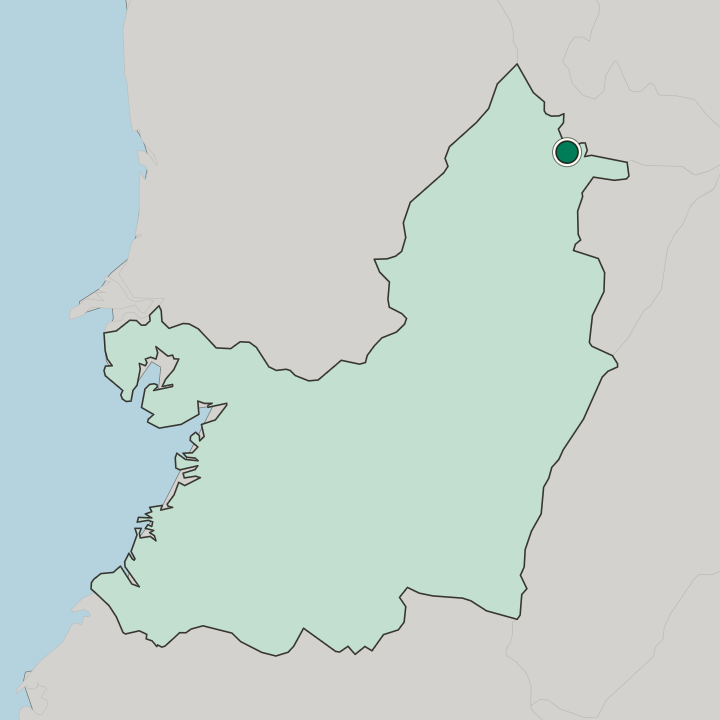
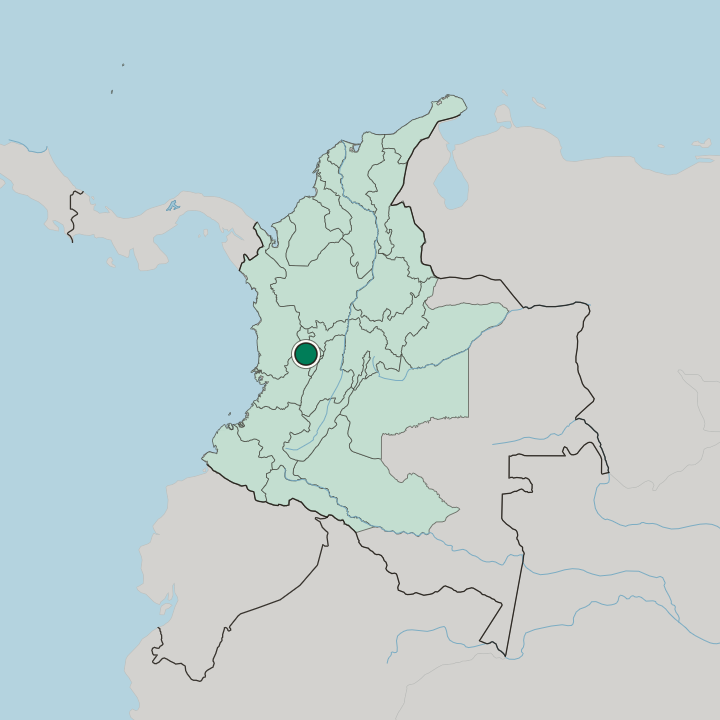
Cartago lies north of the equator inside the Valle del Cauca department, and its municipal boundary takes in a fair stretch of country beyond the streets that Sector Antiguo de la ciudad de Cartago occupies. Seasons answer to the tropics. Colombia divides this region into departments, and Cartago is one of the municipal seats Valle del Cauca administers, which fixes its position for a traveller better than any landform does.
What is the climate of Cartago?
Rain, not temperature, marks the calendar. Cartago sits in the tropical band north of the equator, so the thermometer moves far less across the year than a visitor from a temperate country expects, and the planning question becomes wet or dry rather than warm or cold. Shade is worth seeking out.
The thick walls of the Templo de San Francisco and the cathedral give it as reliably as any awning in the Sector Antiguo.
How do you get to Cartago?
Rail came first. Estación del Ferrocarril Cartago marks where the town's traffic once landed, and although arrivals now reach Cartago mainly by road from elsewhere in the Valle del Cauca department, that station survives on the heritage register as the record of the earlier route. Directions run off the cathedral.
Notre-Dame-du-Mont-Carmel de Cartago cathedral is the landmark most people point from, with the Sector Antiguo de la ciudad de Cartago spread around it.
Common questions
What is the best area to stay in Cartago?
Inside the Sector Antiguo: Church days centred on the Notre-Dame-du-Mont-Carmel de Cartago cathedral. By the Estación del Ferrocarril Cartago: Early departures timed off the Estación del Ferrocarril Cartago. The Iglesia de San Jerónimo edge: Quieter nights at the walking limit near the Iglesia de San Jerónimo. The outer Cartago municipality: Drivers happy to sleep past the Cartago grid and come in for the heritage streets.
Good for
More cities in Departamento del Valle del Cauca
Updated October 2026