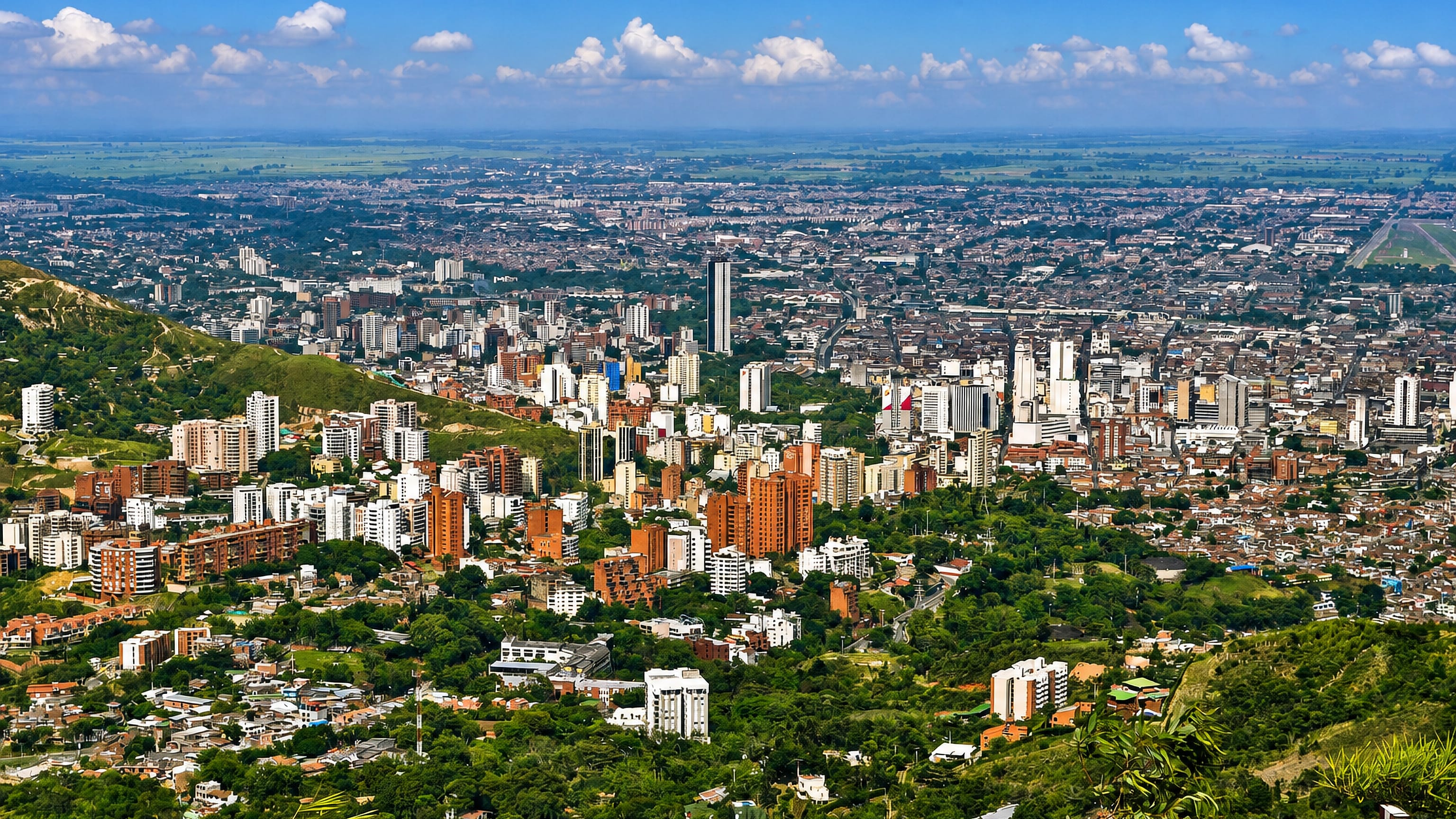
Colombia
Departamento del Valle del Cauca, Colombia — Towns & Travel Guide
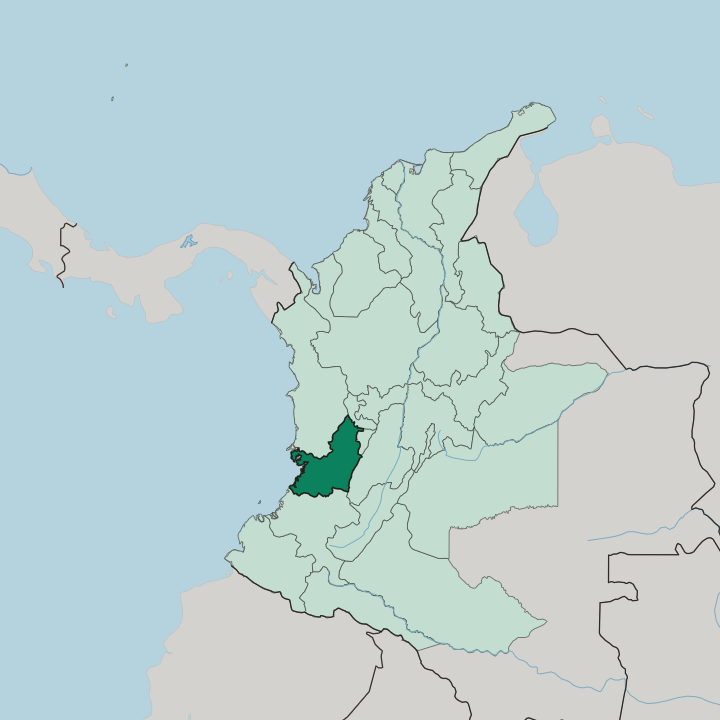
Valle del Cauca fills the Cauca River valley of western Colombia, from Andean ridges down to the Pacific port of Buenaventura.
Hotel links are affiliate links: booking through them may earn us a commission, at no extra cost to you. It never affects how places are ranked. How this works


Towns & cities in Departamento del Valle del Cauca
Pick a town or city — each links to where to stay.

 Colombia
Cali
Santiago de Cali, founded in 1536, is the capital of the Valle del Cauca department and one of Colombia's largest industrial cities.Where to stay →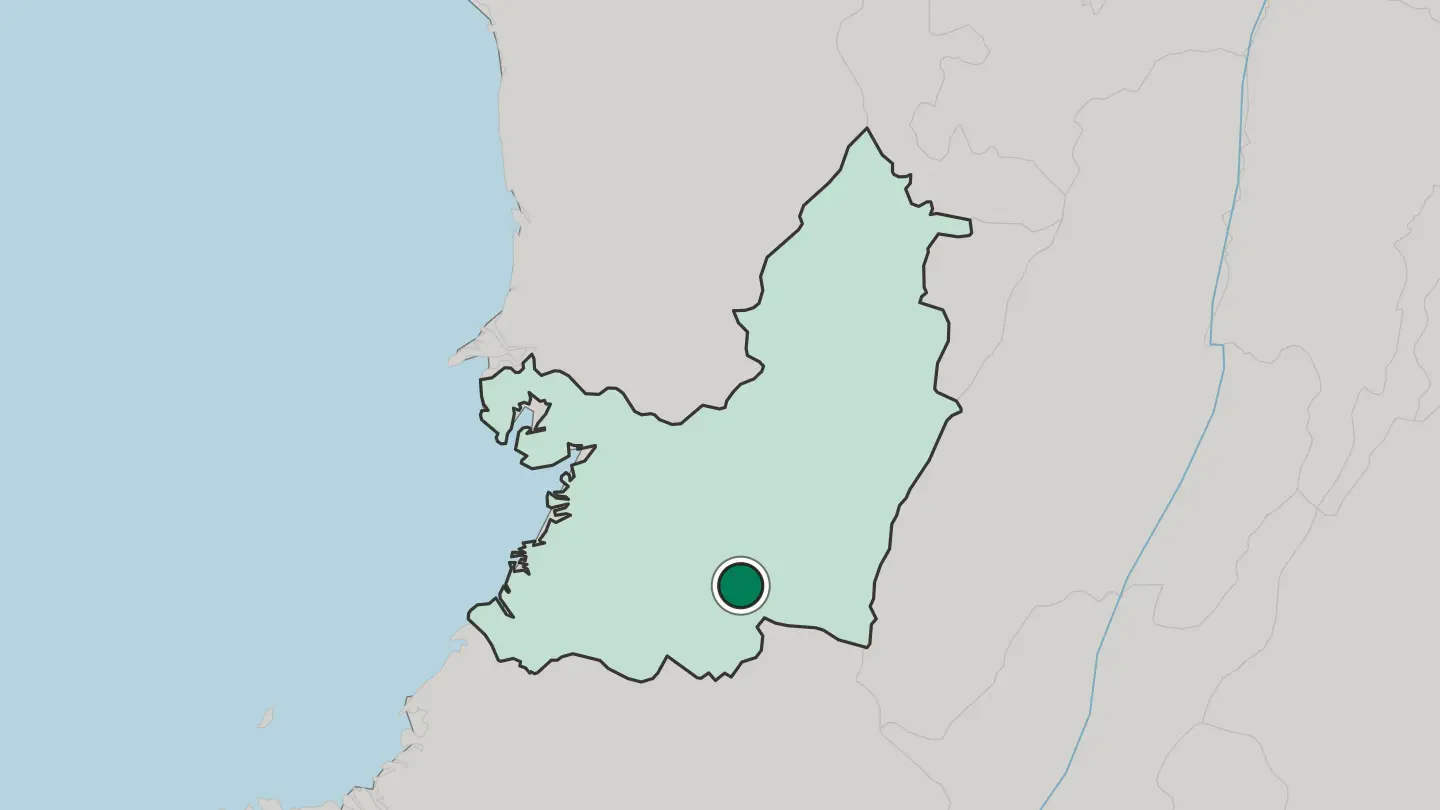
 Colombia
Palmira
Palmira, founded in 1824, stands 27 kilometres east of Cali and carries the title Agricultural Capital of Colombia.Where to stay →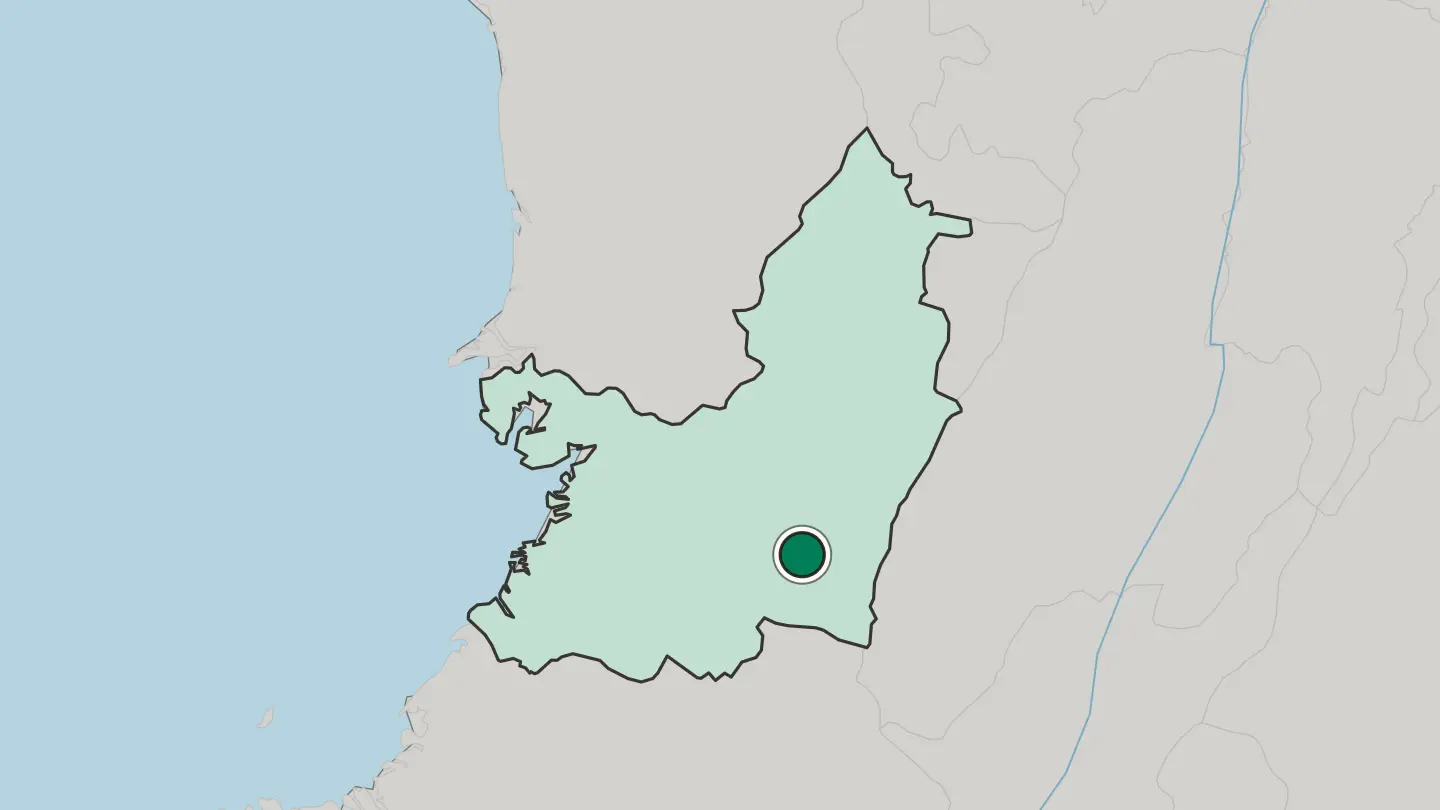
 Colombia
Buenaventura
Buenaventura is a city in the Departamento del Valle del Cauca, one of the departments of Colombia.Where to stay →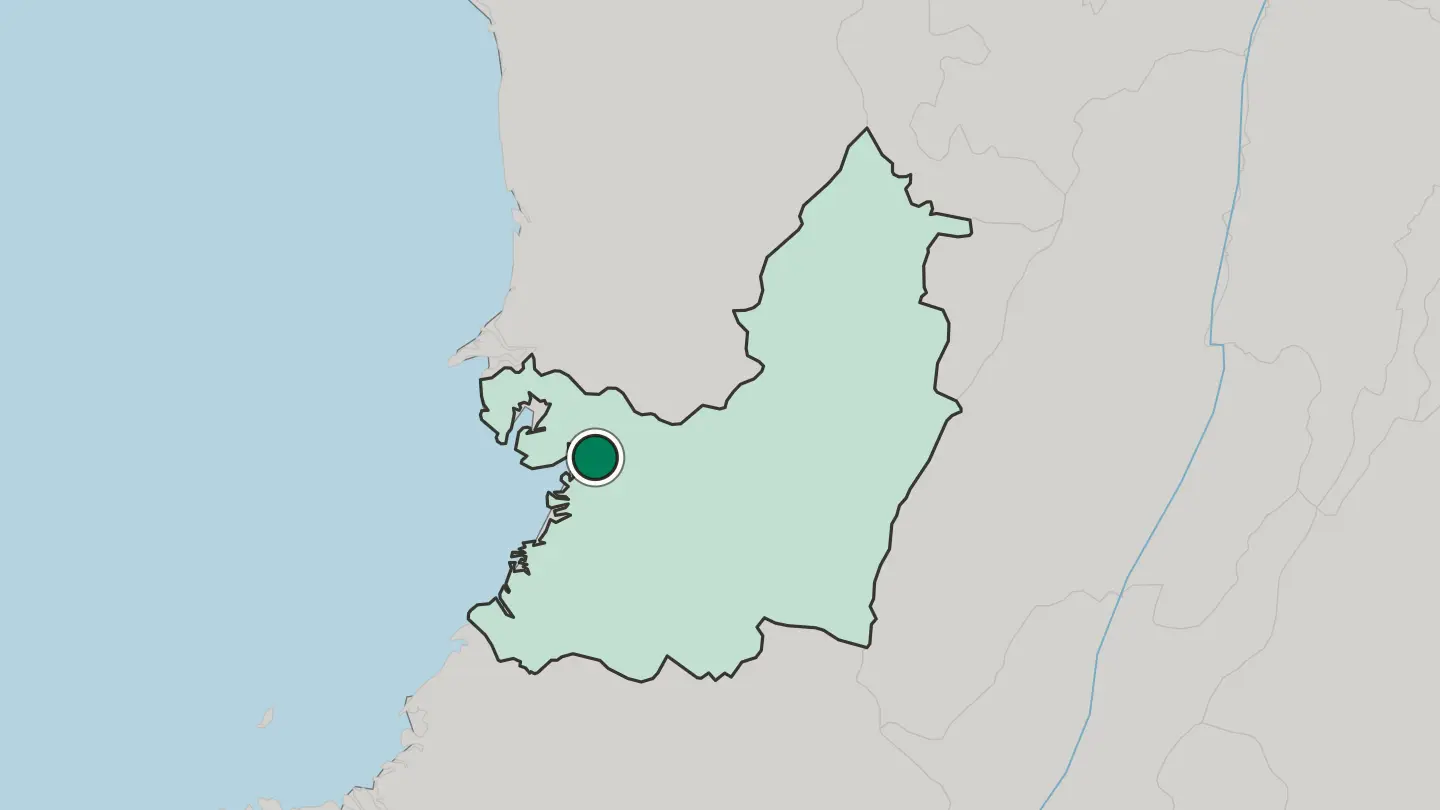
 Colombia
Tuluá
Tuluá lies in the heart of Valle del Cauca, an industrial and commercial city known across the region as the Corazón del Valle.Where to stay →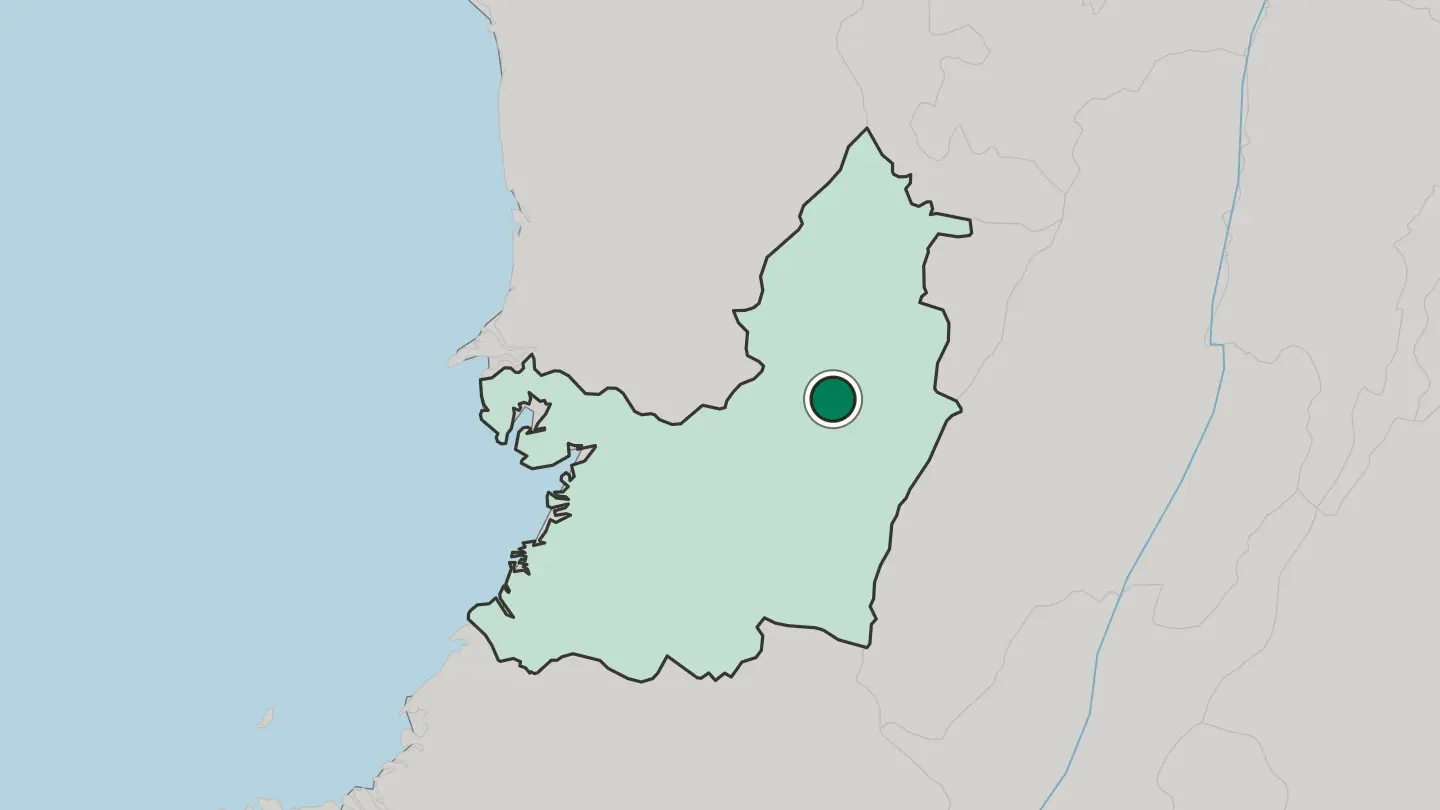 Colombia
Cartago
Cartago, founded in 1540, is a Valle del Cauca city whose Sector Antiguo keeps the colonial grid that its churches still anchor.Where to stay →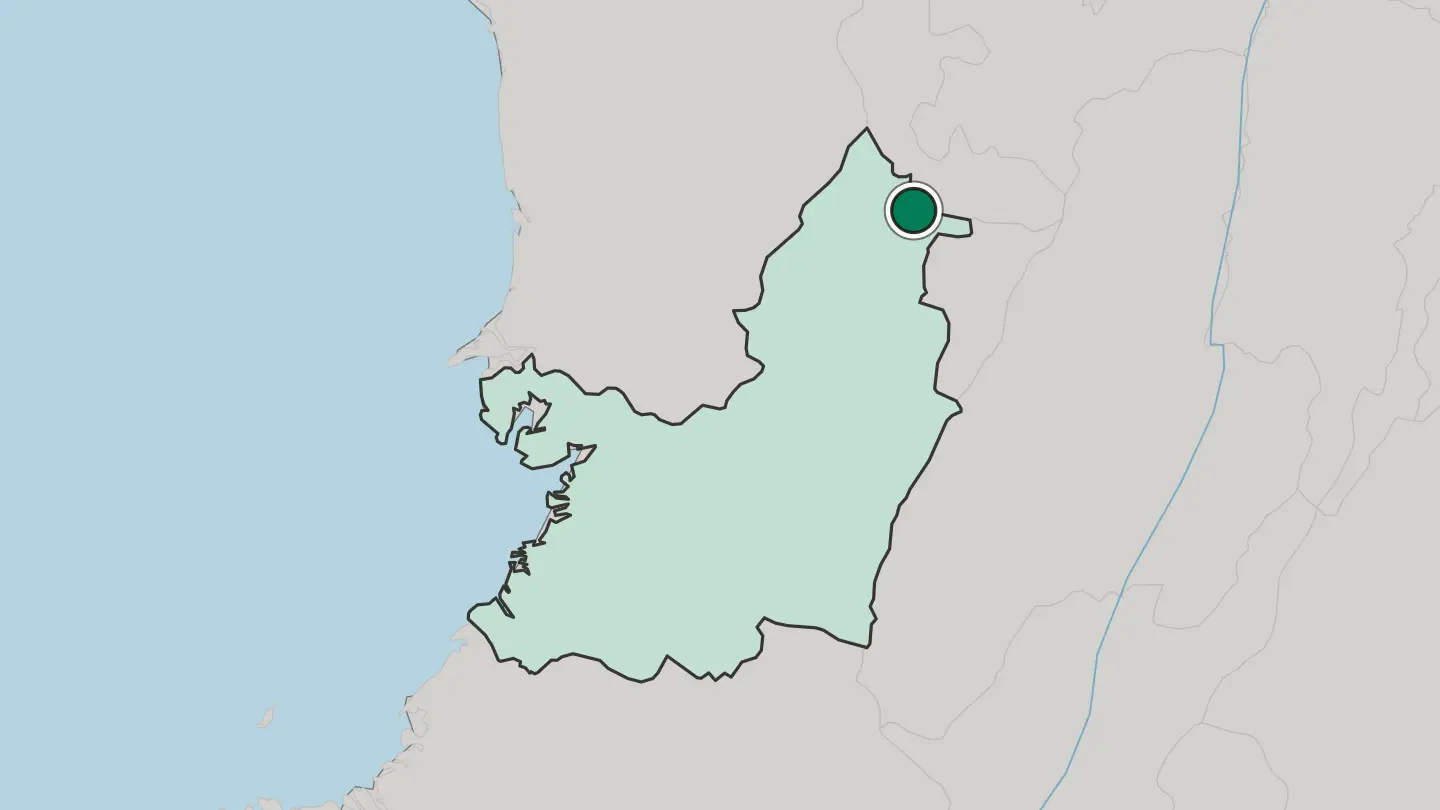 Colombia
Guadalajara de Buga
Guadalajara de Buga, known simply as Buga, is an old colonial town in Valle del Cauca built around the Basílica del Señor de los Milagros.Where to stay →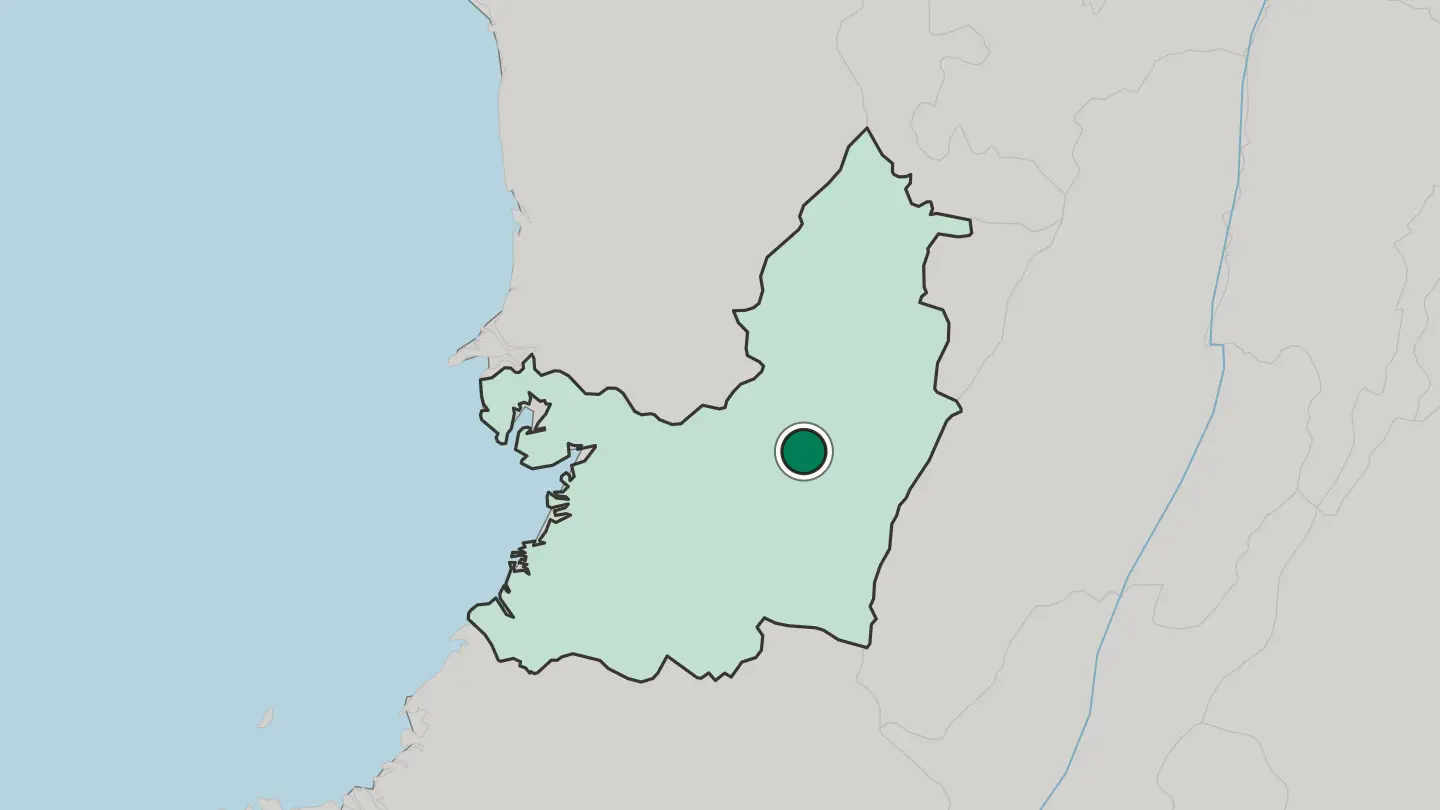
Hotel links are affiliate links: booking through them may earn us a commission, at no extra cost to you. It never affects how places are ranked. How this works
About Departamento del Valle del Cauca
Sugarcane and salsa.
What is Departamento del Valle del Cauca known for?
The flat floor of the Cauca River valley grows most of Colombia's cane, worked from old haciendas around Palmira, Buga and Tuluá. Santiago de Cali, the capital, dances to its own fast Salsa Caleña. Out west, past the Cordillera Occidental, the department drops to Buenaventura, the country's busiest Pacific seaport and the way most of Colombia's trade reaches the ocean.
Where is Departamento del Valle del Cauca?
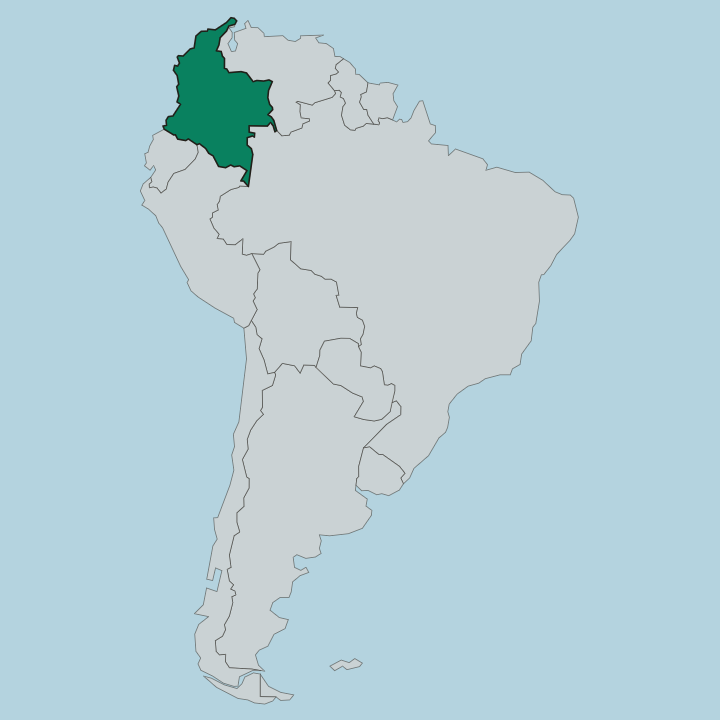
Valle del Cauca lies in western Colombia, folded between two arms of the Andes and open to the Pacific Ocean. Its shape follows the land in three steps. Down the middle runs the broad, flat trough of the upper Cauca River, the fertile floor that gives the department its name and grows its cane.
Two walls frame it. The Cordillera Occidental rises to the west and the Cordillera Central to the east, both branches of the Colombian Andes. West of that range the ground falls away, through cloud forest to humid jungle lowlands and the Pacific shore at Buenaventura.
The department is really a cross-section of the whole country, ocean to river-plain to high ridge in the space of a single day's drive. Santiago de Cali sits on the valley floor at the foot of the Farallones de Cali, the sharp peaks that close off the city's western sky. The Cauca itself rises south near Popayán.
It then runs north the length of the valley, gathering the streams that pour off both cordilleras before it leaves the department for the rest of Colombia. Chocó and the ocean bound it westward, Cauca to the south, Tolima to the east, Quindío and Risaralda to the north. Six of its towns hold more than a hundred thousand people each.
What is Departamento del Valle del Cauca like?
The department moves to salsa. In Santiago de Cali the music arrived through the port of Buenaventura in the mid-twentieth century, carried up from Cuba and New York, and the city's Afro-Colombian dancers turned it into something faster and lighter of foot than anywhere else. That style, Salsa Caleña, is danced in neighbourhood clubs and street parties and was named cultural heritage of the nation.
Its footwork is unmistakable. The Pacific side of the department feeds a second current, the marimba-driven music of the coast that fills the Petronio Álvarez festival each year, when Afro-Colombian ensembles from Buenaventura and beyond take over Cali. Two rhythms, one department.
Beyond the music, the culture grew out of the cane. The old sugar haciendas along the Cauca valley, worked over centuries by African-descended labour, shaped the food, the speech and the social order of the flat country between the cordilleras, and the writer Jorge Isaacs set his novel María on exactly these estates. Spanish is the shared language, spoken with the quick Valluno accent that outsiders pick out at once.
Faith runs through it too, gathered most visibly at the Basilica of the Lord of Miracles in Buga, where pilgrims arrive from across Colombia. City salsa and coastal marimba, cane fields and cathedrals, all belong to the same place.
What is the history of Departamento del Valle del Cauca?
The story starts with cane. Santiago de Cali was founded in 1536 by the conquistador Sebastián de Belalcázar, on the western bank of the Cauca River amid the lands of the Gorrón and other peoples, and he is credited with planting the first sugarcane in the valley. The crop then spread from hacienda to hacienda down the fertile river floor.
For most of the colonial and republican era the whole southwest was administered together as Cauca, a sprawling province that reached from the crest of the Andes down to the Pacific. The modern department is far younger. Valle del Cauca was carved out as a separate department by decree in 1910, with Cali as its capital, and the sugar boom of the twentieth century then turned its old estates into the industrial cane belt that still defines the valley.
What is the climate of Departamento del Valle del Cauca?
The mountains split the weather in two. On the Cauca valley floor Santiago de Cali stays warm and tropical the year round, cooled a little by the ridges, with two drier stretches and two rainier ones rather than a single wet season. Cross west over the Cordillera Occidental and everything changes.
Buenaventura, on the windward Pacific slope, is among the wettest inhabited places on earth, soaked by rain that the coastal mountains wring out before it can reach Cali. That rain shadow is why the cane country of the valley stays sunny while the coast drips under near-constant cloud.
How do you get to Departamento del Valle del Cauca?
Most visitors fly into Cali. The Alfonso Bonilla Aragón International Airport sits out on the valley floor near Palmira, a short drive northeast of the city, and carries the region's flights from Bogotá, Medellín and abroad. From there roads run north up the Cauca valley through Buga and Tuluá to Cartago, and one climbs west over the Cordillera Occidental to drop down to Buenaventura and the Pacific coast.
That port also links the department to the ocean, handling the ships that carry much of Colombia's seaborne trade.
Common questions
What is the best area to stay in Departamento del Valle del Cauca?
Santiago de Cali: salsa nights and the Cali base. Guadalajara de Buga: the Basilica and pilgrimage. Buenaventura and the Pacific beaches: the Pacific coast and whale season. Palmira and the sugar country: sugar-hacienda country.
Good for
More regions in Colombia
- Distrito Capital de Bogotá
- Departamento de Antioquia
- Departamento de Cundinamarca
- Departamento del Atlántico
- Departamento de Santander
- Departamento de Bolívar
- Departamento de Córdoba
- Departamento de Nariño
- Departamento de Norte de Santander
- Departamento del Cauca
- Departamento del Magdalena
- Departamento de Tolima
Updated September 2026