Colombia · Departamento del Valle del Cauca
Where to Stay in Palmira, Departamento del Valle del Cauca
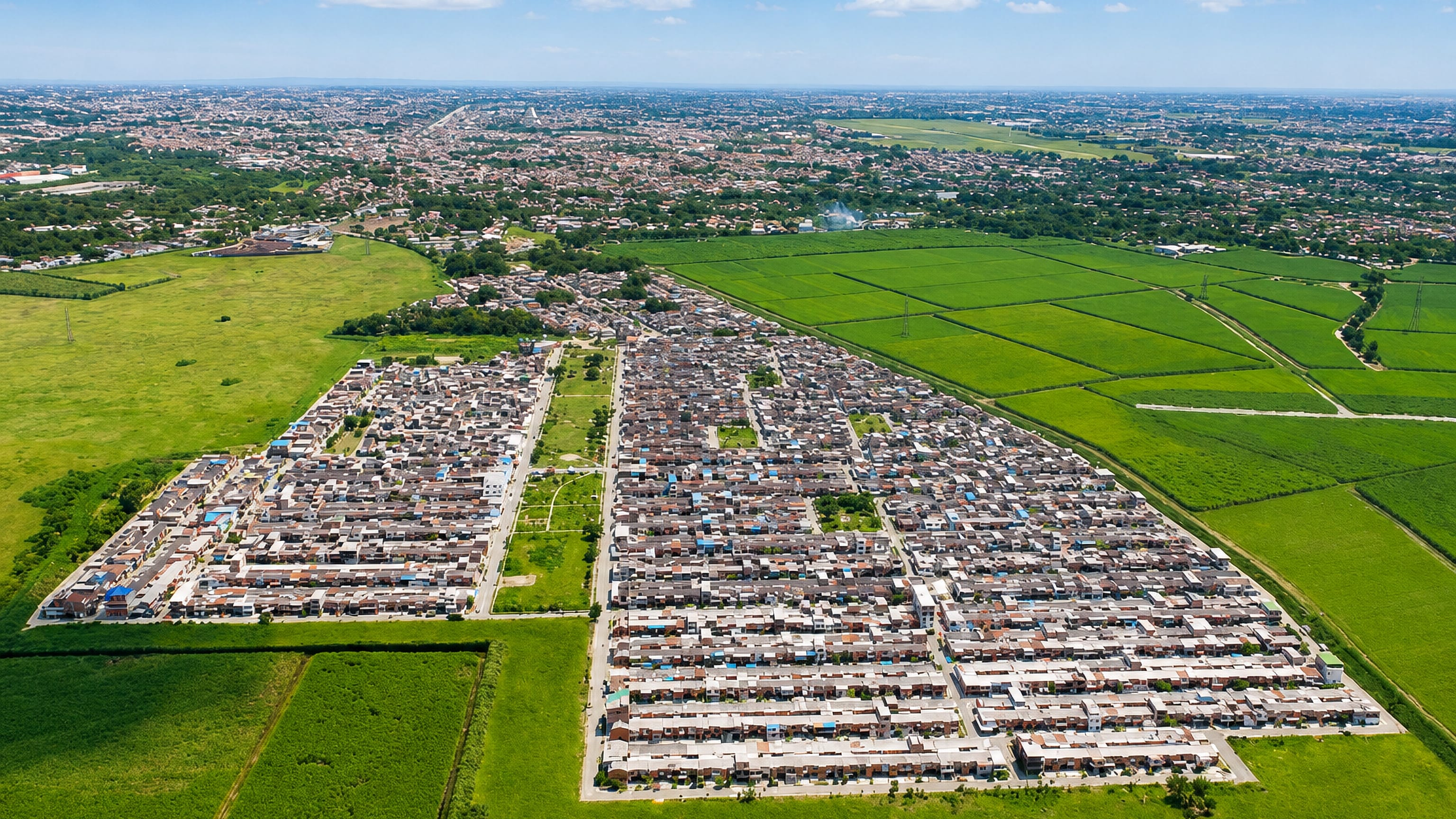
Palmira, founded in 1824, stands 27 kilometres east of Cali and carries the title Agricultural Capital of Colombia.
Hotel links are affiliate links: booking through them may earn us a commission, at no extra cost to you. It never affects how places are ranked. How this works


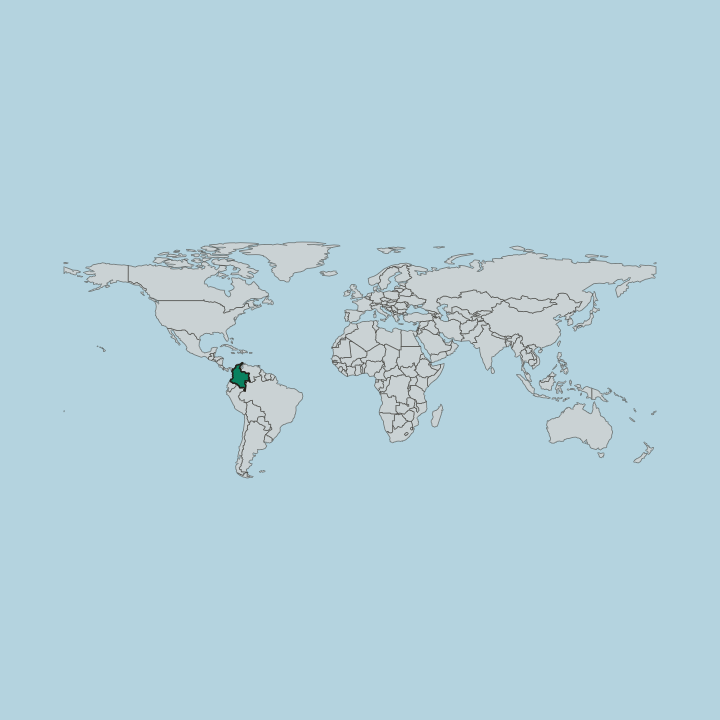
Where to stay in Palmira
How the choice of base plays out on the ground.
Straight streets make this easy. The Catedral de Nuestra Señora del Rosario del Palmar marks the middle of Palmira, and rooms around it leave the Antiguo Edificio de la Alcaldía de Palmira, the Museo Arqueológico de Palmira and the everyday business of the centre inside a few blocks of walking. It is the tightest base in town.
Those same blocks sit nearest Estación del Ferrocarril de Palmira, so the old rail frontage stays in view from the centre. Cali is only 27 kilometres away. Travellers wanting a wider choice of hotels often sleep there and treat Palmira as a day out, which works because the road between the two is short, though it costs the early hours when the farm traffic moves and the town is most itself.
The university side follows a different logic. Beds near the Facultad de Agronomía de la Universidad Nacional -Seccional Palmira suit anyone here for the agricultural institutions, and the Ramón Elías López Coliseum stands on that same outward edge of the grid. Past the built-up area the municipality becomes farmland marked by old halts, Estación del Ferrocarril La Manuelita, Estación del Ferrocarril Caucaseco, Estación del Ferrocarril Guanabanal and Estación del Ferrocarril Río Claro, where a bed is a rare thing.
You want the cathedral blocks for a single night.
Few places to stay in Palmira — most visitors book in Cali nearby.
Find hotels in Palmira
Direct booking searches for these neighbourhoods.
Around the Catedral de Nuestra Señora del Rosario del Palmar
The central blocks where the cathedral, the old alcaldía building and the Museo Arqueológico de Palmira stand togetherFind hotels in Around the Catedral de Nuestra Señora del Rosario del PalmarStays that want the old Palmira station in view from the doorThe Estación del Ferrocarril de Palmira frontage
The rail frontage beside the centre, close enough to reach the cathedral blocks on footFind hotels in The Estación del Ferrocarril de Palmira frontageVisitors to the agronomy faculty or the Ramón Elías López ColiseumThe Facultad de Agronomía edge
The outward edge of the grid holding the Facultad de Agronomía de la Universidad Nacional -Seccional Palmira and the coliseumFind hotels in The Facultad de Agronomía edgeNights out among the fields near La Manuelita and GuanabanalThe old halts in the farmland
Palmira's agricultural hinterland, where Estación del Ferrocarril La Manuelita and Estación del Ferrocarril Guanabanal stand and rooms are scarce. Lodging is scarce in this area; reserve in advance.Find hotels in The old halts in the farmlandHotel links are affiliate links: booking through them may earn us a commission, at no extra cost to you. It never affects how places are ranked. How this works
Things to do in Palmira
Ranked by global recognition; descriptions from Wikidata (CC0).
Museums & Galleries
1- Museo Arqueológico de Palmira
Churches & Religious Sites
1- Catedral de Nuestra Señora del Rosario del Palmar Heritage
Castles & Historic Sites
7- Estación del Ferrocarril de Palmira Heritage
- Antiguo Edificio de la Alcaldía de Palmira Heritage
- Estación del Ferrocarril Caucaseco Heritage
- Estación del Ferrocarril Guanabanal Heritage
- Estación del Ferrocarril La Manuelita Heritage
Show 2 more →
- Estación del Ferrocarril Río Claro Heritage
- Facultad de Agronomía de la Facultad de Agronomía de la Universidad Nacional -Seccional Palmira Heritage
Stadiums & Sports
1- Ramón Elías López Coliseum
worth knowingacross 4 categories in Palmira
About Palmira
Farming made the reputation.
What is Palmira known for?
Palmira answers to the title Agricultural Capital of Colombia, and the Facultad de Agronomía de la Universidad Nacional -Seccional Palmira puts teaching and research behind that claim rather than leaving it to a slogan, with the farmland of the Valle del Cauca department worked all around the town. Older layers sit indoors. Museo Arqueológico de Palmira keeps the record of what the ground held before the fields were laid out.
What are the main landmarks in Palmira?
Railway buildings dominate the register. Estación del Ferrocarril de Palmira is joined on the heritage list by Estación del Ferrocarril La Manuelita, Estación del Ferrocarril Caucaseco, Estación del Ferrocarril Guanabanal and Estación del Ferrocarril Río Claro, which is five stations for one municipality. The town proper is shorter on monuments.
Catedral de Nuestra Señora del Rosario del Palmar and the Antiguo Edificio de la Alcaldía de Palmira anchor the centre, while the Museo Arqueológico de Palmira, the Ramón Elías López Coliseum, the Facultad de Agronomía de la Universidad Nacional -Seccional Palmira and the sculpture Canto complete it.
What is the history of Palmira?
The year on the record is 1824. Palmira was founded then, which makes it markedly younger than the colonial towns of the Valle del Cauca department around it, and the Antiguo Edificio de la Alcaldía de Palmira is the building that best preserves the civic order the new town set up for itself. The Catedral de Nuestra Señora del Rosario del Palmar came with that order.
Its dedication is the one the parish has carried ever since. Track did the rest of the work. Estación del Ferrocarril de Palmira is merely the largest of five stations on the municipality's heritage list, and Estación del Ferrocarril La Manuelita, Estación del Ferrocarril Caucaseco, Estación del Ferrocarril Guanabanal and Estación del Ferrocarril Río Claro show how thoroughly the railway once laced the farmland worked around the town.
Agriculture followed the rails into the lecture hall. The Facultad de Agronomía de la Universidad Nacional -Seccional Palmira put formal research behind the fields that had made the place, and the name Agricultural Capital of Colombia stayed attached to Palmira afterwards. Cali, 27 kilometres west, kept the departmental capital's role while Palmira grew into the second city of Valle del Cauca.
Older ground is kept indoors. Museo Arqueológico de Palmira holds that earlier record, and the Ramón Elías López Coliseum and the sculpture Canto belong to the town's later civic life.
Where is Palmira?
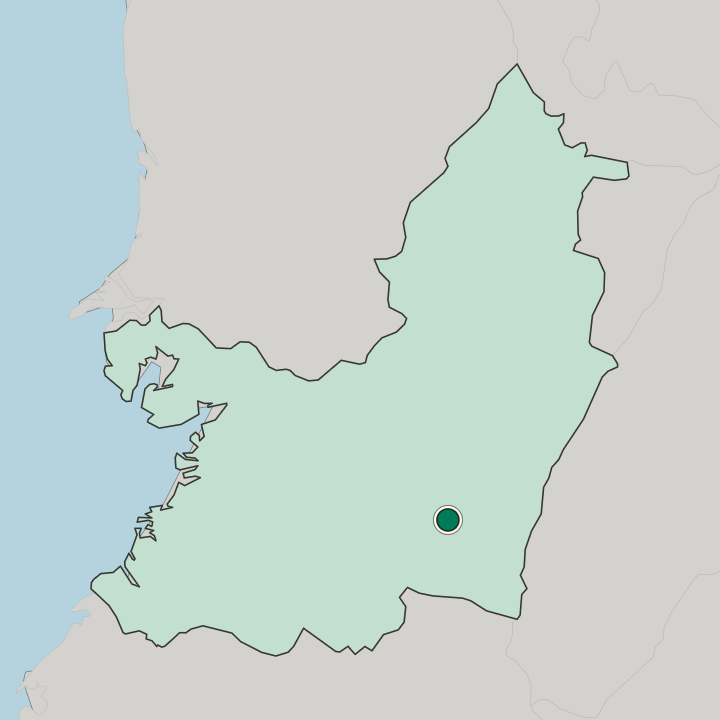
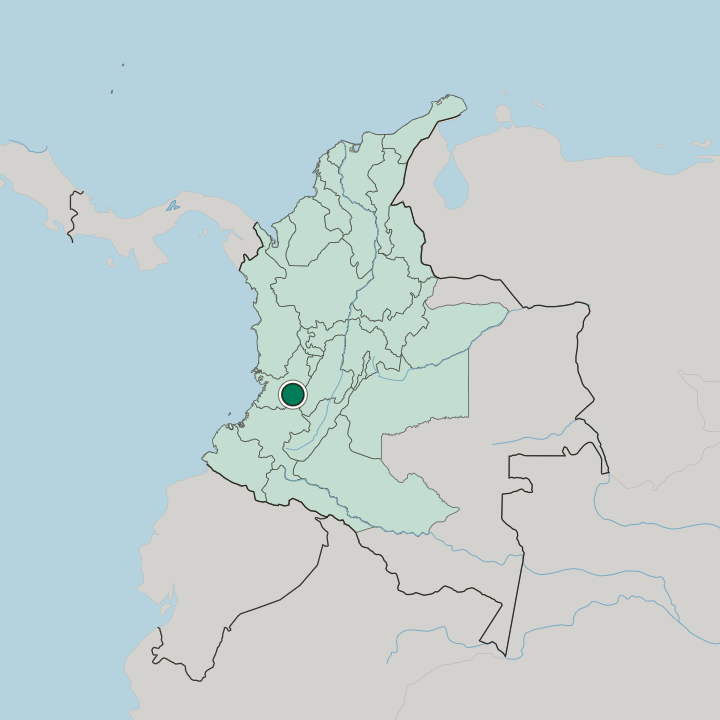
Twenty-seven kilometres separate Palmira from Cali. The town lies east of the departmental capital on flat farming ground, ranking second in size within Valle del Cauca behind Cali alone, and its municipal boundary runs far out across country still marked by Estación del Ferrocarril Guanabanal and the other old halts. The tropics hold it north of the equator.
What is the climate of Palmira?
Growers here watch rain, not thermometers. Palmira lies inside the tropical band north of the equator, so its working year turns on wet spells and dry ones instead of on any change of season, and the fields that earned the town its agricultural title are planted to that rhythm. Downtown shade is easy.
The Catedral de Nuestra Señora del Rosario del Palmar and the Museo Arqueológico de Palmira both supply it.
How do you get to Palmira?
The Cali road does most of the work. Palmira lies 27 kilometres east of the departmental capital, near enough that road travel is the normal way in for visitors and for the produce leaving the municipality's farms. Five old stations survive.
Estación del Ferrocarril de Palmira is the town's own, while Estación del Ferrocarril Caucaseco, Estación del Ferrocarril Guanabanal and Estación del Ferrocarril Río Claro stand out among the fields.
Common questions
What is the best area to stay in Palmira?
Around the Catedral de Nuestra Señora del Rosario del Palmar: Single nights walking to the Antiguo Edificio de la Alcaldía de Palmira. The Estación del Ferrocarril de Palmira frontage: Stays that want the old Palmira station in view from the door. The Facultad de Agronomía edge: Visitors to the agronomy faculty or the Ramón Elías López Coliseum. The old halts in the farmland: Nights out among the fields near La Manuelita and Guanabanal. Cali as the base instead: Wider hotel choice a short road run from the Palmira cathedral.
More cities in Departamento del Valle del Cauca
Updated October 2026