Colombia · Distrito Capital de Bogotá
Where to Stay in Bogotá, Distrito Capital de Bogotá
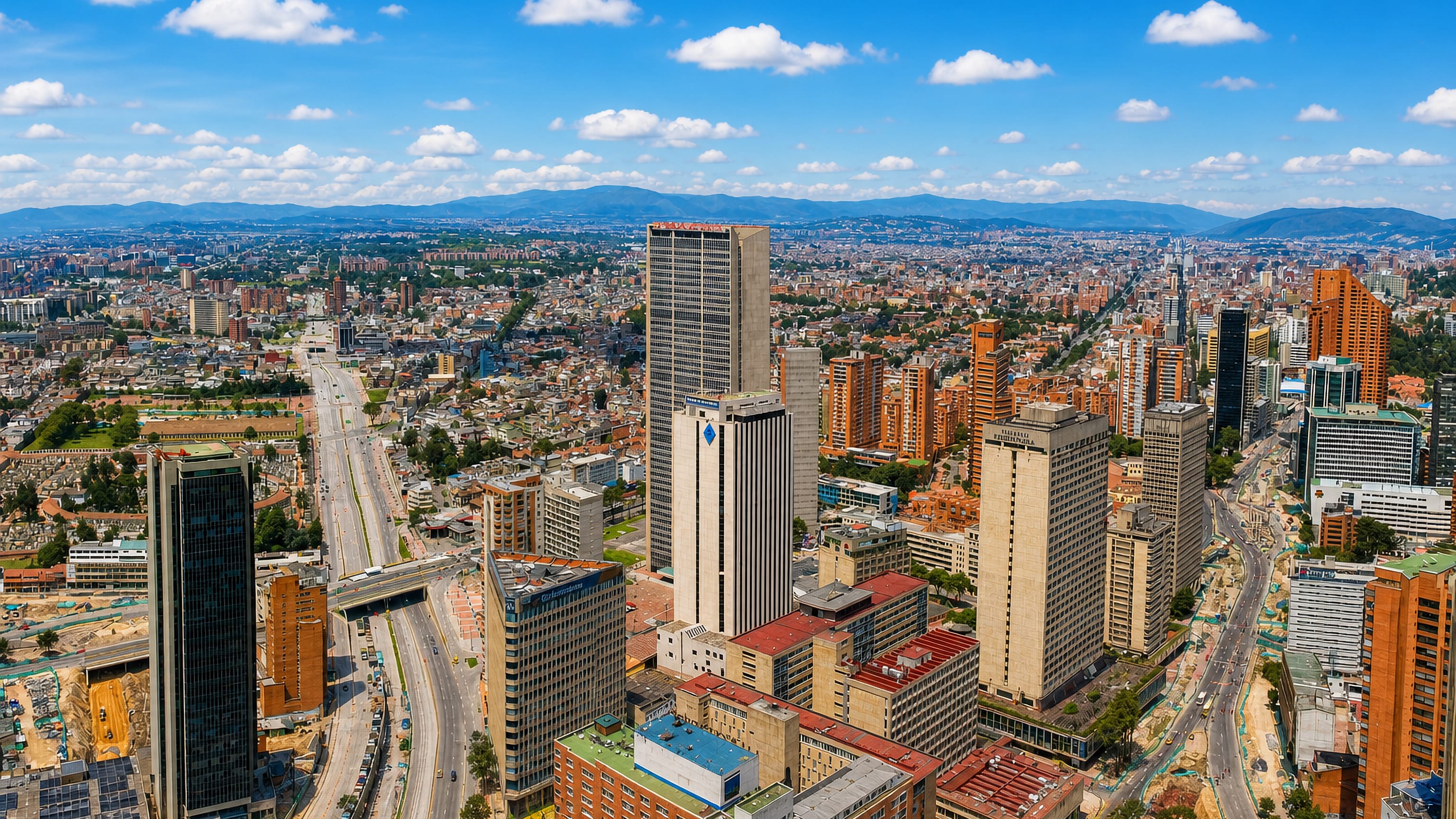
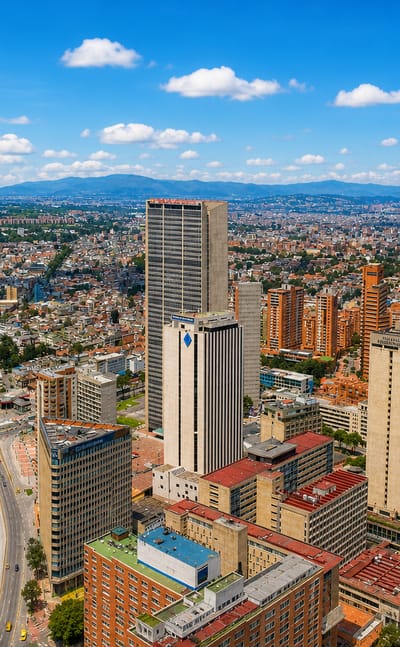
The Gold Museum anchors Bogotá, the capital and largest city of Colombia, a metropolis of colonial churches and grand museums founded in 1538.
Hotel links are affiliate links: booking through them may earn us a commission, at no extra cost to you. It never affects how places are ranked. How this works


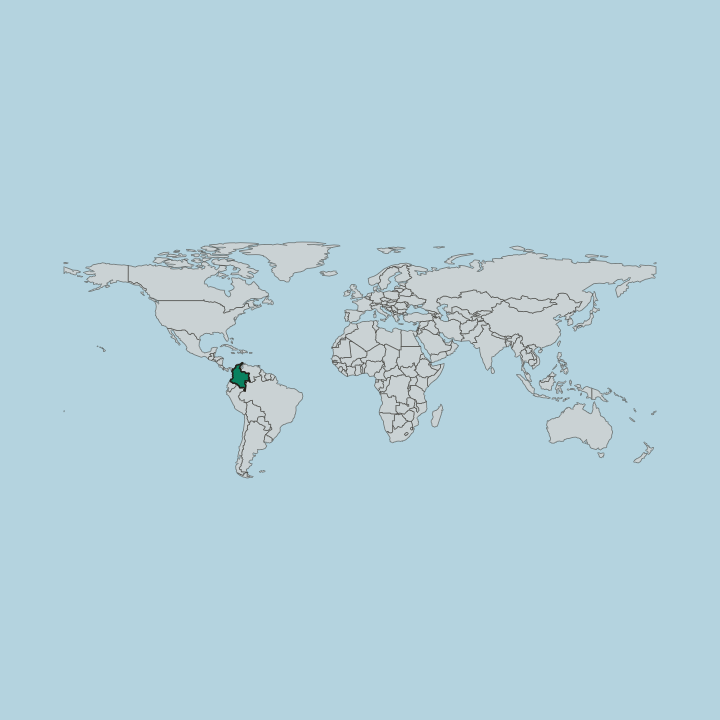
Where to stay in Bogotá
The right area depends on your trip — here's what each neighbourhood is best for.
 BogotáColombia
Santa Fe
Santa Fe is a locality of Bogotá, holding the Gold Museum and the hill of Monserrate.Santa Fe →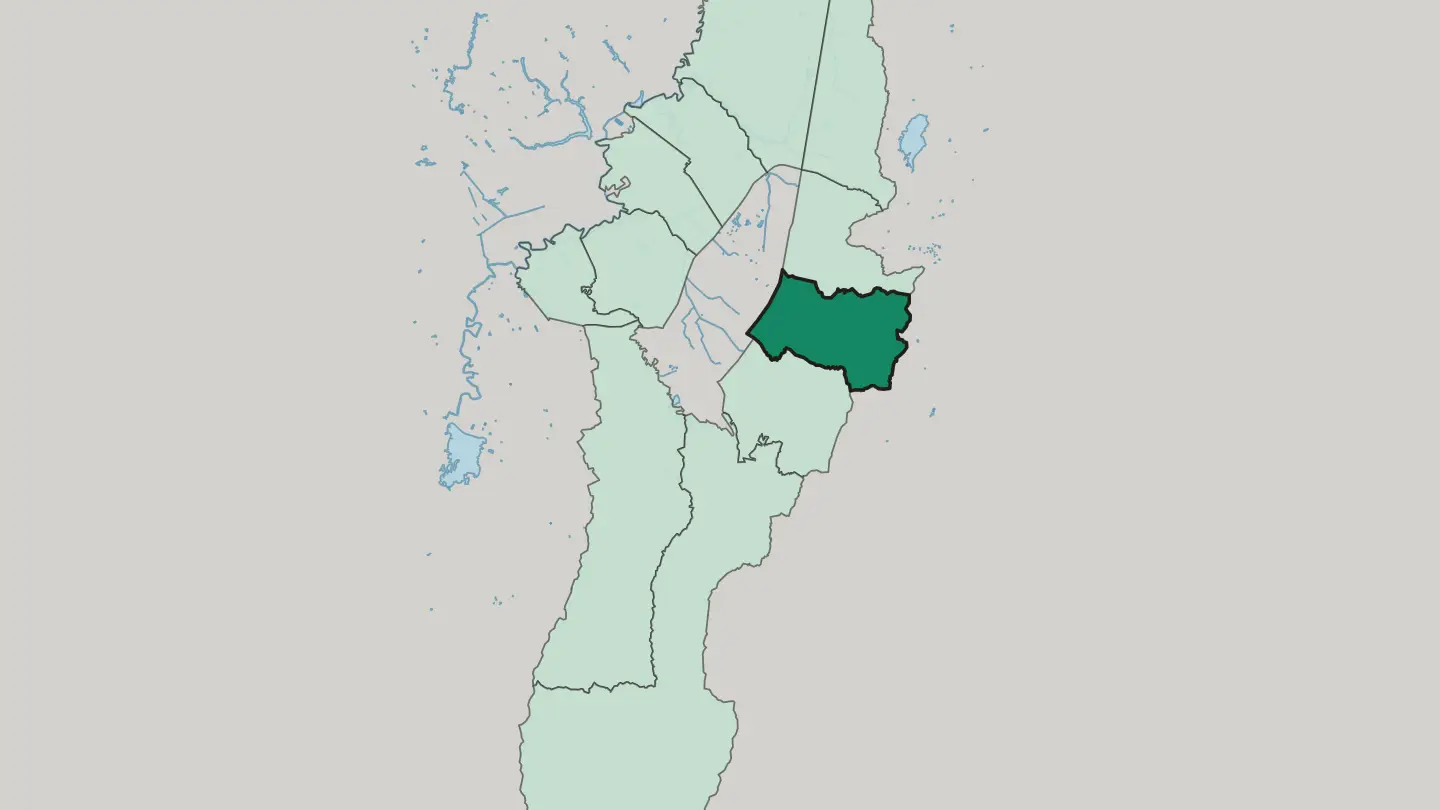 BogotáColombia
La Candelaria
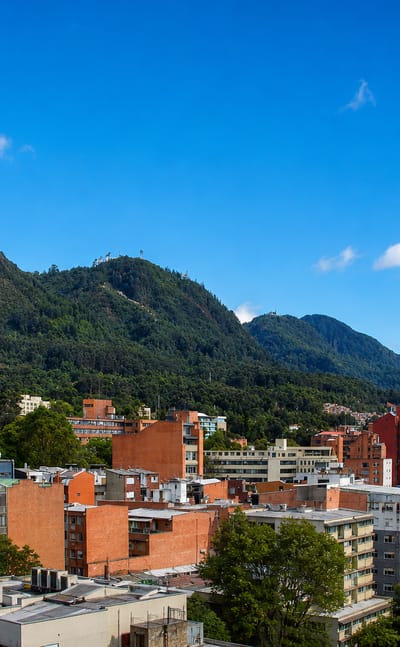
La Candelaria is Bogotá's colonial old town, a grid of steep streets around Plaza de Bolívar and the Primary Cathedral.La Candelaria →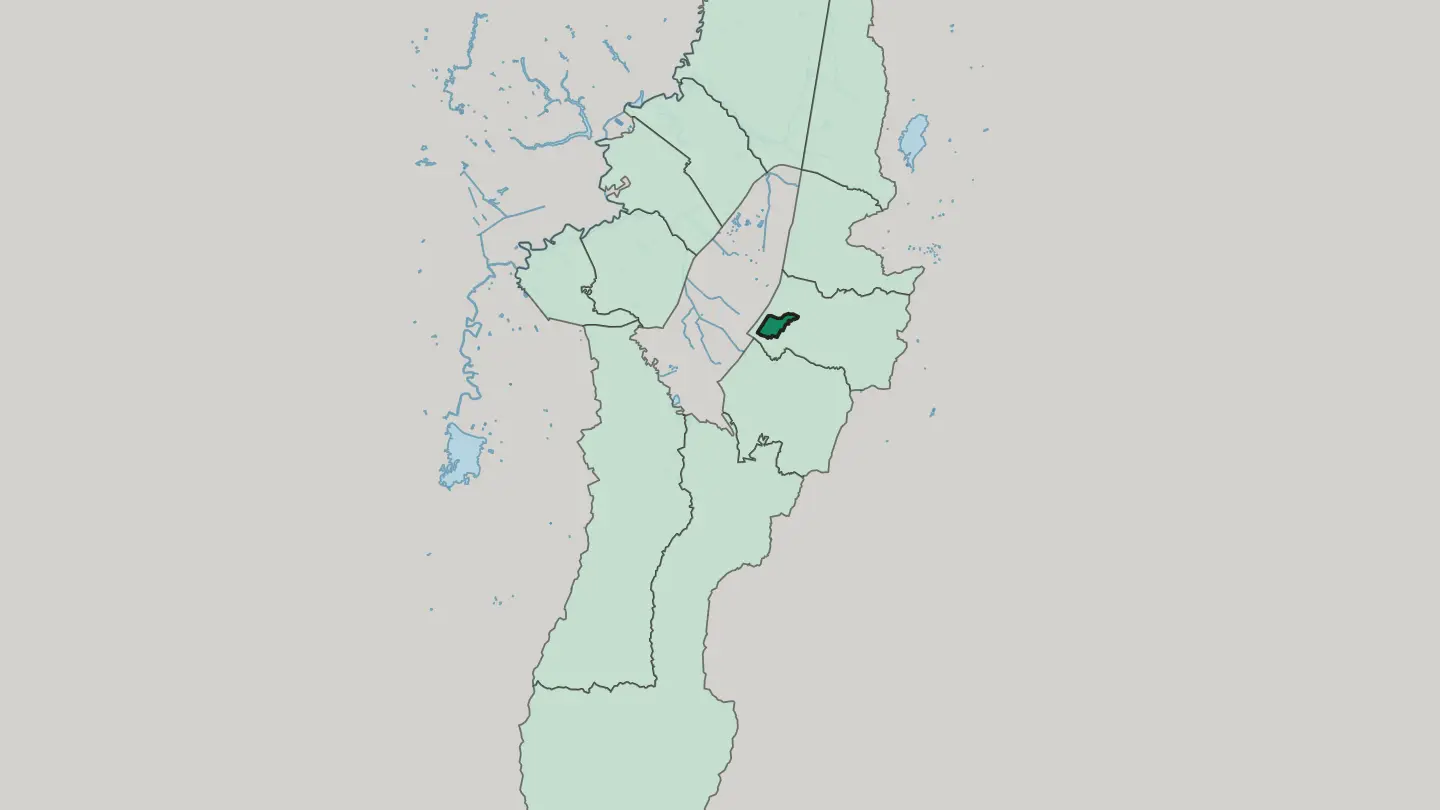
 BogotáColombia
Chapinero
Chapinero is a central locality of Bogotá, built around Carrera Séptima and the Iglesia de Nuestra Señora de Lourdes.Chapinero →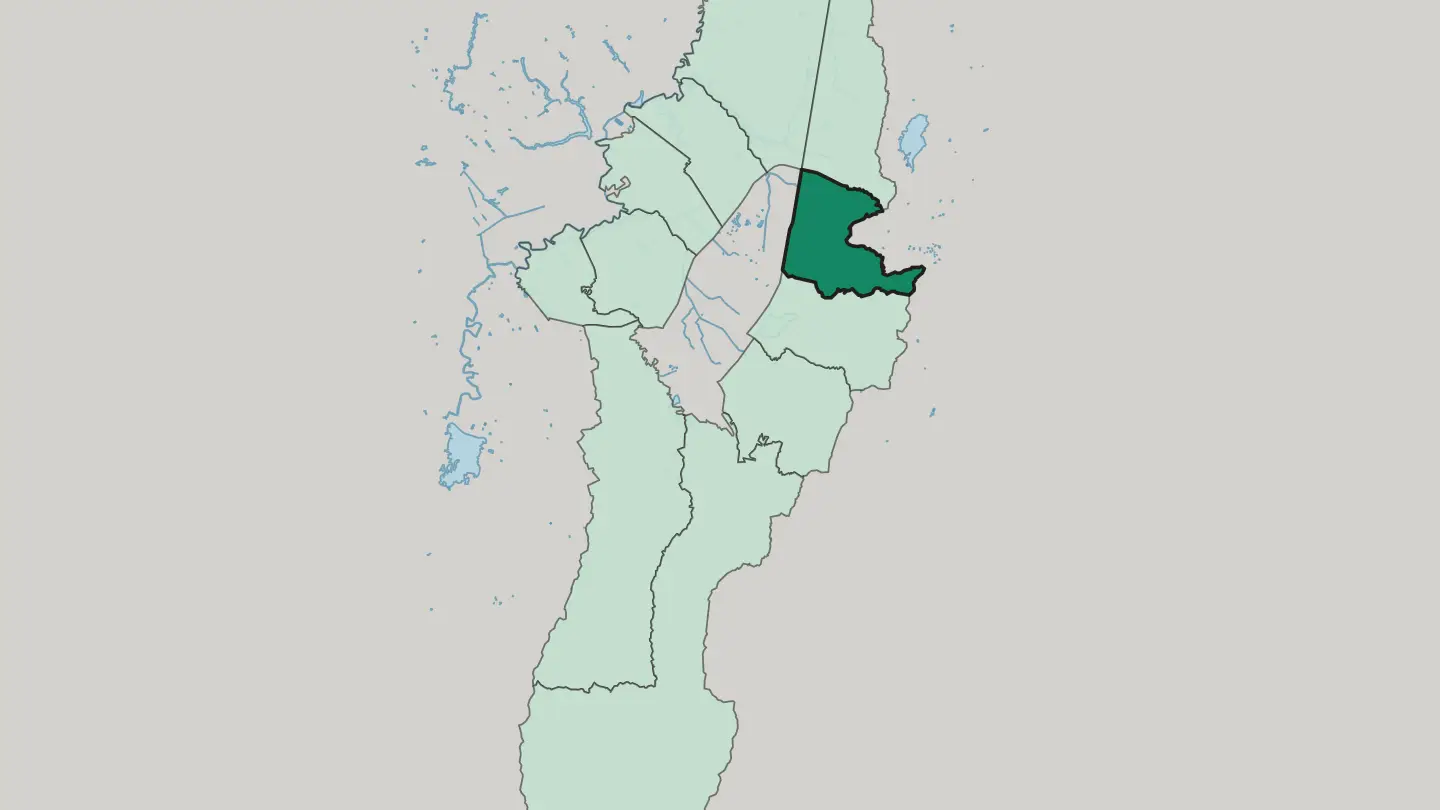 BogotáColombia
San Cristóbal
San Cristóbal is a hillside locality on the eastern edge of Bogotá, one of the districts of the capital of Colombia.San Cristóbal →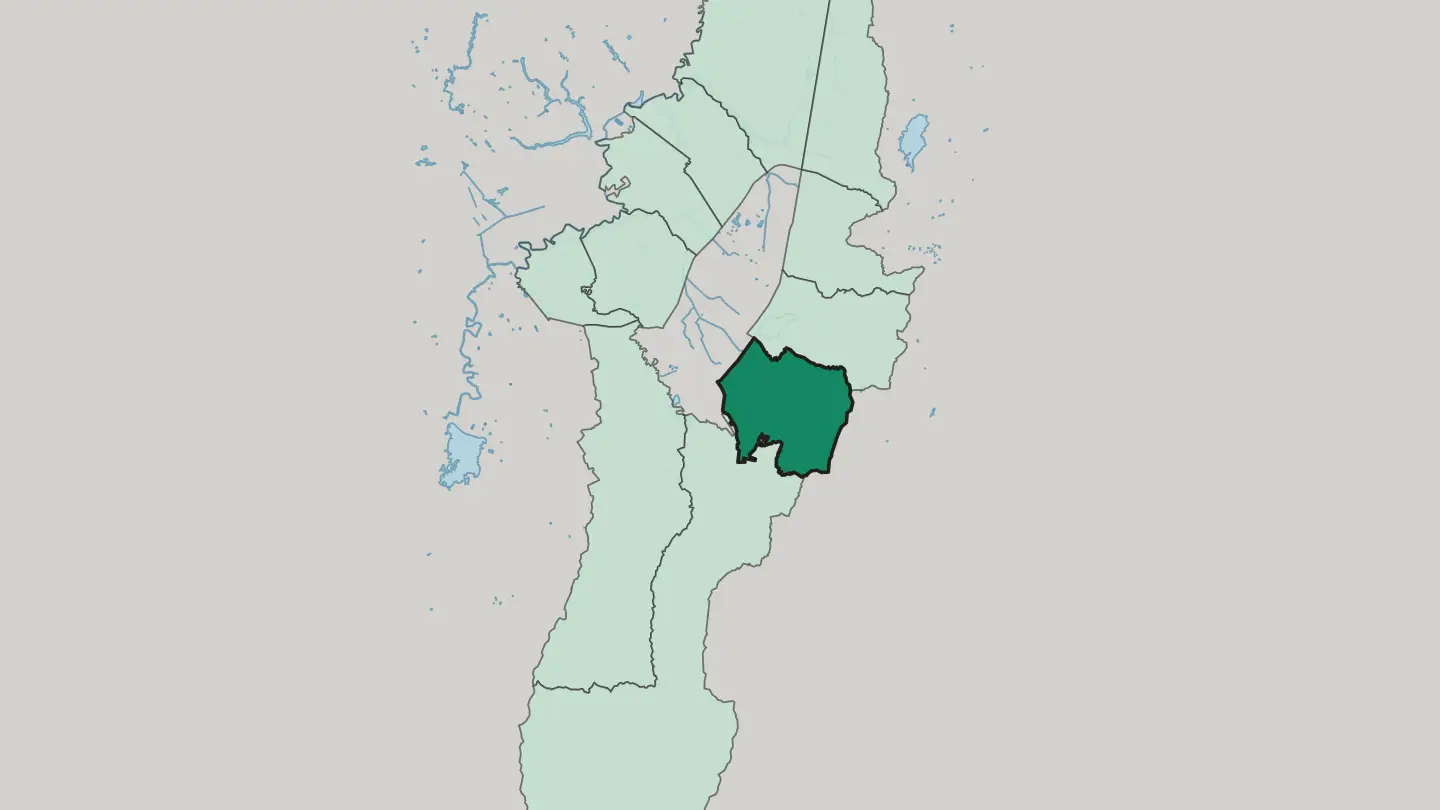
 BogotáColombia
Kennedy
Kennedy is one of the largest localidades of Bogotá, a broad residential district on the western flat of the Colombian capital.Kennedy →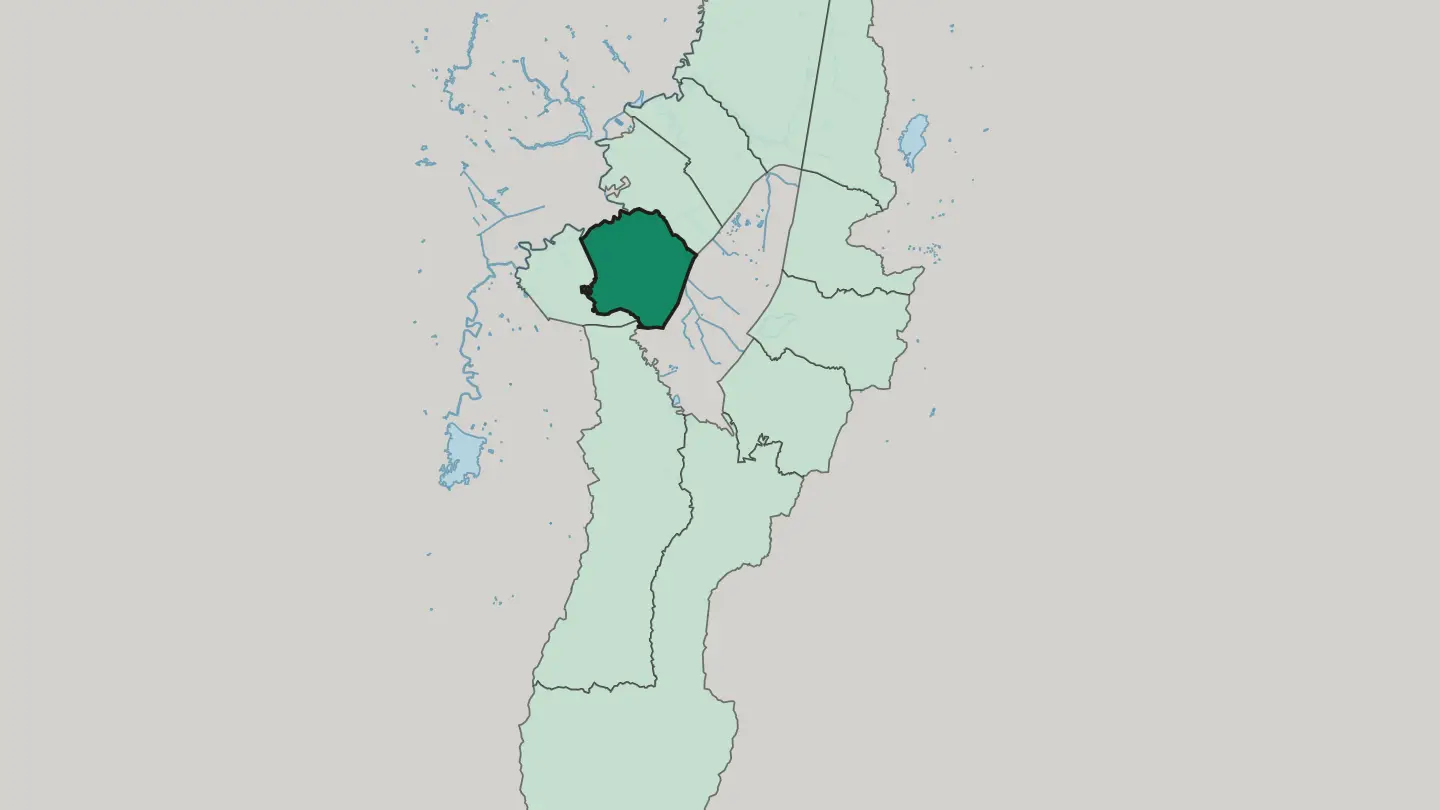 BogotáColombia
Fontibón
Fontibón is a western locality of Bogotá, built on the flat savanna plain around the Cathedral of St. James Apostle.Fontibón →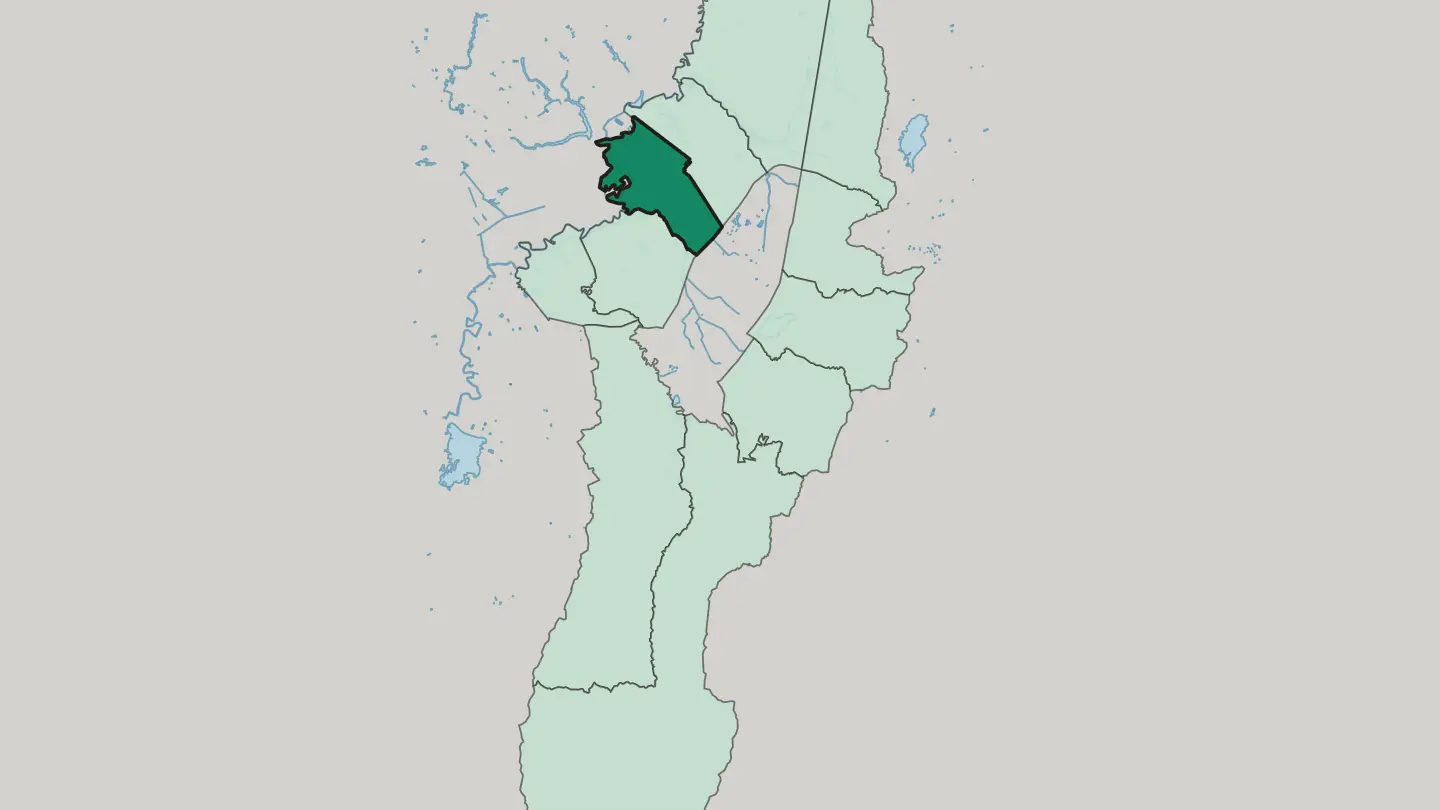
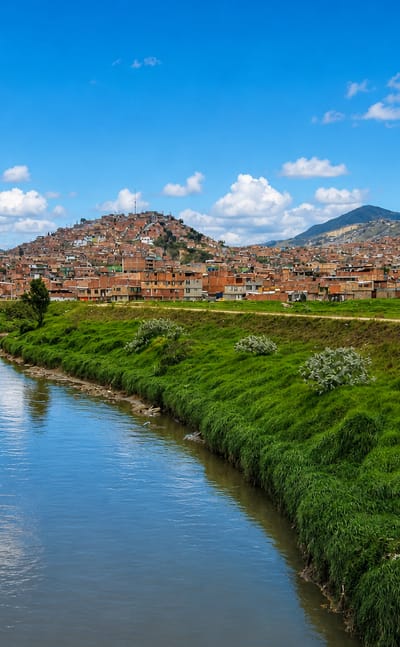 BogotáColombia
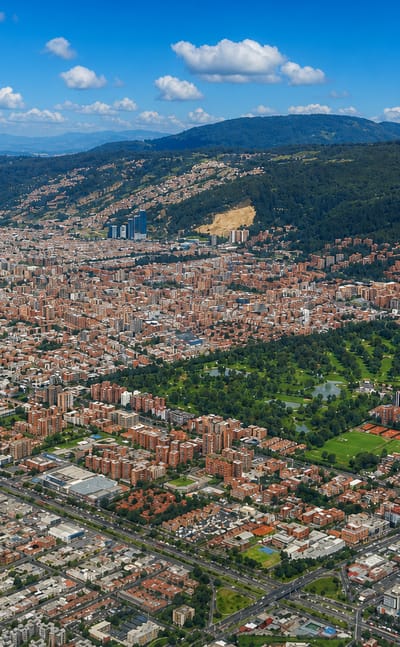
Ciudad Bolívar
Ciudad Bolívar is a hillside locality in Bogotá's south, its self-built barrios climbing Andean slopes above the Río Tunjuelo.Ciudad Bolívar →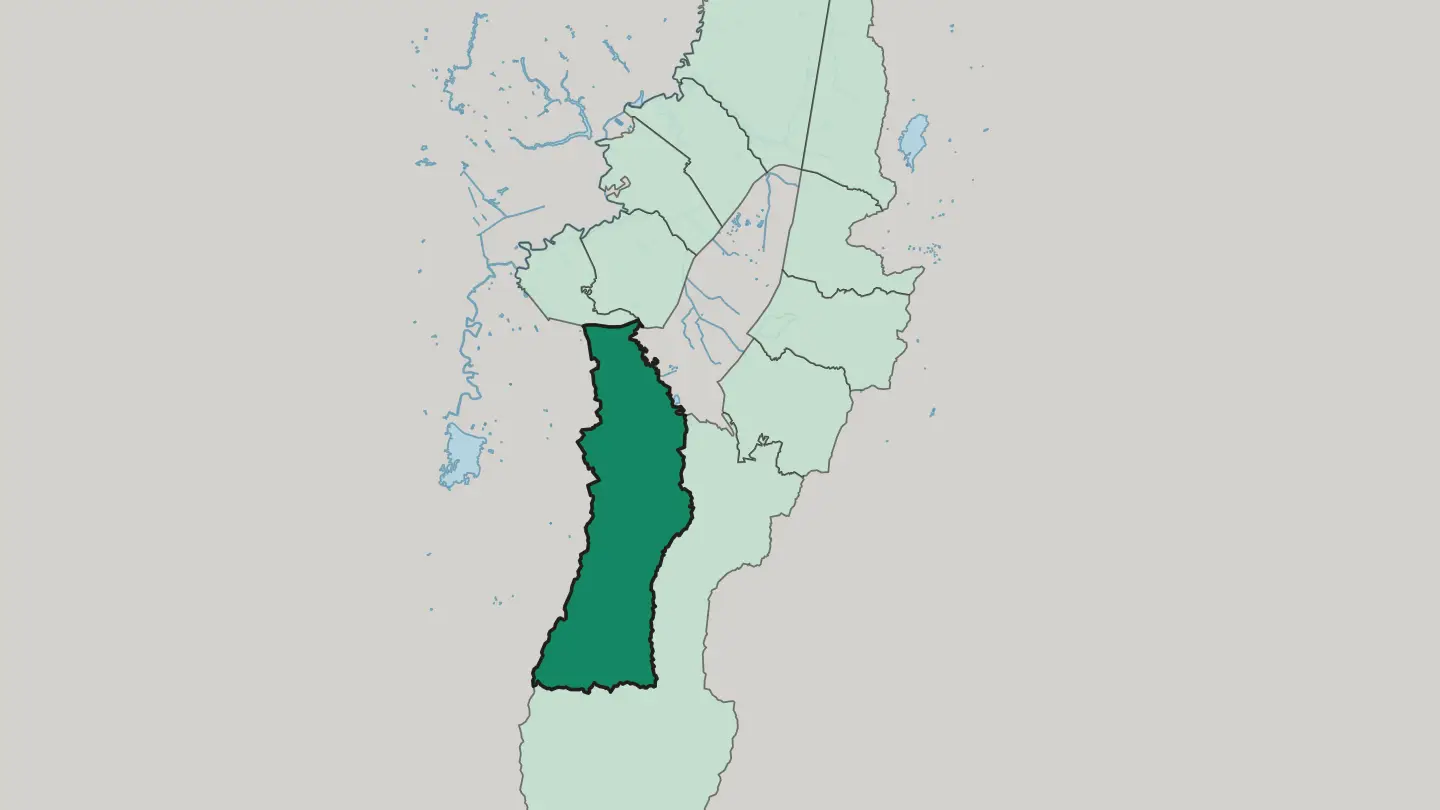
 BogotáColombia
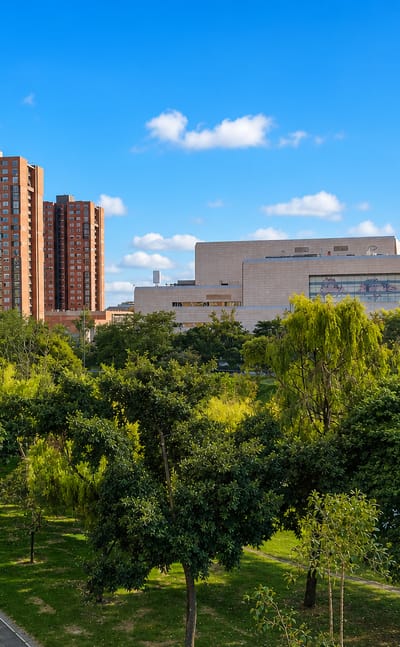
Usaquén
Usaquén is a district of Bogotá on the Sabana de Bogotá, home to the Chicó Museum.Usaquén →BogotáColombia
Bosa
Bosa is a working-class district on the southwest edge of Bogotá, set between the Tunjuelo River and the Bogotá River.Bosa →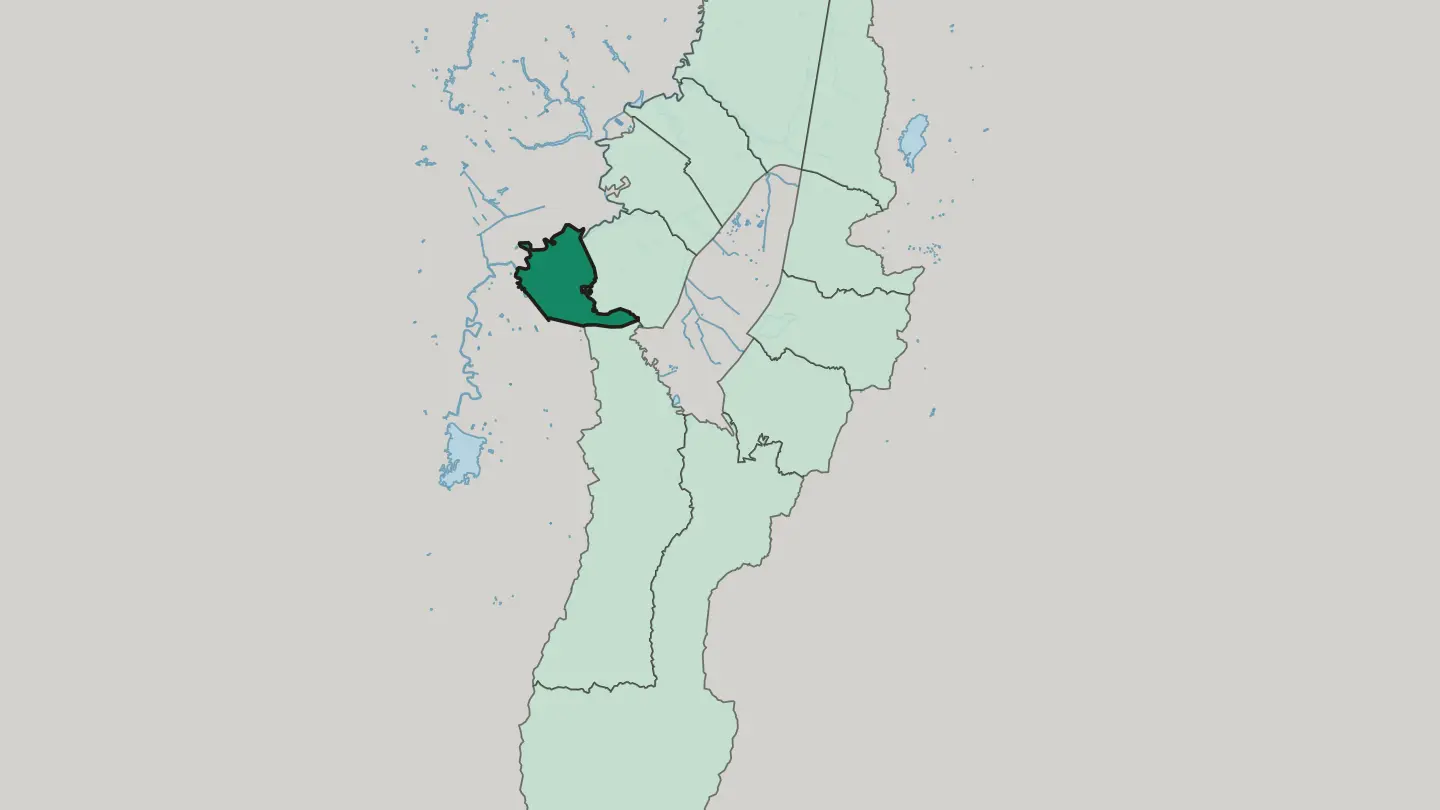
 BogotáColombia
Engativá
Engativá is the 10th locality of Bogotá, a residential district of the Colombian capital.Engativá →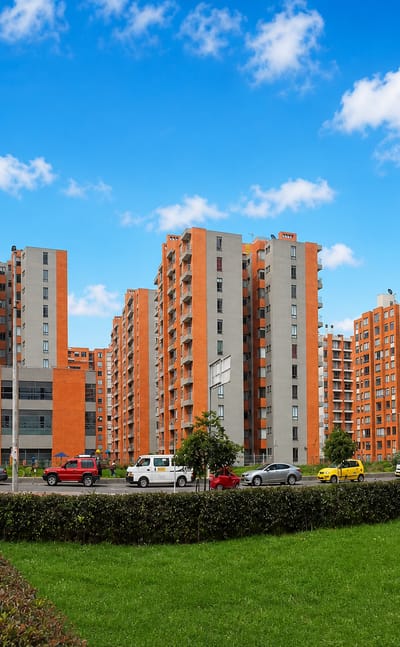 BogotáColombia
Suba
Suba is a large residential locality in the north-west of Bogotá, one of the districts that make up the capital of Colombia.Suba →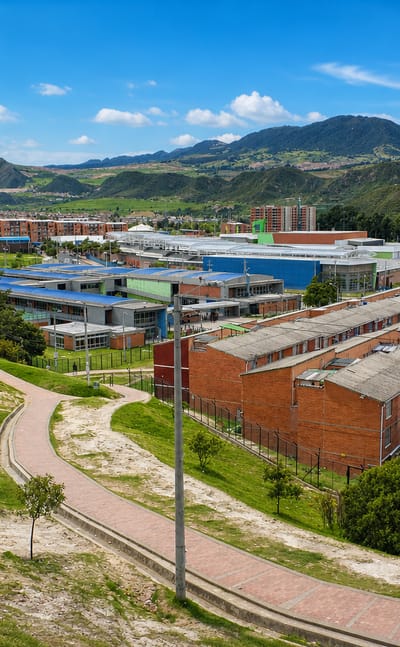 BogotáColombia
Usme
Usme is a rural-edged locality on Bogotá's far south, where the upper Río Tunjuelo threads Andean farmland.Usme →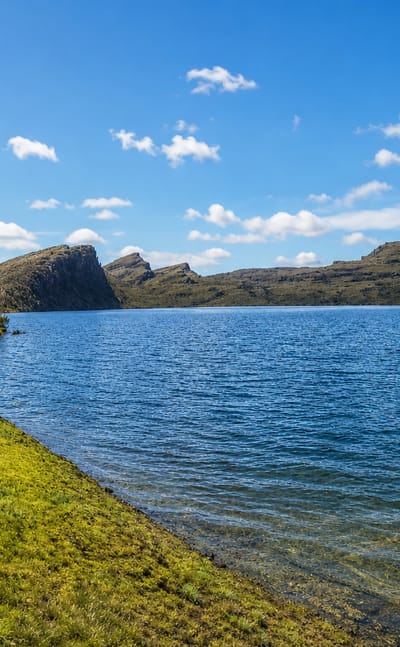 BogotáColombia
Sumapaz
Sumapaz is the 20th and largest locality of Bogotá, a wholly rural expanse reaching south toward Cundinamarca.Sumapaz →Hotel links are affiliate links: booking through them may earn us a commission, at no extra cost to you. It never affects how places are ranked. How this works
Things to do in Bogotá
Ranked by global recognition; descriptions from Wikidata (CC0).
Museums & Galleries
7- Colombian National Museum Heritage
- Museo de la Independencia Casa del Florero Heritage
- Museo Casa de Moneda Heritage
- Museum of Colonial Art Heritage
- Claustro de San Agustín Heritage
Show 2 more →
- Museo de Memoria de Colombia Heritage
- Fundación Gilberto Alzate Avendaño Heritage
Churches & Religious Sites
7- Primary Cathedral of Bogotá Heritage
- Church of San Francisco Heritage
- Church of Our Lady of Carmen, Bogota Heritage
- Iglesia San Ignacio - Bogotá Heritage
- Iglesia de Santa Bárbara Heritage
Show 2 more →
- Iglesia La Capuchina Heritage
- Capilla del Sagrario Heritage
Stadiums & Sports
2- Movistar Arena Bogotá
- Palacio de los Deportes de Bogotá
Landmarks & Notable Places
1- Silva Poetry House Heritage
worth knowingacross 4 categories in Bogotá
About Bogotá
Bogotá is known first for its museums.
What is Bogotá known for?
The Gold Museum and the Botero Museum draw visitors from across Colombia and beyond, and the Colombian National Museum sets out the nation's story. Green space is part of the appeal too. The Parque Metropolitano Simon Bolivar, the largest urban park in the Americas, and more than 500 km of bike paths give the capital an outdoor side.
Monserrate Sanctuary is the landmark most tied to the city's name.
What are the main landmarks in Bogotá?
Bogotá's landmarks run from gold to grand churches. The Gold Museum holds the city's most famous collection, while the Botero Museum and the Bogotá Museum of Modern Art carry its art and the Colombian National Museum tells the national story. Churches mark the old centre.
The Primary Cathedral of Bogotá stands among the colonial streets, near the Church of San Francisco, and the Monserrate Sanctuary is the best known of the city's shrines. Stages matter too. Chief among them is the Teatro Colon.
What is the history of Bogotá?
Bogotá was founded in 1538, in the early colonial period of the Americas, and it has been a city of consequence ever since. The colonial city grew around a central square and its churches, and its old core still carries that early inheritance in stone. For a long stretch it was a principal seat of colonial rule.
When the break from colonial rule came, Bogotá stood near the centre of events, a role the Museo de la Independencia Casa del Florero still marks in the old town. Independence remade the city's standing. From a colonial capital it rose to become the capital of an independent Colombia, and later the seat of the Capital District that governs it.
The capital role has held through every era since. The layers are still legible. Colonial churches, later museums, and modern towers stand within a few streets of each other, so a short walk in Bogotá can cross several centuries at once.
Few capitals wear their history so openly in a single old quarter.
Where is Bogotá?
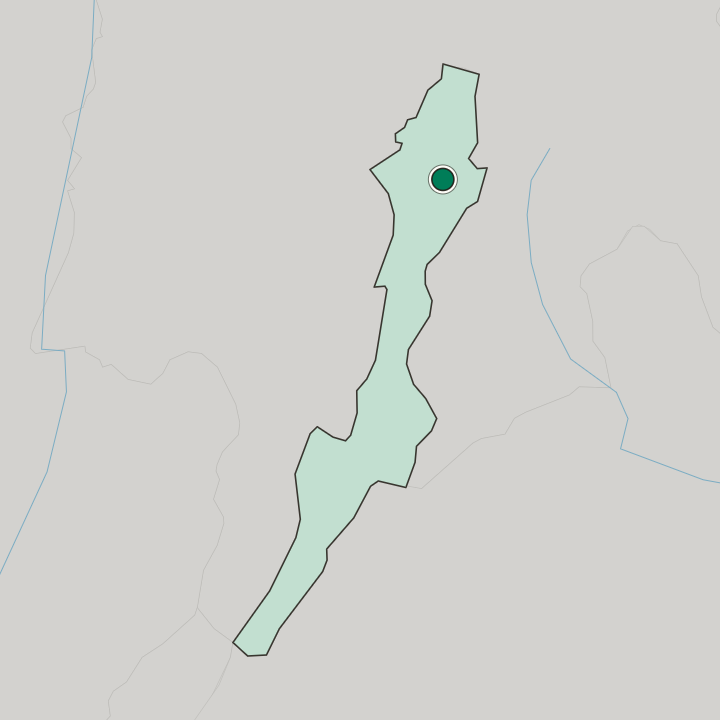
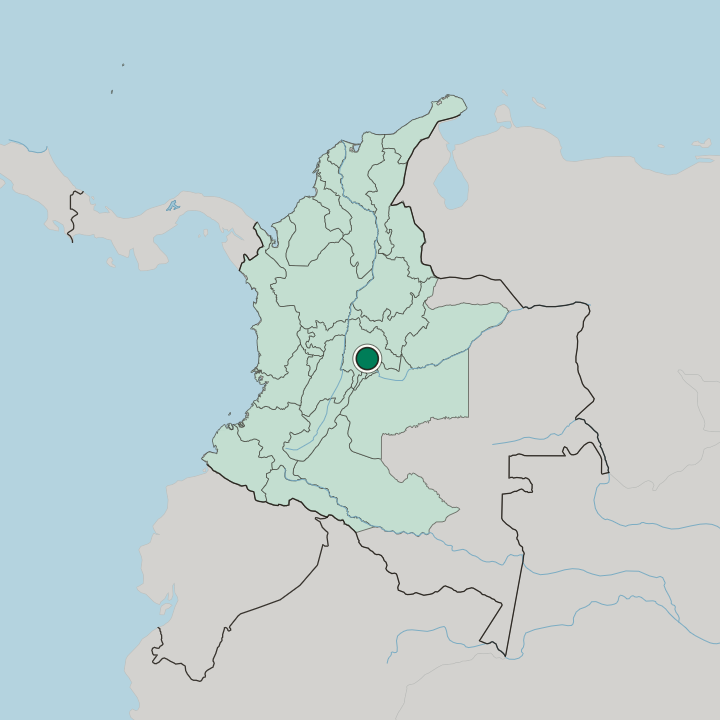
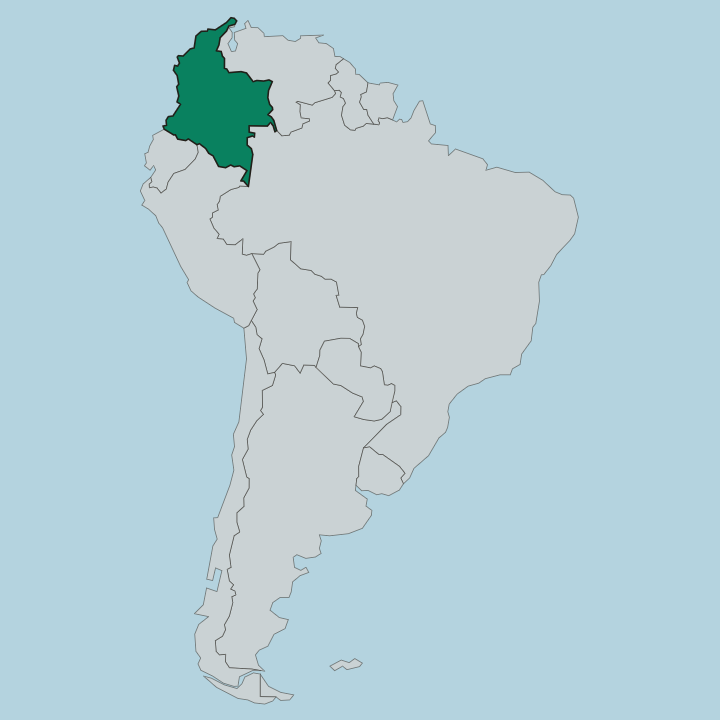
Bogotá spreads across a broad site as the largest city of Colombia. The metropolis anchors northern South America, one of the continent's great urban centres. Its footprint is enormous.
Streets and neighbourhoods run for kilometre after kilometre, so crossing Bogotá from edge to edge takes real time. Beyond the built-up zone lies the department of Cundinamarca, which rings the capital's territory. Sitting in the tropics, the city sees little seasonal shift in its daylight, and its geography is shaped more by sheer urban extent than by any single river or ridge.
What is the climate of Bogotá?
Bogotá lies in the tropics of Colombia, so its year has no true summer or winter. Daylight and temperature hold fairly steady from month to month. Instead the calendar splits into wetter and drier stretches.
Rain marks the change. For a tropical capital, the city keeps an even, unspectacular sky most of the year, and travellers can visit in almost any month without meeting a hard seasonal extreme.
How do you get to Bogotá?
Bogotá is the main air hub of Colombia, and most visitors arrive by plane. Its airport ranks among the busiest in northern South America, with flights from across the country and the continent. From the terminals, roads run into the city and out toward the surrounding department of Cundinamarca.
The airport carries the load. Overland travel reaches Bogotá as well, but the long distances across Colombia make flying the usual choice for anyone coming from far off, and international arrivals almost always land here first.
Good for
Updated September 2026