Colombia · Distrito Capital de Bogotá · Bogotá
Ciudad Bolívar, Bogotá — Area Guide & Where to Stay
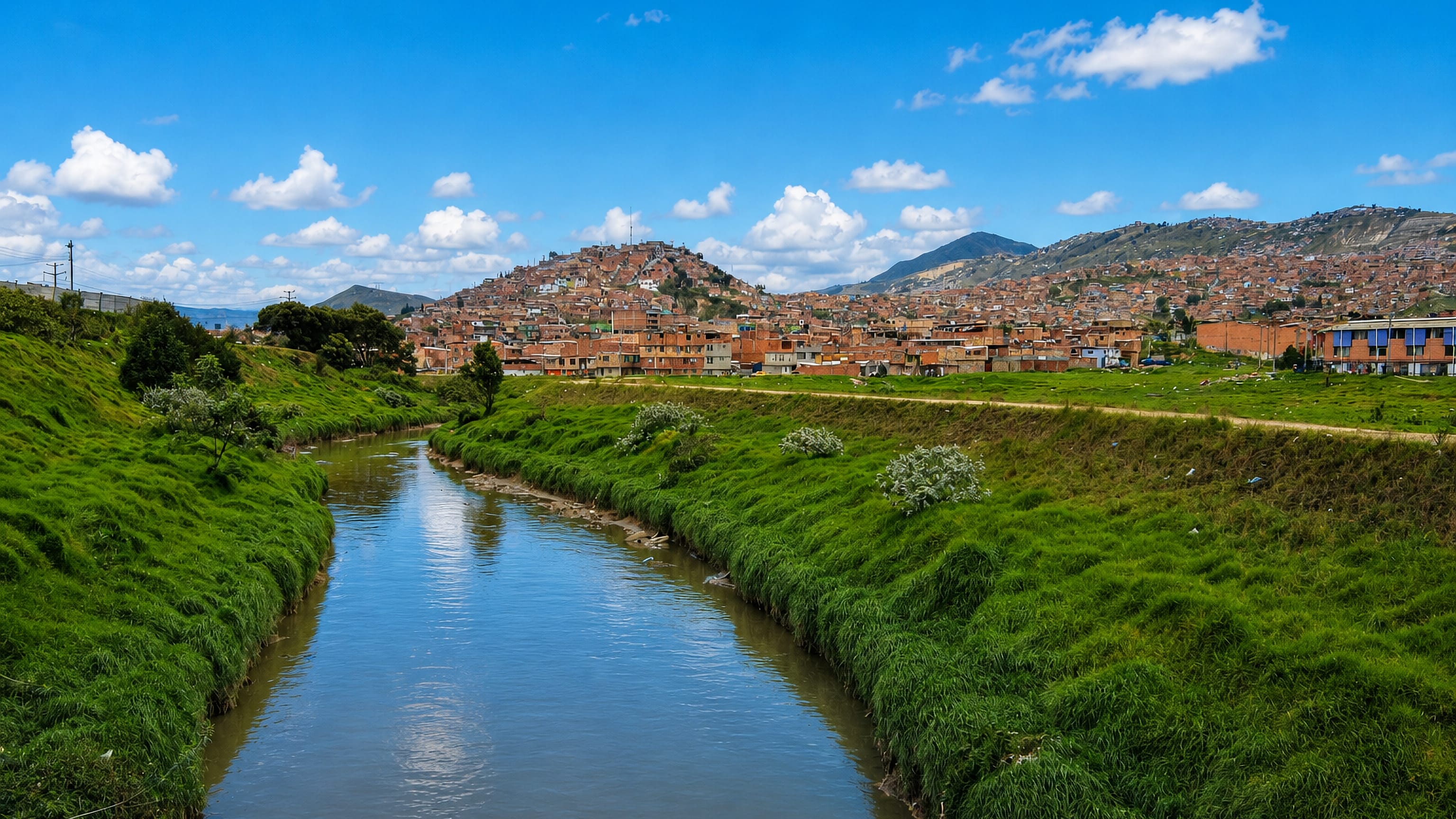
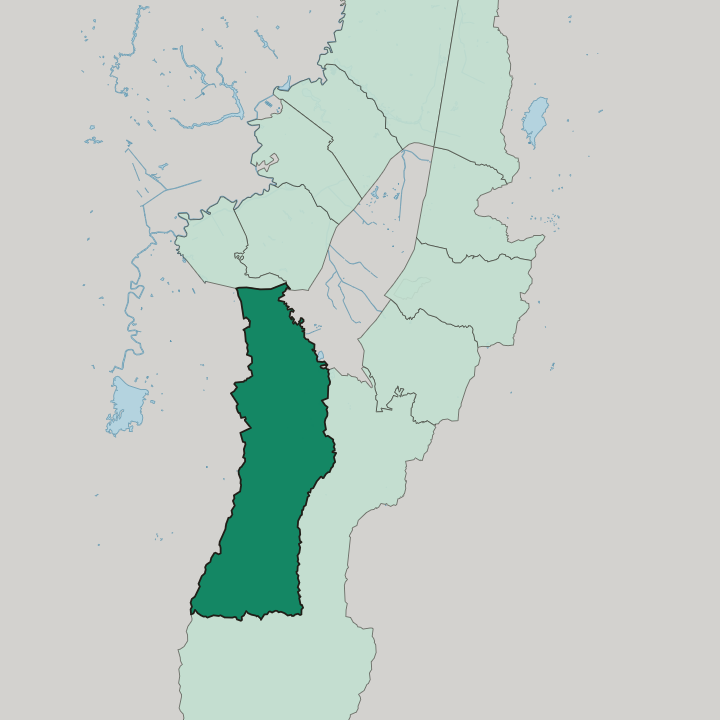
Ciudad Bolívar is a hillside locality in Bogotá's south, its self-built barrios climbing Andean slopes above the Río Tunjuelo.
Hotel links are affiliate links: booking through them may earn us a commission, at no extra cost to you. It never affects how places are ranked. How this works


Map data © OpenStreetMap contributors
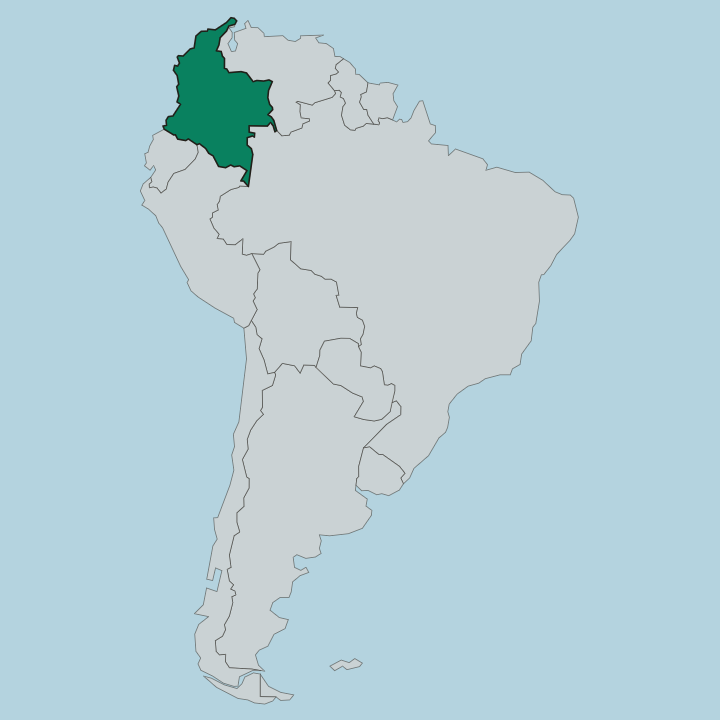
Where to stay in Ciudad Bolívar
Where visitors usually base themselves, and why.
Ciudad Bolívar is a residential locality of steep hillside barrios, so beds cluster low around Perdomo and the flatter ground near the Autopista Sur rather than up the slopes. The high barrios stay firmly local. Staying near the Portal Tunal end of the TransMiCable puts the gondola, its feeder buses, and the run into central Bogotá within a short walk, and it keeps the Museo de la Ciudad Autoconstruida reachable up in Juan Pablo II.
Rooms toward Meissen sit closer to the Río Tunjuelo and the Avenida Ciudad de Villavicencio. Pick the low ground.
Find hotels in Ciudad Bolívar
Direct booking searches for these neighbourhoods.
Around Perdomo and the Autopista Sur
The low northern edge of Ciudad Bolívar around Perdomo, where the Autopista Sur runs flat past the locality's busiest commercial strip. Few places to stay nearby — book ahead.Find hotels in Around Perdomo and the Autopista Surtravellers pairing the TransMiCable gondola with an easy run into central BogotáBy the Portal Tunal cable station
The transit corner beside Portal Tunal where the TransMiCable lifts off toward the hillside barrios of Ciudad Bolívar. Few places to stay nearby — book ahead.Find hotels in By the Portal Tunal cable stationvisitors after riverside ground along the Avenida Ciudad de VillavicencioToward Meissen and the Río Tunjuelo
The Meissen flank of Ciudad Bolívar along the Río Tunjuelo, where the Avenida Ciudad de Villavicencio threads the valley floor. Lodging is scarce in this area; reserve in advance.Find hotels in Toward Meissen and the Río TunjueloHotel links are affiliate links: booking through them may earn us a commission, at no extra cost to you. It never affects how places are ranked. How this works
About Ciudad Bolívar
What are the main landmarks in Ciudad Bolívar?
The TransMiCable gondola defines Ciudad Bolívar. Its cables climb from Portal Tunal over the rooftops to the stations at Manitas, Mirador del Paraíso, and Juan Pablo II, lifting visitors up the slope in place of the switchback roads that lace the barrios below. Near the top waits the story of the barrios themselves.
The Museo de la Ciudad Autoconstruida tells how families in Juan Pablo II raised their own homes brick by brick, while the ridgeline lookout at Alto de la Cruz and the painted murals of Sierra Morena and El Paraíso spread the same self-built history across the hillside for anyone riding up.
What is the history of Ciudad Bolívar?
Ciudad Bolívar grew from parcelled haciendas on the southern hills of Bogotá. Migration built it. Through the 1950s families displaced by rural violence settled the slopes above the Río Tunjuelo, laying out barrios such as Meissen and Perdomo without formal plans and raising houses one storey at a time as money allowed.
The city caught up in 1983. Bogotá recognised the sprawling settlements as its nineteenth locality that year, and the community organising that followed carried through to projects like the TransMiCable, which threaded a gondola over the same self-built barrios that the Museo de la Ciudad Autoconstruida now records.
Common questions
What is the best area to stay in Ciudad Bolívar?
Around Perdomo and the Autopista Sur: guests wanting the flattest ground and the quickest link out along the Autopista Sur. By the Portal Tunal cable station: travellers pairing the TransMiCable gondola with an easy run into central Bogotá. Toward Meissen and the Río Tunjuelo: visitors after riverside ground along the Avenida Ciudad de Villavicencio.
Good for
More areas in Bogotá
Updated October 2026