Colombia
Distrito Capital de Bogotá, Colombia — Towns & Travel Guide
The Capital District holds Bogotá, capital of Colombia, a first-order territory ranked beside the departments rather than inside Cundinamarca.
Hotel links are affiliate links: booking through them may earn us a commission, at no extra cost to you. It never affects how places are ranked. How this works


Towns & cities in Distrito Capital de Bogotá
One town here has its own guide — it links to where to stay.
 Colombia
Bogotá
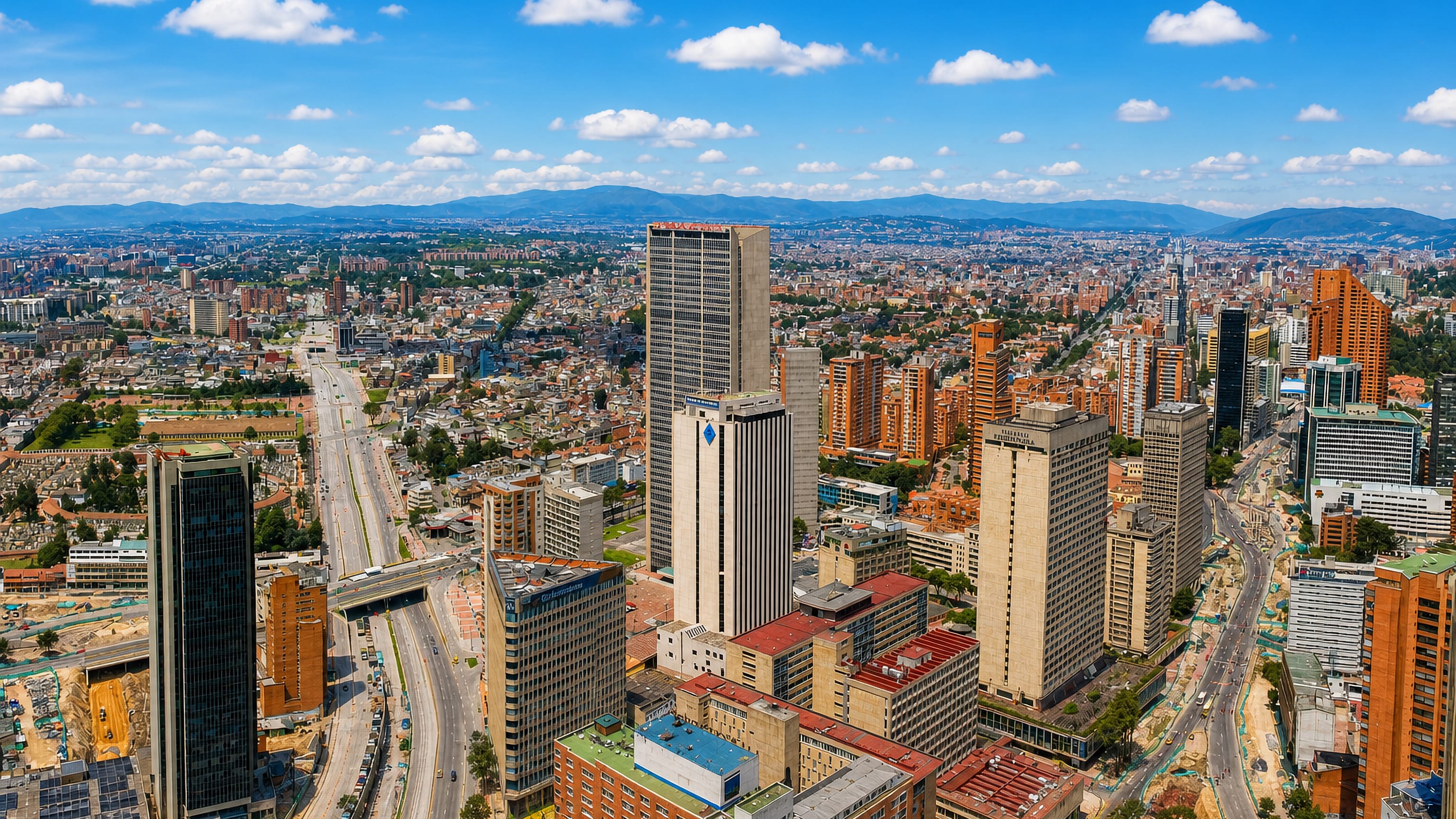
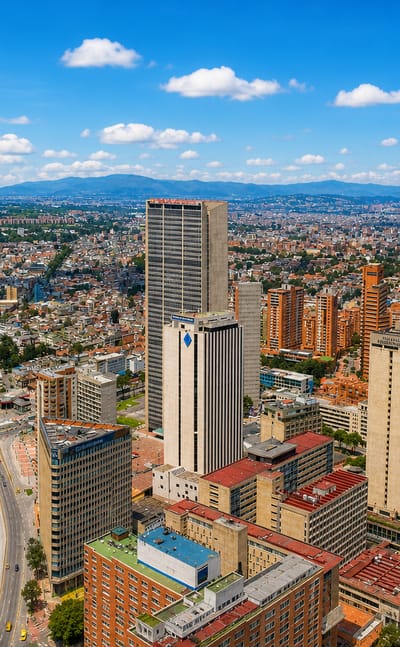
The Gold Museum anchors Bogotá, the capital and largest city of Colombia, a metropolis of colonial churches and grand museums founded in 1538.Where to stay →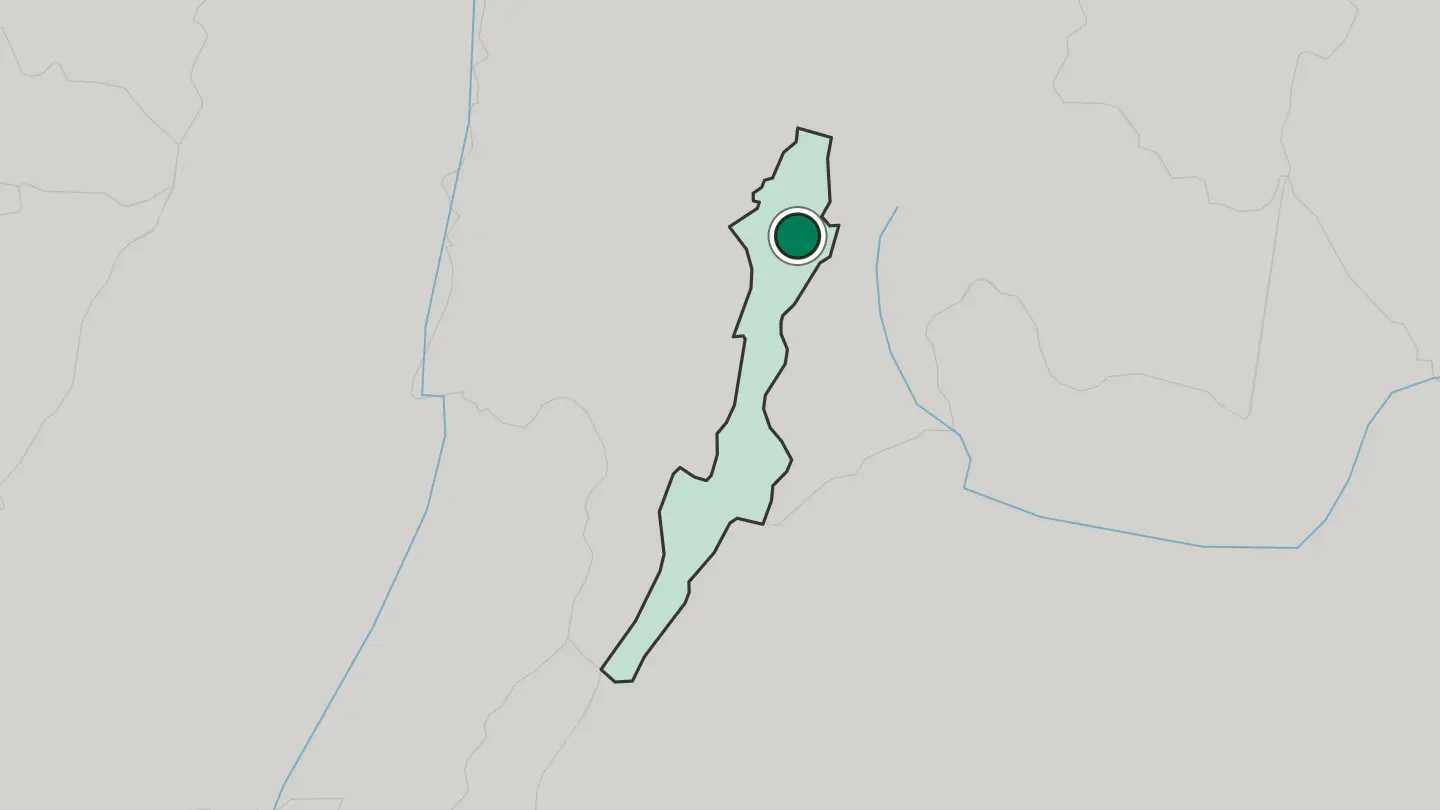
Hotel links are affiliate links: booking through them may earn us a commission, at no extra cost to you. It never affects how places are ranked. How this works
About Distrito Capital de Bogotá
The Capital District is known as the seat of Colombia.
What is Distrito Capital de Bogotá known for?
It holds Bogotá, the capital and largest city, and with it the country's centre of politics, finance, and administration. Its reach runs beyond national borders. As a global centre for finance, media, and culture, the district serves as one of the main hubs of northern South America.
Among Colombia's territories it holds a rank all its own, a capital city given the standing of a department.
Where is Distrito Capital de Bogotá?
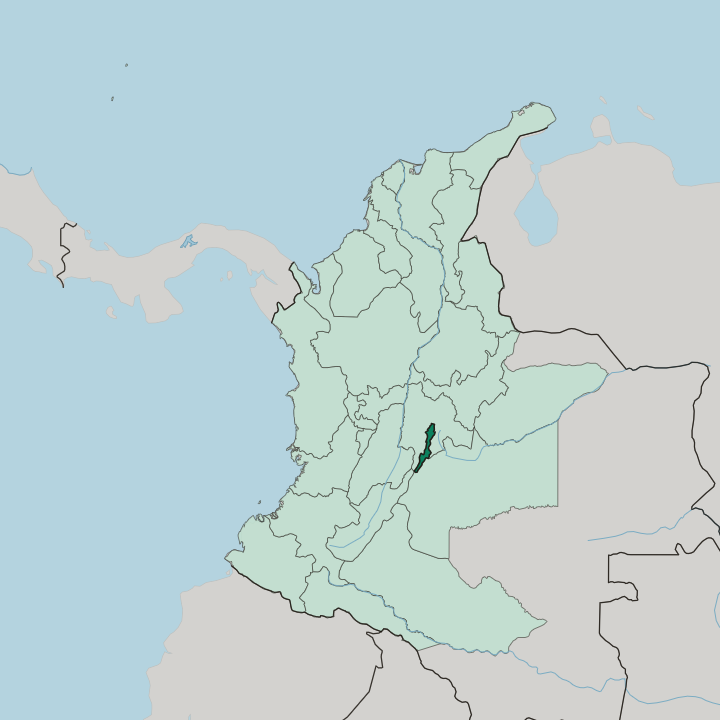
The Capital District occupies a defined territory built around Bogotá, the capital of Colombia. It is not a department. Colombia ranks it as a territorial entity of the first order, giving the district the same administrative standing as the country's departments while keeping it separate from them.
The district lies within the reach of Cundinamarca, the department that surrounds it, yet it is not politically part of Cundinamarca. Newcomers often find the lines confusing. Bogotá even serves as that department's capital from outside its borders.
This arrangement is unusual. The capital governs itself as its own first-order unit rather than answering to the region around it. On the national map the district anchors one of the main political and economic centres of northern South America, not just of Colombia.
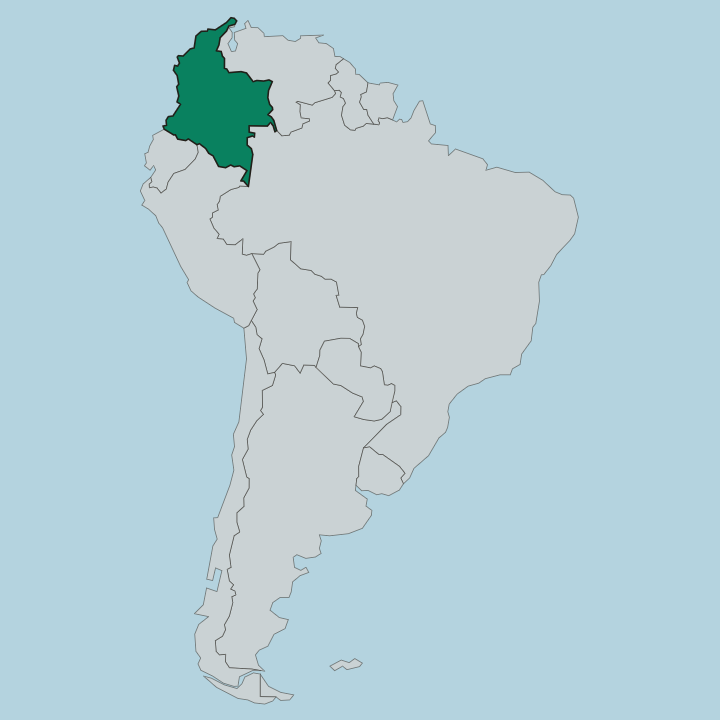
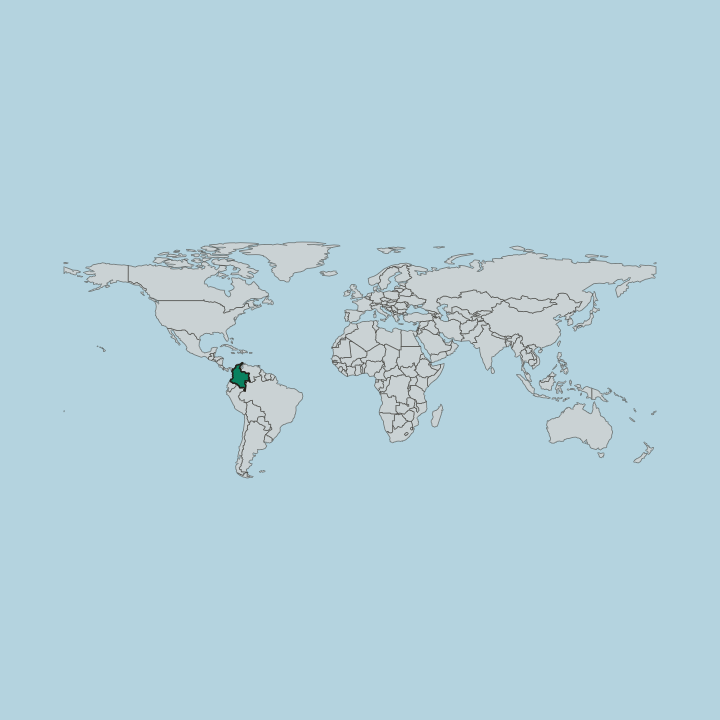
Its setting in the tropics places it outside any temperate zone. The whole territory works as a single urban region built around the capital. Where most regions are drawn around rivers or mountain ranges, the Capital District is drawn instead around the city at its centre and the line of administration set about it.
What is Distrito Capital de Bogotá like?
Culture in the Capital District runs at the scale of a whole national capital, not just a city. Bogotá gathers much of the country's cultural weight, standing as a global centre for culture, media, and entertainment alike. Museums, stages, and restaurants fill the streets.
Performing arts are the standout. More than seventy-five venues are spread across the city, among them the Teatro Colon, the grandest of the capital's stages. The old and the new sit side by side here.
Historic churches, colonial mansions, and palaces carry centuries of built heritage, while newer galleries and screens carry the living side of its culture. As the meeting point of Colombia's political and cultural worlds, the district draws artists, students, and audiences from every corner of the country. Spanish is the working language of all of it, as it is across Colombia.
None of it is provincial. The result is a capital where national culture is not just administered but made and shown. Bogotá sets much of the tone that the rest of Colombia follows, and its cultural pull reaches well beyond the district's own boundaries.
What is the history of Distrito Capital de Bogotá?
The Capital District took its modern shape in 1905, when Bogotá was set apart as a special administrative unit. The city itself is far older. Before that founding, Bogotá answered to the department around it, like any other town in the region.
The change of 1905 began a long move toward self-government that ended with the district ranking as a territorial entity of the first order, equal in standing to Colombia's departments. What that founding created was not a new city but a new status for one.
What is the climate of Distrito Capital de Bogotá?
The Capital District lies in the tropics, which shapes its weather more than any calendar of seasons does. Day length holds steady, and the sharp swings of a temperate climate never really arrive. Instead the year turns on rainfall.
Wetter and drier spells set the rhythm, rather than summer and winter. For a place at this remove from the poles, the climate stays even, week to week, across Bogotá and the district around it.
How do you get to Distrito Capital de Bogotá?
Most arrivals reach the Capital District by air, since Bogotá serves as the main airport hub of Colombia and one of the busiest in northern South America. Flights pour in from across the country and the continent. Roads link the capital to the surrounding department of Cundinamarca and the interior beyond.
The airport does most of the work. As the country's chief aeronautical centre, the district is easier to reach from far away than many nearer towns are from one another.
Good for
More regions in Colombia
- Departamento de Antioquia
- Departamento del Valle del Cauca
- Departamento de Cundinamarca
- Departamento del Atlántico
- Departamento de Santander
- Departamento de Bolívar
- Departamento de Córdoba
- Departamento de Nariño
- Departamento de Norte de Santander
- Departamento del Cauca
- Departamento del Magdalena
- Departamento de Tolima
Updated September 2026